- HOME
- FOR CLIENTS
- FOR FREELANCERS
- LOGIN
BLOG
New user? Create account


Varun Katyal is the Founder & CEO of Clapboard and a former Creative Director at Ogilvy, with 15+ years of experience across advertising, branded content, and film production. He built Clapboard after seeing firsthand that the industry’s traditional ways of sourcing talent, structuring teams, and delivering creative work were no longer built for the volume, velocity, and complexity of modern content. Clapboard is his answer — a video-first creative operating system that brings together a curated talent marketplace, managed production services, and an AI- and automation-powered layer into a single ecosystem for advertising, branded content, and film. It is designed for a market where brands need content at a scale, speed, and level of specialization that legacy agencies and generic freelance platforms were never built to deliver. The thinking, frameworks, and editorial perspective behind this blog are shaped by Varun’s experience across both the agency world and the emerging platform-led future of creative production. LinkedIn: https://www.linkedin.com/in/varun-katyal-clapboard/
AI influencer marketing has shifted from a novelty to a necessity for brands seeking measurable returns. The days of gut-feel influencer selection are over. Today’s most effective campaigns are engineered with data at their core, powered by AI influencer tools that surface insights no human team could match for scale or speed. If you want data-driven campaigns that outperform, AI isn’t an add-on—it’s the operating system.
Top-tier AI influencer tools do more than scrape follower counts. They analyse audience authenticity, engagement quality, content resonance, and even sentiment. Some platforms map entire influencer networks, revealing hidden connections and micro-communities. Others automate competitive benchmarking, so you know exactly where your brand stands. The right stack is built for your objectives, not for vendor hype.
Trend analysis is where AI earns its keep. Machine learning models scan millions of posts, stories, and comments to detect rising topics before they peak. This means you can brief creators on what’s about to break—not what’s already tired. The result: campaign strategy that’s genuinely ahead of the curve, not just reactive.
Predictive analytics takes the guesswork out of influencer selection. AI models forecast which creators are most likely to drive your KPIs—whether that’s sales, sign-ups, or brand lift—based on historical data and current momentum. This enables smarter resource allocation and higher ROI, especially in multi-market or cross-channel campaigns.
AI influencer marketing is not about replacing creative instinct—it’s about arming it with precision. The future belongs to marketers who can fuse data, technology, and creativity into a campaign strategy that wins on both reach and relevance.
AI influencer marketing is the intersection of algorithmic intelligence and creator-driven storytelling. At its core, it’s the application of artificial intelligence to identify, activate, and optimise influencer partnerships—redefining what’s possible in digital marketing. Unlike traditional influencer marketing, where intuition and manual vetting dominate, AI influencer marketing leverages automation, predictive analytics, and machine learning to make every stage of the process sharper and more accountable.
The mechanics are straightforward but transformative. AI systems scan vast pools of creator data, audience behaviours, and engagement signals to surface the right talent for a brand’s objectives. Campaign planning becomes a data-led exercise: audience fit, brand safety, and projected ROI are modelled before a contract is even signed. Real-time performance tracking and automated reporting turn campaign management into a feedback loop, not a guessing game.
Traditional influencer marketing relies on manual selection, subjective assessments, and lagging performance metrics. AI-driven approaches replace guesswork with precision. Algorithms identify micro-trends, flag potential risks, and suggest content strategies that align with both audience interests and platform algorithms. The result: less wasted budget, more measurable impact, and a pace of iteration that manual teams can’t match.
The shift isn’t just technological—it’s commercial. As media budgets tighten and scrutiny on ROI intensifies, brands can’t afford inefficiency. AI in digital marketing delivers scale without sacrificing relevance. Human-AI collaboration is the new operating model: automation handles the heavy lifting, while creative leaders focus on strategy and oversight. This blend is why AI influencer marketing isn’t a trend; it’s a structural change. The brands leading the charge aren’t waiting for the future—they’re building it, campaign by campaign.
Manual influencer discovery is a productivity sink. Sifting through endless profiles, cross-referencing follower counts, and chasing down engagement stats is not just tedious—it’s commercially inefficient. For brands demanding scale and precision, AI influencer discovery isn’t a gimmick. It’s the only way to extract value from a market flooded with noise.
AI-powered influencer search platforms process millions of profiles in seconds, using algorithms to surface creators whose audience, content, and engagement map directly to campaign objectives. These tools don’t just filter by follower count. They parse audience demographics, historical performance, and even content tone to ensure alignment with brand values. This level of granularity is impossible at scale without automation.
Influencer vetting is where AI earns its keep. Sophisticated systems analyze posting patterns, engagement rates, and audience growth for red flags—fake followers, purchased engagement, or inconsistent posting. AI streamlines influencer vetting by analyzing data points like engagement rates, audience demographics, content quality, and posting patterns, reducing screening time by 70% (Glean, 2025). The result: fewer reputational risks and a higher likelihood of authentic partnerships.
AI doesn’t just accelerate the process—it makes it smarter. Selection engines weigh variables such as brand affinity, previous campaign results, and niche relevance. The system can also factor in cross-platform performance and audience overlap, minimizing duplication and maximizing reach. This is a leap beyond the static, checkbox approach of legacy influencer matching.
The commercial impact is clear. 60.2% of marketers now use AI for influencer identification and campaign optimization (SuperAGI, 2025), reflecting a shift from manual guesswork to data-backed decision-making. For teams focused on effectiveness—not just efficiency—AI-driven influencer discovery is a non-negotiable upgrade.
AI influencer marketing content is no longer a novelty—it's table stakes. But as AI content creation tools move from the margins to the mainstream, the industry is confronting a hard ceiling: automation can scale output, but it can’t manufacture authenticity. Data shows only 26% of consumers now prefer generative AI creator content over human-led work, a sharp drop as audiences tire of overpolished, formulaic output (Digiday, 2026). The message is clear: AI must serve the creative process, not replace it.
There’s a case for AI in ideation, scripting, and scheduling—especially for high-volume, multi-market campaigns. Automated content can accelerate repetitive tasks and surface data-driven insights, freeing up influencers to focus on performance and resonance. But the moment AI output becomes indistinguishable from the next synthetic creator, engagement drops. The sweet spot is using AI to augment—not dictate—the creative process, preserving the influencer’s unique voice.
The risk with automated content is sameness. Brands are learning that audiences crave the quirks, flaws, and unpredictability that only real creators deliver. In fact, some brands now seek out “messiness,” instructing influencers to lean into unscripted moments and imperfections, precisely because overpolished content reads as artificial (Digiday, 2026). Authenticity isn’t just a buzzword—it’s a commercial necessity, especially as AI-generated content saturates feeds.
Collaboration is the future. AI excels at accelerating creator discovery, matching talent to briefs, and optimizing content delivery. But when it comes to strategy, storytelling, and cultural nuance, human input is non-negotiable. The most effective influencer content strategy now relies on a hybrid model: AI handles scale and logistics, while creators own the narrative and emotional connection. Marketers who get this balance right will outpace those chasing full automation for its own sake.
Ultimately, the brands that win in AI influencer marketing content will be those that use automation to sharpen, not flatten, their creative edge—ensuring every campaign feels unmistakably human, even when powered by machines.
Measuring AI influencer marketing ROI demands more than counting impressions or likes. AI-driven campaigns generate data at a granularity traditional methods can’t touch. Key metrics include sentiment analysis, audience overlap, conversion attribution, and content resonance. These metrics go beyond surface engagement, mapping the true influence path from creative asset to business outcome. They allow marketers to distinguish between vanity metrics and signals that actually drive revenue or brand lift.
AI tools don’t just collect data—they interpret it in real time. Advanced influencer campaign analytics platforms use machine learning to segment audiences, identify high-performing content variations, and predict which creative elements will land with specific demographics. This enables on-the-fly creative optimisation, reallocating spend or shifting messaging mid-campaign, not after the fact. The result: influencer campaigns that are responsive, not reactive, and built for incremental improvement, not just post-mortem analysis.
AI-powered reporting brings campaign performance into sharp focus for business stakeholders. Automated dashboards track AI marketing metrics across every channel, visualising reach, engagement, attribution, and sales lift in real time. This transparency isn’t just for post-campaign reviews—it’s a tool for continuous optimisation. Marketers can drill down into influencer campaign reporting to see which creators, formats, or placements are actually moving the needle on marketing ROI measurement, then pivot strategy accordingly.
The shift to AI-driven influencer campaign analytics is less about replacing human judgment and more about arming decision-makers with actionable, granular data. In a market where every marketing dollar is scrutinised, the brands that master measuring AI influencer marketing ROI will outpace those still guessing at what works. AI turns influencer marketing from a creative gamble into a performance engine.
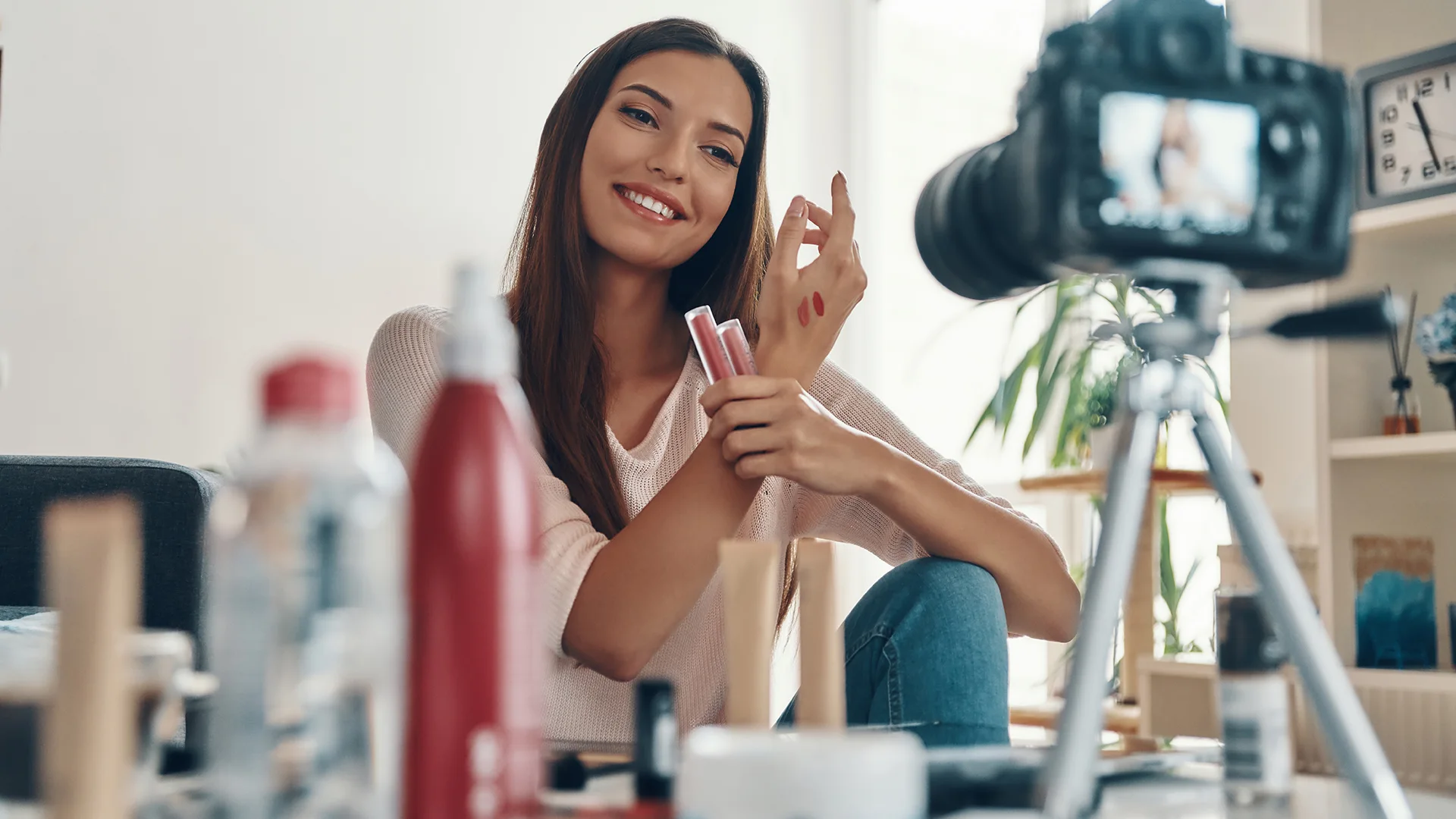
AI influencer marketing ethics are under scrutiny as automation and synthetic media blur the lines between genuine influence and manufactured engagement. The risk is clear: audiences expect authenticity, and AI-driven campaigns can erode influencer trust if audiences feel manipulated. Deepfakes, undisclosed AI-generated content, and automated interactions all raise questions about what’s real and what’s staged. If brands cut corners here, they risk backlash and long-term brand damage.
Transparency in marketing is non-negotiable. Audiences and regulators demand clarity on when AI is used—whether it’s generating content, simulating influencer endorsements, or automating responses. Disclosures must be explicit, not buried in fine print. This isn’t just about ticking compliance boxes; it’s about safeguarding the credibility of both brand and influencer. Transparent practices directly support influencer trust and set a higher bar for the industry.
Ethical AI use extends to how compensation models are structured. AI can optimise campaign spend and performance, but it must not be used to squeeze influencer fees unfairly or automate away human value. Brands should ensure that AI-driven efficiencies don’t come at the cost of fair pay or creative credit. Responsible adoption means aligning incentives, not just maximising margin.
Guidelines for responsible AI adoption start with clear governance: set boundaries on what AI can and cannot do in influencer partnerships. Regular audits, open communication with talent, and proactive compliance with evolving regulations are essential. Senior marketers should view ethical AI as a commercial imperative, not a compliance afterthought. The brands that get this right will shape the standards for AI marketing ethics—and build deeper trust with audiences and creators alike.
AI influencer marketing use cases aren’t universal—they’re situational. If your campaign demands rapid scaling across geographies, languages, or demographics, AI’s automation and data processing become assets. Brands with high SKU counts, frequent launches, or complex segmentation benefit most. If your influencer marketing strategy hinges on speed, precision targeting, and operational efficiency, AI-driven approaches outperform manual workflows.
Manual influencer campaigns still have a place: niche activations, luxury positioning, or when relationship-building is the endgame. Human-led efforts excel at nuance, creative collaboration, and forging long-term partnerships. But when volume, velocity, or analytics depth are critical, AI-powered automated campaign management delivers. It’s not about replacing humans; it’s about redeploying them to higher-value creative or strategic work while AI handles the heavy lifting.
Consumer tech, beauty, fashion, and CPG brands—sectors where product cycles move fast and audiences are fragmented—see the clearest marketing automation benefits. Multi-market campaigns, especially those requiring localised content at scale, are prime candidates. If your brand’s challenge is orchestration, not just inspiration, AI influencer marketing use cases multiply. But for prestige brands or campaigns trading on exclusivity, human-only execution still wins.
Assess readiness by looking at your data infrastructure, internal expertise, and appetite for automation. If your team is already struggling to manage influencer complexity or reporting, the transition to AI is overdue. If you’re running small, relationship-driven campaigns with high creative stakes, manual remains the smarter play. The most effective marketers know when to automate—and when to stay hands-on.
AI influencer marketing myths persist because the technology is still misunderstood by many decision-makers. One persistent misconception is that AI-driven campaigns are fully automated, requiring little to no human oversight. In reality, while AI accelerates data analysis and streamlines influencer selection, it does not eliminate the need for strategic input or creative judgment. Another myth is that AI-powered platforms are only suitable for large-scale, impersonal campaigns. The fact is, AI can identify niche audiences and micro-influencers just as effectively, often outperforming manual processes in precision and speed.
There’s a stubborn belief that AI strips campaigns of originality, reducing content to algorithmic sameness. This is a fundamental misunderstanding of how the best teams use AI. The technology handles the heavy lifting—trend spotting, performance forecasting, and workflow automation—freeing human creators to focus on ideation and storytelling. The most effective campaigns leverage AI as a force multiplier, not a creative replacement. Human insight remains essential for interpreting context, cultural nuance, and brand voice—areas where algorithms still fall short.
Another challenge is the fear that adopting AI will erode team roles or diminish control over campaign outcomes. In practice, AI augments human expertise, enabling teams to operate at greater scale and with sharper insights. The key is education: stakeholders must see AI not as a threat, but as a tool to amplify results and reduce repetitive grunt work. Training sessions, pilot projects, and clear communication about AI marketing facts are essential to shift mindsets and address lingering influencer marketing challenges.
AI influencer marketing myths are a barrier to progress, not a reflection of reality. Brands that move past misconceptions and invest in upskilling their teams will find that AI is less about replacement and more about unlocking new creative and commercial possibilities.
AI is not just a new tool in the influencer marketing arsenal—it is reshaping the entire discipline. The influencer marketing definition is evolving, no longer limited to human personalities and organic reach. AI in digital marketing now enables brands to identify, activate, and measure influencer partnerships at a scale and precision that was previously impossible. Automation has streamlined campaign management, surfaced new forms of synthetic talent, and allowed for more granular targeting and performance analysis. But effectiveness is not guaranteed by technology alone.
The real value emerges when AI-driven efficiencies are balanced with creative judgment. Human insight remains essential for crafting narratives that resonate, selecting partnerships that align with brand values, and navigating the nuances of cultural context. AI can optimise for reach, frequency, and engagement, but it cannot replace the intuition that comes from lived experience and deep audience understanding. Brands that treat AI as a force multiplier—rather than a creative substitute—will unlock the best results.
Yet, as AI’s influence in influencer marketing grows, so do the ethical stakes. Issues of transparency, authenticity, and consent are not theoretical—they are operational realities. Brands must take responsibility for ethical AI use, ensuring that automation does not erode trust or compromise the integrity of partnerships. This is not just a compliance issue; it is central to long-term brand equity and audience loyalty. The future of AI influencer marketing will be defined not by how advanced the tools become, but by how thoughtfully they are deployed.
For senior marketers and creative leaders, the imperative is clear: leverage AI to drive efficiency and insight, but never at the expense of creative integrity or ethical standards. The brands that succeed will be those that master both the mechanics and the meaning of influence in the age of intelligent automation.
AI influencer marketing refers to the use of artificial intelligence to identify, evaluate, and manage influencer partnerships. It automates processes like audience analysis, content matching, and performance tracking, making influencer campaigns more precise and scalable. The significance lies in its ability to reduce guesswork and deliver measurable results at speed and scale.
AI enhances influencer marketing by analyzing vast data sets to predict which creators will drive the highest ROI. It optimizes content distribution, personalizes messaging, and tracks real-time performance. The result is sharper targeting, less waste, and campaigns that adapt dynamically to what’s actually working, not just what was planned.
AI tools give marketers a commercial edge: faster influencer discovery, data-backed vetting, and automated reporting. They cut manual hours, reduce human bias, and surface insights that would otherwise be missed. The bottom line is improved efficiency, better campaign outcomes, and the ability to scale efforts without scaling headcount.
AI systems scan creator databases, audience demographics, and engagement patterns to shortlist influencers who align with brand goals. They flag suspicious activity, fake followers, and brand safety risks. This means brands spend less time searching and more time negotiating with partners who actually move the needle.
Brands must address transparency, data privacy, and disclosure when deploying AI in influencer campaigns. Automated decisions need oversight to avoid bias or misrepresentation. Best practice is to be clear about AI’s role in selection and monitoring, and to respect both influencer and audience rights throughout the process.
AI is most effective for large-scale or multi-market campaigns where manual management would be inefficient. It’s also valuable when speed to market, rapid optimization, or granular targeting is required. For highly bespoke partnerships, human judgment still leads, but AI can sharpen the shortlist and streamline admin.
A common myth is that AI replaces human creativity or relationship-building. In reality, AI is a tool for decision support, not a substitute for strategic thinking. Another misconception is that AI only benefits big brands—smaller teams can also leverage AI to punch above their weight with smarter resource allocation.









LEAVE A COMMENT
Your email address will not be published.