- HOME
- FOR CLIENTS
- FOR FREELANCERS
- LOGIN
BLOG
New user? Create account
New user? Create account


Varun Katyal is the Founder & CEO of Clapboard and a former Creative Director at Ogilvy, with 15+ years of experience across advertising, branded content, and film production. He built Clapboard after seeing firsthand that the industry’s traditional ways of sourcing talent, structuring teams, and delivering creative work were no longer built for the volume, velocity, and complexity of modern content. Clapboard is his answer — a video-first creative operating system that brings together a curated talent marketplace, managed production services, and an AI- and automation-powered layer into a single ecosystem for advertising, branded content, and film. It is designed for a market where brands need content at a scale, speed, and level of specialization that legacy agencies and generic freelance platforms were never built to deliver. The thinking, frameworks, and editorial perspective behind this blog are shaped by Varun’s experience across both the agency world and the emerging platform-led future of creative production. LinkedIn: https://www.linkedin.com/in/varun-katyal-clapboard/
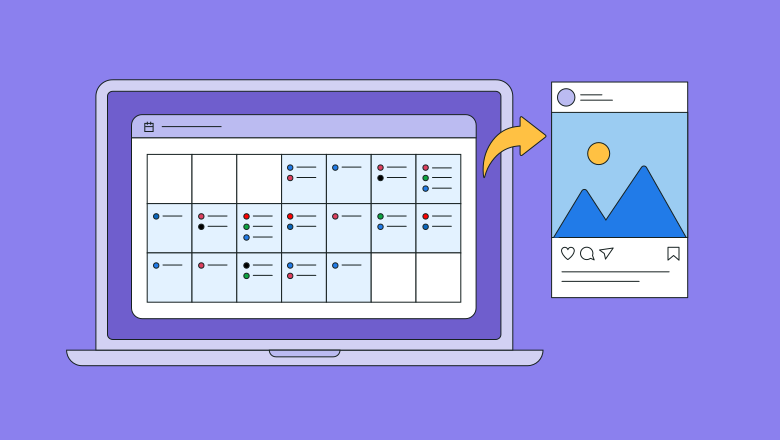
Content calendar creation is the deliberate process of mapping out what content gets produced, when, and for which channels—across a defined time horizon. It is not a decorative spreadsheet or a ‘nice-to-have’ admin exercise. At its core, it’s a strategic function: aligning creative output with commercial priorities, resource constraints, and distribution realities. A content calendar is a living document, not a static archive. It should actively surface gaps, dependencies, and risks before they become costly problems. The purpose is simple: to replace chaos with clarity, enabling teams to execute with intent and measure impact, not just activity.
Every effective content calendar—whether for a single campaign or a year’s worth of programming—shares certain non-negotiable elements. First is the content scheduling layer: clear publishing dates, deadlines, and review cycles. Next, the editorial calendar dimension: themes, topics, and messaging mapped to business objectives. Asset tracking is critical—knowing what’s in production, what’s approved, and what’s ready for release. Ownership and accountability must be explicit; vague responsibility is a recipe for missed launches. Finally, distribution details: which channels, formats, and amplification tactics are assigned to each asset. Without these, you’re not managing a calendar; you’re managing a to-do list.
Not all calendars are created equal. Editorial calendars focus on narrative cohesion and brand voice—ideal for content teams managing blogs, thought leadership, or publications. Social calendars are built for velocity and agility, tracking daily posts, reactive content, and platform-specific nuances. Campaign planning calendars sit at the intersection of creative and commercial, integrating launch dates, channel mixes, and cross-functional dependencies. The format matters less than the discipline: some teams thrive with a spreadsheet, others need project management tools or custom software to handle complexity and scale. The key is fit-for-purpose design—one size never works for long.
Effective content calendar creation is about more than filling boxes. It is the operational backbone of any serious content production workflow, ensuring every asset is delivered on time, on brand, and on strategy. Senior teams that treat the calendar as a living, decision-driving tool—not a reporting artefact—gain the clarity and control needed to drive measurable business impact.
Content calendar creation is now a baseline discipline for any team serious about digital marketing planning and content strategy. The days of improvisational posting are gone. Audiences expect consistency, brands need alignment, and leadership demands results. A robust calendar doesn’t just keep teams organized; it’s the operational backbone that connects creative ambition to commercial outcomes. When content output is mapped against business objectives, every asset has a defined role—no more wasted effort, no more campaign drift.
Content calendar creation has evolved from a simple scheduling tool to a strategic lever. In early digital marketing, “calendar” meant a spreadsheet with publish dates. Today, it’s a dynamic framework that integrates campaign themes, distribution channels, and performance benchmarks. The modern calendar is a live document—responsive to market shifts, audience insights, and cross-functional input. It’s not about filling slots; it’s about orchestrating narratives that drive measurable impact across touchpoints.
Without a content calendar, teams default to reactive mode. This leads to missed deadlines, duplicated efforts, and creative burnout. Ideas get lost in email threads or buried in Slack. Stakeholders lose visibility, and priorities blur. The result? Disconnected messaging, inconsistent branding, and campaigns that underperform. In high-velocity environments, the absence of a calendar amplifies chaos. Teams waste energy on status updates instead of execution. Frustration mounts, and organizational trust erodes.
For high-performing teams, a content calendar is more than a scheduling tool—it’s a force multiplier. It aligns marketing with business goals, clarifies ownership, and enables smarter resource allocation. With a shared calendar, creative, strategy, and distribution teams operate from a single source of truth. This reduces friction and unlocks true team collaboration. Performance data can be mapped directly to planned activities, turning anecdotal wins into repeatable playbooks. The feedback loop tightens, and the ROI of every asset is tracked, analyzed, and optimized.
Calendar discipline also solves common pain points: content gaps, last-minute scrambles, and misaligned messaging. By mapping content against key business dates and campaign cycles, teams can anticipate needs, allocate budgets more effectively, and avoid bottlenecks. This is where content strategy meets operational excellence. The result isn’t just more content—it’s content that lands, converts, and compounds value over time.
Modern marketing teams don’t have the luxury of “winging it.” Content calendar creation is now a non-negotiable for anyone looking to scale, measure, and improve content ROI. It’s the difference between activity and impact. In a landscape defined by noise, only the disciplined will cut through.
Every effective content calendar starts with clarity—on objectives, audience, and available resources. If you don’t know what you’re aiming to achieve, or who you’re trying to reach, the rest is just noise. Define business goals first. Are you driving demand, building brand, or supporting retention? Next, get granular about your audience. Segment by market, behaviour, and platform usage. Then, audit your resources: budget, talent, and time. This isn’t theory—misjudging resourcing is the fastest route to a calendar that collapses under its own weight. Once you have these foundations, move to content themes. Pin down what matters to your audience and aligns with your goals. This is where you translate strategy into topics and formats that will actually get made and distributed (Evoke Strategy, 2024).
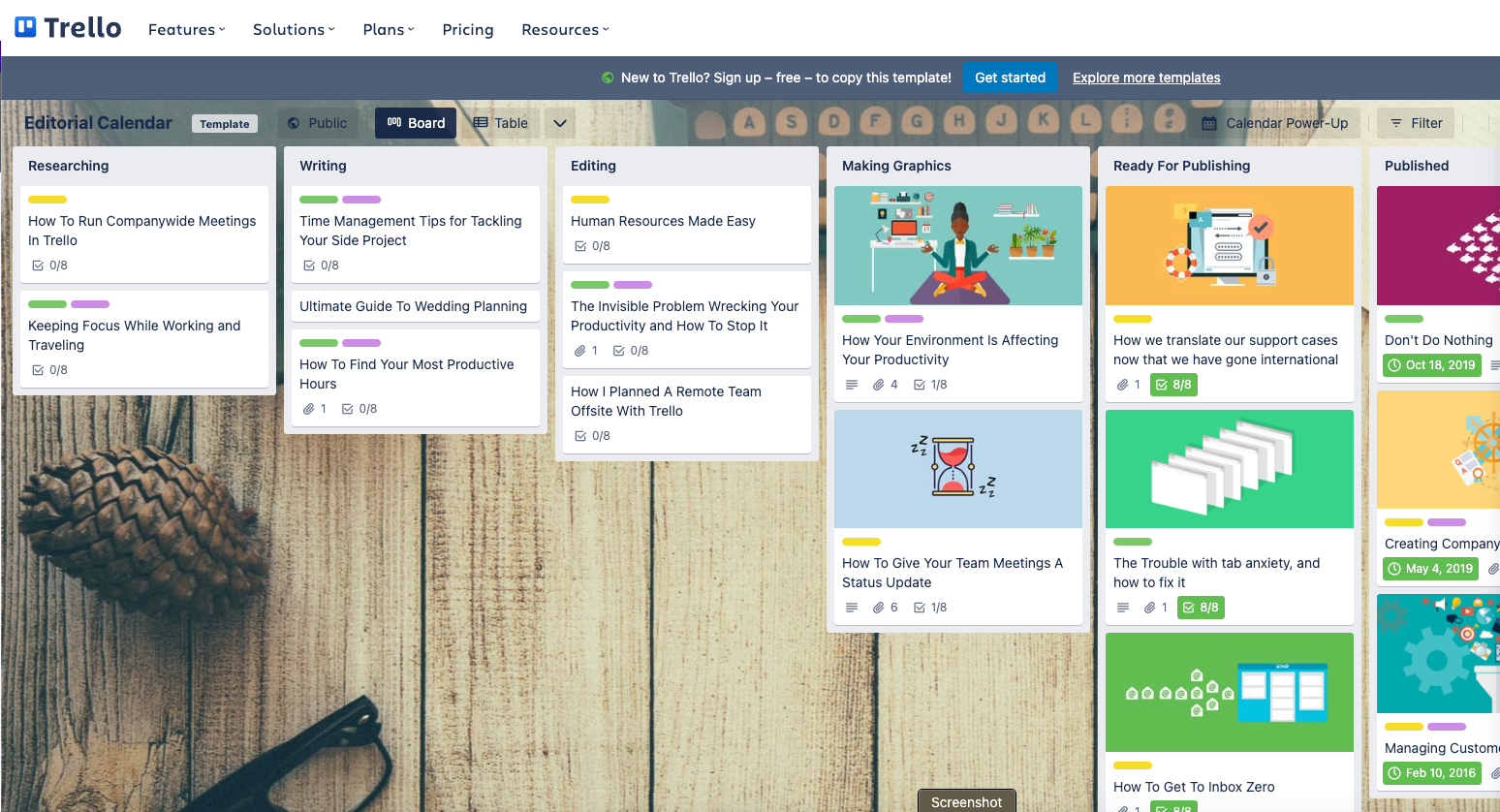
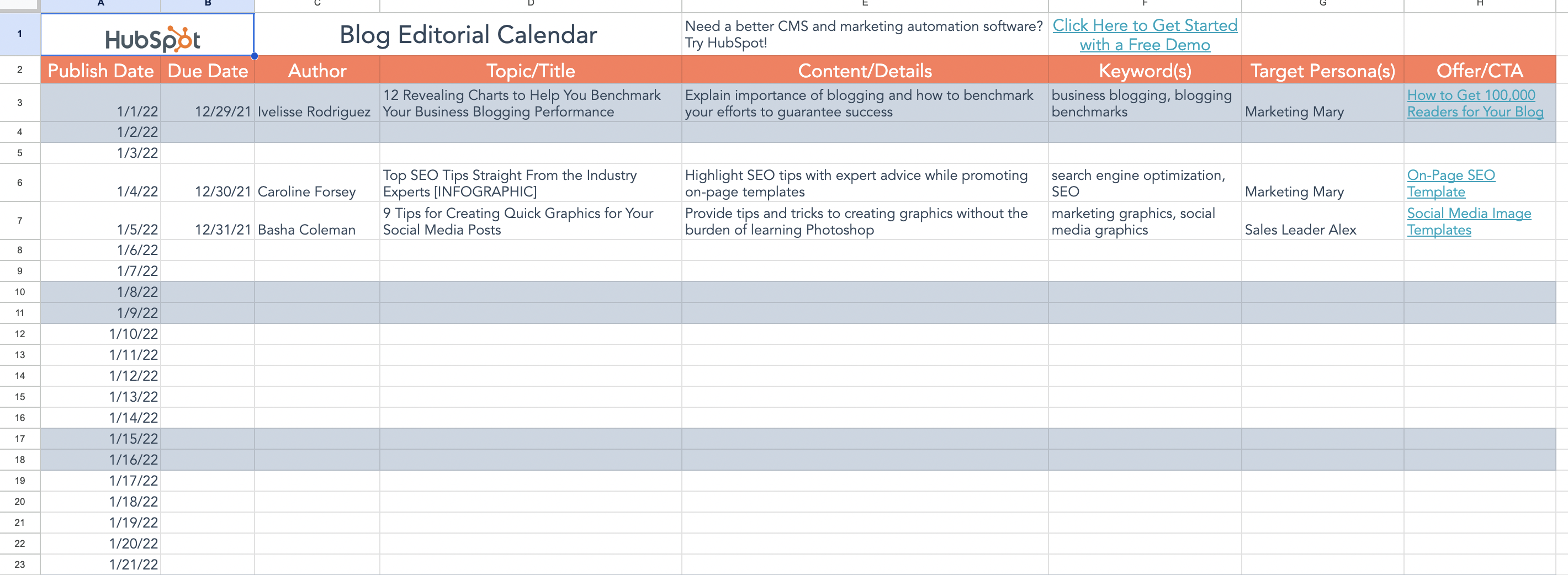
Choosing your calendar format isn’t about what’s trendy—it’s about what your team will actually use. Spreadsheets, dedicated project management tools, or custom dashboards: the right answer depends on your workflow complexity, team size, and integration needs. At minimum, your content calendar template should capture the essentials: content title or topic, publish date and time, owner or assignee, channel or platform, and a message snippet or link to the full draft (Work with Opal, 2024). If you’re operating across multiple markets or languages, factor in localization fields and approval columns. Build for transparency and accountability—no more guessing who owns what, or when it’s due. If you’re not sure where to start, map your current process and look for where things break down. The best tool is the one that eliminates friction, not adds it.
Workflow setup is where most calendars fail in practice. List every content type—video, blog, social, email. For each, outline the full production and approval journey. That means initial draft, internal review, editing, legal/compliance if needed, final approval, and publishing. Assign clear roles and deadlines at every stage. This isn’t bureaucracy; it’s insurance against bottlenecks and missed launches. Build in checkpoints for feedback, and clarify who has the authority to sign off. If you’re working with external partners or clients, codify how and when their input is required. Don’t forget to schedule regular reviews of the calendar itself—market conditions, campaign pivots, and resource changes mean your plan is always a living document. The outcome is a calendar that doesn’t just look good in a meeting, but actually drives execution.
Scaling content planning steps from a single market to multi-market or multi-channel campaigns isn’t just about more rows on a spreadsheet. It’s about systematising your process so it survives real-world pressure. Use your content calendar template as a single source of truth, not a static document. Integrate it with your content ideation process, campaign tracking, and analytics. Automate where you can, but never at the expense of clarity. The goal: a workflow setup that surfaces problems early and keeps teams aligned, even as complexity grows. That’s how to build a content calendar that delivers results, not just reports.
Choosing the right content calendar tools is a commercial decision with operational consequences. The tool you select will dictate the rhythm of your content operation, impact team velocity, and either amplify or undermine your ability to scale. Too many teams confuse aesthetics with effectiveness—what matters is frictionless distribution, clear accountability, and adaptability to evolving campaign demands.
Start with the core criteria: cost, integrations, scalability, and the depth of collaboration features. Budget is a constraint, but the real cost is time lost to inefficiency. Integrations with your existing project management software and collaboration platforms are non-negotiable for teams running multi-channel campaigns. Scalability is the acid test—will the tool still work when your team doubles or your content volume triples?
Dedicated marketing calendars like CoSchedule are designed for content-heavy teams, offering social integration, workflow templates, and a unified view across channels. They outperform generalist project management tools on campaign coordination and visibility, especially when you need to align social, blog, and email in one place (Guideflow, 2026). But they come at a premium, and the feature set can be overkill for lean teams or static content strategies.
Spreadsheets are the default for small teams and solo operators—cheap, flexible, and instantly deployable. They shine when the content volume is low and the team is tight-knit. But as soon as you introduce multiple contributors, complex approval chains, or cross-channel distribution, spreadsheets unravel. Manual updates become a time sink, version control turns into a liability, and strategic alignment is lost in a tangle of tabs (BriefSmith).
Specialized content calendar tools centralize briefs, drafts, and deadlines. They automate reminders, enable real-time collaboration, and lock in process consistency. The trade-off? Higher upfront cost, onboarding time, and the risk of over-engineering for teams that don’t need the full stack. The decision isn’t about features—it’s about matching the tool to your current and future workflow.
For teams managing real campaign volume, look for automation (recurring tasks, deadline nudges), granular permissions, and robust integrations with your distribution stack. Real-time collaboration is table stakes; anything less creates bottlenecks. Strategy integration—linking goals, briefs, and performance metrics to the calendar—separates tactical scheduling from true campaign management. If your tool can’t surface the “why” behind every content piece, it’s just a glorified to-do list.
Evaluate how the tool handles multi-market complexity: can it localize content, manage staggered launches, and provide visibility for both central and regional teams? Scalability isn’t just about user seats—it’s about process resilience as your content machine grows.
If your team is spending more time updating the calendar than executing content, or if missed deadlines and duplicate work are creeping in, you’ve outgrown spreadsheets. The tipping point is usually operational chaos: version confusion, lost briefs, and a lack of strategic oversight. That’s when specialized content calendar tools deliver ROI—by restoring order, accelerating collaboration, and making campaign performance visible in real time.
Don’t wait for a crisis. Audit your workflow quarterly. As soon as your calendar becomes a bottleneck, not a launchpad, it’s time to move up the stack. For a deeper dive, see our best content calendar tools and project management comparison guides.
Content calendar creation is where strategic intent becomes operational reality. For senior marketers, it’s not about filling slots—it’s about orchestrating the right content types across the right channels, with timing that matches business rhythms. The editorial calendar is both map and engine, translating objectives into a sequence of actions that drive measurable outcomes.
Not every content type belongs everywhere. Long-form editorial is wasted on Instagram Stories, just as snappy video loses momentum buried in a whitepaper. Effective editorial planning starts by pairing each asset—blog, video, social post—with the channel where it can perform. Video thrives on platforms that reward engagement and shareability; blogs build authority on owned domains and LinkedIn; thought leadership finds its mark in newsletters and industry forums. The discipline is in matching content strengths to channel mechanics, not just defaulting to a one-size-fits-all blast.
Multi-channel marketing isn’t about repetition; it’s about adaptation. Repurpose, don’t recycle. A campaign video can be split for Instagram Reels, embedded in email, and cut for YouTube Shorts. Each format serves a specific audience behaviour and intent. The content calendar’s job is to map these variants, ensuring every channel is fed with contextually relevant material—maximising reach without diluting message.
Distribution timing is as critical as the content itself. B2B audiences engage during working hours; consumer campaigns peak evenings and weekends. Product launches demand concentrated bursts, while evergreen content benefits from steady cadence. The calendar should reflect these realities: schedule high-value assets for optimal windows, cluster campaign content for impact, and use analytics to spot when engagement surges or lags.
Frequency is not a vanity metric. It’s a lever for relevance and recall. Too much, and you risk fatigue; too little, and you’re forgotten. The most effective content distribution strategy is built on pattern recognition—testing, learning, and recalibrating based on real audience behaviour. Editorial planning is a living process, not a set-and-forget exercise.
Campaigns are the stress test for any content calendar. They demand coordination: synchronising creative drops, aligning with paid media, and sequencing content to build narrative momentum. This means plotting campaign bursts alongside always-on content, ensuring neither cannibalises the other. Multi-channel content planning requires visibility across teams and disciplines—production, media, analytics—so every asset lands with intent, not by accident.
Adaptability is non-negotiable. Priorities shift, feedback loops tighten, and market conditions change. The best calendars are structured but never rigid. They allow for tactical pivots without losing sight of the strategic north star.
Data closes the loop between strategy and execution. Every content calendar should be built to learn. Track performance by content type, channel, and timing—then feed those insights back into the planning cycle. If a video series underperforms on Facebook but overdelivers on LinkedIn, reallocate future drops accordingly. If campaign bursts yield diminishing returns, experiment with frequency or sequencing. The point isn’t perfection on day one—it’s compounding effectiveness over time.
In high-velocity markets, editorial planning is a discipline of iteration. Content calendar creation is the framework that turns intent into impact—mapping what matters, where it matters, when it matters most.
The most costly content calendar mistakes are rarely technical—they’re strategic. Overcomplicating the calendar with excessive detail turns it into a bureaucratic maze. The result: teams spend more time maintaining the calendar than executing. On the other end, oversimplifying leads to missed dependencies, untracked assets, and a lack of accountability. Both extremes signal a misunderstanding of what a content calendar is meant to do: enable effective, repeatable output, not just fill a template.
Another frequent error is treating the calendar as a static document. Markets move, priorities shift, and campaigns evolve. If your calendar is locked in stone, you’re setting yourself up for irrelevance. Failure to update or iterate the calendar—especially after campaign retrospectives—means you’ll repeat the same missteps, and your team will lose trust in the process.
Ignoring cross-team communication is the silent killer of editorial workflow. When marketing, creative, and distribution operate in silos, content plans become disconnected from broader business objectives. This breeds duplicated effort, missed deadlines, and messaging that falls flat. A calendar that isn’t visible and actionable across teams isn’t a workflow tool; it’s just a spreadsheet.
The most resilient editorial calendars are designed for change. Build in review cycles—monthly at minimum—to assess what’s working and what isn’t. Don’t just track dates and deliverables; embed checkpoints for campaign performance and stakeholder feedback. This transforms the calendar from a schedule into a living asset that reflects real-world performance, not just planned intentions.
Flexibility is not about chaos. It’s about having clear escalation paths for when priorities shift. For example, allocate buffer slots for opportunistic content or last-minute pivots. If a major industry event breaks, your process shouldn’t break with it. A well-structured calendar can absorb shocks without derailing the entire editorial workflow. For more, see our guide to content calendar best practices.
Alignment isn’t a one-off kickoff meeting. It’s an ongoing discipline. The biggest editorial workflow errors stem from assuming everyone has the same context. Regular check-ins—whether weekly standups or asynchronous updates—surface blockers before they escalate. Make the calendar the single source of truth, but ensure it’s actually used: integrate it with project management tools, not just shared drives.
Define clear ownership for each stage of content production. When accountability is diffuse, deadlines slip and quality drops. Build in mechanisms for feedback and sign-off at every major milestone. This isn’t about micromanagement; it’s about ensuring the right eyes are on the right work at the right time.
Finally, don’t conflate alignment with rigidity. A high-functioning team knows how to adapt without losing sight of the strategy. That’s only possible when the calendar is transparent, dynamic, and rooted in real business objectives. If you’re experiencing persistent issues, refer to our troubleshooting content workflows resource for targeted solutions.
Content calendar KPIs are not vanity metrics. They are the difference between a strategic operation and a scattershot effort. Senior marketers know that if you can’t measure it, you can’t manage it—and you certainly can’t optimise it. That’s why every content calendar must be built with performance metrics at its core, not as an afterthought. The right analytics framework turns your calendar from a publishing schedule into a business asset.
Start with the fundamentals. Consistency is your first KPI: did you deliver on the planned schedule, or did gaps emerge? Next, engagement. Are audiences interacting—comments, shares, watch time, repeat views—or is content being ignored? Reach matters, but only as a directional input. The real signal comes from actions that indicate value: click-throughs, conversions, and lead quality. These are the metrics that connect creative output to commercial outcomes. If your calendar isn’t moving these needles, it’s not performing.
Relying on native platform analytics is the bare minimum. For multi-market or multi-channel campaigns, that’s not enough. Invest in unified dashboards that aggregate performance metrics across platforms—think business intelligence tools, not just social schedulers. Integrate content analytics with CRM and sales data to close the loop on ROI measurement. Attribution isn’t perfect, but it’s non-negotiable. The most effective teams automate reporting, surfacing calendar-driven insights in real time so pivots aren’t delayed by manual data pulls. For deeper dives, cohort analysis and custom event tracking reveal which content types and timings actually drive business results.
Performance review loops are where the real value emerges. Don’t just report on what happened—interrogate why. Which formats consistently outperform? Where are the drop-offs? Is there a pattern to underperformance tied to timing, channel, or creative execution? Use these findings to inform your next calendar cycle. A disciplined post-mortem process, run monthly or quarterly, closes the feedback loop and prevents repetition of mistakes.
Know when to pivot. If your analytics show persistent underperformance, don’t double down on the calendar for its own sake. Kill what’s not working, redeploy resources to proven winners, and test new formats with controlled risk. Stubborn adherence to the plan is the enemy of effectiveness.
The bottom line: content calendar KPIs are a management tool, not a box-ticking exercise. Used properly, they sharpen creative, focus spend, and drive measurable growth. For leaders who treat content as a business lever, analytics are the only compass that matters. For more on actionable frameworks, see our guide to measuring content performance and practical analytics for marketing teams.
Content calendar creation for [industry] is never a one-size-fits-all exercise. The rhythm, approval cycles, and even the definition of “content” shift dramatically from sector to sector. In retail, velocity matters—campaigns are built around launches, trends, and flash promotions. In professional services, the tempo slows. Thought leadership and credibility-building content require longer gestation, with more rigorous internal reviews. For healthcare or finance, compliance and legal teams add layers of scrutiny, extending timelines and constraining creative options. The core principle: your calendar must reflect not only what the audience expects, but what the business can actually deliver, consistently and compliantly.
B2B vs B2C content calendars are fundamentally different beasts. B2C thrives on volume, agility, and cultural relevance. Seasonal peaks, product drops, and event-driven content dominate. B2B, in contrast, is slower and more deliberate. Here, content must align with longer sales cycles, nurture sequences, and complex stakeholder journeys. Industry-specific content planning for B2B leans on case studies, whitepapers, and webinars—assets that demand deeper research and more lead time. In B2C, the focus is on immediacy and shareability: short-form video, influencer collaborations, and social-first creative. Smart strategists know when to borrow tactics across the aisle, but they never confuse the underlying logic.
Regulated industries—healthcare, finance, legal—force a unique discipline on content calendar creation for [industry]. Every asset must clear compliance, legal, and sometimes external regulatory review. That means longer lead times, more documentation, and a zero-tolerance approach to improvisation. Building in buffer periods isn’t optional; it’s survival. Approval cycles must be mapped into the calendar itself, not treated as afterthoughts. In these sectors, evergreen content often wins: it justifies the upfront investment in review and can be safely repurposed. But even here, agility can be engineered—pre-approved content banks and modular creative assets allow for faster response without regulatory risk.
Every industry has its own content seasonality. Retail and hospitality live and die by events, holidays, and trends. SaaS and tech lean into product launches, industry conferences, and funding cycles. Nonprofits and education may follow academic calendars or awareness months. Effective content calendar creation for [industry] means mapping these cycles with precision, then balancing them against evergreen content that compounds value over time. Niche marketing strategies often emerge here: micro-campaigns tied to industry-specific events, or always-on content that positions a brand as a constant authority. The key is to avoid a monoculture—over-indexing on one content type leaves you exposed when audience attention shifts.
Despite the differences, some principles of adapting content calendars cut across sectors. Ruthless prioritization—only ship what serves a clear business goal. Transparent workflows—everyone knows what’s due, when, and why. And a feedback loop that ties content performance back to planning, not just production. The most effective teams treat their content calendar as a living document, not a static plan. They borrow best practices from outside their own vertical: retail’s agility, B2B’s depth, regulated industries’ discipline. Ultimately, the best content calendar creation for [industry] is the one that’s built for its realities, not just its ambitions.
The future of content calendar creation will not reward those who simply replicate last year’s playbook. As platforms fragment, attention spans contract, and algorithms mutate, the static, quarter-ahead spreadsheet is already obsolete. Senior marketers and creative leads need a dynamic, adaptive approach—one that leverages automation, integrates AI-driven content planning, and anticipates emerging marketing trends before they hit mainstream adoption.
AI is not a gimmick in this context—it’s a force multiplier. Content calendar automation powered by machine learning can now surface optimal publishing windows, flag underperforming assets, and even suggest creative pivots based on real-time data. AI-driven content planning tools ingest audience signals and platform shifts at scale, enabling marketers to spot opportunities or threats before they’re visible to the naked eye. This isn’t about outsourcing strategy to a black box; it’s about augmenting human judgment with predictive analytics and rapid scenario modeling. The teams winning here are those who build AI into their workflow, not as a bolt-on, but as a foundational layer for decision-making.
Agility is now a baseline requirement. Static calendars are brittle—one trend, one platform tweak, and they snap. The most effective teams structure their calendars as living documents, with built-in flex points for rapid response and iteration. That means shorter planning cycles, modular content assets, and pre-approved creative guardrails. The process must support real-time collaboration and fast pivots, not just in response to crises, but to capitalise on fleeting moments or micro-trends. Automation here isn’t just about efficiency; it’s about enabling speed without sacrificing oversight or brand coherence. For a deeper dive, see our guide on automating content calendars.
Emerging marketing trends are rarely polite enough to announce themselves. New content formats—vertical video, interactive live streams, AI-generated visuals—can rapidly change the calculus of what works and what doesn’t. Future-proofing your content calendar means building in capacity for experimentation: test budgets, rapid prototyping cycles, and a culture that values learning velocity over perfection. It also means investing in ongoing skills development across creative, data, and platform-specific capabilities. The marketers who thrive are those who treat process evolution as a constant, not a quarterly project. For more on where the industry is heading, explore our analysis of trends in content marketing.
Ultimately, the future of content calendar creation belongs to those who blend automation, agility, and anticipation. The tools are evolving, but so are the rules of engagement. Senior leaders must set the tone: build processes that adapt as fast as the platforms do, and your content will stay relevant—no matter how the landscape shifts.
A well-built content calendar is not a tactical accessory—it’s a strategic lever. In an environment where digital marketing planning is measured in outcomes, not activity, a content calendar aligns creative ambition with business priorities. It brings structure to what is often chaos, translating an organization’s content strategy into a visible, actionable roadmap.
The impact on organizational efficiency is immediate and tangible. When teams operate from a shared, central calendar, duplication drops, bottlenecks surface early, and deadlines become non-negotiable. Team collaboration stops being an aspiration and becomes operational reality. Stakeholders know what’s coming, resources are allocated with intent, and creative energy is focused where it moves the needle.
Structured planning is the difference between reactive output and deliberate, data-driven publishing. It enables teams to layer in campaign launches, seasonal pushes, and opportunistic content without losing sight of the larger narrative. The calendar doesn’t just tell you what’s next—it reveals gaps, exposes overcommitments, and makes the invisible visible. This transparency is foundational for optimizing marketing workflow and for accurately measuring content performance.
Ultimately, the organizations that treat content calendars as a living, strategic tool—not a static spreadsheet—are the ones that consistently see measurable ROI. Their content strategy is more than a collection of ideas; it’s a disciplined system, built for scale, impact, and clarity in a market that rewards both speed and precision.
A content calendar is a strategic planning tool that maps out what content will be published, when, and where. Its purpose is to bring structure, visibility, and accountability to content production and distribution—ensuring campaigns align with business objectives and key moments in the market.
Start by defining your campaign goals, target audiences, and key distribution channels. Map out major dates, product launches, and relevant industry events. Assign content formats, owners, and deadlines. Use a clear framework—weekly, monthly, or campaign-based—then review and adjust regularly based on performance and capacity.
A content calendar drives discipline and predictability in content output. It prevents last-minute scrambles, aligns teams around shared priorities, and enables proactive resource allocation. For senior marketers, it’s a lever for operational efficiency and campaign consistency, especially across multiple markets or channels.
Options range from simple spreadsheets to dedicated platforms like Trello, Asana, or Airtable. The right tool depends on your team’s scale, workflow complexity, and integration needs. Prioritize tools that offer clear visibility, easy collaboration, and the flexibility to adapt as campaign requirements evolve.
A well-managed content calendar centralizes information, clarifies ownership, and synchronizes deadlines. This transparency reduces friction between creative, production, and distribution teams. It also enables real-time adjustments and ensures everyone is working from the same playbook, especially in fast-moving environments.
Don’t overcomplicate with unnecessary detail or under-resource key deadlines. Avoid ignoring feedback loops—calendars should be living documents, not static plans. Failing to align with business priorities, neglecting cross-channel dependencies, and not building in review cycles are frequent pitfalls that undermine effectiveness.
Track delivery rates, campaign timeliness, and alignment with business objectives. Monitor engagement metrics, content velocity, and resource utilization. Success is measured by how reliably the calendar drives output, supports agility, and delivers measurable results against your marketing goals.




Clapboard at a Glance – A Video-First Creative EcosystemAt its core, Clapboard is a video-first creative platform and creative services marketplace that supports end-to-end production. It is built specifically for advertising, branded content, and film—where stakes are high, teams are complex, and outcomes need to be predictable.Traditional platforms treat creative work as isolated tasks. Clapboard is designed as an ecosystem: a managed marketplace where discovery, collaboration, production workflows, and delivery coexist in one environment. This structure better reflects the reality of modern creative production, where strategy, creative, production, post-production, and performance are tightly interlinked.As an advertising and film production platform, Clapboard supports:Brand campaigns and integrated advertisingBranded content and social videoProduct, launch, and explainer videosFilm, episodic content, and long-form storytellingInstead of forcing marketers or producers to choose between agencies, in-house teams, or scattered freelancers, Clapboard operates as a hybrid ecosystem. It combines a curated talent marketplace, managed creative services, and an AI + automation layer that accelerates workflows while preserving creative judgment.In other words: Clapboard is infrastructure for modern creative production, not just another place to post a brief. The Problem Clapboard Solves in Modern Creative ProductionThe creative industry has evolved faster than its infrastructure. Media channels have multiplied, content volume has exploded, and expectations for speed and personalization keep rising. Yet most systems for hiring creatives, running campaigns, and producing video remain stuck in legacy models.Clapboard exists to address four core creative production challenges that consistently slow down serious marketing and storytelling work.Fragmentation Between Freelancers, Agencies, and Production HousesCreative production today is fragmented acro

The Problem for Marketers & Brand TeamsFinding Reliable Creative Talent Is Slow and UncertainFor marketers and brand teams, the first visible friction is simply trying to hire creative talent that can consistently deliver. The internet is full of portfolios, reels, and profiles. Yet discovering reliable advertising creatives remains slow and uncertain.Discovery itself takes time. Marketers scroll through platforms, ask for referrals, post briefs, and sift through applications. Even with sophisticated search filters, there is no simple way to understand who has the right experience, who works well in teams, or who can operate at the pace and rigor modern campaigns demand.Quality is inconsistent, not because talent is lacking, but because the context around that talent is missing. A beautiful case study says little about how smoothly the project ran, how many revisions it required, or how the creative collaboration actually felt. Past work is not a guaranteed indicator of future delivery, especially when that work was produced under different conditions, with different teammates, or with heavy agency support in the background.Marketers are forced to rely on proxies—visual polish, brand logos on portfolios, testimonials written once in a different context. These signals are weak predictors when you need a specific output, at a specific quality level, with clear constraints on time and budget.The reality is that most marketing leaders don’t just need to hire creative talent. They need access to reliable creative teams that can handle complex scopes and adapt to evolving briefs. Yet the market still presents talent as individuals, leaving brand teams to stitch together their own ad hoc groups with uncertain outcomes.Traditional Agencies Are Expensive, Slow, and OpaqueIn response to this uncertainty, many marketers fall back on traditional agencies. Agencies promise full-service coverage: strategy, creative, production, and account management under one roof. But READ FULL ARTICLE

Video Is No Longer “One Service” — It Is the Spine of Brand CommunicationHistorically, “video” appeared as a single line in a scope of work or rate card: one of many services alongside design, copywriting, or social media management. That framing is now obsolete.Today, a single film can power an entire video content ecosystem:A hero brand film becomes TV, OTT, and digital ads.Those ads are cut down into short-form social content, stories, and reels.Behind-the-scenes footage becomes recruitment films and culture assets.Still frames pulled from footage become campaign photography.Scripts and narratives are re-used across web, CRM, and sales decks.Integrated video campaigns are now the default. Brand teams increasingly build backwards from a core film concept: first define what the main piece of video must achieve, then derive all other forms from that spine.In this model, video influences how the brand is perceived at every touchpoint. The look, sound, and rhythm of the film define what “on-brand” means. Visual identity systems, tone of voice, and even product storytelling often follow decisions first made in video.Thinking of video as a single deliverable hides its true role: it is the structural backbone of brand communication, not just another asset. How Most Marketplaces Get Video WrongVideo Treated as a Line Item, Not a SystemMost freelance and creative marketplaces were not built for video. They were originally optimized for graphic design, static content, or one-to-one gigs. Video was added later as another category in a long list of services.That leads to predictable freelance marketplace limitations when it comes to film and content production:“Video” buried in service menusVideo is often just one checkbox among dozens. There is little recognition that an ad film is fundamentally different from a logo design or blog post in terms of complexity, risk, and orchestration.Same workflow assumed for design, copy, and filmMost platforms apply the same chatREAD FULL ARTICLE

What “Human + Agent Orchestration” Means at ClapboardClapboard is built on a simple but important shift in mental model: stop thinking in terms of “features” and “tools,” and start thinking in terms of teams and pipelines.In this model, AI agents and humans work as one system. Every project is a flow of decisions and tasks. The question at each step is: Who is the right entity to handle this—human or agent—and when?This is what we mean by AI agent orchestration:Tasks are routed to the right actor at the right moment—sometimes a specialized agent, sometimes a producer, sometimes a creative director.Agents handle the structured, repeatable, data-heavy work, such as breakdowns, metadata, estimation, and workflow automation.Humans handle the subjective, contextual, and relational work, such as direction, negotiation, and final calls.Clapboard is the conductor of this system. Rather than being “an AI tool,” it functions as a creative operating system that coordinates human and agent participation end-to-end—from idea and script all the way to production and post.In practice, that means:Every brief, script, or campaign that enters Clapboard is immediately interpreted by agents for structure and intent.Those interpretations inform cost ranges, team shapes, timelines, and risk signals.Humans see the right information at the right time to make better decisions, instead of digging through fragmented files and messages.Workflow automations, powered by platforms like Make.com and n8n, take over the repetitive coordination so producers and creatives can stay focused on the work.Human + agent orchestration at Clapboard is not about cherry-picking tasks to “AI-ify.” It’s about designing the entire creative pipeline so that humans and agents function as a super-team. What AI Agents Handle on ClapboardOn Clapboard, AI agents are not generic chatbots; they are embedded workers with specific responsibilities across the creative lifecycREAD FULL ARTICLE

Why Traditional Freelance Marketplaces Fall Short for Creative ProductionTraditional freelance platforms were built around the gig economy, not around creative production. That distinction matters. Production is not “a series of tasks” — it is a pipeline where every decision upstream affects what’s possible downstream.Most of the common problems with freelance platforms in creative work come from this structural mismatch.Built for transactional gigs, not collaborative projectsGig platforms are optimised for one-to-one engagements: a logo, a banner, an edit, a script. They assume work is atomised and independent. But film and video production is collaborative by default: strategy, creative, pre-production, production, and post are all tightly connected.On generalist marketplaces, you typically have to:Source each role separately (director, editor, animator, colorist, etc.)Manually manage handovers between freelancersResolve conflicts in style, timelines, and expectations yourselfThe result is friction and inconsistency. What looks like a saving on day rates turns into higher project cost in coordination, rework, and lost time.Individual-first, not team-firstThe core unit on most freelance sites is the individual freelancer. That works for isolated tasks; it breaks for productions that require cohesive creative direction, shared context, and aligned standards.Individual-first systems create gig economy limitations for creatives and clients alike:Freelancers are incentivised to optimise for their own scope, not the entire project outcomeClients must “play producer” without internal production expertiseThere is no reliable way to hire intact, proven teams that already collaborate wellCreative production works best when you build creative teams, not disconnected individuals. Team dynamics and shared history matter as much as individual portfolios.Little accountability beyond task completionTypical freelance marketplaces define success as task delivery: the file was uploaREAD FULL ARTICLE



LEAVE A COMMENT
Your email address will not be published.