- HOME
- FOR CLIENTS
- FOR FREELANCERS
- LOGIN
BLOG
New user? Create account
New user? Create account


Varun Katyal is the Founder & CEO of Clapboard and a former Creative Director at Ogilvy, with 15+ years of experience across advertising, branded content, and film production. He built Clapboard after seeing firsthand that the industry’s traditional ways of sourcing talent, structuring teams, and delivering creative work were no longer built for the volume, velocity, and complexity of modern content. Clapboard is his answer — a video-first creative operating system that brings together a curated talent marketplace, managed production services, and an AI- and automation-powered layer into a single ecosystem for advertising, branded content, and film. It is designed for a market where brands need content at a scale, speed, and level of specialization that legacy agencies and generic freelance platforms were never built to deliver. The thinking, frameworks, and editorial perspective behind this blog are shaped by Varun’s experience across both the agency world and the emerging platform-led future of creative production. LinkedIn: https://www.linkedin.com/in/varun-katyal-clapboard/
AI in film production isn’t about replacing creative judgment—it’s about making that judgment sharper and more defensible. The days of greenlighting projects on gut feel alone are fading. Studios and production houses are now turning to AI-driven film analytics to interrogate audience data, forecast box office returns, and de-risk investment decisions. The result: decision-making that’s less speculative, more surgical, and increasingly commercial in its logic.
Predictive analytics in filmmaking are now a core tool for studios seeking to understand not just what audiences say they want, but what they’re likely to pay for. AI models ingest years of box office data, social sentiment, viewing patterns, and even macroeconomic indicators. The output isn’t just a gross estimate—it’s a probability-weighted scenario analysis that exposes both upside and downside risk. This approach allows marketers and producers to calibrate budgets, release windows, and even creative direction with a level of precision previously impossible.
Script evaluation tools powered by AI are shifting how projects get greenlit. These systems parse narrative structure, character dynamics, and thematic resonance, benchmarking scripts against historical performance data. The point isn’t to generate formulaic content—it’s to flag outliers, surface latent strengths, and identify commercial weaknesses early. For executives, this means fewer blind bets and more informed portfolio management. For creatives, it means a new set of guardrails—sometimes restrictive, but often illuminating.
AI-driven film analytics are fundamentally altering power dynamics in production. On one hand, data-driven decision making reduces the volatility that has long plagued the industry, improving ROI and lowering the incidence of costly flops. On the other, an overreliance on predictive modeling can lead to risk aversion and creative homogenization. The best operators know where to draw the line: using AI to inform, not dictate, their greenlighting calls. Creative intuition still matters—but it’s now measured against a hard-edged, data-backed reality.
Ultimately, the integration of AI in film production marks a shift from legacy guesswork to evidence-led strategy. It doesn’t eliminate risk, but it does make that risk legible—and that’s a competitive advantage. As the industry recalibrates, the winners will be those who can balance the algorithm’s clarity with the creative’s instinct. Ignore either at your peril.
AI in film production is no longer a speculative experiment—it’s a core driver of competitive advantage for those who understand its potential and limitations. What was once a novelty, limited to niche post-production tricks or marketing sizzle, has rapidly become the backbone of workflows for both major studios and independent filmmakers. This shift isn’t about chasing the next shiny tool; it’s about efficiency, scale, and creative leverage in a market where margins and timelines are under relentless pressure.
Forget the myth that artificial intelligence in filmmaking is just about deepfakes or script generators. The reality is more fundamental. AI tools now automate rotoscoping, accelerate dailies review, power real-time previsualisation, and even optimise casting through data-driven insights. These aren’t fringe use cases—they’re becoming standard practice, reducing manual hours and freeing up creative resources. On set and in post, AI is a force multiplier, not a replacement for human vision.
The economics are simple: studios face rising content demands and shrinking budgets. AI adoption in film industry workflows addresses both. Automated editing, intelligent asset management, and predictive scheduling cut overhead and reduce risk. For studios, this isn’t about replacing talent; it’s about amplifying output and ensuring that creative energy is spent where it counts. The boardroom logic is clear—if AI can deliver faster iterations and higher production value without ballooning costs, it’s a strategic imperative, not an optional upgrade.
We’ve passed the tipping point. Major productions now rely on AI-driven tools for VFX, localisation, and even audience testing. Indie filmmakers, once locked out of high-end post tools, now access AI-powered platforms that democratise capabilities once reserved for big budgets. The result: a flattening of the playing field, where creative ambition is less constrained by resources. The conversation has shifted from “should we try this?” to “how fast can we implement?”
This acceleration is also reshaping industry expectations. Investors and distributors now look for AI-driven efficiencies in pitch decks. Production teams expect AI-enhanced workflows as standard. The laggards aren’t the ones experimenting—they’re the ones ignoring the shift. The baseline for film production technology is moving, and those who don’t adapt will find themselves outpaced, not just on cost, but on creative output and audience engagement.
Ultimately, the rise of AI in film production is a story of pragmatism, not hype. The tools are maturing, the economics are compelling, and the creative upside is clear for those who know how to wield them. For anyone serious about filmmaking trends and the future of the industry, AI isn’t a side note—it’s the new standard.
AI video generation is no longer a theoretical toolset—it's actively reshaping the economics and logistics of film and media production. At its core, this technology leverages generative AI to automate content creation, from pre-visualisation to entire short-form outputs. The promise: faster turnaround, lower costs, and the ability to scale creative assets across platforms and markets. For senior marketers and creative leads, the appeal is obvious. When production timelines compress and budgets tighten, automated content creation offers a pragmatic edge—especially in high-churn, multi-market campaigns where volume and speed trump auteur flourishes.
The headline capabilities are impressive, but the cracks show quickly under scrutiny. AI video generation still stumbles on narrative and character consistency. In longer-form content, generative models often struggle to maintain coherent 3D modeling and physics—characters morph between frames, objects move in ways that break immersion, and environments can feel unstable (Digital Brew, 2025). These technical gaps aren’t minor; they directly undermine the credibility and emotional impact of the finished product. For brands and studios, this means AI is best deployed in tightly scoped, modular content—explainer videos, rapid prototyping, or visualisation—rather than anything with narrative depth or high creative stakes.
Within the creative ranks, sentiment is split. Some see generative AI in film as a production accelerant, freeing up resources for higher-value creative work. Others remain deeply skeptical, pointing to the loss of creative control and the risk of generic, soulless outputs. The key tension is creative integrity. As Kevin Lingley, executive vice president of AI at Fremantle, puts it: “Creative integrity is so important... It doesn’t matter what is used to produce content; viewers need to feel they are being engaged and entertained in the best way possible, and not being lied to” (McKinsey, 2025). This is not just an ethical stance—it’s a commercial one. Audiences can spot formulaic, AI-generated content, and their expectations for authenticity are only rising.
Despite these limitations, the industry isn’t standing still. AI video generation is already making measurable impact in development and pre-production workflows, where productivity gains of 5 to 10 percent are being reported by industry leaders (McKinsey, 2025). The cost argument is even starker: GenAI could drive down expenses by up to 30% in TV and film, a figure that will force even the most skeptical executives to pay attention. But the commercial case will only hold if AI-generated content can match—or at least convincingly simulate—the narrative and emotional nuance audiences demand.
For now, the most effective strategies treat AI as an accelerant, not a replacement. Marketers and producers who understand the mechanics of both video generation tools and human storytelling will be best placed to extract value without sacrificing brand or creative quality. The gap between what AI can automate and what audiences will accept is narrowing, but it’s not closed. The smart money is on hybrid workflows, where generative AI for media handles the heavy lifting, and human oversight ensures the final product connects.
AI avatars in film are not science fiction—they’re engineered realities, built from a convergence of CGI, algorithmic intelligence, and motion capture. The process is technical and iterative. First, a digital human’s physical form is sculpted in CGI, with every pore and wrinkle mapped. Then, AI algorithms drive speech, micro-expressions, and body language, while motion capture data from real actors supplies the nuance and unpredictability that audiences unconsciously expect. This hybrid approach delivers digital humans that can stand up to scrutiny in close-up and wide shot alike (Chesa, 2025).
The introduction of virtual actors is upending casting and performance economics. For producers, AI avatars offer flexibility—de-aging, resurrections, or even entirely synthetic leads. The James Dean experiment, where the late actor is digitally resurrected to star alongside living talent in “Back to Eden,” is a headline example, but the underlying logic is commercial: control over scheduling, likeness, and even global rights (Chesa, 2025). For human actors, the landscape shifts. The value proposition is no longer just talent, but also digital rights management and personal brand leverage. Traditional casting is now competing with virtual casting technology, and the lines are only getting blurrier.
AI avatars aren’t just about efficiency—they unlock personalization at scale. Imagine a digital human that adapts its performance based on audience data or interacts in real time within immersive environments. For marketers and creative leads, this means tailoring narratives down to the individual viewer, not just the demographic. The result: deeper engagement, measurable lift in recall, and a new arsenal for campaign differentiation. This is not a creative gimmick—it’s a performance lever, especially as digital human creation tools become more accessible and integrated with distribution platforms.
The technical ambition is clear: realism without uncanny valley, emotion that resonates, and interaction that feels authentic. Yet, the bar is high. Flaws in facial animation or voice synthesis can break immersion instantly. The technical race is matched by ethical complexity. Who owns a digital likeness? Where is the line between homage and exploitation? As digital humans in cinema proliferate, the industry faces questions around consent, compensation, and creative credit. The Academy’s move to treat generative AI use as neutral in awards consideration signals a shift, but not a resolution. The debate is just beginning.
For decision-makers, the rise of AI avatars in film is not about novelty—it’s about control, efficiency, and new creative latitude. The most forward-thinking teams are already piloting digital human creation and virtual casting technology to unlock new production models. But the winners will be those who balance technical ambition with ethical clarity, and who see beyond the hype to the operational realities. In this new era, talent is both human and code—and the smartest players are getting fluent in both.
AI in film production is not a theoretical promise—it’s a practical force reshaping how sets are built, visualized, and executed. The days of physical set construction as the default are numbered. AI-powered virtual production has moved from experimental to essential, especially for teams demanding speed, flexibility, and scale. The result: creative ambition is no longer throttled by logistical or budgetary constraints. Instead, the intersection of AI and production craft is redrawing the boundaries of what’s possible on screen and in the workflow.
AI virtual production is rewriting the economics of set design. Digital environments, generated or manipulated by AI, allow directors and designers to iterate rapidly—testing lighting, camera moves, and environmental changes without a single nail or paint stroke. This isn’t just about cost savings. It’s about unlocking creative choices that were previously impractical or impossible. AI can adapt sets on the fly, responding to real-time creative direction, which means reshoots and last-minute script changes become manageable rather than catastrophic. The creative process becomes more dynamic, less bound by the inertia of physical construction.
Real-time rendering in filmmaking is where AI’s impact is most visible to the production team. With AI-driven engines, teams can visualize complex scenes as they’re captured—compositing actors into digital environments, adjusting lighting, and tweaking effects in the moment. This immediate feedback loop streamlines decision-making. Directors see the final look before post-production, and creative leads can pivot without waiting for overnight renders. The result is a tighter, more responsive workflow, where creative intent isn’t lost in translation between departments. Real-time film visualization is no longer a luxury; it’s a baseline expectation for any production aiming for agility and precision.
Previsualization has always been about reducing risk and increasing clarity before cameras roll. With AI, previsualization tools are becoming predictive and generative, not just descriptive. AI can analyze scripts, suggest camera setups, and generate animated storyboards that reflect both logistical constraints and creative goals. This accelerates the planning phase and enables teams to spot potential issues early—before they become expensive problems on set. The workflow is compressed: fewer surprises, faster approvals, and a more connected creative process. Teams can now iterate on story, blocking, and technical setups simultaneously, collapsing timelines that used to be sequential and slow.
The bottom line: AI in film production is forcing a recalibration of the traditional cost-creativity trade-off. Virtual sets and real-time rendering dramatically reduce location and construction expenses. Previsualization powered by AI eliminates costly missteps and accelerates production schedules. But the real value isn’t just in saving money—it’s in freeing creative teams to pursue bolder ideas, knowing the tools can keep up. As AI virtual production matures, the smart money isn’t on who can spend more, but on who can adapt faster and leverage these capabilities to deliver standout work at scale.
AI visual effects are not about replacing artists—they’re about removing the drag. Today’s AI CGI tools automate tedious tasks: rotoscoping, object tracking, cleanup, and even some aspects of compositing. What once ate up days of skilled labor is now handled in hours, if not minutes. This isn’t just incremental efficiency. It’s a structural shift in how post-production teams allocate talent and budget. The result? More time and resources can be directed toward high-value creative decisions, not grunt work. For senior marketers and creative leads, this means faster campaign turnarounds and the ability to scale visual ambition without ballooning costs. It’s not theory; it’s already shaping the economics of high-volume content pipelines.
Machine learning for VFX is raising the bar for what’s possible on screen. AI-driven upscaling, style transfer, and generative models enable photorealistic textures, nuanced lighting, and lifelike motion. Where traditional CGI often hit a wall of diminishing returns—more hours, smaller gains—AI unlocks new levels of detail without proportional effort. This isn’t about chasing spectacle for its own sake. It’s about enabling brands and storytellers to create immersive worlds that hold up under scrutiny, even in ultra-high-definition. The creative ceiling lifts: digital doubles become more convincing, environments more dynamic, and visual narratives more credible. For those pushing global campaigns, this means assets that travel better across markets, formats, and platforms.
AI CGI tools are transforming post-production innovation by collapsing timelines and flattening bottlenecks. Automated rendering, smart asset management, and predictive editing tools reduce the friction between ideation and delivery. Instead of linear, siloed workflows, teams can iterate in parallel, responding to feedback in real time. This agility is critical when campaign windows are tight and market conditions shift overnight. The practical upshot: less risk of missed deadlines, more room for late-stage creative pivots, and a measurable boost in output quality. For decision-makers, it’s not just about speed—it’s about building a post-production culture that adapts as fast as the market demands.
The real promise of AI visual effects is creative liberation. When machines handle the repetitive, resource-intensive tasks, artists and directors are free to experiment—rapidly prototyping looks, testing variations, and pushing boundaries without being boxed in by cost or time. This is where the next generation of visual storytelling emerges: not from brute-force labor, but from iterative, data-driven exploration. The brands and studios that embrace this shift will outpace those who cling to legacy processes, not because they spend more, but because they move faster and smarter. In the new era of CGI automation, creative risk is no longer a liability—it’s a competitive edge.
AI in film production ethics is under direct threat from deepfake technology. The creative upside is obvious: AI can resurrect performances, de-age actors, and synthesize scenes that would otherwise be impossible. But the same tools that enable this can just as easily undermine trust, manipulate reality, and erode the credibility of the medium. Deepfakes aren’t just a technical novelty—they’re a reputational risk. For productions operating across multiple markets, the legal landscape is fragmented. Some jurisdictions are racing to legislate against malicious deepfake use, while others lag behind, creating an uneven risk profile for global campaigns. Industry bodies are starting to draft guidelines, but enforcement is patchy. For now, responsibility falls squarely on producers and studios to implement internal controls and preempt regulatory gaps.
Digital content authenticity is now a boardroom issue. Audiences are more skeptical than ever, and marketers can’t afford the fallout from a misstep. AI-generated content—whether it’s dialogue, visuals, or entire scenes—demands a new level of transparency. Disclosure isn’t just ethical; it’s pragmatic. If viewers sense manipulation, brand trust evaporates. This makes robust AI content verification essential, not optional. Techniques like watermarking, metadata tagging, and blockchain-based provenance are emerging as viable solutions, but adoption is inconsistent. The industry’s challenge is to make these measures standard practice before external regulation forces the issue. The stakes are commercial as much as ethical: lose trust, lose audience, lose revenue.
Ethical filmmaking practices are no longer just about representation or consent; they now extend to the invisible hand of AI in the creative process. The temptation to use AI for efficiency or spectacle must be balanced against the risk of eroding the human touch that gives stories meaning. There’s a clear line between augmentation and deception—cross it, and the narrative loses integrity. Senior creatives and producers must set the tone: establish clear policies on AI use, document every instance of synthetic content, and ensure all stakeholders are aligned on what’s permissible. This isn’t about stifling innovation. It’s about building a culture where technology serves the story, not the other way around.
The future of AI in film production ethics will be shaped by those who can integrate technology without sacrificing trust. The winners will be the teams who treat transparency and authenticity as strategic assets, not compliance hurdles. As AI evolves, so must our standards—for the sake of the work, and the audience who decides what endures.
Integrating AI in filmmaking is not about ceding creative territory. It’s about expanding the toolkit. For filmmakers who care about both craft and commercial impact, the priority is clear: AI should enable, not overshadow, human ingenuity. The best results come from a deliberate, strategic approach—one that keeps artistic intent in the driver’s seat while leveraging AI’s strengths in speed, scale, and pattern recognition.
Start with clarity on what AI is solving. Is it accelerating pre-visualization? Streamlining post-production? Enhancing script analysis? Define the creative problem first, then select the AI tool that fits—not the other way around. This avoids the trap of technology-led decision making, where tools dictate process and dilute creative control.
Set clear boundaries for AI’s role. Use AI for what it does best: automating repetitive tasks, surfacing insights from data, or generating options at speed. But when it comes to final creative calls—story arcs, emotional beats, tonal shifts—keep human judgment at the core. The best creative workflows integrate AI as a force multiplier, not a creative director.
Creative collaboration with AI demands discipline. Filmmakers must interrogate AI outputs, not just accept them. Treat every AI-generated idea, edit, or suggestion as a draft—not a directive. This means building in review points and feedback loops where human perspective refines, redirects, or rejects AI contributions to preserve the film’s intent.
Protecting artistic vision also means being transparent with collaborators. Everyone—from editors to DPs to producers—should understand where AI is used, how its outputs are evaluated, and who has final say. This transparency prevents creative drift and ensures the team remains aligned on the film’s core objectives.
The line between filmmaker and technologist is blurring, but dialogue is still essential. Filmmakers must articulate their creative needs in practical, outcome-driven terms. Technologists must translate those needs into AI solutions that are fit for purpose and frictionless in use. The most effective teams operate in a feedback loop: creatives challenge the limits of AI, technologists iterate in response, and both sides learn.
Ongoing education is non-negotiable. Filmmakers should invest in understanding the capabilities and limitations of AI—enough to ask the right questions, spot red flags, and make informed choices. Experimentation is equally critical. Treat AI adoption as an iterative process: pilot new tools on low-risk projects, gather data, and refine approaches before scaling up.
AI and storytelling balance is not a one-off achievement—it’s a dynamic tension to be managed. The filmmakers who will thrive are those who see AI as a collaborator, not a competitor. They set the creative agenda and use AI to accelerate, not dictate, the process. For those ready to lead, integrating AI in filmmaking isn’t a threat to vision—it’s a test of discipline, adaptability, and creative ambition.
For more on evolving creative workflows and practical steps for filmmaker AI adoption, explore our in-depth guides. The future is collaborative, but the best ideas still start—and end—with human intent.
AI film production case studies aren’t theoretical — they’re playing out in real studios, right now. Animation houses have leveraged generative AI to pre-visualize scenes, slashing storyboarding time by half. In VFX, machine learning models automate rotoscoping, turning a week’s manual labor into a day’s work. Post-production teams use AI-assisted editing to rapidly assemble rough cuts, letting human editors focus on creative decisions, not mechanical sorting. Personalization, too, is emerging: streaming platforms experiment with AI-driven trailer edits tailored to individual viewer profiles, aiming to boost engagement metrics without ballooning production costs.
The headline successes are hard to ignore. Efficiency gains are immediate: AI can process footage, generate assets, and flag continuity errors at a pace no human team can match. Innovation is real — AI enables new forms of visual experimentation, from deepfake-driven de-aging to entirely synthetic environments that would have been cost-prohibitive with traditional methods. Audience engagement is another win: AI-personalized content has shown early promise in driving higher click-through and completion rates, particularly for teasers and trailers.
But the challenges in AI filmmaking are not footnotes. Ethical concerns around deepfakes and synthetic actors are unresolved, with legal frameworks lagging behind technical capability. Emotional nuance remains a sticking point: AI-generated performances, no matter how polished, still fall short of the human touch in subtle emotional beats. Technology gaps persist, especially at the intersection of AI and legacy production pipelines — seamless integration is more aspiration than reality for most studios. And then there’s the talent question: rapid AI adoption can create friction between creative teams and technologists, risking both workflow bottlenecks and cultural pushback.
First, AI in film is not a plug-and-play solution. The standout AI project successes come from teams that align technology with clear creative intent, not those chasing novelty for its own sake. Early adopters report that the biggest payoffs arrive when AI is used to augment — not replace — skilled human input. This means treating AI as a force multiplier: accelerating labor-intensive tasks, surfacing creative options, and freeing up talent to focus on high-value work.
Second, the most resilient projects anticipate — and plan for — the challenges. Studios that build in ethical guardrails, invest in upskilling creative teams, and maintain a feedback loop between technologists and artists are the ones extracting real value. There’s no shortcut around the need for robust governance and ongoing dialogue. Finally, the lessons learned in film AI point to a future where competitive advantage will belong to those who can blend technological fluency with creative vision, not just one or the other. The frontier isn’t about automating creativity; it’s about amplifying it, responsibly and at scale.
AI’s entry into film production is not a passing phase—it’s a structural shift. From pre-visualization to post-production, machine learning and automation have redefined workflows, accelerated timelines, and recalibrated where budgets are best allocated. This isn’t about replacing humans; it’s about reengineering the production pipeline. The result: sharper efficiency, more room for experimentation, and fewer technical bottlenecks. Those who understand the mechanics of AI adoption in the film industry see it not as a shortcut, but as leverage—an amplifier of both scale and creative ambition.
Yet, the industry’s future will not be dictated by technology alone. The real value emerges where human ingenuity and artificial intelligence intersect. Data-driven decision making can unlock new insights, but it’s the creative collaboration with AI that determines whether those insights translate into resonant storytelling. The most effective leaders are already building teams where technical fluency and creative risk-taking coexist, using virtual production technology and AI tools to expand—not narrow—the possibilities of the medium.
Ethical filmmaking practices must also keep pace with innovation. The questions aren’t academic: transparency in AI-generated content, bias in datasets, and the integrity of creative authorship are now boardroom issues. Navigating these challenges requires more than compliance; it demands a clear-eyed approach to responsibility and reputation. The industry’s credibility will hinge on how seriously it treats the ethical dimensions of AI, not just its technical potential.
In sum, AI in film production is a force multiplier—one that rewards those who balance technology with creative judgment and ethical rigor. The transformation is underway. The leaders will be those who shape it, not those who chase it.
AI is reshaping film production by automating repetitive tasks, optimising workflows, and unlocking new creative possibilities. From script analysis to post-production, AI tools accelerate timelines and reduce costs. The result: producers can allocate more resources to high-impact creative work while increasing output and precision across the pipeline.
Current AI video generation faces hurdles in realism, narrative coherence, and technical consistency. Outputs often lack nuance, emotional depth, or struggle with complex scenes. High-quality results demand heavy computational power and human oversight, limiting scalability for large-scale or nuanced productions. The technology is promising but not yet plug-and-play.
AI avatars introduce flexibility in casting, enabling digital doubles, synthetic extras, and even fully virtual leads. This expands creative options and can reduce logistical costs. However, it also raises questions about authenticity, contract structures, and the future role of traditional on-screen talent as digital alternatives become more convincing.
AI in film raises issues around consent, intellectual property, and deepfake misuse. Filmmakers must navigate rights management for likenesses, ensure transparency in AI-generated content, and address potential job displacement. Ethical practice demands clear guidelines on attribution, compensation, and the responsible use of synthetic media.
Filmmakers should treat AI as an augmentation tool, not a replacement for human vision. Use AI for data analysis, pre-visualisation, or automating routine edits, but retain creative control over storytelling and direction. The most effective teams embed AI into their workflow while maintaining a clear, human-led creative mandate.
AI has driven breakthroughs in script analysis for greenlighting decisions, automated rotoscoping in post-production, and hyper-personalised trailer editing. Some studios have used AI to resurrect actors or generate crowd scenes efficiently. These projects demonstrate AI’s value in both creative enhancement and production efficiency.
AI enables data-driven decisions by analysing audience trends, script viability, and market forecasts. Studios use AI models to predict box office performance, optimise marketing spend, and identify target demographics. This reduces guesswork, allowing producers to back projects with higher commercial potential and more precise audience targeting.
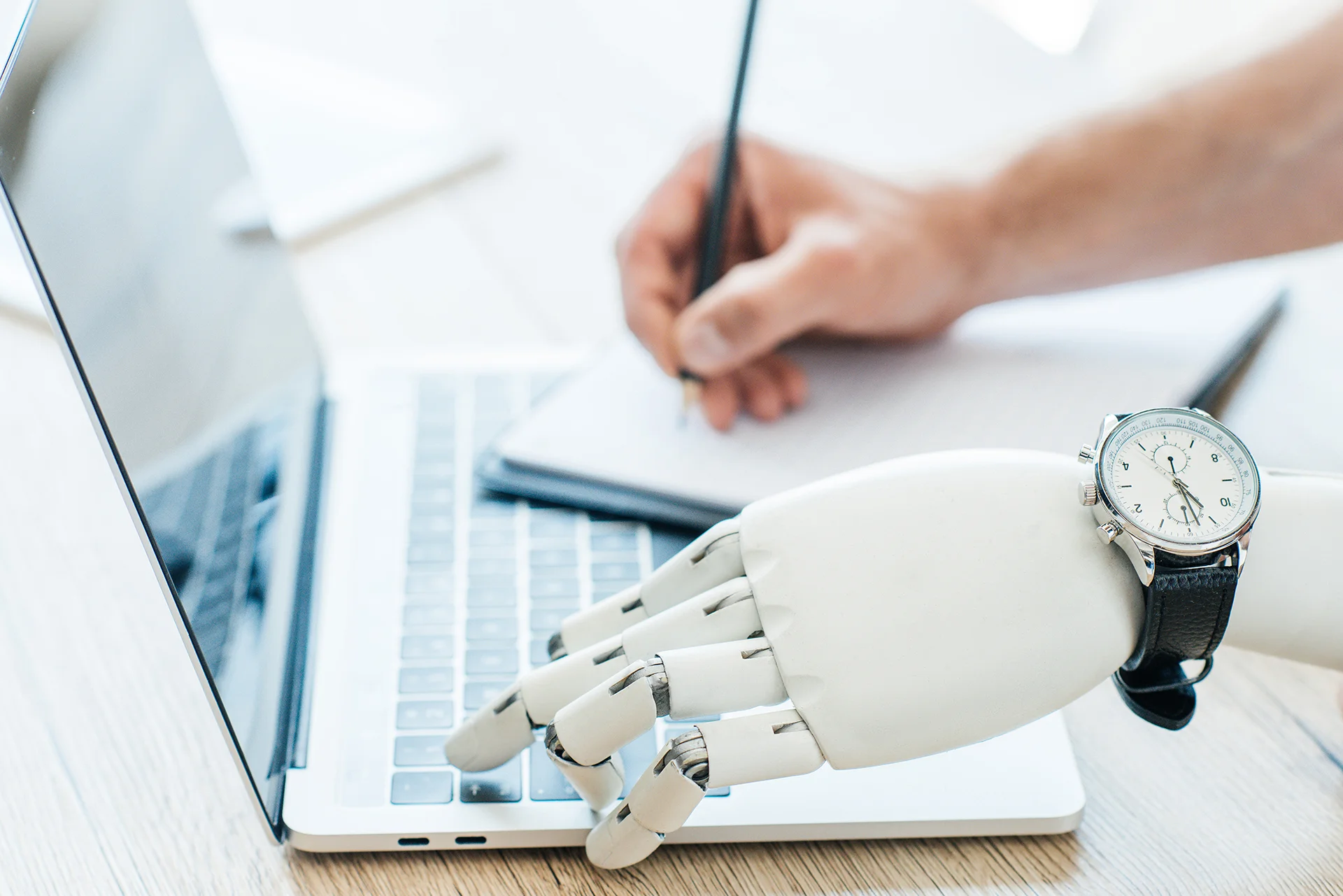
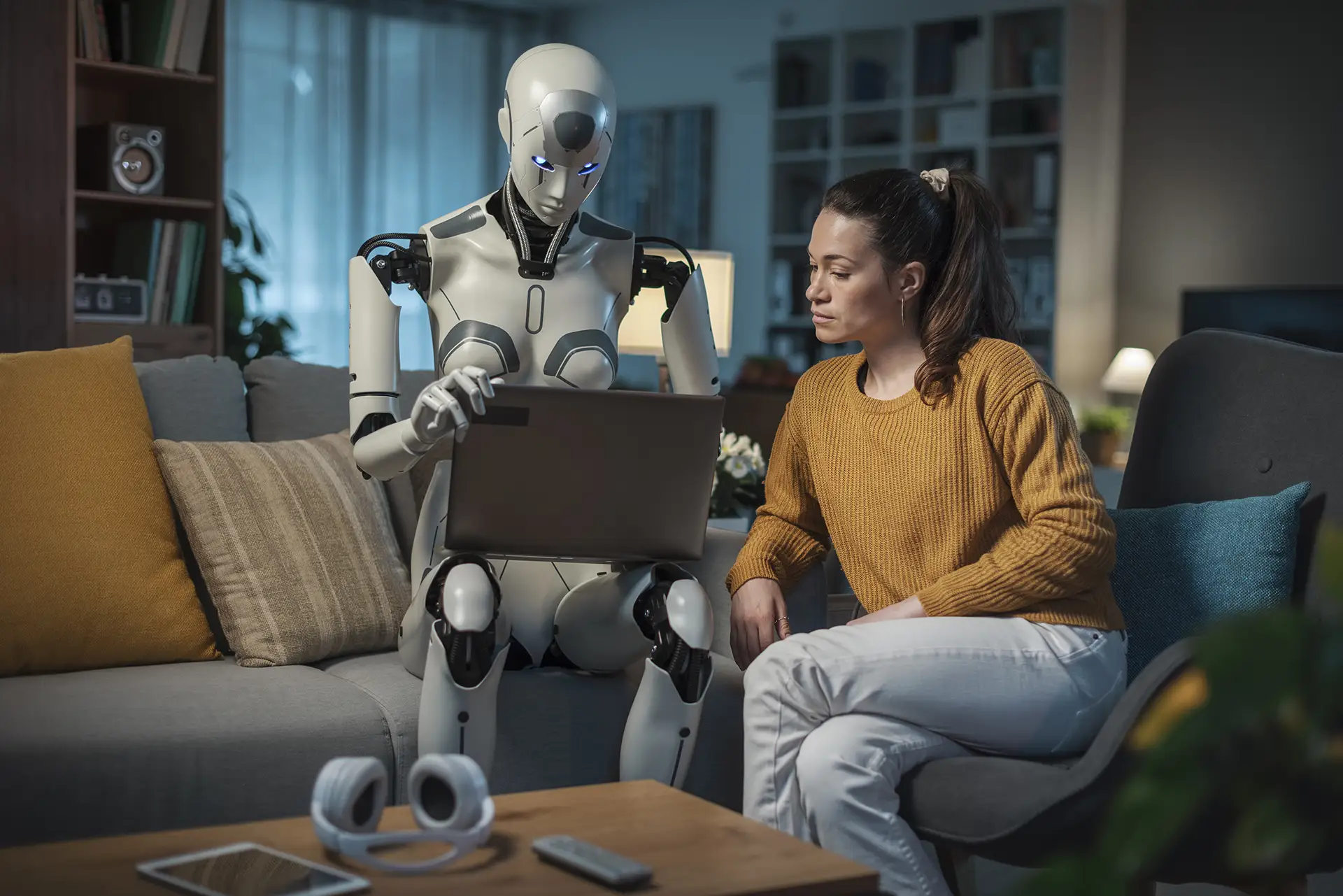


Clapboard at a Glance – A Video-First Creative EcosystemAt its core, Clapboard is a video-first creative platform and creative services marketplace that supports end-to-end production. It is built specifically for advertising, branded content, and film—where stakes are high, teams are complex, and outcomes need to be predictable.Traditional platforms treat creative work as isolated tasks. Clapboard is designed as an ecosystem: a managed marketplace where discovery, collaboration, production workflows, and delivery coexist in one environment. This structure better reflects the reality of modern creative production, where strategy, creative, production, post-production, and performance are tightly interlinked.As an advertising and film production platform, Clapboard supports:Brand campaigns and integrated advertisingBranded content and social videoProduct, launch, and explainer videosFilm, episodic content, and long-form storytellingInstead of forcing marketers or producers to choose between agencies, in-house teams, or scattered freelancers, Clapboard operates as a hybrid ecosystem. It combines a curated talent marketplace, managed creative services, and an AI + automation layer that accelerates workflows while preserving creative judgment.In other words: Clapboard is infrastructure for modern creative production, not just another place to post a brief. The Problem Clapboard Solves in Modern Creative ProductionThe creative industry has evolved faster than its infrastructure. Media channels have multiplied, content volume has exploded, and expectations for speed and personalization keep rising. Yet most systems for hiring creatives, running campaigns, and producing video remain stuck in legacy models.Clapboard exists to address four core creative production challenges that consistently slow down serious marketing and storytelling work.Fragmentation Between Freelancers, Agencies, and Production HousesCreative production today is fragmented acro

The Problem for Marketers & Brand TeamsFinding Reliable Creative Talent Is Slow and UncertainFor marketers and brand teams, the first visible friction is simply trying to hire creative talent that can consistently deliver. The internet is full of portfolios, reels, and profiles. Yet discovering reliable advertising creatives remains slow and uncertain.Discovery itself takes time. Marketers scroll through platforms, ask for referrals, post briefs, and sift through applications. Even with sophisticated search filters, there is no simple way to understand who has the right experience, who works well in teams, or who can operate at the pace and rigor modern campaigns demand.Quality is inconsistent, not because talent is lacking, but because the context around that talent is missing. A beautiful case study says little about how smoothly the project ran, how many revisions it required, or how the creative collaboration actually felt. Past work is not a guaranteed indicator of future delivery, especially when that work was produced under different conditions, with different teammates, or with heavy agency support in the background.Marketers are forced to rely on proxies—visual polish, brand logos on portfolios, testimonials written once in a different context. These signals are weak predictors when you need a specific output, at a specific quality level, with clear constraints on time and budget.The reality is that most marketing leaders don’t just need to hire creative talent. They need access to reliable creative teams that can handle complex scopes and adapt to evolving briefs. Yet the market still presents talent as individuals, leaving brand teams to stitch together their own ad hoc groups with uncertain outcomes.Traditional Agencies Are Expensive, Slow, and OpaqueIn response to this uncertainty, many marketers fall back on traditional agencies. Agencies promise full-service coverage: strategy, creative, production, and account management under one roof. But READ FULL ARTICLE

Video Is No Longer “One Service” — It Is the Spine of Brand CommunicationHistorically, “video” appeared as a single line in a scope of work or rate card: one of many services alongside design, copywriting, or social media management. That framing is now obsolete.Today, a single film can power an entire video content ecosystem:A hero brand film becomes TV, OTT, and digital ads.Those ads are cut down into short-form social content, stories, and reels.Behind-the-scenes footage becomes recruitment films and culture assets.Still frames pulled from footage become campaign photography.Scripts and narratives are re-used across web, CRM, and sales decks.Integrated video campaigns are now the default. Brand teams increasingly build backwards from a core film concept: first define what the main piece of video must achieve, then derive all other forms from that spine.In this model, video influences how the brand is perceived at every touchpoint. The look, sound, and rhythm of the film define what “on-brand” means. Visual identity systems, tone of voice, and even product storytelling often follow decisions first made in video.Thinking of video as a single deliverable hides its true role: it is the structural backbone of brand communication, not just another asset. How Most Marketplaces Get Video WrongVideo Treated as a Line Item, Not a SystemMost freelance and creative marketplaces were not built for video. They were originally optimized for graphic design, static content, or one-to-one gigs. Video was added later as another category in a long list of services.That leads to predictable freelance marketplace limitations when it comes to film and content production:“Video” buried in service menusVideo is often just one checkbox among dozens. There is little recognition that an ad film is fundamentally different from a logo design or blog post in terms of complexity, risk, and orchestration.Same workflow assumed for design, copy, and filmMost platforms apply the same chatREAD FULL ARTICLE
What “Human + Agent Orchestration” Means at ClapboardClapboard is built on a simple but important shift in mental model: stop thinking in terms of “features” and “tools,” and start thinking in terms of teams and pipelines.In this model, AI agents and humans work as one system. Every project is a flow of decisions and tasks. The question at each step is: Who is the right entity to handle this—human or agent—and when?This is what we mean by AI agent orchestration:Tasks are routed to the right actor at the right moment—sometimes a specialized agent, sometimes a producer, sometimes a creative director.Agents handle the structured, repeatable, data-heavy work, such as breakdowns, metadata, estimation, and workflow automation.Humans handle the subjective, contextual, and relational work, such as direction, negotiation, and final calls.Clapboard is the conductor of this system. Rather than being “an AI tool,” it functions as a creative operating system that coordinates human and agent participation end-to-end—from idea and script all the way to production and post.In practice, that means:Every brief, script, or campaign that enters Clapboard is immediately interpreted by agents for structure and intent.Those interpretations inform cost ranges, team shapes, timelines, and risk signals.Humans see the right information at the right time to make better decisions, instead of digging through fragmented files and messages.Workflow automations, powered by platforms like Make.com and n8n, take over the repetitive coordination so producers and creatives can stay focused on the work.Human + agent orchestration at Clapboard is not about cherry-picking tasks to “AI-ify.” It’s about designing the entire creative pipeline so that humans and agents function as a super-team. What AI Agents Handle on ClapboardOn Clapboard, AI agents are not generic chatbots; they are embedded workers with specific responsibilities across the creative lifecycREAD FULL ARTICLE

Why Traditional Freelance Marketplaces Fall Short for Creative ProductionTraditional freelance platforms were built around the gig economy, not around creative production. That distinction matters. Production is not “a series of tasks” — it is a pipeline where every decision upstream affects what’s possible downstream.Most of the common problems with freelance platforms in creative work come from this structural mismatch.Built for transactional gigs, not collaborative projectsGig platforms are optimised for one-to-one engagements: a logo, a banner, an edit, a script. They assume work is atomised and independent. But film and video production is collaborative by default: strategy, creative, pre-production, production, and post are all tightly connected.On generalist marketplaces, you typically have to:Source each role separately (director, editor, animator, colorist, etc.)Manually manage handovers between freelancersResolve conflicts in style, timelines, and expectations yourselfThe result is friction and inconsistency. What looks like a saving on day rates turns into higher project cost in coordination, rework, and lost time.Individual-first, not team-firstThe core unit on most freelance sites is the individual freelancer. That works for isolated tasks; it breaks for productions that require cohesive creative direction, shared context, and aligned standards.Individual-first systems create gig economy limitations for creatives and clients alike:Freelancers are incentivised to optimise for their own scope, not the entire project outcomeClients must “play producer” without internal production expertiseThere is no reliable way to hire intact, proven teams that already collaborate wellCreative production works best when you build creative teams, not disconnected individuals. Team dynamics and shared history matter as much as individual portfolios.Little accountability beyond task completionTypical freelance marketplaces define success as task delivery: the file was uploaREAD FULL ARTICLE


LEAVE A COMMENT
Your email address will not be published.