The Surface Artist - Microsoft | Clapboard Ad Archive
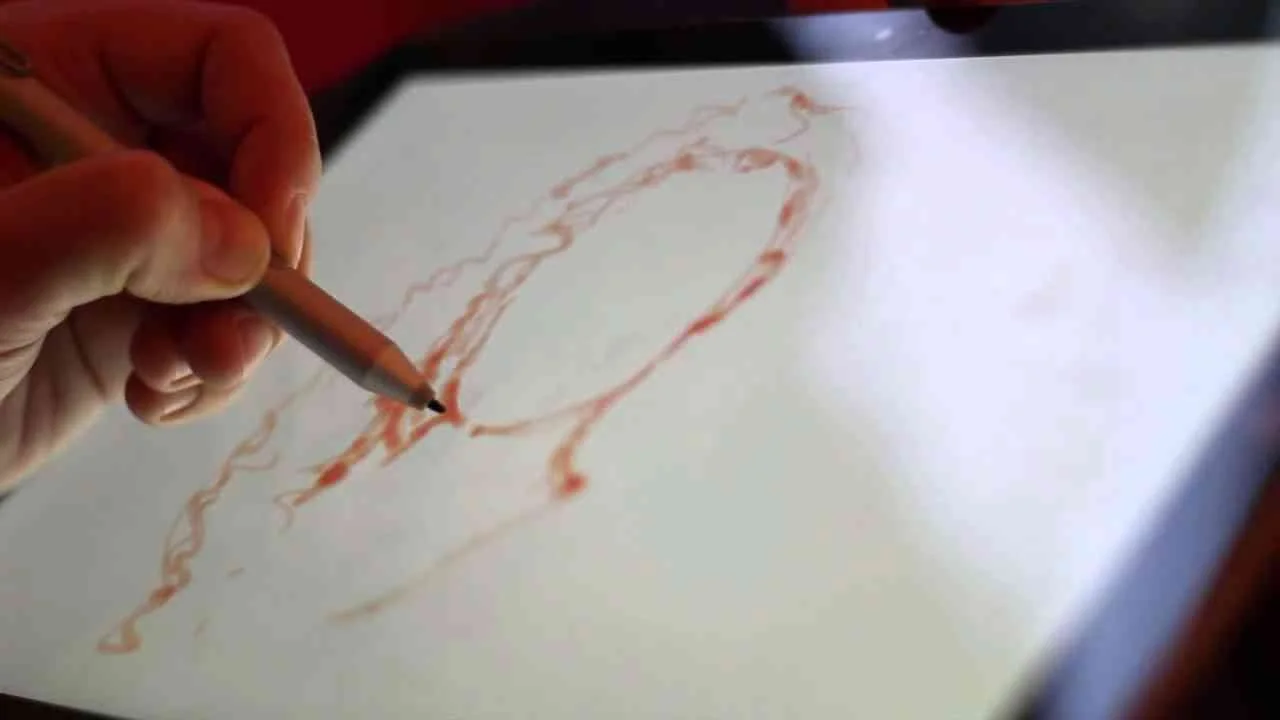
Microsoft’s The Surface Artist campaign, launched in Sweden in Year 2014 by agency JMW, stands as a focused demonstration of how the brand’s Surface Pro 3 could disrupt creative routines within the demanding Electronics and Technology sector. With its debut at the SIME digital conference in Stockholm, this initiative gave digital-native attendees a hands-on encounter, blending old-world portraiture craft with the live capabilities of Surface’s hardware—most notably the Surface pen and Palm Block technology—to produce new profile pictures executed in real time. The tactical choice to stage the campaign in a high-visibility, tech-forward event allowed Microsoft to present its product in direct dialogue with the creative community, positioning it not as a theoretical tool but one that invites tactile experimentation right at the point of need. This approach sits squarely in what Clapboard’s taxonomy classifies as FORMAT#1—Demonstration—where the campaign’s central creative force lies in transparently showcasing the device’s nuanced features and tangible benefits rather than leaning on narrative devices, comparison, or metaphor. By staging each portrait as a small act of product theater, JMW’s work advances Microsoft’s proposition that technology, when engineered for expressive flexibility, can reframe how users engage with the making of personal and visual identities. Crucially, the campaign sidestepped passive presentation, folding real attendees into the brand’s creative proposition, which allowed on-site engagement to fuel the core content and bring authenticity to the product’s claims. For a category that frequently defaults to aspirational storytelling or abstract claims, the campaign’s design—anchored in live testing and public demonstration—set a new bar for how technology brands can merge experiential relevance with digital communication. The campaign earns 61/100 in Clapboard’s global creative archive. In connecting product demonstration with user-centric utility, The Surface Artist signals a mature shift in Electronics marketing towards transparency in technology’s everyday creative value.









.webp)