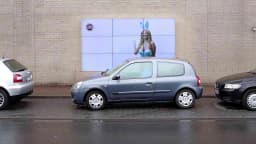
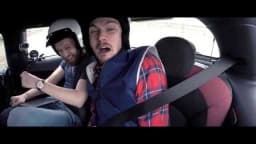
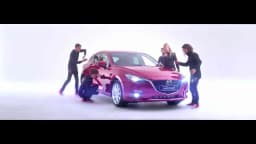
The Volkswagen "Cinema Pedestrian Detection" campaign, launched in Spain in 2015 by DDB, aims to highlight the brand’s commitment to automotive safety innovation, specifically focusing on the advanced pedestrian detection system in the new Passat model. The campaign’s core proposition centers on delivering enhanced protection for drivers and pedestrians alike, positioning Volkswagen as a forward-thinking brand that prioritizes cutting-edge technology to improve road safety.
From a market strategy perspective, the campaign leverages the ambient medium to create a highly contextual and experiential interaction, using a cinema setting to draw direct attention to pedestrian safety in a familiar, everyday environment. This creative angle provides a clear, relatable metaphor—illustrating how the Passat’s technology actively detects and responds to pedestrians, much like the audience’s own awareness during a movie. By situating the message in a public, social space, Volkswagen targets urban, safety-conscious consumers who value technological advancements that contribute to accident prevention. The campaign’s subtle but effective use of real-life scenarios connects emotionally with viewers, emphasizing the reliability and necessity of the safety assistant. This insight-driven approach aligns product awareness with everyday contexts, enhancing relevance and encouraging consumer trust in Volkswagen’s innovation leadership within the automotive market.
FORMAT#1 DEMONSTRATION — Directly shows how a product works and highlights its benefits.
This campaign, titled "Cinema Pedestrian Detection," was created to introduce the innovative assistant feature in the new Volkswagen Passat. The genre and context (Automotive, Ambient medium, product launch) as well as cues from the title and metadata—especially the focus on "pedestrian detection"—strongly point to a direct demonstration of the product’s key safety functionality. Rather than telling a narrative story or using symbolism, the campaign most likely stages a real-life scenario (perhaps in a cinema setting) to actively show how the technology functions, allowing the target audience to witness its benefits first-hand. The purpose is to visually and experientially highlight the Passat’s new assistant, making the demonstration format the most accurate fit.
ADVERTISING FORMATS EXPLAINED: https://www.clapboard.com/blog/branding-and-advertising/brand-strategy/12-advertising-creative-formats
1. SEAT – Market Positioning
SEAT positions itself as a distinctly Spanish automotive brand offering youthful, sporty, and affordable vehicles. It emphasizes dynamic design, urban mobility, and technology tailored to young professionals and city drivers, blending performance with everyday practicality.
2. Peugeot – Market Positioning
Peugeot leverages its French heritage to deliver stylish, innovative, and efficient cars focused on driving pleasure. It prioritizes advanced connectivity, fuel efficiency, and a premium feel at competitive prices, targeting customers seeking a blend of sophistication and affordability.
3. Renault – Market Positioning
Renault focuses on innovation and accessibility, offering a broad range of economical, family-friendly vehicles with smart safety features. The brand is known for integrating eco-friendly technologies and city car solutions, appealing to environmentally conscious and budget-minded consumers.
4. Ford – Market Positioning
Ford distinguishes itself with a balance of performance, reliability, and advanced technology. It offers a versatile lineup focusing on sporty, rugged, and practical vehicles with emphasis on driver engagement and cutting-edge safety, targeting a broad demographic from families to young drivers.
5. Toyota – Market Positioning
Toyota leads with a reputation for exceptional reliability, hybrid technology, and sustainability. It positions itself as a pioneer in eco-friendly mobility, offering durable and practical cars with an emphasis on innovation, fuel efficiency, and strong resale value across diverse customer segments.
Q: What is Cinema pedestrian detection about?
A: Cinema pedestrian detection is a professional campaign launched by Volkswagen in Spain in 2015, created in partnership with the agency DDB. The campaign was designed to introduce the advanced pedestrian detection assistant featured in the new Volkswagen Passat. Using an ambient advertising approach, the campaign places the technology in a real-world context, specifically within a cinema environment, to visually demonstrate its safety benefits. The central creative idea is to highlight Volkswagen’s commitment to innovation and road safety by allowing audiences to experience the effectiveness of the Passat’s pedestrian detection system in a relatable, everyday setting.
Q: What creative device does Cinema pedestrian detection use?
A: Cinema pedestrian detection employs the Demonstration format, as classified by Clapboard’s 12-format taxonomy. This approach directly shows how the Volkswagen Passat’s pedestrian detection assistant operates, focusing on a clear and practical display of the technology’s benefits. Rather than relying on storytelling or abstract symbolism, the campaign stages a real-life scenario in a cinema to make the safety feature’s function immediately understandable and relevant. By using this demonstration technique, the campaign ensures that viewers can witness the product’s value first-hand, reinforcing the brand’s message of technological leadership in automotive safety.
Q: What is the campaign proposition for Cinema pedestrian detection?
A: The campaign proposition for Cinema pedestrian detection centers on Volkswagen’s strategic positioning as a leader in automotive safety innovation. By spotlighting the advanced pedestrian detection system in the new Passat, Volkswagen communicates its dedication to protecting both drivers and pedestrians. The campaign targets urban, safety-conscious consumers who value technological advancements that contribute to accident prevention. By leveraging an ambient medium in a cinema setting, the campaign makes the technology’s relevance clear and relatable, reinforcing Volkswagen’s reputation for reliability and forward-thinking solutions in the competitive automotive market.
Q: How does Cinema pedestrian detection rank in Clapboard's archive?
A: Cinema pedestrian detection holds a Clapboard Campaign Score of 63/100 in Clapboard’s global ad archive. This score reflects the campaign’s creative ambition, execution quality, and cultural relevance as evaluated by Clapboard’s curatorial standards.
Q: Who are the competitors in Volkswagen's category?
A: In the automotive category, Volkswagen faces competition from several key brands. SEAT positions itself as a youthful, urban-focused brand with sporty and affordable vehicles tailored to city drivers. Peugeot emphasizes French style, innovation, and driving pleasure, offering efficient cars with a premium feel. Renault is known for accessible, family-friendly vehicles that integrate smart safety and eco-friendly technologies. Ford balances performance, reliability, and advanced technology across a versatile lineup, appealing to a broad audience. Toyota leads with a reputation for reliability, hybrid technology, and sustainability, targeting customers seeking durable, innovative, and eco-conscious mobility solutions.


 ARCHIVE
.webp)