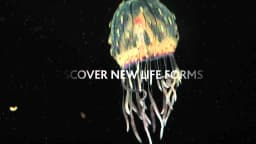
The "Conception" campaign for The Dalí Museum, launched in early 2011, strategically positions the museum as a unique cultural destination that offers an immersive experience blending art, creativity, and inspiration. The brand proposition centers on the promise of intellectual stimulation and artistic discovery, inviting audiences to engage with Salvador Dalí’s surrealist legacy in a way that transcends conventional museum visits. By framing the museum’s grand opening as a meaningful event, the campaign emphasizes its role as a landmark for creative exploration within the travel and leisure market.
From a market strategy perspective, the campaign leverages a narrative approach to connect emotionally with potential visitors who value leisure activities that enrich their cultural and intellectual lives. Targeting a demographic interested in art, culture, and travel, the creative angle highlights the imaginative and thought-provoking nature of Dalí’s work, positioning the museum as more than a traditional attraction—it is portrayed as a catalyst for inspiration and personal reflection. The campaign’s timing around the grand opening date builds a sense of occasion and urgency, encouraging immediate engagement from local and visiting audiences in the United States, particularly within the St. Petersburg, FL area. The use of a film medium supports a visually compelling storytelling format that aligns with the surreal and imaginative brand identity. Overall, the approach seeks to differentiate The Dalí Museum in a competitive leisure market by emphasizing its distinctive artistic value and experiential appeal.
FORMAT#9 SYMBOLIZE THE BENEFIT — Uses symbols or exaggerated visuals to represent the product’s positive impact.
The campaign “Conception” for The Dalí Museum leverages symbolic and surrealist cues embedded within the brand’s core—Salvador Dalí’s art—to communicate the transformation, inspiration, and creative awakening the museum promises. The title “Conception” and the museum context strongly suggest visual metaphors representing creative birth or imagination, matching Dalí’s surreal ethos. Without explicit mention of narratives, testimonials, or problem-solution framing, the most likely device is the use of symbolism to encapsulate the museum’s benefit—offering mind-expanding and transformative experiences. This approach aligns with symbolizing the benefit to entice leisure and travel audiences.
ADVERTISING FORMATS EXPLAINED: https://www.clapboard.com/blog/branding-and-advertising/brand-strategy/12-advertising-creative-formats
1. Museum of Modern Art (MoMA) – Positioned as a leading innovator in modern and contemporary art, MoMA leverages its globally renowned collection and rotating exhibits to attract art enthusiasts and tourists, emphasizing cutting-edge experiences and educational programs that blend recreation with high culture in New York City.
2. The Getty Center – Known for its impressive architecture and comprehensive collections in art, The Getty Center strategically combines art, history, and scenic outdoor spaces, offering visitors an immersive cultural and leisure experience in Los Angeles, enhancing appeal through free admission and expansive programming.
3. The Metropolitan Museum of Art – Positioned as a comprehensive art destination with an encyclopedic collection, The Met attracts diverse audiences by offering deep historical context alongside curated narratives, blending recreation with educational tourism in the heart of New York City.
4. The Museum of Contemporary Art (MOCA), Los Angeles – Focuses on contemporary art with a dynamic, experimental approach, appealing to younger, urban audiences seeking innovative and culturally relevant experiences that intersect art, leisure, and lifestyle within LA’s creative landscape.
5. The Smithsonian American Art Museum – Emphasizes American art and cultural heritage with accessible, engaging exhibits and community outreach programs, combining recreation and education to attract both domestic tourists and locals interested in the nation’s artistic narrative in Washington, D.C.
Q: What is Conception about?
A: Conception is a professional campaign developed for The Dalí Museum by the agency ChappellRoberts, launched in the United States in 2011. Created to announce the grand opening of the museum in St. Petersburg, Florida, the campaign centers on a film medium television commercial that positions the museum as an immersive destination for art, creativity, and inspiration. The creative idea leverages Salvador Dalí’s surrealist legacy to invite audiences into a transformative cultural experience, blending recreation and leisure with intellectual stimulation. The campaign targets both local and visiting audiences interested in art, culture, and travel.
Q: What creative device does Conception use?
A: Conception employs the creative technique classified as FORMAT#9 SYMBOLIZE THE BENEFIT in Clapboard’s 12-format taxonomy. This approach uses symbolic and exaggerated visuals to represent the positive impact of the product—in this case, the transformative and inspirational experience promised by The Dalí Museum. Drawing on Dalí’s surrealist aesthetic, the campaign leverages visual metaphors and surreal cues to encapsulate the idea of creative awakening, aligning the brand’s identity with mind-expanding and imaginative engagement for its audience.
Q: What is the campaign proposition for Conception?
A: The campaign proposition for Conception positions The Dalí Museum as a unique cultural landmark that offers an immersive blend of art, creativity, and inspiration. The brand message is directed at audiences who seek leisure activities that enrich their cultural and intellectual lives, emphasizing the museum’s role as a catalyst for personal discovery and creative exploration. By framing the grand opening as a significant event, the campaign underscores the museum’s value within the travel and leisure market, inviting visitors to engage with Salvador Dalí’s legacy in a way that transcends traditional museum experiences.
Q: How does Conception rank in Clapboard's archive?
A: Conception holds a Clapboard Campaign Score of 63/100. This score reflects the campaign’s creative ambition, execution quality, and cultural relevance as assessed by Clapboard’s global ad archive.
Q: Who are the competitors in The Dalí Museum's category?
A: In the travel and leisure market for art destinations, The Dalí Museum competes with institutions such as the Museum of Modern Art, which is recognized for its innovative approach to modern and contemporary art in New York City; The Getty Center, known for its architectural grandeur and integrated cultural experiences in Los Angeles; The Metropolitan Museum of Art, which offers a comprehensive and historically rich collection in New York; the Museum of Contemporary Art in Los Angeles, appealing to younger audiences with experimental programming; and the Smithsonian American Art Museum, which emphasizes American artistic heritage and accessible engagement in Washington, D.C.



.webp)