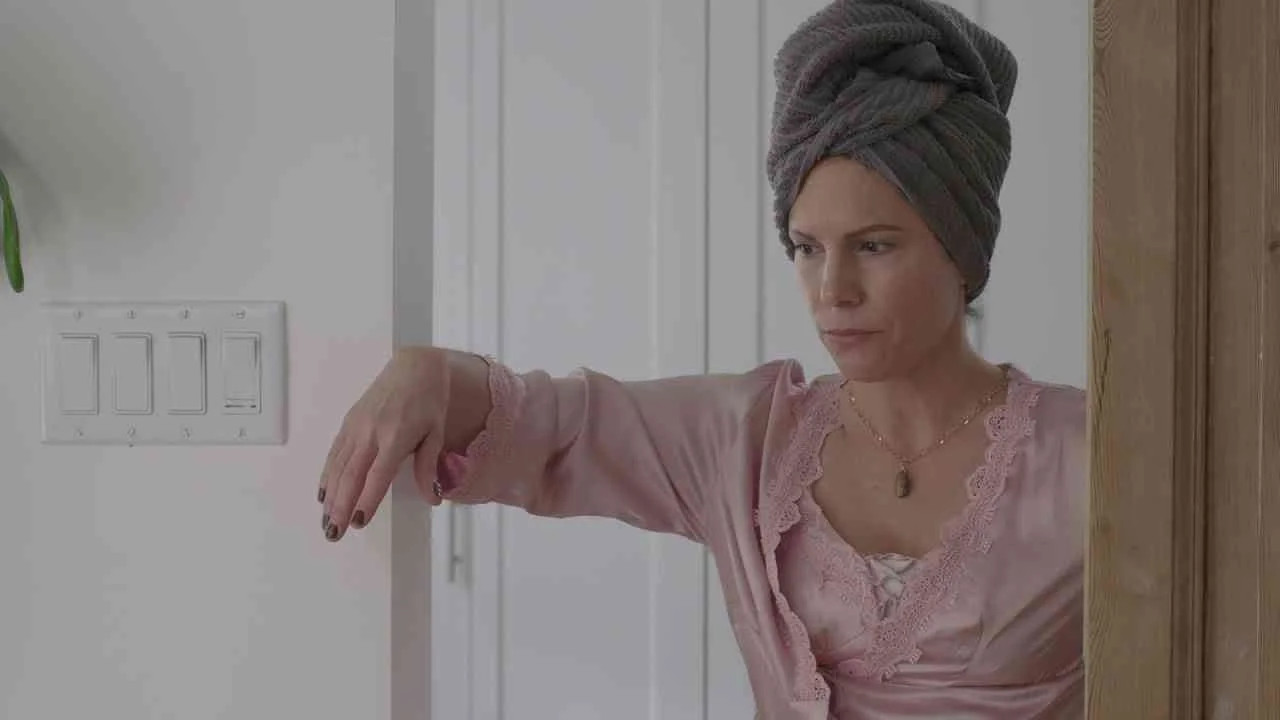
The 'Tango Orange Man' campaign, launched in the United States in 1992, centers on Tango Orange’s positioning within the non-alcoholic drinks market. The campaign seeks to convey a distinct brand proposition focused on energetic, bold refreshment, likely aiming to differentiate Tango Orange from conventional soft drinks by emphasizing a vibrant and memorable experience associated with the product. This aligns with the broader category’s challenge of standing out through emotional and sensory appeal.
Strategically, the campaign leverages a performance genre and a charismatic central figure—the “Orange Man”—to personify the brand’s lively and dynamic character, creating an engaging narrative to capture consumer attention. The creative angle appears to capitalize on a theatrical or character-driven approach that aims to resonate with a youthful demographic, using performance to generate memorability and brand recall. By embedding the product in an entertaining, performance-based context, the campaign implicitly addresses an insight that consumers seek fun and personality in their beverage choices, beyond simple refreshment.
Though the campaign was articulated over two decades ago, its use of film as a medium and a strong, animated character suggests an early understanding of brand storytelling as a vehicle to build emotional connections. This approach likely aimed to cut through the cluttered market by offering an experience that was as vibrant and distinctive as the product itself. However, the minimal engagement seen on contemporary digital platforms implies the campaign’s legacy is limited, perhaps reflective of its era-specific creative execution or distribution. Overall, ‘Tango Orange Man’ exemplifies a strategy centered on differentiation through character-driven storytelling within the competitive non-alcoholic drinks category.
FORMAT#9 SYMBOLIZE THE BENEFIT — Uses symbols or exaggerated visuals to represent the product’s positive impact.
The ‘Tango Orange Man’ campaign is most likely to use FORMAT#9 Symbolize the Benefit. This determination arises from the performative genre, the era’s known British campaign legacy (famous for exaggerated antics), and the product—an orange drink likely aiming to dramatize its sensory impact. The campaign’s title suggests central focus on a character embodying the brand benefit, likely through over-the-top performance (a person or mascot responding exaggeratedly to the product). There's no evidence of a literal problem/solution, testimonial, or traditional storytelling; instead, it likely relies on symbolic antics to underscore the drink’s sensory effect, making format 9 the best fit.
ADVERTISING FORMATS EXPLAINED: https://www.clapboard.com/blog/branding-and-advertising/brand-strategy/12-advertising-creative-formats
1. Fanta – Market Positioning
Fanta positions itself as a fun, vibrant, and fruity soda brand appealing to younger audiences who seek bold, playful flavors. Owned by Coca-Cola, it leverages its global presence and colorful branding to emphasize taste variety and energetic lifestyle, differentiating through a wide range of fruit flavors and strong marketing targeting youth and pop culture trends.
2. Minute Maid – Market Positioning
Minute Maid focuses on freshness and quality, positioning itself as the go-to brand for real fruit juice experiences. Owned by Coca-Cola, it markets health-consciousness and natural ingredients, appealing to consumers who want a balance between taste and a perceived healthier, more natural soft drink alternative.
3. Tang – Market Positioning
Tang, owned by Kraft Foods, is known for its powdered drink mixes that emphasize convenience and versatility. It markets itself as an affordable, flavorful option for families, often associated with nostalgic value and easy preparation, particularly targeting cost-conscious households seeking fruity, fruity-flavored drinks.
4. Sunkist – Market Positioning
Sunkist positions itself as a premium orange soda with bold, citrus flavor and a heritage tied to real oranges. Its marketing highlights the use of high-quality ingredients and an authentic taste experience aimed at consumers looking for a refreshing, intense orange soda beyond the mainstream sweet sodas.
5. Crush – Market Positioning
Crush offers a wide variety of fruit-flavored sodas with an emphasis on sweetness and bold, playful flavors. Positioned as a vibrant and family-friendly brand, Crush appeals to consumers looking for a nostalgic yet fun drinking experience, leveraging tagline-driven campaigns that focus on loud, unmistakable flavor profiles.
Q: What is Tango Orange Man about?
A: Tango Orange Man is a professional campaign launched in the United States in 1992 to promote Tango Orange, a brand in the non-alcoholic drinks sector. Created for the film medium, the campaign centers on a dynamic character known as the Tango Orange Man, who embodies the brand’s bold and energetic personality. The creative approach leverages humor, vivid visuals, and performance to capture consumer attention and differentiate Tango Orange in a crowded market. Despite featuring only one media asset, the campaign’s striking narrative and memorable character have secured its place in advertising history.
Q: What creative device does Tango Orange Man use?
A: Tango Orange Man employs FORMAT#9 Symbolize the Benefit, as classified by Clapboard’s 12-format taxonomy. This creative device uses exaggerated visuals and symbolic performance to dramatize the product’s positive impact, with the central character physically embodying the sensory experience of drinking Tango Orange. Rather than relying on literal storytelling or testimonials, the campaign leverages over-the-top antics and vibrant imagery to create a memorable association between the product and a sense of fun, energy, and refreshment, aligning with the brand’s youthful positioning.
Q: What is the campaign proposition for Tango Orange Man?
A: The campaign proposition for Tango Orange Man is to position Tango Orange as an energetic and bold refreshment within the non-alcoholic drinks market. By centering on a charismatic figure—the Orange Man—the campaign aims to connect with a youthful audience seeking more than just a beverage, but an experience that is vibrant and memorable. This strategic approach differentiates Tango Orange from conventional soft drinks, emphasizing personality and sensory appeal to address consumer desires for fun and individuality in their drink choices.
Q: How does Tango Orange Man rank in Clapboard's archive?
A: Tango Orange Man holds a Clapboard Campaign Score of 57/100 in Clapboard’s global ad archive. This score reflects the campaign’s creative ambition, execution quality, and cultural relevance as evaluated by Clapboard’s curatorial standards.
Q: Who are the competitors in Tango Orange's category?
A: In the non-alcoholic drinks category, Tango Orange competes with brands like Fanta, which targets youth with playful flavors and vibrant branding; Minute Maid, which emphasizes freshness and health-conscious ingredients for consumers seeking natural juice experiences; Tang, known for its convenient powdered mixes appealing to families and nostalgic drinkers; Sunkist, positioned as a premium orange soda with a focus on authentic citrus flavor; and Crush, which offers a range of bold, sweet fruit sodas catering to those seeking a fun and nostalgic beverage experience.


 ARCHIVE


.webp)