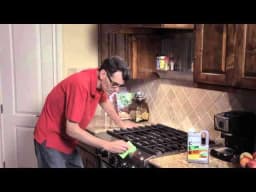
The "Say no to dirt" campaign for CWS’s automatic CleanSeats positions the product as a superior hygiene solution within the household category, emphasizing cleanliness and the rejection of dirt in everyday environments. By highlighting the automatic nature of the CleanSeats, the campaign conveys a promise of effortless sanitation, reducing the user’s burden and enhancing their living space’s hygiene standards. The product is framed as an essential upgrade in the House and Garden sector, offering a tangible improvement in household cleanliness.
Strategically, the campaign adopts a bold, edgy creative angle, evident in its NSFW tone and unconventional association with clubbing and cocaine—elements usually unrelated to household products. This juxtaposition aims to capture attention through shock value and cultural references that resonate with a younger, urban demographic likely attuned to nightlife and trend culture. The use of a soundalike track rather than a direct hit song reinforces the unique and slightly subversive identity of the ad. Furthermore, the integration of VFX within the film medium enhances the commercial’s visual impact, positioning the product as modern and technologically advanced. By focusing on an automatic cleaning system and linking it metaphorically to high-energy, exclusive social scenes, the campaign connects hygienic responsibility with a lifestyle aspiration, appealing to consumers who value both convenience and a sense of being contemporary or avant-garde despite the traditionally mundane category of household cleaning products.
FORMAT#3 SYMBOLIZE THE PROBLEM — Uses symbols or analogies to represent the problem instead of showing it literally.
This campaign, "Say no to dirt" for the CWS CleanSeats, leverages a provocative, metaphorical approach to dramatize the contamination issue users face in public spaces (likely toilet seats). The NSFW angle, VFX genre, and use of clubbing/cocaine references—as described in the metadata—suggest exaggerated, symbolic depictions of "dirt" rather than literal demonstrations. The campaign does not directly show cleaning, nor does it present a story arc or product demo; instead, it creatively visualizes the hygiene problem through suggestive symbolism, embodying FORMAT#3.
ADVERTISING FORMATS EXPLAINED: https://www.clapboard.com/blog/branding-and-advertising/brand-strategy/12-advertising-creative-formats
1. Lysol – Lysol positions itself as a powerful disinfectant and cleaning brand focused on health and hygiene, emphasizing killing germs and creating a safe home environment. Its strategic angle highlights efficacy against bacteria and viruses, making it a trusted choice for deep cleaning in households.
2. Mr. Clean – Mr. Clean differentiates through its strong, all-purpose cleaning solutions and iconic brand mascot, stressing ease of use and comprehensive cleaning power for various household surfaces. The brand appeals to consumers seeking robust and reliable dirt removal with a fresh scent.
3. Clorox – Clorox is positioned as a leader in bleach and disinfectant products, focusing on superior stain removal, germ elimination, and multi-surface versatility. It appeals to consumers motivated by cleanliness and the health benefits of a sanitized home environment.
4. Method – Method stands out with its eco-friendly, non-toxic household cleaning products, targeting environmentally conscious buyers who seek effective but sustainable solutions. Its modern design and commitment to safe ingredients differentiate it in a traditionally chemical-heavy market.
5. Woolite – Woolite specializes in gentle but effective cleaning products, particularly for fabrics and delicate surfaces, promoting a combination of care and cleanliness. Its positioning focuses on preserving the quality of materials while removing dirt and stains efficiently.
Q: What is Say no to dirt about?
A: Say no to dirt is a 2007 professional film campaign created to promote the CWS CleanSeats product within the House and Garden industry. The campaign leverages a bold, NSFW creative approach, using provocative visuals and cultural references to clubbing and cocaine to dramatize the issue of public hygiene, particularly in relation to toilet seats. Featuring South African model Delia Sievers and a distinctive soundalike soundtrack, the campaign positions CleanSeats as a modern, automatic solution for cleanliness. With over 1.5 million views and significant audience engagement, Say no to dirt stands out for its edgy execution and memorable messaging in the household product market.
Q: What creative device does Say no to dirt use?
A: Say no to dirt employs FORMAT#3 Symbolize the Problem, as classified by Clapboard's 12-format taxonomy. Rather than depicting literal cleaning or product demonstrations, the campaign uses metaphorical and symbolic imagery—such as references to clubbing and cocaine—to represent the contamination problem associated with public toilet seats. This approach creates a provocative and memorable visual narrative that dramatizes the hygiene issue in an exaggerated, attention-grabbing way, aligning with Clapboard’s definition of using symbols or analogies to highlight the underlying problem.
Q: What is the campaign proposition for Say no to dirt?
A: The campaign proposition for Say no to dirt positions CWS CleanSeats as the superior hygiene solution in the household category, emphasizing the importance of rejecting dirt and maintaining cleanliness in everyday environments. By highlighting the product’s automatic functionality, the campaign promises effortless sanitation and a higher standard of hygiene for users. Strategically, it targets a younger, urban demographic attuned to nightlife and trend culture, using bold, unconventional creative elements to make cleanliness aspirational and contemporary within the traditionally mundane context of household cleaning products.
Q: How does Say no to dirt rank in Clapboard's archive?
A: Say no to dirt holds a Clapboard Campaign Score of 73/100 in Clapboard's global ad archive. This score reflects the campaign’s creative ambition, execution quality, and cultural relevance within the context of the household product sector.
Q: Who are the competitors in CWS’s category?
A: In the household product category, CWS competes with brands such as Lysol, which emphasizes health and hygiene through powerful disinfectant messaging; Mr. Clean, known for its all-purpose cleaning solutions and iconic mascot; Clorox, recognized for superior stain removal and germ elimination; Method, which differentiates itself with eco-friendly, non-toxic cleaning products for environmentally conscious consumers; and Woolite, specializing in gentle yet effective cleaning for fabrics and delicate surfaces while promoting material care alongside cleanliness.


 ARCHIVE
.webp)