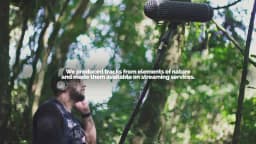
The #speakforthem campaign by Save the Children, developed with McCann Lima in 2015, addresses the alarming prevalence of child abuse in Peru, where approximately 60% of children experience such violations, many of which remain unreported due to fear. The campaign’s core proposition is to amplify the voices of vulnerable children by encouraging public acknowledgment and breaking the silence surrounding abuse. It positions the brand as a catalyst for social change, committed to protecting children by fostering awareness and encouraging collective action against abuse.
Strategically, the campaign leverages the cultural influence of Peruvian celebrities and the popularity of the Dubsmash app to engage younger, digitally-active audiences. By having well-known figures post personalized videos through a trending, playful platform, the campaign creates an accessible entry point for viewers who might otherwise avoid confronting this difficult subject. This approach uses a social experiment/documentary style to evoke empathy while simultaneously promoting user participation and viral sharing potential, aiming to mobilize public support. The choice of digital media allows for targeted outreach within the tech-savvy demographic, ensuring relevance and immediacy in message delivery. Overall, the campaign combines social proof with contemporary digital behavior patterns to transform awareness into meaningful dialogue and action around child protection in Peru.
FORMAT#8 ONGOING CHARACTERS OR CELEBRITIES — Uses a recurring personality or celebrity for brand recall.
The #speakforthem campaign centers around Peruvian celebrities who use their own voices (via Dubsmash videos) to advocate for child abuse victims, aligning the message with recognizable faces to increase visibility and impact. There’s no complex story arc or solution-demonstration, nor is the approach testimonial, satirical, or reliant on visual symbolism. The format directly leverages celebrity influence to personify and amplify the campaign’s message, maximizing recall, trust, and emotional engagement through famous advocates consistent with the ONGOING CHARACTERS OR CELEBRITIES device.
ADVERTISING FORMATS EXPLAINED: https://www.clapboard.com/blog/branding-and-advertising/brand-strategy/12-advertising-creative-formats
1. UNICEF – Market Positioning
UNICEF positions itself globally as the leading advocate for children's rights and welfare, leveraging extensive partnerships with governments and communities to provide health, education, and emergency relief. Its trusted, evidence-based approach emphasizes policy influence and large-scale impact, setting it apart as a comprehensive protector of children’s well-being worldwide.
2. World Vision – Market Positioning
World Vision focuses on holistic child development through community empowerment and faith-based initiatives, distinguishing itself by combining humanitarian aid with long-term community transformation. Its approach integrates education, health, and economic development to create sustainable change, appealing to donors seeking both immediate relief and systemic progress.
3. Plan International – Market Positioning
Plan International differentiates itself by championing children’s rights with a strong emphasis on gender equality, especially girls’ empowerment in vulnerable communities. It uses participatory programs to foster youth leadership and social inclusion, positioning as a forward-thinking, rights-driven organization dedicated to creating equal opportunities for children.
4. Compassion International – Market Positioning
Compassion International focuses on child sponsorship, providing individualized support that connects donors directly to children in need. Their faith-based model emphasizes personal relationships and spiritual development alongside education and health services, appealing to donors seeking tangible impact and personal engagement in a child’s life.
5. Save the Children Peru (Local NGOs) – Market Positioning
Local branches and allied NGOs under the Save the Children banner in Peru emphasize culturally sensitive programs addressing local child protection issues such as malnutrition and education access. These localized efforts position the brand as deeply integrated within Peruvian communities, enhancing trust and efficacy through targeted, grassroots interventions.
Q: What is #speakforthem about?
A: #speakforthem is a 2015 digital campaign created by McCann Lima for Save the Children in Peru, designed to confront the country’s alarming rate of child abuse—the highest in Latin America. The campaign enlisted prominent Peruvian celebrities to post Dubsmash videos, using the viral appeal of the app to raise awareness and encourage public dialogue about child abuse, a subject often silenced by fear and stigma. By leveraging celebrity influence and digital platforms, #speakforthem sought to break the silence, empower victims and witnesses to speak out, and position Save the Children as a catalyst for social change in Peru’s public interest sector.
Q: What creative device does #speakforthem use?
A: #speakforthem employs the ONGOING CHARACTERS OR CELEBRITIES format, classified as FORMAT#8 in Clapboard’s 12-format taxonomy. This approach centers on recognizable Peruvian celebrities who use their own voices through Dubsmash videos to advocate for child abuse victims, maximizing message recall and emotional engagement. Rather than relying on narrative arcs, testimonials, or visual symbolism, the campaign leverages the trust and visibility of public figures to personify its message, aligning with Clapboard’s criteria for campaigns that use recurring personalities or celebrities for brand recall and audience impact.
Q: What is the campaign proposition for #speakforthem?
A: The campaign proposition for #speakforthem positions Save the Children as an active force for child protection in Peru, addressing the urgent issue of widespread child abuse, much of which remains hidden due to fear and stigma. By amplifying the voices of vulnerable children through the advocacy of well-known celebrities on a popular digital platform, the campaign targets younger, digitally engaged audiences and encourages public acknowledgment of abuse. This strategic approach aims to transform awareness into collective action, fostering a culture of openness and support that aligns with Save the Children’s mission to drive meaningful social change in the public service category.
Q: How does #speakforthem rank in Clapboard's archive?
A: #speakforthem holds a Clapboard Campaign Score of 60/100 in Clapboard’s global ad archive. This score reflects the campaign’s creative ambition, execution quality, and cultural relevance within the context of digital public interest advertising in Peru.
Q: Who are the competitors in Save the Children's category?
A: In the public service and child welfare sector, Save the Children faces competition from UNICEF, which is recognized for its global advocacy and policy-driven impact on children’s rights; World Vision, known for its holistic, community-based development and faith-oriented programs; Plan International, which stands out for its focus on gender equality and youth empowerment; and Compassion International, which emphasizes direct child sponsorship and personal donor relationships. Locally, Save the Children Peru competes with grassroots NGOs that prioritize culturally sensitive interventions and community trust to address issues like malnutrition and education access.


 ARCHIVE
.webp)