


Chef’s Vitamins - Garden of Life | Clapboard Ad Archive
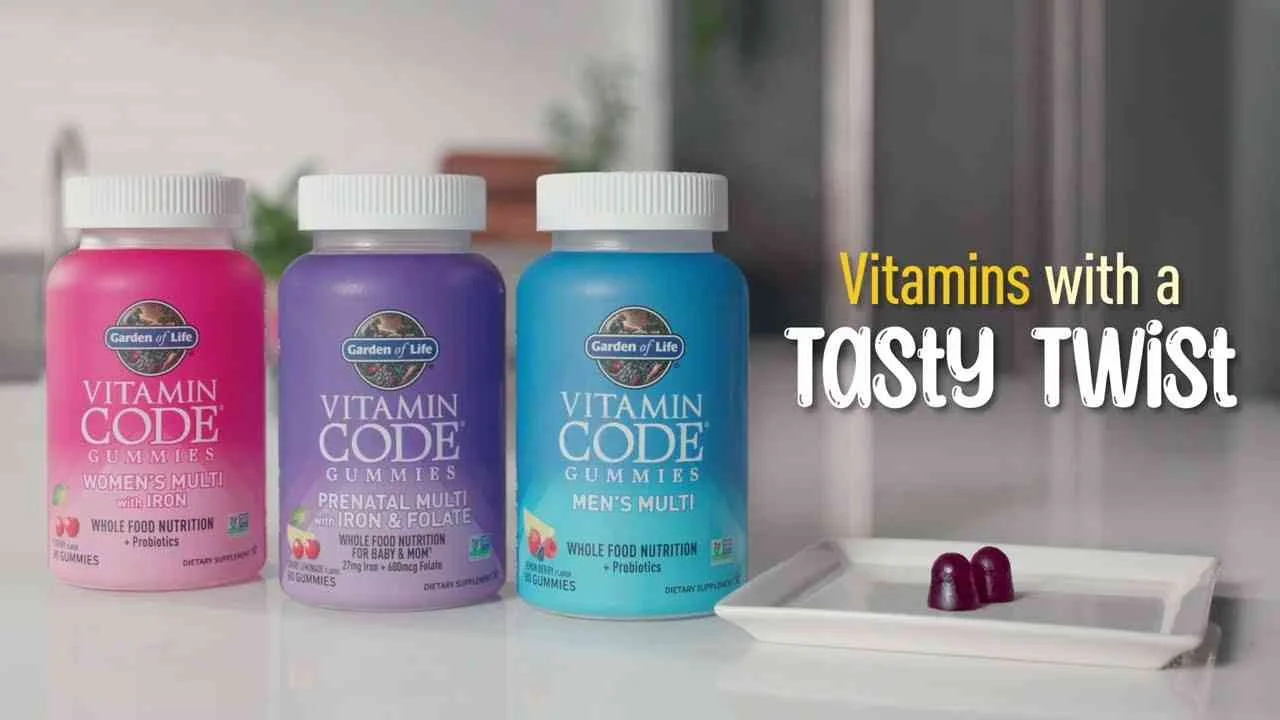
Garden of Life’s Chef’s Vitamins campaign, developed by Humanaut for the US healthcare market in 2023, reframes the multivitamin experience by treating the brand’s Vitamin Code gummy products as culinary masterpieces deserving of star-chef treatment. With a pair of tightly executed 15-second video assets set in the heightened theatre of a gourmet kitchen, the campaign borrows the solemnity and ceremony of high-end gastronomy — a creative approach that sits squarely in Clapboard’s FORMAT#12—Parody or Borrowed Format. In each spot, the vitamins are dramatically served under a cloche, smoke swirling as if at a Michelin-starred unveiling, blurring the codes of supplementation and fine dining and positioning the humble multivitamin gummy as an object of both utility and desire. This theatrical twist is not played for mere novelty: it strategically asserts Garden of Life’s core differentiators of organic integrity, traceable sourcing, and clinical validation, while also confronting head-on the perennial challenge that no one actually seeks out vitamins for flavor. By humorously elevating the act of taking vitamins to a gastronomic ritual, Humanaut directs attention to the brand’s promise of clean, uncompromised ingredients and sustainable practices, reinforcing Garden of Life’s leadership in natural wellness amidst a crowded, increasingly discerning marketplace. With their focus divided between a general multivitamin and a dedicated women’s variant, the campaign demonstrates segmentation savvy, broadening consumer relevance without diffusing the central brand truth of health empowerment through superior, thoughtfully composed nutrition. The overall execution is visually rich and contextually resonant, echoing industry dynamics that increasingly prize authenticity, transparency, and product storytelling elevated beyond basic claims into lifestyle aspiration. Clapboard rates this 63/100. Garden of Life’s Chef’s Vitamins campaign signals the growing opportunity for brands in healthcare to leverage pop culture genres and humor to reframe product desirability, provided the creative insight remains closely aligned with real product benefits.












.webp)


