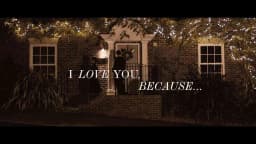
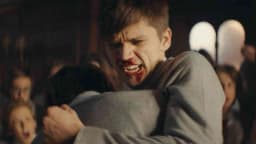
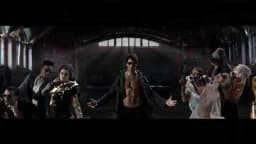
The "Seen it all" campaign for Randolph, launched in the UK in July 2016 by RKCR, positions the brand as a sophisticated choice for consumers who value timeless style and confident individuality. The campaign’s core proposition conveys that Randolph eyewear is designed for those who have experienced a breadth of life’s moments—implying durability, authenticity, and a mature sense of fashion that transcends passing trends. This creates an emotional connection by suggesting the brand’s products are not just accessories but companions on a lived, well-rounded journey.
From a market strategy perspective, the campaign taps into an insight that modern consumers, especially within the fashion and eyewear sectors, seek more than just functional items; they want products that reflect their personal narratives and worldliness. By adopting the theme “Seen it all,” the creative angle appeals to an audience who perceives themselves as discerning, experienced, and style-conscious individuals. This approach effectively differentiates Randolph from competitors that may emphasize youth or trend-driven aesthetics, instead highlighting durability and classic appeal.
The choice of film as a medium allows for a visual storytelling technique that aligns with the brand’s desire to evoke emotion and sophistication. Limited but focused digital engagement metrics suggest a targeted outreach rather than mass-market exposure, aligning with a strategy to engage niche consumers within the UK fashion market who appreciate heritage, quality, and a subtle form of self-expression through eyewear. Overall, the campaign integrates brand narrative and audience insight to position Randolph as a brand synonymous with enduring style and personal experience.
FORMAT#10 ASSOCIATED USER IMAGERY — Shows a user profile the target audience can relate to or aspire to.
The campaign title "Seen it all," combined with the fashion/apparel market and brand Randolph—a company known for premium eyewear—suggests a creative device focusing on aspirational users. The title implies a worldly, experienced persona, which resonates with fashion audiences seeking sophistication and credibility. There is no evidence of a literal narrative arc, problem–solution framing, testimonial, celebrity, parody, or direct demonstration. Instead, the ad likely leverages evocative imagery of the ideal Randolph wearer, letting viewers project themselves into that aspirational lifestyle, making Associated User Imagery the best fit.
1. Persol – Market Positioning
Persol positions itself as a luxury eyewear brand that combines Italian craftsmanship with timeless design. Known for its artisanal quality and vintage-inspired aesthetics, Persol appeals to discerning consumers who value heritage, exclusivity, and premium materials in their fashion accessories.
2. Oliver Peoples – Market Positioning
Oliver Peoples emphasizes understated luxury and sophisticated, minimalist design. The brand targets affluent, style-conscious customers who appreciate subtle detailing and high-quality materials, positioning itself as a refined alternative to flashier eyewear brands in the premium segment.
3. Ray-Ban – Market Positioning
Ray-Ban is positioned as an iconic, widely recognized eyewear brand that blends classic styles with contemporary culture. It appeals to a broad, cross-generational audience seeking authentic, durable, and fashionable sunglasses that deliver both heritage and trend relevance at a mid-premium price point.
4. Tom Ford – Market Positioning
Tom Ford eyewear is positioned as high-end, fashion-forward luxury with bold, glamorous designs. Targeting affluent consumers who prioritize status and cutting-edge style, the brand leverages Tom Ford’s celebrity designer persona to convey exclusivity and modern sophistication.
5. Warby Parker – Market Positioning
Warby Parker disrupts the eyewear market with its direct-to-consumer model offering stylish, affordable prescription glasses and sunglasses. Focused on accessibility, social responsibility, and seamless online purchasing, it appeals to younger, value-conscious, and digitally savvy customers.
Q: What is Seen it all about?
A: Seen it all is a professional campaign launched in the United Kingdom in 2016 for Randolph, a premium eyewear brand, and created by the ad agency RKCR. The campaign uses a film medium to position Randolph within the competitive fashion market, focusing on a single, impactful media asset. Its central creative idea is to encapsulate the bold, confident spirit of the brand, targeting fashion-conscious audiences who appreciate a blend of timeless style and modern edge. The campaign visually narrates a story that appeals to individuals who have witnessed a broad spectrum of fashion trends, reinforcing Randolph’s authenticity and enduring appeal.
Q: What creative device does Seen it all use?
A: Seen it all employs FORMAT#10 ASSOCIATED USER IMAGERY, as classified by Clapboard's 12-format taxonomy. This creative device centers on showcasing a user profile that the target audience can relate to or aspire to, rather than relying on literal narrative, testimonials, or celebrity endorsements. The campaign leverages evocative imagery of the ideal Randolph wearer, inviting viewers to project themselves into an aspirational lifestyle. This approach aligns with fashion advertising best practices, using visual cues and mood to communicate sophistication, experience, and a seasoned perspective on style.
Q: What is the campaign proposition for Seen it all?
A: The campaign proposition for Seen it all is to position Randolph as the eyewear brand of choice for consumers who value timeless style, durability, and confident individuality. By suggesting that Randolph products are companions for those who have experienced a breadth of life’s moments, the campaign appeals to a discerning audience seeking authenticity and a mature sense of fashion. This strategy differentiates Randolph from competitors focused on youth or fleeting trends, instead highlighting heritage and classic appeal. The film medium is used to evoke emotion and sophistication, targeting UK consumers who appreciate quality and subtle self-expression.
Q: How does Seen it all rank in Clapboard's archive?
A: Seen it all holds a Clapboard Campaign Score of 63/100 in Clapboard's global ad archive. This score reflects the campaign’s creative ambition, execution quality, and cultural relevance within the fashion and eyewear sector.
Q: Who are the competitors in Randolph's category?
A: In the premium eyewear category, Randolph competes with brands such as Persol, which is known for Italian craftsmanship and vintage-inspired luxury; Oliver Peoples, which emphasizes understated sophistication and minimalist design for affluent consumers; Ray-Ban, which blends classic styles with contemporary culture to appeal to a broad audience; Tom Ford, which offers high-end, fashion-forward eyewear with a focus on exclusivity and modern glamour; and Warby Parker, which disrupts the market with accessible, stylish options and a direct-to-consumer model targeting younger, digitally savvy customers.


 ARCHIVE
.webp)