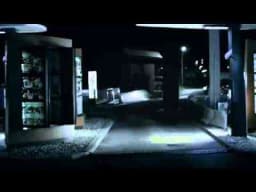
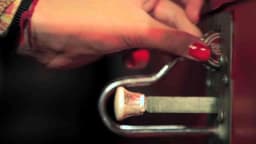
The "Time Tunnel" campaign by Pepsi, executed in the UK in 2014, leverages an ambient advertising approach to reinforce the brand’s core proposition of refreshment and timeless enjoyment. By situating the brand within a creative contextual experience, the campaign seeks to evoke a sense of nostalgia and continuity, positioning Pepsi as a constant companion across different moments and eras. This aligns with Pepsi’s broader brand promise of delivering a refreshing beverage that transcends time, connecting emotionally with consumers through shared cultural references and memories.
From a market strategy perspective, the campaign taps into the insight that consumers value experiences that link past and present, fostering emotional engagement beyond the product itself. By creating a "time tunnel," the campaign appeals to a diverse age group familiar with Pepsi’s longstanding presence, implicitly targeting both loyal customers and potential new consumers intrigued by the brand’s legacy. The ambient medium choice—a physical, experiential format—supports this connection by offering an immersive, visible reminder of the brand’s heritage in a modern context. This creative angle also serves to break through digital clutter, using tangible environmental interaction to generate curiosity and reinforce brand recall. Overall, the strategy integrates cultural resonance with innovative execution to strengthen Pepsi’s position in the competitive non-alcoholic drinks market.
FORMAT#9 SYMBOLIZE THE BENEFIT — Uses symbols or exaggerated visuals to represent the product’s positive impact.
The campaign title “Time Tunnel” and its classification as an Ambient medium in the Performance genre indicate a creative device built around a symbolic or exaggerated presentation—most likely suggesting that Pepsi can transport consumers through time or offer a transformative, escapist experience. No direct problem/solution structure, testimonial, comparison, or story arc is described, and no mention of celebrities or parody. The “Time Tunnel” metaphorically represents the unique benefit or exhilarating effect of consuming Pepsi, aligning with the use of symbolism to dramatize the product’s impact rather than demonstrating or narrating it literally.
ADVERTISING FORMATS EXPLAINED: https://www.clapboard.com/blog/branding-and-advertising/brand-strategy/12-advertising-creative-formats
1. Coca-Cola – Market Positioning
Coca-Cola positions itself as a timeless, iconic brand synonymous with happiness, sharing, and moments of joy. It emphasizes emotional connections, heritage, and universal appeal, often leveraging nostalgia and global cultural relevance to maintain market leadership in carbonated soft drinks.
2. Red Bull – Market Positioning
Red Bull differentiates through its energy-boosting benefits, targeting active, young, and adventurous consumers. It aligns with extreme sports, high-energy events, and a lifestyle of performance and stamina, positioning itself as more than a drink—an enabler of energy and mental alertness.
3. Ribena – Market Positioning
Ribena focuses on natural fruit ingredients and health benefits, particularly vitamin C content. It targets families and health-conscious consumers looking for fruit-based, non-carbonated soft drinks with a wholesome, refreshing image rooted in British heritage.
4. Lucozade – Market Positioning
Lucozade is positioned as a sports and energy drink designed to fuel physical activity and recovery. It appeals to fitness enthusiasts and health-conscious consumers by promoting energy replenishment, endurance, and vitality, often associating itself with athletic performance and wellbeing.
5. Fanta – Market Positioning
Fanta targets a youthful, fun-loving audience with vibrant flavors and playful branding. It emphasizes bold fruit tastes and an energetic personality, often using colorful and creative advertising to differentiate itself as a lively, refreshing alternative within the soft drink market.
Q: What is Time tunnel about?
A: Time tunnel is a professional campaign created for Pepsi by BBDO and launched in the United Kingdom in 2014. Designed as an ambient advertising initiative within the non-alcoholic drinks sector, the campaign centers on an immersive, experiential environment that invites consumers to engage with the brand in a memorable way. By leveraging the concept of a time tunnel, the campaign evokes nostalgia and highlights Pepsi’s enduring relevance across generations. This approach positions Pepsi as a beverage that transcends eras, reinforcing its status as a culturally significant and timeless refreshment.
Q: What creative device does Time tunnel use?
A: Time tunnel employs the FORMAT#9 SYMBOLIZE THE BENEFIT technique, as classified by Clapboard’s 12-format taxonomy. This creative device uses symbolic or exaggerated visuals to represent the positive impact of the product, rather than relying on literal demonstration or narrative. In this campaign, the time tunnel metaphorically suggests that Pepsi offers a transformative, escapist experience—transporting consumers through different moments in time. By dramatizing the brand’s effect in an imaginative way, the campaign delivers its message with visual flair and emotional resonance.
Q: What is the campaign proposition for Time tunnel?
A: The campaign proposition for Time tunnel is to reinforce Pepsi’s core promise of refreshment and timeless enjoyment by situating the brand within a creative, contextually rich experience. Targeting a broad audience familiar with Pepsi’s longstanding presence, the campaign seeks to connect emotionally with consumers by evoking nostalgia and continuity. This strategic positioning emphasizes Pepsi as a constant companion across different eras, appealing to both loyal customers and new consumers intrigued by the brand’s legacy. The ambient, experiential format serves to deepen engagement and enhance brand recall in a competitive market.
Q: How does Time tunnel rank in Clapboard's archive?
A: Time tunnel holds a Clapboard Campaign Score of 69/100 in Clapboard’s global ad archive. This score reflects the campaign’s creative ambition, execution quality, and cultural relevance as assessed by Clapboard’s curatorial standards.
Q: Who are the competitors in Pepsi's category?
A: In the non-alcoholic drinks category, Pepsi competes with several major brands. Coca-Cola is positioned as an iconic, timeless brand focused on happiness and universal appeal, often leveraging nostalgia and global cultural relevance. Red Bull differentiates itself through energy-boosting benefits and a strong association with high-energy, adventurous lifestyles. Ribena emphasizes natural fruit ingredients and health benefits, targeting families and health-conscious consumers. Lucozade is marketed as a sports and energy drink for fitness enthusiasts seeking vitality and endurance. Fanta appeals to a youthful audience with bold flavors and playful branding, positioning itself as a lively, refreshing alternative.


 ARCHIVE
.webp)