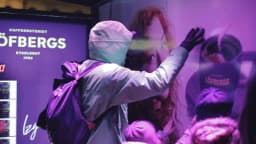
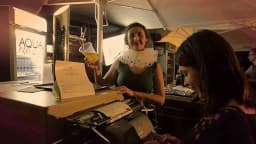
In 2013, Pepsi Belgium launched "The Like Machine," an innovative sampling campaign designed to modernize product trials by leveraging social media engagement rather than traditional physical transactions. The campaign’s core brand proposition centered on creating a seamless, interactive experience that rewards consumer participation with immediate gratification, reinforcing the idea that Pepsi aligns with contemporary digital behaviors and social connectivity. By allowing consumers to exchange a Facebook “like” for a free Pepsi, the brand emphasized a two-way relationship, combining product sampling with direct digital engagement to cultivate a more measurable and responsive connection.
The campaign strategy was grounded in the insight that younger, tech-savvy consumers increasingly integrate social media into daily life, valuing real-time, shareable experiences over conventional promotions. By situating the Like Machine at high-profile events such as the Beyoncé concert in Antwerp, Pepsi targeted a relevant, engaged audience already primed for brand interaction and social sharing. The use of smartphone location data ensured that only nearby users could participate, adding exclusivity and immediacy to the offer. Incorporating a touchscreen login option expanded accessibility to those without smartphones, broadening reach while maintaining seamless integration with Facebook’s platform. This approach allowed Pepsi to collect valuable consumer data in real time, enabling immediate follow-up communication and personalized marketing efforts. Overall, the campaign redefined sampling by connecting offline product distribution with online behavior, positioning Pepsi as a brand attuned to evolving consumer habits and digital engagement.
FORMAT#1 DEMONSTRATION — Directly shows how a product works and highlights its benefits.
This campaign is best categorized as a Demonstration format because the core creative device is the real-life showcasing of the "Like Machine." Instead of relying on narrative or metaphor, Pepsi and TBWA Belgium present a new sampling mechanism: a vending machine activated by a Facebook like. The campaign details focus on how it works (like Pepsi’s Facebook page to get a can), clarifying both technological novelty and consumer benefit in action. There is no storyline, testimonial, symbolic device, or explicit competitive contrast—just a clear, documented demonstration of an innovative sampling experience that merges digital engagement with immediate product gratification.
ADVERTISING FORMATS EXPLAINED: https://www.clapboard.com/blog/branding-and-advertising/brand-strategy/12-advertising-creative-formats
1. Coca-Cola – Market Positioning
Coca-Cola positions itself as the quintessential, iconic global cola brand embodying happiness, tradition, and moments of togetherness. It emphasizes emotional storytelling, heritage, and universal appeal, leveraging widespread distribution and consistent branding to maintain its leadership in the non-alcoholic soft drink market.
2. Red Bull – Market Positioning
Red Bull leads as a premium energy drink brand focused on energy, performance, and an adventurous lifestyle. It differentiates itself through targeted marketing in extreme sports, youth culture, and events, embodying vitality and mental alertness rather than traditional refreshment.
3. Dr Pepper Snapple Group (Dr Pepper) – Market Positioning
Dr Pepper offers a unique flavor profile distinct from colas, targeting consumers seeking differentiation and bold taste. It positions itself as a quirky, flavorful option with a rich heritage and a slightly niche yet loyal demographic appeal within the soft drink category.
4. Monster Beverage Corporation (Monster Energy) – Market Positioning
Monster Energy positions itself as a bold, edgy energy drink brand aligned with alternative sports and music cultures. It attracts a younger audience seeking energy boosts linked to extreme lifestyle and rebellious attitude, differentiating through high caffeine and aggressive branding.
5. Orangina – Market Positioning
Orangina is positioned as a premium, natural fruit soda brand emphasizing its authentic citrus flavor, natural ingredients, and playful, stylish French Mediterranean heritage. It appeals to consumers looking for a refreshing, slightly sophisticated alternative to carbonated colas and artificial drinks.
Q: What is The Like Machine about?
A: The Like Machine is a 2013 campaign created by TBWA for Pepsi in Belgium, aiming to reinvent traditional product sampling by integrating digital engagement. Instead of handing out free drinks through promo staff, Pepsi introduced a vending machine that dispensed a free can of Pepsi in exchange for a Facebook like. Consumers could participate using their smartphones or a built-in touchscreen, ensuring accessibility and real-time interaction. Debuting at the Beyoncé concerts in Antwerp, the campaign combined offline product distribution with online social media engagement, allowing Pepsi to gather valuable consumer data and foster immediate communication with its target audience.
Q: What creative device does The Like Machine use?
A: The Like Machine employs the Demonstration format, as classified by Clapboard’s 12-format taxonomy. This approach directly showcases how the vending machine works, highlighting its core benefit: exchanging a Facebook like for a free Pepsi. The campaign avoids narrative, testimonial, or metaphor, focusing instead on a real-world demonstration of the technology in action. By presenting the process step-by-step—consumers logging in, liking the Facebook page, and receiving a drink—the campaign makes the innovation tangible and transparent, aligning with the Demonstration format’s emphasis on clarity and immediate product benefit.
Q: What is the campaign proposition for The Like Machine?
A: The campaign proposition for The Like Machine centers on modernizing product sampling by leveraging social media engagement to create a seamless, interactive brand experience. Pepsi positions itself as a brand attuned to contemporary digital behaviors, targeting younger, tech-savvy consumers who value real-time, shareable experiences. By offering a free Pepsi in exchange for a Facebook like, the brand establishes a two-way relationship that is both measurable and responsive. This strategy not only drives immediate trial but also enables Pepsi to collect actionable consumer data, reinforcing its relevance in the evolving landscape of the non-alcoholic drinks market.
Q: How does The Like Machine rank in Clapboard's archive?
A: The Like Machine holds a Clapboard Campaign Score of 81/100. This score reflects the campaign’s creative ambition, the quality of its execution, and its cultural relevance as assessed by Clapboard’s global ad archive.
Q: Who are the competitors in Pepsi's category?
A: In the non-alcoholic drinks market, Pepsi competes with Coca-Cola, which is positioned as the iconic global cola brand focused on happiness and tradition; Red Bull, which leads in energy drinks with a focus on performance and an adventurous lifestyle; Dr Pepper Snapple Group’s Dr Pepper, which offers a distinctive, bold flavor for consumers seeking differentiation; Monster Beverage Corporation’s Monster Energy, which appeals to youth culture with an edgy, rebellious image; and Orangina, which targets those seeking a premium, natural fruit soda with a playful Mediterranean heritage.


 ARCHIVE
.webp)