


TXTBKS - Smart Communications | Clapboard Ad Archive
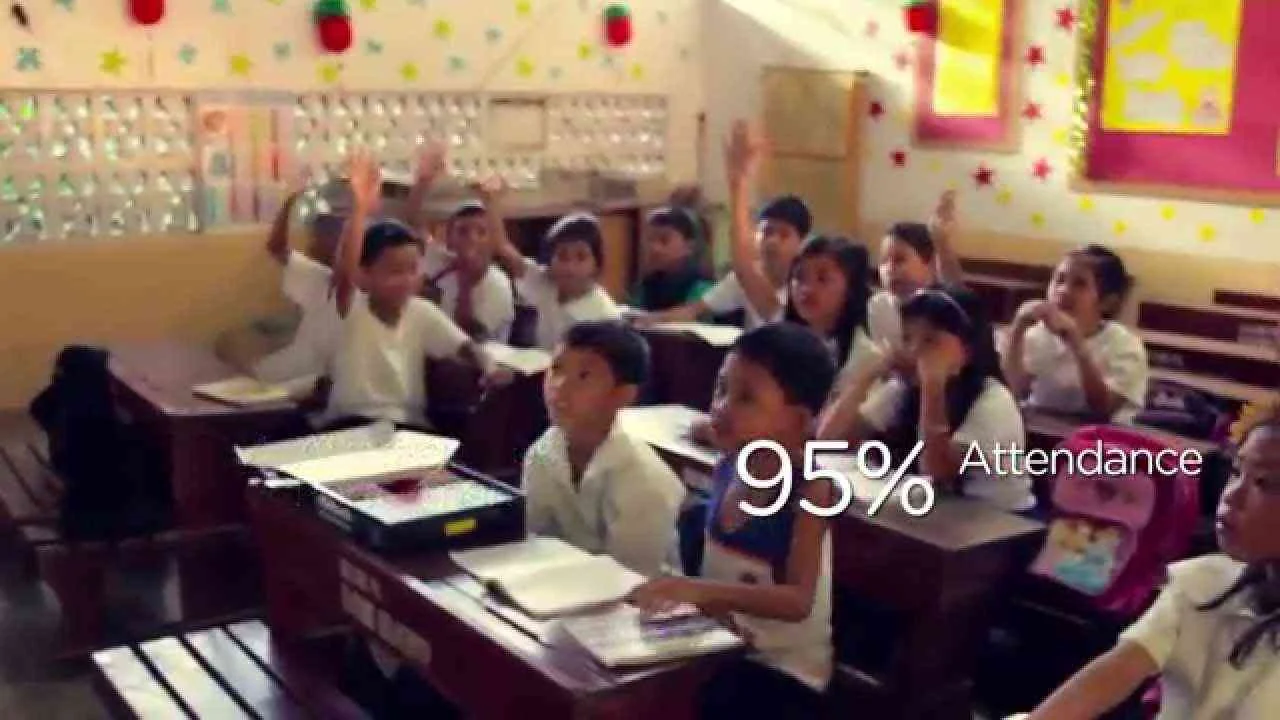
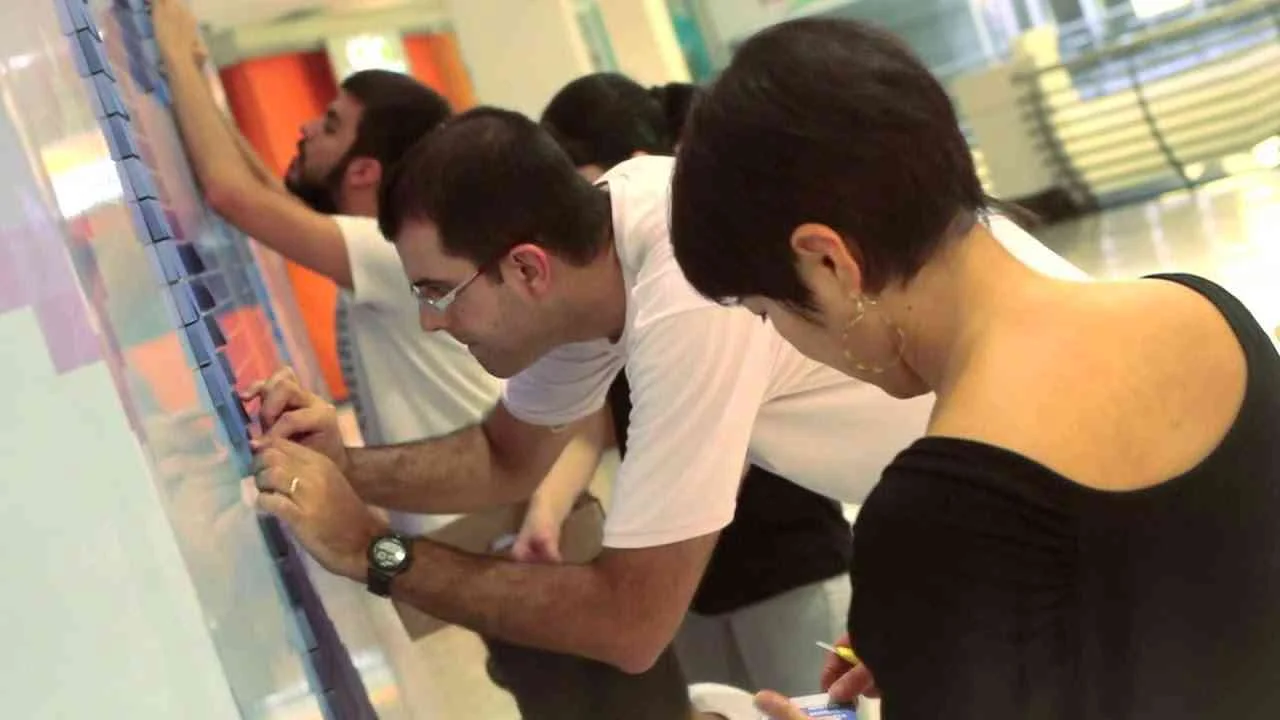
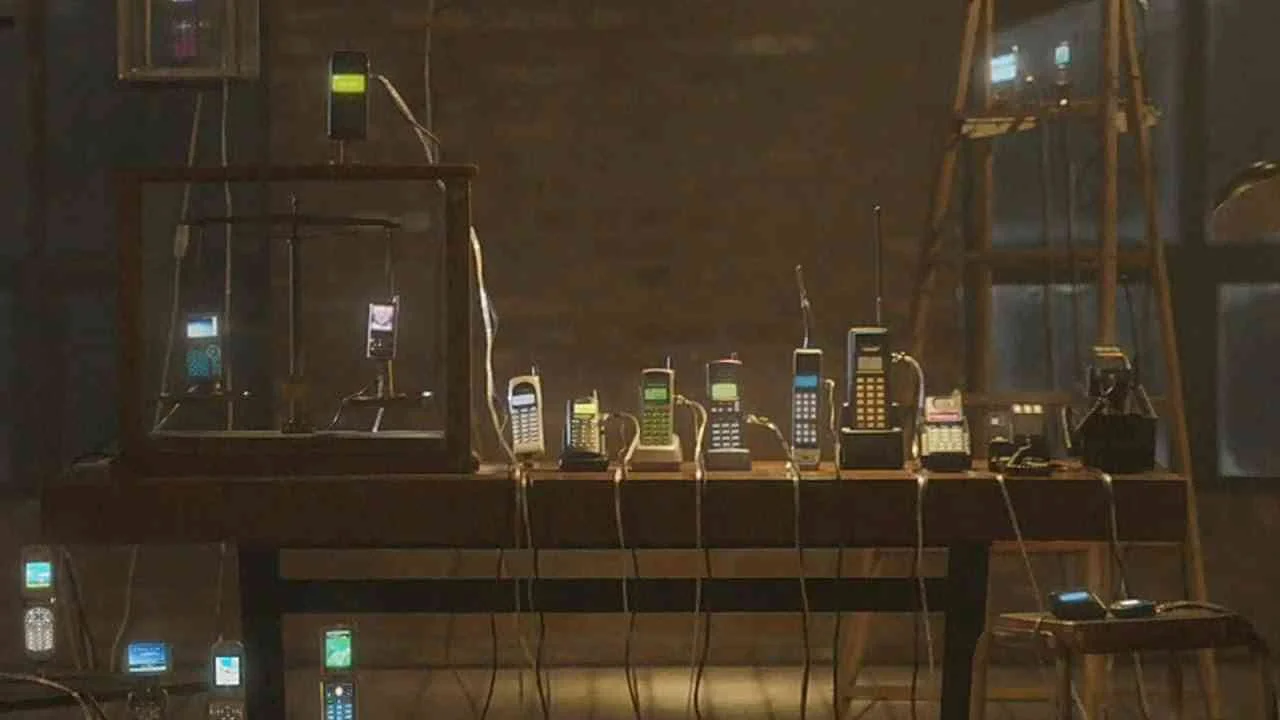
Smart Communications’ TXTBKS campaign, launched in the Philippines in 2013 with DDB as the creative agency, represents a milestone in the Electronics and Technology market category by directly addressing a widespread issue faced by millions of public school children: the physical and logistical burden of carrying up to 22 heavy textbooks on daily, often lengthy, walks to school. The campaign’s insight is stark and immediate — for many Filipino children, access to education comes with a literal weight on their backs — and the solution is as ingenious as it is accessible: by reprogramming surplus inactive sim cards with thousands of condensed grade school textbooks broken down into 160-character SMS messages, Smart Communications effectively turned even the most basic analog phones into portable e-readers, dramatically reducing the need for physical books and making educational content both free and vastly more accessible. The initiative was made possible through a close six-month collaboration with textbook authors and publishers to ensure both curricular fidelity and readability within the unique constraints of SMS. The narrative execution perfectly embodies what Clapboard’s taxonomy designates as FORMAT#2—Show the Problem, with the creative storytelling candidly foregrounding the everyday reality of Filipino students’ struggle and immediately flipping focus onto TXTBKS as a direct, technology-driven solution. The storytelling is concrete, focused, and deeply connected to the brand’s promise of connectivity as empowerment, leveraging digital thinking but with an intentionally low-tech, mass-market approach to ensure true social uplift. Recognition at the Cannes Lions Mobile Grand Prix cemented the campaign’s benchmark status, demonstrating that meaningful innovation in the category does not always demand cutting-edge hardware or high-resource platforms, but often blooms from creative repurposing of existing infrastructure in a way that connects both culturally and practically. The campaign earned 90/100 in Clapboard’s global creative archive. As a piece of strategic brand communication, TXTBKS doesn’t just solve for an infrastructural gap in developing markets, but underscores the continued relevance of intentionally simple, context-driven innovation in an industry too often preoccupied with novelty for its own sake, reminding marketers worldwide that the best technology stories put human advancement ahead of digital spectacle.










.webp)


