Nike’s 1988 “Just Do It” campaign encapsulates a brand proposition centered on motivation and empowerment, positioning the brand as a catalyst for personal achievement and athletic perseverance. The campaign’s core promise is to inspire individuals to overcome inertia and self-doubt by taking decisive action, reinforcing Nike’s identity as more than just an athletic footwear and apparel provider but as a partner in the pursuit of personal and athletic goals. This clear, concise mantra distills complex emotions around fear, hesitation, and ambition into a straightforward call to action, aiming to resonate universally across varied demographics.
From a market strategy perspective, the campaign leveraged a powerful psychological insight: many potential and existing athletes—whether professional, amateur, or casual exercisers—struggle with motivation and commitment. By emphasizing the primal, internal challenge of simply beginning the journey, the campaign appeals to a broad audience beyond elite sports enthusiasts to include everyday individuals striving for fitness or personal improvement. The creative angle is minimalist and direct, using the terse phrase “Just Do It” as a memorable slogan that cuts through advertising clutter and builds a lasting emotional connection. This approach allowed Nike to position itself distinctively within the competitive sports and fitness industry of the late 1980s, aligning its product offering with a compelling emotional narrative that encourages action and perseverance. The campaign’s enduring relevance further underscores its strategic success in tapping into universal human experiences related to discipline, courage, and self-motivation.
FORMAT#10 ASSOCIATED USER IMAGERY — Shows a user profile the target audience can relate to or aspire to.
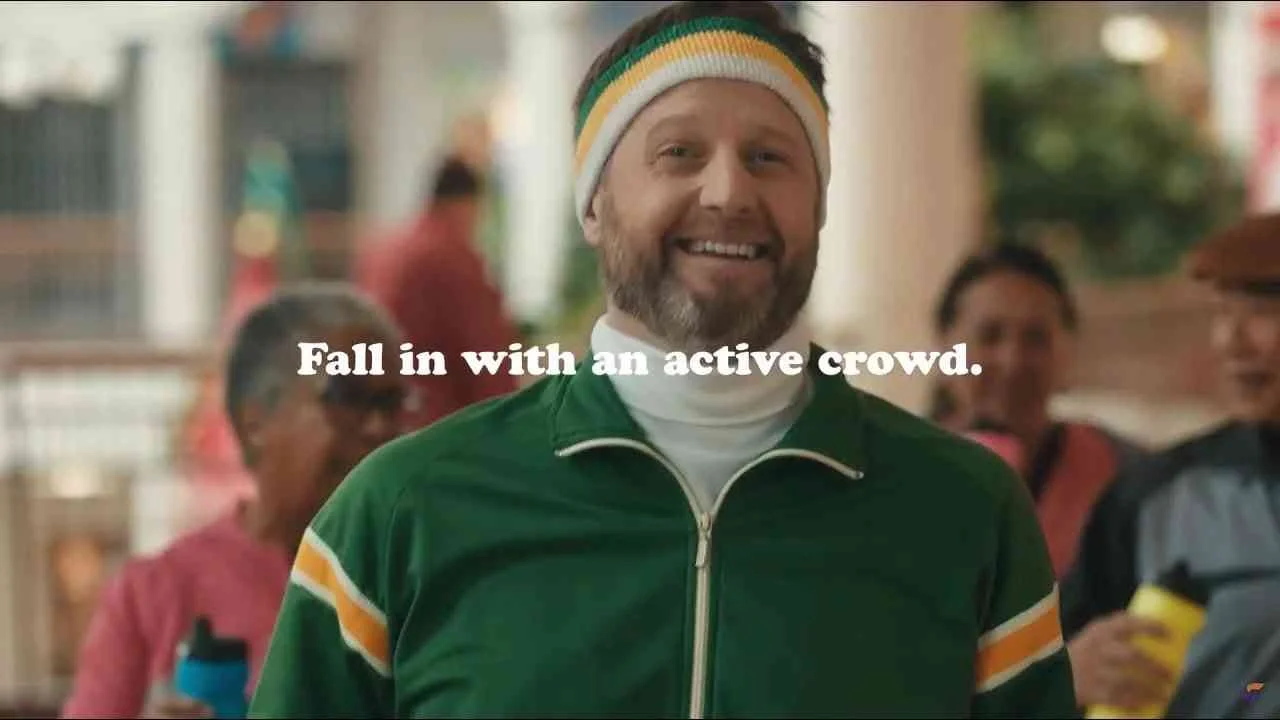
Nike’s “Just Do It” campaign is acclaimed for presenting inspiring, authentic imagery of athletes and everyday people embodying perseverance, drive, and action—reflecting viewers’ aspirations or self-image. The campaign rarely follows a singular narrative arc or problem-solution format; instead, it powerfully links the Nike brand with the mindset and identity of those who strive and push boundaries. The tagline and recurring visuals encourage viewers to see themselves as part of this ambitious, athletic community.
ADVERTISING FORMATS EXPLAINED: https://www.clapboard.com/blog/branding-and-advertising/brand-strategy/12-advertising-creative-formats
1. Adidas – Positioned as a global leader blending performance with style, Adidas emphasizes innovation, sustainability, and cultural relevance, collaborating with influencers and designers to strengthen its appeal beyond athletes to lifestyle consumers.
2. Under Armour – Focuses on advanced performance gear with a tech-driven approach, targeting serious athletes and fitness enthusiasts by prioritizing moisture-wicking fabrics and compression technology to enhance athletic performance.
3. Puma – Combines sport performance with fashion-forward design, carving a niche by embracing bold collaborations and street culture, appealing to younger demographics seeking both athletic function and trendy aesthetics.
4. Reebok – Centers on fitness and training innovation, historically strong in crossfit and aerobics markets, emphasizing community building and functional performance apparel that supports diverse workout regimens.
5. New Balance – Differentiates through emphasis on comfort, quality craftsmanship, and domestic manufacturing, appealing to both casual runners and performance athletes looking for reliable, durable, and supportive footwear and apparel.
Q: What is Just Do It about?
A: Just Do It is a landmark campaign launched by Nike in the United States in 1988, created by the agency Wieden + Kennedy. This film-based campaign redefined sports marketing by presenting a powerful, motivational message that encouraged individuals to push beyond their limits and take decisive action. By focusing on the universal themes of determination and ambition, Just Do It positioned Nike as a brand deeply connected to athletic excellence and personal empowerment. The campaign’s minimalist creative approach resonated across the sports industry, inspiring both athletes and everyday people to embrace perseverance and an active lifestyle.
Q: What creative device does Just Do It use?
A: Just Do It employs FORMAT#10 ASSOCIATED USER IMAGERY, as classified by Clapboard’s 12-format taxonomy. This creative device centers on showcasing relatable or aspirational user profiles—athletes and everyday individuals—who embody the campaign’s ethos of perseverance and drive. Rather than following a traditional narrative or problem-solution structure, the campaign uses authentic, inspiring imagery to forge a direct emotional connection with viewers, encouraging them to see themselves as part of Nike’s ambitious, athletic community. This approach reinforces the brand’s identity through powerful visual storytelling and succinct messaging.
Q: What is the campaign proposition for Just Do It?
A: The campaign proposition for Just Do It is rooted in motivation and empowerment, positioning Nike as a catalyst for personal achievement and athletic perseverance. The brand’s message is a clear call to action—encouraging individuals to overcome inertia and self-doubt by simply starting their journey, regardless of their athletic level. By distilling complex emotions around fear and ambition into the concise mantra Just Do It, Nike appeals to a broad audience, from elite athletes to everyday fitness seekers. This strategic positioning aligns Nike with the universal pursuit of discipline, courage, and self-motivation in the sports and fitness market.
Q: How does Just Do It rank in Clapboard's archive?
A: Just Do It holds a Clapboard Campaign Score of 82/100. This score reflects the campaign’s creative ambition, execution quality, and enduring cultural relevance as determined by Clapboard’s global ad archive.
Q: Who are the competitors in Nike's category?
A: In the sports and fitness market, Nike faces competition from Adidas, which blends performance with style and leverages cultural relevance through high-profile collaborations; Under Armour, known for its tech-driven performance gear targeting serious athletes; Puma, which merges sport performance with fashion-forward design to attract younger, trend-conscious consumers; Reebok, focusing on fitness innovation and community-driven training apparel; and New Balance, which emphasizes comfort, craftsmanship, and domestic manufacturing to appeal to both casual runners and performance athletes seeking reliability and support.


 ARCHIVE


.webp)