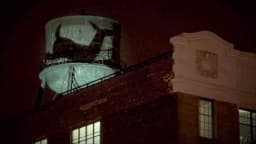
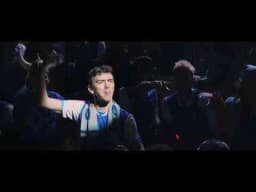
The 'Dragon, Tucan, Antilope' campaign by Marvin Magazine, produced by Latinworks in 2014, positions the brand as a distinctive voice within the media and entertainment landscape. By utilizing a montage format, the campaign appears to emphasize creativity, diversity, and dynamic storytelling—qualities that likely resonate with an audience seeking fresh, culturally relevant media content. The campaign’s title and its choice of symbolic animal motifs suggest an exploration of varied identities and perspectives, aligning with Marvin Magazine’s probable aim to offer nuanced and multifaceted narratives.
Strategically, the campaign targets a demographic attuned to sophisticated media consumption, possibly urban, culturally savvy viewers who appreciate editorial depth and artistic expression. The use of film and montage as a creative device serves to engage viewers visually and intellectually, creating an immersive experience that differentiates the brand in a crowded market. This approach signals an insight into the audience’s desire for content that reflects both global influences and local authenticity, positioning Marvin Magazine as a curator of impactful, culturally resonant stories. The campaign’s release in the United States and presentation in English further underscores a focus on broad accessibility within a competitive media environment. Although its digital footprint, as indicated by modest engagement metrics on YouTube, suggests limited reach or niche appeal at launch, the campaign’s conceptual framework highlights a deliberate attempt to establish Marvin Magazine as an imaginative media entity that transcends traditional formats through innovative montage storytelling.
FORMAT#9 SYMBOLIZE THE BENEFIT — Uses symbols or exaggerated visuals to represent the product’s positive impact.
This campaign most likely employs the "Symbolize the Benefit" format. From the titles—'Dragon', 'Tucan', 'Antilope'—and the montage genre, the creative device hints at the use of striking animal imagery as symbolic representations. In the context of a media magazine, such animals could serve as metaphors for the magazine’s qualities: fierceness, exoticness, agility, or uniqueness. The absence of testimonial structure, problem-solution framing, story arc, celebrity involvement, or comparison cues further points to the use of symbolic, perhaps surreal, visuals to communicate the perceived benefits or the spirit of Marvin Magazine in a memorable, abstract way. Montage reinforces the idea of highlighting qualities symbolically, not narratively.
ADVERTISING FORMATS EXPLAINED: https://www.clapboard.com/blog/branding-and-advertising/brand-strategy/12-advertising-creative-formats
1. The New Yorker – Positioned as a highbrow, culturally rich magazine blending in-depth journalism, literary fiction, and sophisticated satire, The New Yorker appeals to readers who value intelligent storytelling and comprehensive cultural critique.
2. The Atlantic – Known for its authoritative editorial voice, The Atlantic focuses on thoughtful analysis of politics, culture, and current events, differentiating itself through long-form journalism and engagement with contemporary intellectual discourse.
3. Wired – Emphasizing innovation and technology’s impact on culture and society, Wired positions itself at the cutting edge of media by exploring future trends, digital culture, and the convergence of technology with everyday life.
4. Vanity Fair – A lifestyle and culture magazine blending celebrity news, high-profile interviews, and investigative journalism, Vanity Fair differentiates itself through glamour, exclusivity, and a focus on pop culture’s intersection with politics and society.
5. New York Magazine – Combining local New York focus with broad cultural coverage, New York Magazine distinguishes itself by delivering timely news, entertainment, and lifestyle content with a vibrant, urban sensibility and strong visual storytelling.
Q: What is Dragon, Tucan, Antilope about?
A: Dragon, Tucan, Antilope is a 2014 campaign created by Latinworks for Marvin Magazine, targeting the United States media and entertainment market. The campaign consists of three film-based media assets, each employing a montage style to deliver visually striking and conceptually rich storytelling. By leveraging symbolic animal motifs, the campaign seeks to position Marvin Magazine as an innovative and culturally attuned publication. The creative direction emphasizes diversity and dynamic narrative techniques, aiming to engage a sophisticated audience and reinforce the brand’s identity as a curator of impactful, contemporary media content.
Q: What creative device does Dragon, Tucan, Antilope use?
A: Dragon, Tucan, Antilope employs the Symbolize the Benefit format, as classified by Clapboard’s 12-format taxonomy. This approach uses symbolic or exaggerated visuals—in this case, animal imagery such as dragons, toucans, and antelopes—to represent the positive attributes of Marvin Magazine. Rather than relying on testimonials, linear storytelling, or celebrity endorsements, the campaign utilizes a montage structure to communicate the brand’s qualities in an abstract and memorable way. The creative device is designed to evoke the magazine’s spirit of creativity, uniqueness, and cultural resonance through metaphorical visual storytelling.
Q: What is the campaign proposition for Dragon, Tucan, Antilope?
A: The campaign proposition for Dragon, Tucan, Antilope centers on positioning Marvin Magazine as a distinctive and imaginative voice within the media and entertainment landscape. By employing a montage format and symbolic animal motifs, the campaign targets urban, culturally savvy consumers who value editorial depth and artistic expression. The strategic message is that Marvin Magazine curates nuanced, multifaceted narratives that reflect both global influences and local authenticity. This proposition is intended to differentiate the brand in a competitive market, appealing to audiences seeking fresh, culturally relevant media content that stands apart from conventional offerings.
Q: How does Dragon, Tucan, Antilope rank in Clapboard's archive?
A: Dragon, Tucan, Antilope holds a Clapboard Campaign Score of 57/100 in Clapboard’s global ad archive. This score reflects the campaign’s creative ambition, execution quality, and cultural relevance as assessed by Clapboard’s curatorial standards.
Q: Who are the competitors in Marvin Magazine's category?
A: In the media and entertainment category, Marvin Magazine competes with several established brands. The New Yorker is known for its highbrow, culturally rich journalism and literary content, appealing to readers who value intelligent storytelling. The Atlantic distinguishes itself through authoritative analysis of politics and culture, with a focus on long-form journalism. Wired leads with innovation and technology-driven content, exploring the intersection of digital culture and society. Vanity Fair blends celebrity coverage with investigative journalism and a focus on glamour and exclusivity. New York Magazine combines local urban focus with broad cultural coverage, offering vibrant visual storytelling and timely news.


 ARCHIVE
.webp)