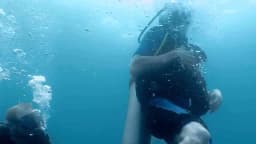
The campaign for the Kaunas International Film Festival, titled "The Dog," leverages the festival’s strong cultural standing in Lithuania to position the event as more than just entertainment—it's an invitation to personal transformation. The core proposition suggests that engaging with the festival’s films offers a temporary but meaningful opportunity to become a better person, even if only for the duration of the viewing experience. This aligns the festival with values of self-improvement and reflective leisure, elevating its role beyond passive recreation to an active, enriching experience.
Strategically, the campaign taps into the insight that consumers are increasingly seeking leisure activities that provide emotional or intellectual value, not just distraction. By framing film watching as a chance to pause, reflect, and adopt a better self, the campaign connects with an audience interested in meaningful cultural engagement. The narrative approach, using a singular film medium asset, reinforces this by telling a story that encapsulates the festival’s message in a relatable and compelling way. The choice of the travel and leisure market category further positions the festival as an experiential destination within Lithuania’s cultural landscape. Overall, the campaign’s strategy hinges on appealing to viewers’ desire for purposeful leisure, encouraging attendance through the promise of a transformative, if temporary, personal experience.
FORMAT#9 SYMBOLIZE THE BENEFIT — Uses symbols or exaggerated visuals to represent the product’s positive impact.
This campaign for the Kaunas International Film Festival leverages a symbolic approach to express the core benefit of its offering. The central message—inviting viewers to “become a better person at least for a short time – till the film ends”—implies a transformational, uplifting effect, likely visualized using the motif of “The Dog.” Rather than literally demonstrating or narratively resolving a problem, the creative device employs symbolic representation (possibly via the dog as an allegory for kindness or humanity) to embody the positive temporary impact of cinema. Meta cues like the absence of explicit problem-solution framing or direct product demonstration, and the focus on transformation tied to the experience of watching films, further suggest that the campaign’s emotional resonance relies on a symbolic visualization of the festival’s benefit rather than a story-driven arc or testimonial.
1. Vilnius International Film Festival (Vilnius IFF) – Positioned as the largest and most diverse film festival in Lithuania, Vilnius IFF emphasizes showcasing a wide range of international contemporary films, promoting cultural dialogue and cinematic innovation. It leverages its capital city location to attract broader audiences and industry professionals, focusing on inclusivity and film education.
2. Kino pavasaris (Spring Cinema Festival) – Known for its strong curatorial approach, Kino pavasaris specializes in thought-provoking and socially conscious films. It positions itself as a platform for independent filmmakers and cinephiles interested in new, experimental, and auteur cinema, creating a niche for intellectual and artistic film experiences.
3. Baltic Event – An international film forum and market based in Vilnius that blends leisure with business, targeting industry professionals and fostering co-productions in the Baltic region. It differentiates by focusing on networking, film financing, and regional collaboration rather than purely public entertainment.
4. Klaipėda Sea Festival – While primarily a cultural and leisure festival, it incorporates film screenings that highlight maritime themes and regional culture. Its unique positioning combines leisure and local traditions, appealing to families and tourists seeking a multi-layered cultural experience.
5. Cinematic Arts Festival (Kaunas City) – A more recent initiative focusing on emerging filmmakers and digital innovations in cinema. Positioned as a cutting-edge platform in Kaunas that integrates technology with cinematography, attracting younger audiences and creatives interested in the future of storytelling and immersive media.
Q: What is The Dog about?
A: The Dog is a 2012 campaign created by Y&R for the Kaunas International Film Festival, one of Lithuania’s most respected cultural events. Developed for the Recreation and Leisure market, the campaign centers on a film medium asset designed to promote the festival’s unique proposition: inviting audiences to become better people, even if only for the duration of a film. By leveraging the festival’s strong cultural standing, The Dog positions Kaunas IFF as more than just an entertainment event, but as a catalyst for personal transformation and meaningful engagement with cinema.
Q: What creative device does The Dog use?
A: The Dog employs FORMAT#9 SYMBOLIZE THE BENEFIT, as classified by Clapboard’s 12-format taxonomy. This approach uses symbolic or exaggerated visuals—in this case, likely the motif of a dog—to represent the festival’s positive impact on its audience. Rather than relying on direct product demonstration or a problem-solution narrative, the campaign visualizes the temporary transformation that film can inspire, making the emotional and moral uplift of cinema tangible through allegory. This symbolic device is central to the campaign’s resonance and distinguishes its creative execution within the festival landscape.
Q: What is the campaign proposition for The Dog?
A: The campaign proposition for The Dog positions Kaunas International Film Festival as an opportunity for temporary personal transformation through film. The brand message targets culturally engaged audiences seeking more than passive entertainment, promising that attending the festival offers a chance to reflect and become a better person, even if only while the film lasts. This strategic stance aligns the festival with values of self-improvement and purposeful leisure, differentiating it within the travel and leisure category as an experiential destination that delivers emotional and intellectual enrichment alongside cultural celebration.
Q: How does The Dog rank in Clapboard's archive?
A: The Dog holds a Clapboard Campaign Score of 63/100 in Clapboard’s global ad archive. This score reflects the campaign’s creative ambition, execution quality, and cultural relevance as evaluated by Clapboard’s curatorial standards.
Q: Who are the competitors in Kaunas International Film Festival's category?
A: In the Lithuanian film festival landscape, Kaunas International Film Festival competes with Vilnius International Film Festival, which leverages its capital city location to attract diverse audiences and industry professionals with a broad international program. Kino pavasaris positions itself as a platform for independent and socially conscious cinema, appealing to cinephiles and experimental filmmakers. Baltic Event focuses on industry networking and regional collaboration, while Klaipėda Sea Festival blends film with maritime culture for families and tourists. The Cinematic Arts Festival in Kaunas targets emerging filmmakers and digital innovation, attracting younger, tech-savvy audiences.


.webp)