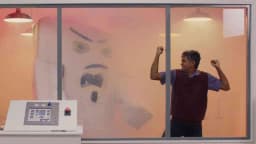
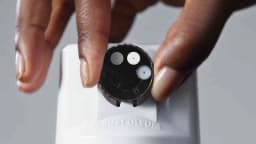
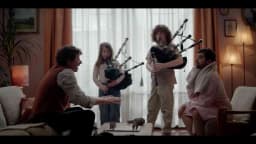
Hornbach’s ‘Green Hideaway’ campaign positions the brand as both a facilitator of high-quality design and a source of reprieve from modern urban pressures. By merging functionality with immersive natural elements, the campaign underscores Hornbach’s promise to make sophisticated, design-forward household products accessible and replicable through do-it-yourself solutions. The ‘Green Hideaway’ chair serves as a tangible manifestation of this value, embodying a harmonious blend of craftsmanship, nature, and mental well-being that resonates with contemporary lifestyle needs.
Strategically, the campaign taps into the growing consumer desire for calm and nature-connectedness amid the stress of digital saturation and urban living. Targeting primarily millennial homeowners and design enthusiasts, Hornbach leverages the widespread interiors trend of integrating plants into living spaces, elevating it from mere decoration to a sensory, restorative experience. The use of the classic Scandinavian pinnstol chair design — reinterpreted by a reputable Swedish design duo and presented with accessible build instructions — reinforces authenticity and inclusivity, aligning with Hornbach’s DIY ethos. By situating the campaign in Germany and Sweden, markets with strong DIY cultures and environmental consciousness, and combining narrative storytelling with functional product engagement, Hornbach effectively connects its brand promise to both emotional well-being and practical creativity.
FORMAT#9 SYMBOLIZE THE BENEFIT — Uses symbols or exaggerated visuals to represent the product’s positive impact.
This campaign most closely fits FORMAT#9 because its central device is the symbolic transformation of a classic chair with living plants to represent calm and reconnection with nature—an “antidote” to urban stress—rather than using literal product demonstration or narrative resolution. The “Green Hideaway” isn't just shown as a product; its design and setting embody the benefit of tranquility through immersive, symbolic visuals (a mini woodland within a city). The campaign intentionally uses this exaggerated, nature-infused furniture to evoke the restorative power of nature, reflecting a symbolic approach rather than a straightforward problem-solution, rivalry, testimonial, or story arc format.
1. Obi – Positioned as a comprehensive DIY and household improvement retailer across Europe, Obi emphasizes wide product selection, competitive pricing, and convenient in-store and online shopping experiences, appealing to both amateur DIYers and professional contractors.
2. Bauhaus – Bauhaus differentiates itself through a strong focus on quality and specialist advice, combining a broad range of premium household and garden products with a customer-centric approach, targeting serious DIY enthusiasts and professionals.
3. Hornbach’s own direct e-commerce platforms – While part of the brand ecosystem, these platforms serve as competitors in digital retail channels by offering extensive product availability, user-friendly interfaces, and project guidance to capture the growing online market segment.
4. Jula – A Nordic player focused on DIY, gardening, and workshop tools, Jula brands itself on affordability and practical solutions, targeting budget-conscious consumers looking for value and versatility in household products and materials.
5. XL-BYGG – This market player cultivates a reputation for expert knowledge and personalized service in the building materials sector, emphasizing close partnerships with contractors and tradespeople and specializing in professional-grade household improvement products.
Q: What is Green Hideaway about?
A: Green Hideaway is a 2023 campaign by Hornbach, created in collaboration with the agency Front, and launched in Germany and Sweden. The campaign centers on a self-build furniture piece inspired by the classic Swedish pinnstol chair, transformed into a living chair entwined with greenery. Developed as part of Hornbach’s WERKSTÜCK series, Green Hideaway aims to make high-end, nature-inspired design accessible to DIY enthusiasts. The campaign positions the chair as a personal sanctuary—a woodland escape within the urban environment—addressing the growing need for calm and connection to nature in an increasingly digitized world.
Q: What creative device does Green Hideaway use?
A: Green Hideaway employs FORMAT#9 SYMBOLIZE THE BENEFIT, as classified by Clapboard’s 12-format taxonomy. The campaign’s central creative device is the symbolic transformation of a traditional chair into a living, plant-filled refuge, visually representing the restorative power of nature amid urban stress. Rather than relying on literal product demonstration or narrative resolution, the campaign uses immersive, exaggerated visuals to embody the benefit of tranquility. This approach positions the chair as more than furniture—it becomes a tangible symbol of calm and reconnection with nature, aligning with contemporary desires for well-being and sensory experience.
Q: What is the campaign proposition for Green Hideaway?
A: The campaign proposition for Green Hideaway is that Hornbach stands as both a facilitator of sophisticated design and a provider of respite from modern urban pressures. By merging functional craftsmanship with immersive natural elements, Hornbach communicates its commitment to making design-forward, nature-inspired household products accessible through DIY solutions. Targeting millennial homeowners and design enthusiasts, the campaign elevates the houseplant trend into a holistic, restorative experience, reinforcing authenticity and inclusivity. This strategic positioning matters in the household products market, where consumers increasingly seek emotional well-being, creativity, and practical engagement in their living spaces.
Q: How does Green Hideaway rank in Clapboard's archive?
A: Green Hideaway holds a Clapboard Campaign Score of 69/100. This score reflects the campaign’s creative ambition, execution quality, and cultural relevance as assessed by Clapboard’s global ad archive.
Q: Who are the competitors in Hornbach's category?
A: In the household products and DIY sector, Hornbach competes with several major players. Obi is recognized for its wide product selection and competitive pricing, appealing to both amateur and professional customers across Europe. Bauhaus differentiates itself through premium offerings and specialist advice, targeting dedicated DIY enthusiasts and professionals. Hornbach’s own e-commerce platforms compete in the digital space with extensive product availability and user-friendly interfaces. Jula positions itself on affordability and practical solutions for budget-conscious consumers, while XL-BYGG is known for expert knowledge and personalized service, catering to contractors and tradespeople seeking professional-grade materials.



.webp)