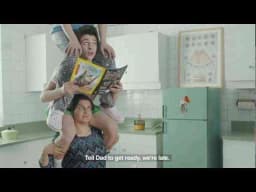
The "Lost in the Kitchen" campaign by Green House, launched in Egypt in 2023, addresses the often-overlooked challenge women face in meal preparation: the pressure to deliver visually appealing and tasty dishes without compromising health or personal wellbeing. The campaign highlights the strenuous effort women exert, sometimes to the detriment of their own health, in pursuit of ideal home-cooked meals. Green House’s value proposition centers on offering a convenient, healthy, and aesthetically pleasing solution through its frozen vegetables and fruits. This product promise alleviates the traditional burden of cooking by combining quality, health benefits, and visual appeal, aiming to free women from kitchen stress while maintaining culinary standards.
Strategically, the campaign taps into a deep cultural and societal insight about women’s roles and expectations in domestic food preparation within the Egyptian market. By portraying the kitchen not just as a physical space but as a source of anxiety and sacrifice, the campaign creates empathy and relevance for its target demographic—primarily women managing household meals. The creative angle leverages storytelling grounded in real emotional struggle, contrasting it with the relief and empowerment that Green House’s products bring. This narrative-driven content and film approach intends to connect on an aspirational and practical level, suggesting that healthier, easier solutions exist without sacrificing taste or presentation. The campaign’s use of lifestyle genre and local production talent enhances authenticity and cultural resonance, aiming to build trust and relatability in a competitive food and health category.
FORMAT#2 SHOW THE PROBLEM — Highlights a relatable problem, then shows the product as the solution.
This Green House campaign revolves around the relatable struggle of women "losing their lives" in the kitchen while trying to prepare good-looking, tasty, and healthy food. The narrative explicitly sets up a common pain point and then delivers a resolution: Green House’s frozen vegetables and fruits eliminate these struggles by making healthy cooking easy and visually appealing. The campaign’s core focuses on surfacing the problem and providing a clear, direct solution—textbook “Show the Problem.”
ADVERTISING FORMATS EXPLAINED: https://www.clapboard.com/blog/branding-and-advertising/brand-strategy/12-advertising-creative-formats
1. Americana Group – Americana positions itself as a leading provider of a wide range of frozen food products in Egypt, emphasizing quality, convenience, and taste. Their strategic angle focuses on offering trusted, readily available food solutions that cater to busy families seeking traditional flavors with modern ease.
2. Juhayna Food Industries – Juhayna differentiates by integrating health and nutrition into its broad portfolio of dairy, juice, and frozen products. They emphasize natural ingredients and the nutritional benefits of their offerings, appealing to health-conscious consumers looking for trusted Egyptian brands.
3. Farm Frites Egypt – Farm Frites emphasizes premium quality frozen potato products and vegetables, focusing on innovation and superior taste. Their positioning targets urban consumers and foodservice providers who demand consistency, convenience, and international standards in frozen produce.
4. Al Amoudi Group – Al Amoudi differentiates itself through a diversified food portfolio with an emphasis on fresh and frozen vegetables and fruits, promoting food safety and sustainability. Their strategic focus is on supplying affordable, high-quality products to a broad consumer base across Egypt.
5. Igloo – Igloo positions itself as a pioneer in frozen foods, offering a wide selection of frozen vegetables, fruits, and ready-to-cook meals. Their angle highlights modern convenience, product variety, and maintaining nutritional value to appeal to time-conscious, health-aware families.
Q: What is lost in the kitchen about?
A: lost in the kitchen is a 2023 campaign from Green House, developed by OMS Advertising for the Egyptian market. The campaign centers on the real and often overlooked pressures women face in preparing meals that are not only healthy but also visually appealing and delicious. Through a narrative-driven content and film approach, the campaign highlights the emotional and physical toll of striving for culinary perfection at home, positioning Green House’s frozen vegetables and fruits as a practical solution. The work leverages local production talent and lifestyle storytelling to create cultural relevance and authenticity for its target audience.
Q: What creative device does lost in the kitchen use?
A: lost in the kitchen employs FORMAT#2 Show the Problem, as classified by Clapboard's 12-format taxonomy. This creative technique surfaces a relatable and pressing issue—in this case, the anxiety and exhaustion women experience in the kitchen—before presenting Green House’s frozen vegetables and fruits as the clear, direct solution. The campaign’s narrative explicitly sets up the struggle, then resolves it with the brand’s product promise, making the problem-solution structure central to both its storytelling and its persuasive power.
Q: What is the campaign proposition for lost in the kitchen?
A: The campaign proposition for lost in the kitchen positions Green House as the empathetic ally of women who bear the burden of meal preparation in Egyptian households. By acknowledging the stress and sacrifice involved in creating healthy, attractive meals, the brand promises a convenient, nutritious, and visually appealing alternative through its frozen vegetables and fruits. This message is targeted at women managing household meals, offering them relief from daily pressures while maintaining high culinary standards, and is designed to resonate deeply within the food and health category in Egypt.
Q: How does lost in the kitchen rank in Clapboard's archive?
A: lost in the kitchen holds a Clapboard Campaign Score of 57/100 in Clapboard's global ad archive. This score reflects the campaign’s creative ambition, execution quality, and cultural relevance as evaluated by Clapboard’s curatorial standards.
Q: Who are the competitors in Green House's category?
A: In Egypt’s frozen food sector, Green House competes with Americana Group, which emphasizes quality, convenience, and traditional flavors for busy families; Juhayna Food Industries, known for integrating health and nutrition into a broad portfolio of dairy, juice, and frozen products; Farm Frites Egypt, which focuses on premium quality and innovation in frozen potatoes and vegetables; Al Amoudi Group, which highlights food safety, sustainability, and affordability across its fresh and frozen offerings; and Igloo, which appeals to time-conscious, health-aware families with a wide range of modern, convenient frozen foods.


 ARCHIVE
.webp)