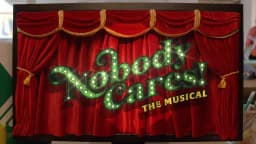
Duolingo’s DuoKaraoke campaign aims to position the brand as an engaging, culturally relevant, and accessible language-learning tool for younger audiences, specifically targeting 16- to 22-year-olds. The campaign leverages the promise of making language education fun and interactive by integrating learning with music, a domain familiar and appealing to this demographic. By framing language acquisition as a game rooted in the enjoyment of favorite songs, Duolingo taps into existing user behaviors and preferences, enhancing motivation and retention through an immersive, entertaining experience.
The market strategy behind DuoKaraoke reveals a clear insight into the media consumption habits and interests of Gen Z and late Millennials. It recognizes that traditional language learning methods may not resonate strongly with this group, who prioritize experiential and socially shareable content. The interactive singing game serves as a bridge between entertainment and education, fostering engagement by aligning the product’s utility with users’ love for music and cultural participation. This approach not only enhances brand relevance but also capitalizes on the viral potential of music-based content to organically extend Duolingo’s reach within this age cohort.
By focusing on an integrated media asset combining educational goals with a musical genre, the campaign seeks to differentiate Duolingo from other language platforms through innovation in delivery and user experience. The relatively modest digital engagement metrics in early stages suggest it is a niche experiment possibly aimed at testing market receptivity rather than immediate mass conversion. Overall, DuoKaraoke reflects a strategic attempt to adapt language learning to contemporary youth culture, using interactive technology and pop culture as key vectors for connection and brand expansion.
FORMAT#12 PARODY OR BORROWED FORMAT — Uses or parodies pop culture formats like films, shows, or genres.
This campaign most closely fits FORMAT#12 because it adopts the familiar style of a "singing game" (i.e., karaoke) and leverages popular music culture—a beloved genre among the target Gen Z audience. Rather than simply telling a story or demonstrating language learning, 'DuoKaraoke' borrows a widely recognized and engaging entertainment format, infusing Duolingo with interactivity, fun, and musicality. The direct reference to an "interactive singing game" and integrating users' favorite songs are clear signals of parodying or borrowing from popular musical formats to make language learning trendy and appealing.
ADVERTISING FORMATS EXPLAINED: https://www.clapboard.com/blog/branding-and-advertising/brand-strategy/12-advertising-creative-formats
1. Babbel – Market Positioning
Babbel focuses on practical, conversation-based language learning for adults, emphasizing real-life communication skills through bite-sized lessons. It differentiates itself with a subscription model that offers structured courses designed by linguistic experts, targeting learners who want efficient and goal-oriented language acquisition.
2. Rosetta Stone – Market Positioning
Rosetta Stone leverages immersive language learning through proprietary speech recognition technology and visual context methods. Positioned as a premium brand, it targets learners seeking deep, foundational fluency with a focus on intuitive learning rather than translation, appealing to serious, long-term language students globally.
3. Memrise – Market Positioning
Memrise combines gamification and user-generated content to create an engaging and varied learning experience. Its strategic focus is on vocabulary building with mnemonic techniques and real-world video content, appealing especially to casual learners who seek a fun, interactive approach to language retention.
4. Busuu – Market Positioning
Busuu positions itself as a social, community-driven language learning platform, integrating AI-powered grammar tips with peer interaction. It emphasizes personalized learning pathways and the opportunity to practice with native speakers, appealing to motivated learners who value feedback and communication practice.
5. HelloTalk – Market Positioning
HelloTalk centers on language exchange by connecting users globally for real-time chat and voice conversations. Its strategic angle is leveraging community peer-to-peer learning, making it a social networking app for language learners who prioritize conversational practice and cultural exchange over formal coursework.
Q: What is DuoKaraoke about?
A: DuoKaraoke is a 2021 integrated campaign created for Duolingo by the Chicago Portfolio School, with art direction from Molly Schenkel. Launched in the United States, this student-led initiative targets 16- to 22-year-olds by transforming language learning into an interactive karaoke-style game. By leveraging users’ favorite songs, the campaign positions Duolingo as a fun, culturally relevant educational tool that aligns with the media habits and interests of Gen Z and late Millennials. The campaign’s central idea is to make language acquisition engaging and social, bridging entertainment and education through music.
Q: What creative device does DuoKaraoke use?
A: DuoKaraoke employs FORMAT#12 PARODY OR BORROWED FORMAT, as classified by Clapboard’s 12-format taxonomy. This creative approach borrows the familiar style of a singing game—specifically karaoke—and integrates popular music culture to engage its target audience. Instead of traditional demonstrations or storytelling, the campaign leverages the widely recognized entertainment format of karaoke, infusing Duolingo’s language-learning experience with interactivity, fun, and musicality. This technique is designed to make language education trendy and accessible for younger users by tapping into their existing cultural touchpoints.
Q: What is the campaign proposition for DuoKaraoke?
A: The campaign proposition for DuoKaraoke is to position Duolingo as an engaging, culturally relevant, and accessible language-learning tool for younger audiences, specifically those aged 16 to 22. By integrating language education with music and interactive gameplay, the campaign aims to make learning both enjoyable and immersive. This strategy recognizes the importance of experiential, socially shareable content for Gen Z and late Millennials, seeking to enhance motivation and retention by aligning with their love for music and digital participation. The campaign underscores Duolingo’s commitment to innovation in the education and technology space.
Q: How does DuoKaraoke rank in Clapboard's archive?
A: DuoKaraoke holds a Clapboard Campaign Score of 63/100 in Clapboard’s global ad archive. This score reflects the campaign’s creative ambition, execution quality, and cultural relevance as evaluated by Clapboard’s curatorial standards.
Q: Who are the competitors in Duolingo's category?
A: In Duolingo’s category, Babbel competes by focusing on practical, conversation-based learning for adults with structured, expert-designed courses, while Rosetta Stone emphasizes immersive, intuitive language acquisition through proprietary technology for long-term learners. Memrise differentiates itself with gamified, mnemonic-driven vocabulary building and real-world video content for casual users, Busuu offers a social, community-driven platform with AI-powered grammar tips and peer interaction, and HelloTalk connects users globally for real-time language exchange, prioritizing conversational practice and cultural immersion.



.webp)