


Home of Halloween - Tourism Ireland | Clapboard Ad Archive
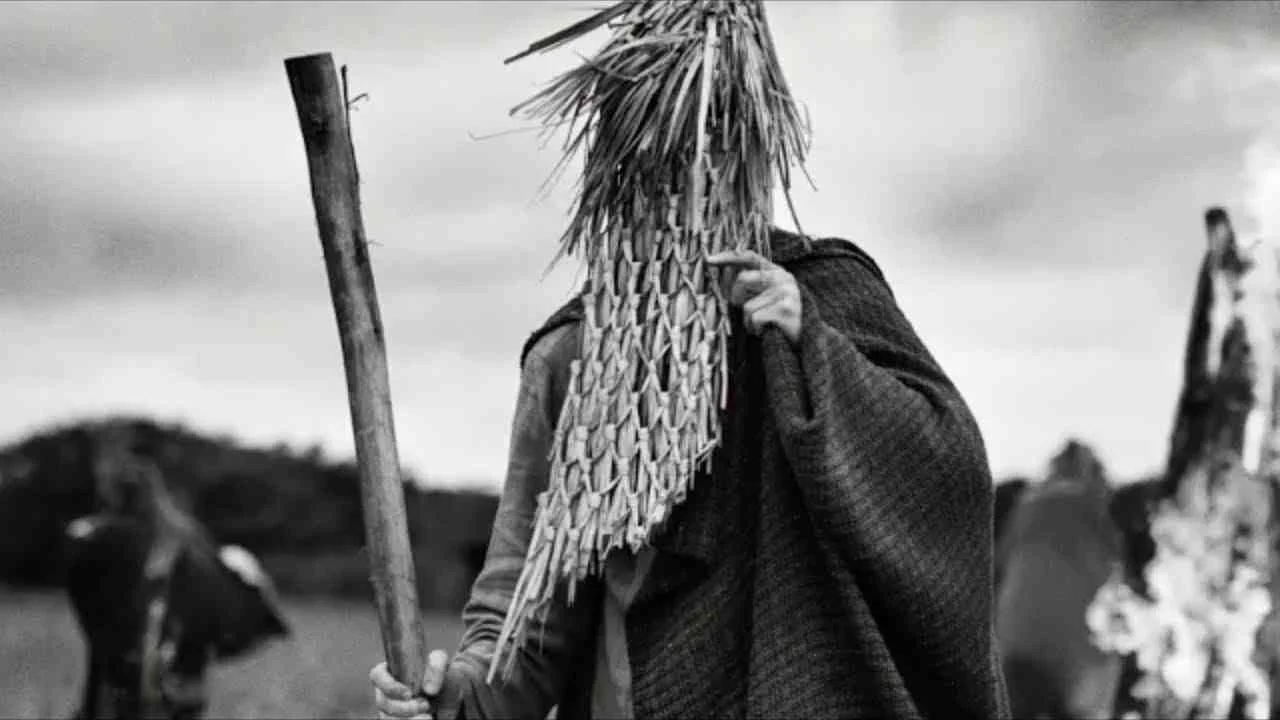
Home of Halloween from Tourism Ireland, created by Publicis London for the travel and tourism sector in 2024, claims the unique origin story of Halloween as an authentic Irish export by anchoring the campaign in the ancient Celtic festival of Samhain and leveraging the island’s millennia-old traditions. Eschewing familiar black-and-orange commercialism for a deeper narrative, the campaign positions Ireland as the only legitimate home of Halloween in a global context saturated by copycat celebrations and synthetic haunted house fare — a tactic that sits squarely in what Clapboard's taxonomy defines as FORMAT#11—Unique Personality Property, boldly staking out cultural territory that no other destination can credibly claim. Through cinematic film executions and atmospheric visuals, the campaign intertwines Ireland’s mythic past with its vibrant present: the fire-lit rituals of County Meath’s Púca Festival, Derry’s massive street parades and haunted trails, and the Dracula-infused theatricality of the Bram Stoker Festival each evoke the spectral, immersive power of Samhain, creating distinct touchpoints that transcend mere tourist attractions and tap into a much larger contemporary appetite for heritage-rich, experiential travel. The narrative makes clever use of digital amplification: prompting viewers to imagine who they would bring to these autumnal festivities and driving engagement via active social channels and cohesive hashtag strategy, it transforms the consumer journey from passive awareness into personal aspiration and word-of-mouth momentum. Subtle details — from references to ancient bonfires warding off spirits to modern-day fireworks crackling above medieval city walls — reinforce the message that these are not imported traditions, but living, evolving cultural phenomena whose roots sink far deeper into the Irish landscape than anywhere else. By eschewing celebrity endorsements or surface-level influencer tactics in favour of layered storytelling and a mythic sense of place, Tourism Ireland and Publicis London set a new bar for destination branding where the narrative itself is the product, resulting in nearly 21.5 million views and high-volume digital engagement at a seasonal peak for global tourism competition. The campaign earns 79/100 in Clapboard’s global creative archive. In an era when authenticity and experiential differentiation are decisive levers for travel marketers, Ireland’s proprietary Halloween narrative is a masterclass in converting local heritage into global cultural magnetism.


.webp)


