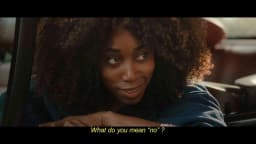
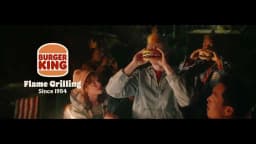
Burger King Germany’s 2023 Christmas campaign, "THE DAY AFTER THE CHRISTMAS PARTY," centers on a relatable post-holiday scenario: the awkward aftermath of office Christmas parties. Departing from traditional sentimental holiday messaging, the campaign uses humor to illustrate the embarrassing behaviors many employees experience and regret, emphasizing that while past actions cannot be changed, the following day can be improved with comfort food. The brand proposition positions Burger King as a source of relief and recovery, offering familiar, feel-good food options—such as the Whopper®, fries, and plant-based alternatives—that help consumers navigate the uncomfortable “day after” moments.
The market strategy is anchored in authentic cultural insight derived from a representative survey of the German working population. This research highlights that a significant portion of employees have personally encountered—or even caused—“cringe-worthy” situations at office parties and often regret their conduct. Recognizing that self-reproach is common but people seek immediate comfort, particularly in food, the campaign targets working adults likely to identify with these scenarios. The humorous creative angle leverages exaggerated yet relatable vignettes to build empathy and engagement, ensuring the message resonates on a personal level. By combining cross-media execution—film, integrated, and outdoor formats—the campaign maximizes reach and reiterates the core message: while last night’s mishaps are unfixable, Burger King’s menu offers a way to make today better. This approach aligns the brand with moments of real-life imperfection and recovery, reinforcing an emotional connection through everyday indulgence rather than idealized holiday narratives.
FORMAT#2 SHOW THE PROBLEM — Highlights a relatable problem, then shows the product as the solution.
This campaign centers entirely on humorous, highly relatable problems faced by office workers "the day after the Christmas party"—embarrassing memories, regretful behavior, hangovers, and anxiety. Each protagonist is depicted grappling with their personal "cringe" aftermath, thus establishing the problem. Burger King is immediately positioned as the answer: "We can't fix last night. But we can make today," with their food providing the solution to feeling better. This clear problem–solution structure, combined with exaggerated but believable situations and a direct link to the product's recuperative role, makes "Show the Problem" the closest fitting classic advertising technique. The storytelling is functional rather than dramatic, with Burger King as the day-after savior, not a narrative hero shaping a plot twist, and there’s no overt symbolism, testimonial, parody, or celebrity involvement.
ADVERTISING FORMATS EXPLAINED: https://www.clapboard.com/blog/branding-and-advertising/brand-strategy/12-advertising-creative-formats
1. McDonald’s – Positions itself as a globally recognized fast-food leader with a focus on consistent quality, convenience, and family-friendly appeal. It emphasizes affordability, broad menu options including breakfast and seasonal items, and strong digital ordering experiences, leveraging extensive brand loyalty and innovation in delivery.
2. Subway – Differentiates through its “fresh, made-to-order” sandwiches and emphasis on customization and healthier options. Subway targets consumers seeking lighter fast-food alternatives with a focus on fresh ingredients, variety, and quick service, positioning itself as a convenient yet health-conscious choice.
3. KFC – Focuses on its signature fried chicken with a rich heritage and distinct recipe, appealing to customers craving indulgent and flavorful comfort food. KFC blends tradition with innovation, emphasizing bold taste and targeting both family and youth demographics through aggressive marketing and delivery partnerships.
4. Nordsee – A key player in the seafood fast-casual segment in Germany, Nordsee specializes in fresh fish and seafood-based meals. It differentiates itself by offering a healthier, maritime alternative to traditional fast food, appealing to health-conscious consumers and those seeking regional specialties.
5. Vapiano – Operating in the fast-casual Italian food space, Vapiano differentiates with made-to-order pasta, pizza, and salads in a modern, relaxed dining atmosphere. It targets urban professionals and younger consumers who value quality ingredients, transparency, and a personalized dining experience.
Q: What is THE DAY AFTER THE CHRISTMAS PARTY about?
A: THE DAY AFTER THE CHRISTMAS PARTY is a 2023 Christmas campaign by Burger King Germany created in collaboration with the agency Grabarz & Partner. It focuses on the relatable and often awkward aftermath of office Christmas parties, highlighting embarrassing and regretful behaviors through three humorous commercials. Instead of the usual festive warmth, the campaign uses real-life cringe moments to convey the message that while last night’s mistakes cannot be undone, the following day can be improved with comfort food from Burger King. The campaign ran across film, integrated, and outdoor media formats in the German market.
Q: What creative device does THE DAY AFTER THE CHRISTMAS PARTY use?
A: THE DAY AFTER THE CHRISTMAS PARTY employs the FORMAT#2 SHOW THE PROBLEM creative device from Clapboard’s 12-format taxonomy. This approach highlights a relatable problem—in this case, the embarrassing and regretful moments after office Christmas parties—and immediately positions Burger King’s food as the solution to feeling better. The campaign uses exaggerated yet believable vignettes to establish the problem and then offers the brand’s menu as the remedy, creating a clear problem–solution narrative that is functional and straightforward without relying on symbolism or celebrity endorsements.
Q: What is the campaign proposition for THE DAY AFTER THE CHRISTMAS PARTY?
A: The campaign proposition for THE DAY AFTER THE CHRISTMAS PARTY positions Burger King Germany as a source of relief and recovery for working adults facing the uncomfortable aftermath of office Christmas parties. It acknowledges the common experience of regret and embarrassment, offering familiar, feel-good food such as the Whopper, fries, and plant-based alternatives as a way to improve the day after. By tapping into authentic cultural insights from a representative survey, the campaign speaks directly to employees who seek comfort and reassurance, emphasizing that while the past cannot be changed, today can always get better with Burger King.
Q: How does THE DAY AFTER THE CHRISTMAS PARTY rank in Clapboard's archive?
A: THE DAY AFTER THE CHRISTMAS PARTY holds a Clapboard Campaign Score of 71/100 in Clapboard’s global ad archive. This score reflects the campaign’s creative ambition, execution quality, and cultural relevance within the German market. The rating indicates the campaign’s effectiveness in combining humor, relatable insight, and cross-media execution to deliver a distinctive and resonant message for Burger King Germany during the holiday season.
Q: Who are the competitors in Burger King's category?
A: Burger King competes with several key brands in the German fast-food and quick-service market. McDonald’s leads globally with a focus on consistent quality, convenience, and family-friendly appeal, emphasizing affordability and strong digital ordering. Subway differentiates itself through fresh, made-to-order sandwiches and healthier options targeting consumers seeking lighter fast food. KFC appeals to indulgence seekers with its signature fried chicken and bold flavors, targeting families and youth. Nordsee offers a maritime alternative with fresh seafood meals aimed at health-conscious consumers. Vapiano operates in the fast-casual Italian segment, focusing on made-to-order pasta and pizza for urban professionals and younger diners valuing quality and transparency.


 ARCHIVE
.webp)