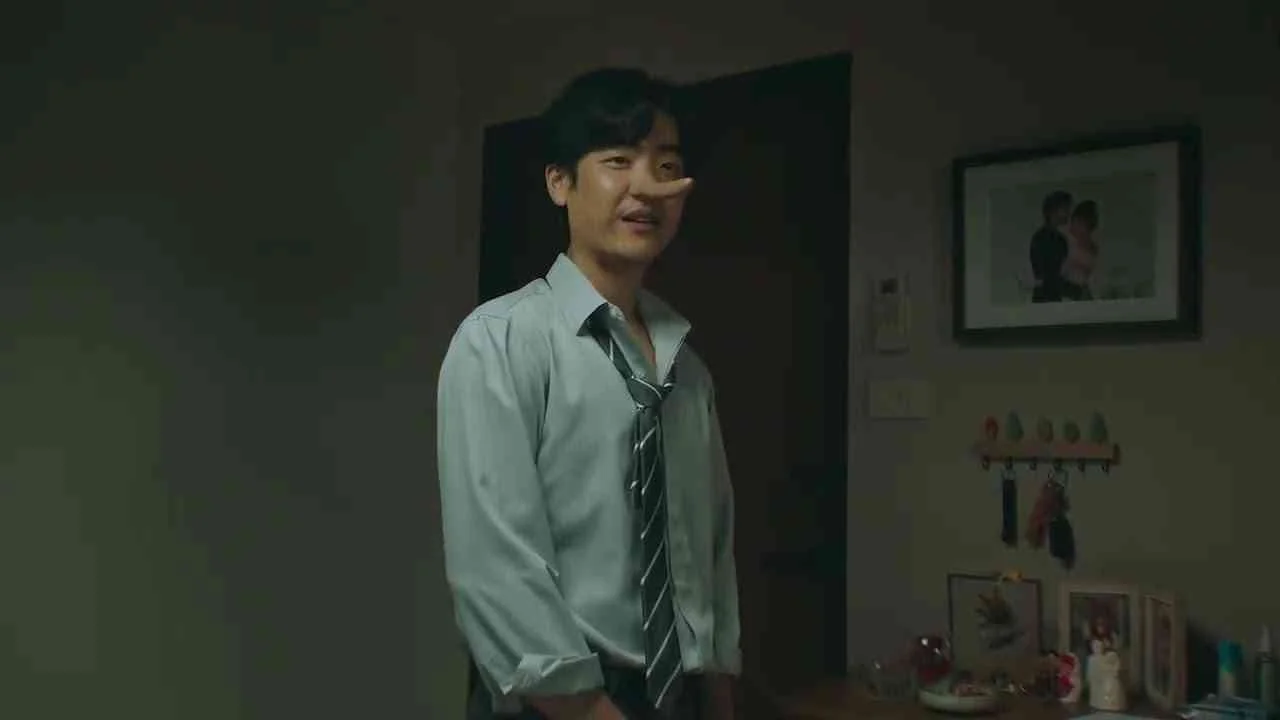
The "Subservient Chicken" campaign by Burger King, launched in the United States in 2004, presents a distinctive brand proposition centered on engagement, interactivity, and brand personality. By leveraging an unusual and memorable character—a man in a chicken suit performing user-directed commands—the campaign aimed to convey Burger King as a playful, innovative brand willing to entertain and involve its audience beyond traditional advertising formats. This approach implicitly suggested that Burger King’s offerings could also be fun, approachable, and differentiated from competitors in the fast-food market.
Strategically, the campaign capitalized on early viral digital marketing by integrating an interactive online experience, a novel tactic at its time. This creative angle harnessed the insight that younger, internet-savvy consumers valued engagement and personalized experiences, especially within the food and drink category where differentiation is often product-centric and price-driven. By allowing users to type commands that the chicken would follow in real time, the campaign transformed passive viewers into active participants, fostering deeper brand connection and memorability. It targeted a culturally attuned audience likely to share the experience within their social networks, amplifying organic reach.
The campaign’s performance genre underscores its focus on measurable engagement and buzz rather than straightforward sales pitches. Although the YouTube asset dated 2019 shows limited views and interaction, the originality and pioneering nature of the work had a significant impact on digital marketing approaches within the food industry. Overall, the campaign’s blend of humor, interactivity, and novelty served to reposition Burger King as a digitally savvy and consumer-focused brand during a period of rapid changes in advertising media consumption.
FORMAT#11 UNIQUE PERSONALITY PROPERTY — Highlights a unique feature, origin, or distinctive product identity.
The “Subservient Chicken” campaign is iconic for introducing a bizarre, memorable character who would perform commands submitted by users online, symbolizing Burger King’s distinct “Have It Your Way” brand promise. Rather than telling a story, comparing competitors, illustrating a problem, or focusing on testimonials or celebrities, this campaign centers on a one-of-a-kind property—a man in a chicken costume who humorously obeys orders, embodying customization and flexibility unique to Burger King. The entire campaign leans on the quirky personality of the Subservient Chicken to embed Burger King’s product differentiator in pop culture.
ADVERTISING FORMATS EXPLAINED: https://www.clapboard.com/blog/branding-and-advertising/brand-strategy/12-advertising-creative-formats
1. McDonald’s – Market Positioning
McDonald’s positions itself as a globally recognized fast-food leader offering consistent, quick-service meals at affordable prices. Known for its family-friendly appeal and extensive menu variety, it emphasizes convenience, classic favorites, and widespread accessibility, with strong branding around its iconic products like the Big Mac and Happy Meals.
2. Wendy’s – Market Positioning
Wendy’s differentiates by focusing on fresh, never frozen beef and quality ingredients combined with a modern, witty brand voice. It emphasizes freshness and made-to-order meals, positioning itself as a higher-quality alternative within the quick-service hamburger segment.
3. Taco Bell – Market Positioning
Taco Bell targets a younger, value-driven demographic with bold, innovative Mexican-inspired fast food. It emphasizes affordability, convenience, and flavor variety, while frequently using playful and edgy marketing campaigns to appeal to a diverse, youthful audience.
4. KFC (Kentucky Fried Chicken) – Market Positioning
KFC is positioned as a leader in fried chicken with a signature secret recipe, emphasizing flavor, tradition, and family meals. It leverages nostalgia and consistent product quality to differentiate itself within the fast-food industry, focusing on comfort food and hearty portions.
5. Subway – Market Positioning
Subway markets itself as a healthier fast-food alternative, emphasizing fresh, customizable sandwiches made with fresh vegetables and lean proteins. Its positioning centers on transparency, nutrition, and convenience, appealing to health-conscious consumers seeking quick, made-to-order meals.
Q: What is Subservient Chicken about?
A: Subservient Chicken is a professional campaign created for Burger King by Crispin Porter + Bogusky and The Barbarian Group, launched in the United States in 2004. The campaign centers on a unique digital experience where users could visit a website and type commands for a man in a chicken suit to perform, embodying Burger King’s Have It Your Way brand promise. This film-based initiative leveraged humor and interactivity to engage consumers, positioning Burger King as an innovator in digital marketing and fostering a memorable connection with audiences in the competitive food industry.
Q: What creative device does Subservient Chicken use?
A: Subservient Chicken employs the FORMAT#11 UNIQUE PERSONALITY PROPERTY, as classified by Clapboard’s 12-format taxonomy. This creative approach highlights a distinctive brand asset—a bizarre, memorable character in a chicken costume who humorously obeys user commands online. Rather than relying on traditional storytelling, celebrity endorsements, or comparative messaging, the campaign uses the quirky personality of the Subservient Chicken to symbolize customization and flexibility, embedding Burger King’s product differentiator directly into pop culture and reinforcing the brand’s playful, consumer-centric identity.
Q: What is the campaign proposition for Subservient Chicken?
A: The campaign proposition for Subservient Chicken is to position Burger King as a playful and innovative brand that values engagement, interactivity, and personality. By inviting users to direct the actions of the Subservient Chicken online, Burger King targeted younger, internet-savvy consumers who appreciate personalized experiences and entertainment. This strategy differentiated Burger King from competitors by emphasizing fun and customization, aligning with the Have It Your Way promise and resonating with an audience seeking more than just product-driven or price-focused messaging in the fast-food category.
Q: How does Subservient Chicken rank in Clapboard's archive?
A: Subservient Chicken holds a Clapboard Campaign Score of 72/100 in Clapboard’s global ad archive. This score reflects the campaign’s creative ambition, the quality of its execution, and its cultural relevance as a pioneering example of interactive digital marketing within the food industry.
Q: Who are the competitors in Burger King's category?
A: In the fast-food sector, Burger King faces competition from McDonald’s, which is known for its global presence, family-friendly appeal, and consistent quick-service offerings; Wendy’s, which differentiates itself with fresh, never frozen beef and a modern, witty brand voice; Taco Bell, which targets a youthful, value-driven audience with bold, innovative Mexican-inspired food and playful marketing; KFC, which emphasizes tradition, flavor, and hearty family meals through its signature fried chicken; and Subway, which appeals to health-conscious consumers with fresh, customizable sandwiches and a focus on nutrition and transparency.


 ARCHIVE


.webp)