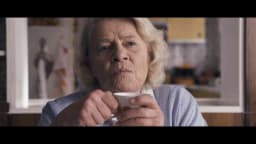
The Bupa "Tooth Fairy" campaign leverages a whimsical narrative to humanize and demystify a common childhood experience, subtly aligning the brand with care, trust, and reassurance in health-related matters. By portraying the Tooth Fairy’s magical journey, the campaign suggests that Bupa understands and supports the health and wellbeing milestones that families encounter, reinforcing its position as a compassionate healthcare provider attentive to everyday moments.
Strategically, the campaign taps into the universal curiosity and nostalgia associated with the Tooth Fairy myth, targeting parents and families who are likely to be engaged in their children’s health and development. The creative approach uses storytelling to evoke emotional resonance and establish relevance beyond clinical or transactional health services. This emotional connection is designed to build brand affinity, positioning Bupa not just as a healthcare insurer but as a caring partner invested in the health journey of families. The choice of film as the medium, combined with a light, magical narrative, aims to enhance engagement and recall within a competitive healthcare market in the UK.
FORMAT#5 EXEMPLARY STORY — Tells a story where the product plays a vital role in the plot or resolution.
The campaign introduction and YouTube meta data indicate that the film follows the magical adventure of the Tooth Fairy and explores what happens when she arrives to collect a tooth. The narrative genre and invitation to “follow her magical adventure” suggest a clear story arc, likely involving a beginning (tooth lost), a magical journey, and resolution. Given the brand (Bupa, a health provider), it is highly probable the story connects the notion of losing a tooth and the importance of oral health to the benefits of Bupa’s healthcare offerings, centering the service as instrumental in the outcome—thus fitting the Exemplary Story format rather than mere symbolism or demonstration. For further reference: ADVERTISING FORMATS EXPLAINED: https://www.clapboard.com/blog/branding-and-advertising/brand-strategy/12-advertising-creative-formats
1. AXA PPP Healthcare – Positioned as a premium private medical insurer, AXA PPP Healthcare emphasizes comprehensive coverage and personalized care plans. Their focus on accessible, high-quality healthcare services combined with innovative digital tools positions them as a customer-centric and trustworthy health partner in the UK market.
2. Aviva Health – Aviva differentiates itself by integrating health insurance with broader financial services, offering holistic well-being solutions. They leverage strong brand trust and technology-driven customer engagement to provide flexible, affordable health plans tailored for individual and corporate clients.
3. VitalityHealth – VitalityHealth stands out through its wellness-focused approach, incentivizing healthy lifestyles with rewards and discounts. Their use of data analytics and behavior science creates a proactive health management model that enhances customer engagement and reduces long-term costs.
4. Cigna UK – Cigna positions itself as a global health service provider with extensive international coverage and personalized care coordination. Their strength lies in combining comprehensive insurance solutions with global expertise, targeting both expatriates and UK residents seeking reliable healthcare support.
5. Simplyhealth – Simplyhealth targets the UK market with accessible, straightforward health plans focusing on everyday health needs like dental and optical care. Their community-based, member-focused approach emphasizes preventative care and simple claims processes, appealing to cost-conscious consumers.
Q: What is Tooth Fairy about?
A: Tooth Fairy is a professional campaign launched in the United Kingdom in 2014 for the health brand Bupa, created by the agency Hometown. Centered around a single film asset, the campaign invites viewers into the magical world of the Tooth Fairy, exploring the universal childhood experience of losing a tooth. Through a whimsical narrative, the film humanizes dental care and health, making the subject approachable and emotionally resonant for families. The campaign leverages storytelling to position Bupa as a caring and trustworthy healthcare provider, aiming to connect with a broad audience by highlighting everyday health milestones.
Q: What creative device does Tooth Fairy use?
A: Tooth Fairy employs the Exemplary Story format, as classified by Clapboard’s 12-format taxonomy. This creative approach tells a complete narrative in which the product or service—here, Bupa’s healthcare offering—plays a vital role in the plot or resolution. Rather than relying on simple demonstration or symbolism, the campaign weaves Bupa’s brand promise into the heart of the story, using the magical adventure of the Tooth Fairy to reinforce the importance of health and well-being. This technique is designed to engage audiences emotionally while making the brand’s value proposition integral to the narrative outcome.
Q: What is the campaign proposition for Tooth Fairy?
A: The campaign proposition for Tooth Fairy centers on positioning Bupa as a compassionate and attentive partner in health, particularly for families navigating everyday milestones. By leveraging the familiar and nostalgic myth of the Tooth Fairy, the campaign speaks directly to parents and caregivers invested in their children’s well-being. The narrative suggests that Bupa understands and supports these formative experiences, aiming to build trust and emotional connection. In the competitive healthcare market, this approach differentiates Bupa from transactional providers by emphasizing care, reassurance, and a commitment to supporting families at every stage.
Q: How does Tooth Fairy rank in Clapboard's archive?
A: Tooth Fairy holds a Clapboard Campaign Score of 69/100 in Clapboard’s global ad archive. This score reflects the campaign’s creative ambition, execution quality, and cultural relevance as assessed by Clapboard’s curatorial standards.
Q: Who are the competitors in Bupa's category?
A: In the UK healthcare sector, Bupa faces competition from several key brands. AXA PPP Healthcare positions itself as a premium private medical insurer with a focus on comprehensive coverage and personalized care. Aviva Health integrates health insurance with broader financial services, offering flexible well-being solutions and strong digital engagement. VitalityHealth differentiates through a wellness-driven model that incentivizes healthy behavior and leverages data analytics. Cigna UK brings global expertise and extensive international coverage, appealing to both expatriates and local residents. Simplyhealth targets cost-conscious consumers with accessible plans focused on everyday health needs like dental and optical care, emphasizing preventative care and ease of use.


 ARCHIVE
.webp)