To Have and Have Not, The Snows of Kilimanjaro, A Moveabl... - The Ernest Hemingway Foundation | Clapboard Ad Archive
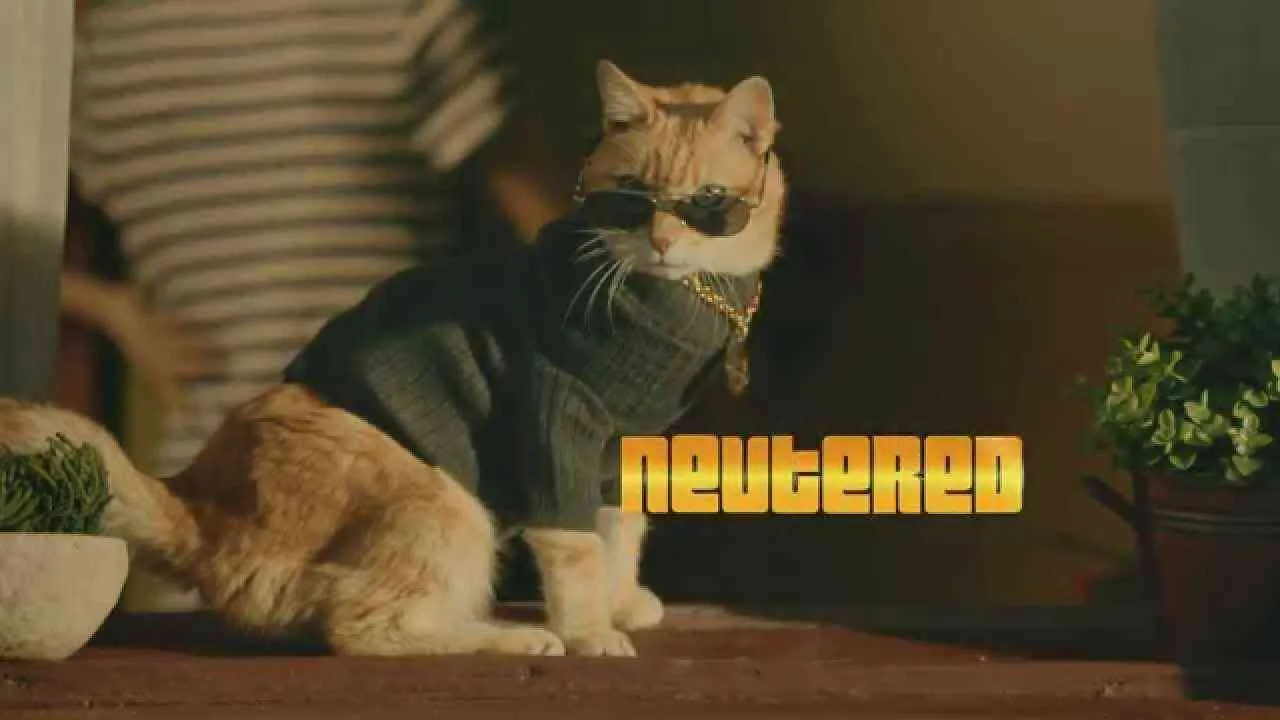
The Ernest Hemingway Foundation’s 2015 digital campaign, executed by Ogilvy for the US public interest market, demonstrates a modern answer to the perennial challenge of making literary heritage relevant in a digital-first world. Centered on the evocative titles To Have and Have Not, The Snows of Kilimanjaro, and A Moveable Feast, the campaign crafts an immediate bridge between the enduring legacy of Hemingway and an audience accustomed to cultural shorthand and rapid consumption. The strategy borrows directly from the canon of Hemingway’s renowned works, using those highly recognizable titles as the foundation for a narrative that is at once referential and inventive, landing squarely within what Clapboard’s taxonomy designates as FORMAT#12—Parody or Borrowed Format. This choice spotlights a creative device with proven resonance: repurposing familiar cultural formats, in this case, classic literary titles, to prompt immediate recognition and engagement. Rather than presenting an academic or exhaustive literary critique, the campaign opts instead for a documentary/social experiment approach, leveraging three distinct digital media assets to invite viewers into Hemingway’s world through the prism of pop-cultural relevance. Ogilvy’s execution layers immersive visual cues and carefully sculpted storytelling that speaks to both the devoted Hemingway faithful and a new generation encountering these works for the first time. The decision to center the activation in digital channels is not only of-the-moment for 2015 but also critical for reach, context, and measurable impact. While the public interest angle catalyzes conversation around literature’s function in civic and educational life, the campaign’s communicative power lies in reframing Hemingway’s seminal themes—alienation, resilience, and the search for meaning—in ways that press at the edges of contemporary social consciousness. The cross-generational tone, combined with the documentary-inspired format, situates the Foundation as a dynamic, essential steward of cultural memory rather than a static archive. According to Clapboard’s data, the campaign earns 63/100. For practitioners tracking the evolving codes of public service messaging in a media-saturated landscape, this work demonstrates that importing literary iconography into digital storytelling is not just a nod to the past but a powerful engine for contemporary engagement.









.webp)