Here. We can be - Puma | Clapboard Ad Archive
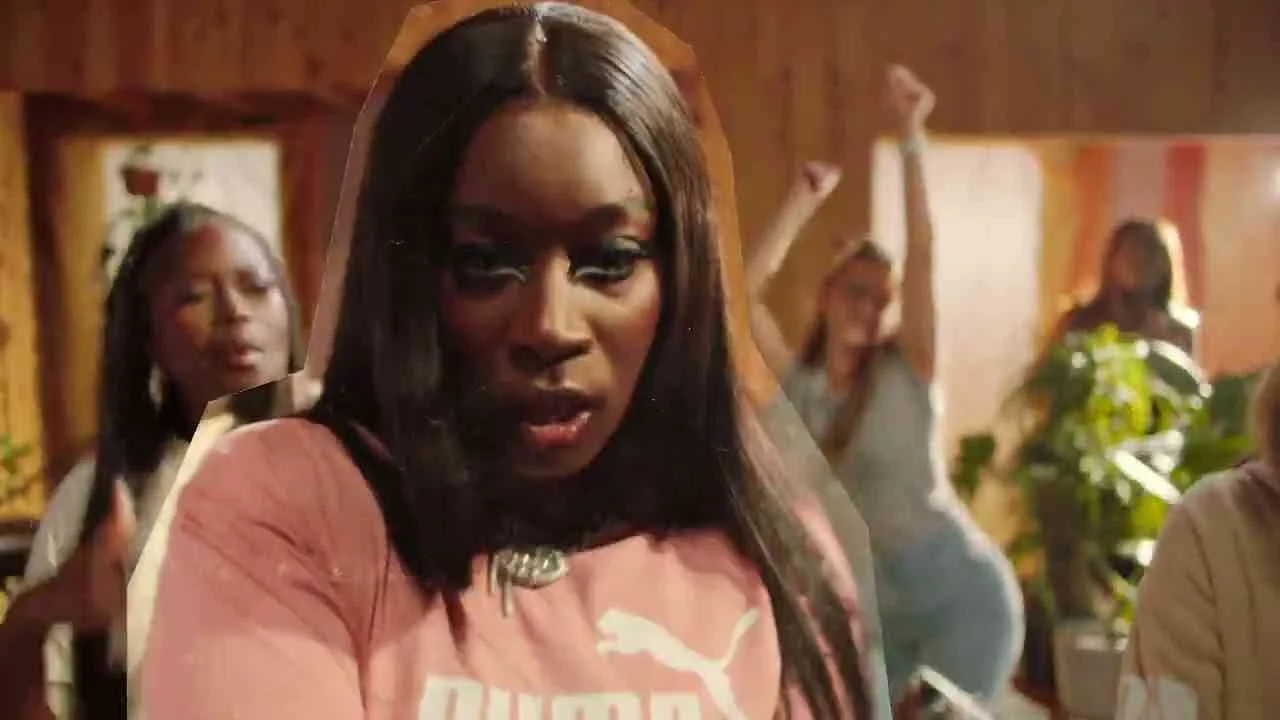
PUMA’s Here. We can be campaign, developed in partnership with The Elephant Room in Year and launching across the UK and Europe, reframes the brand’s role in sports, fitness, and lifestyle marketing by centering young women and non-binary individuals not as aspirational ideals, but as real, multidimensional protagonists of their own style and self-definition. Recognising the cultural weight and psychological complexity facing teenage girls in a hyper-connected, image-driven world, the campaign positions the PUMA Mayze Stack not just as an accessory to performance, but as an enabler of authentic self-expression, with every touchpoint engineered to break through the performative norms reinforced by social media. Strategically, the work is anchored by a female focus and deploys a powerful mix of integrated communications — synchronising retail visuals, evocative photography, and social films with a series of Listening Party events in London and Paris that transform the traditional product showcase into an experiential platform for peer-to-peer empowerment. Attendees, including girls and non-binary youth, are invited to share their stories, voice challenges, and engage in open dialogue alongside leading musical artists who, reflecting on their own coming of age, dismantle the myth of effortless confidence and foreground the value of vulnerability and solidarity. Beyond storytelling, the campaign actively fosters community and interaction, creating space for attendees to step into the spotlight — literally giving them the mic — while also weaving in moments of practical relevance through peer-led product styling and creative exchange around PUMA’s designs. What Clapboard’s taxonomy would classify as FORMAT#10—Associated User Imagery, this campaign sidesteps the conventional endorsement or dramatized narrative to foreground aspirational identification and relatability; rather than idealising unattainable archetypes, it favours real users and creators as beacons for self-invention within the brand universe. Underlining this integrated approach is a strategic clarity about market positioning, as PUMA, against a crowded field of sports and streetwear giants, asserts its intent to stand for inclusivity, community, and the emotional textures of real youth culture, rather than defaulting to formulaic empowerment tropes. The campaign earns 63/100 in Clapboard’s global creative archive. This work matters because it points to a future in which brands advance relevance not by dictating identity, but by equipping a new generation to claim it on their own terms.


.webp)