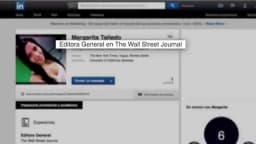
The Babbel ‘Missing Out’ campaign leverages a real-world social experiment set in Barcelona to illustrate the challenges and missed opportunities that arise without language skills. By offering tourists $5,000 in gifts spoken exclusively in Spanish, the campaign highlights how language barriers can prevent individuals from accessing valuable experiences. This narrative-driven approach communicates Babbel’s core brand proposition: fluency in a new language unlocks real-world benefits and prevents the frustration of missing out. The campaign implicitly promises that Babbel’s language learning platform equips users to overcome these barriers, thereby expanding their cultural and practical opportunities.
Strategically, the campaign employs an experiential and emotional insight—people value opportunities but often hesitate or fail to engage fully due to language barriers. The targeting focuses on English-speaking audiences likely to travel or engage internationally, positioning language learning not merely as an educational tool but as a gateway to richer, more rewarding experiences. The creative angle uses a genuine social experiment format, making the language-learning challenge tangible and relatable while capturing authentic reactions. By situating the campaign in a popular tourist setting and framing the interaction around significant financial gifts, the advertisement underscores language’s practical value beyond traditional classroom contexts. This approach effectively resonates with prospective learners motivated by real-life benefits rather than abstract goals, reinforcing Babbel’s relevance in the education market.
FORMAT#2 SHOW THE PROBLEM — Highlights a relatable problem, then shows the product as the solution.
This Babbel campaign, titled 'Missing Out,' centers around tourists in Barcelona turning down generous gifts (like $5,000) simply because the offers are made in Spanish—a language they don’t understand. The premise dramatizes the difficulty and missed opportunities that language barriers cause, making the problem highly relatable for viewers. The ad’s conclusion explicitly positions Babbel as the solution, inviting viewers to “avoid missing out” by learning languages. The execution and metadata indicate a classic Show the Problem structure, not a story or symbolic presentation, as the problem is demonstrated directly and resolved through Babbel.
ADVERTISING FORMATS EXPLAINED: https://www.clapboard.com/blog/branding-and-advertising/brand-strategy/12-advertising-creative-formats
1. Duolingo – Duolingo positions itself as a fun, gamified language learning platform that makes education accessible and engaging for everyone. It offers a free, user-friendly experience with bite-sized lessons, focusing on motivation through rewards and streaks, appealing to casual learners and those seeking flexible, mobile-first study options.
2. Rosetta Stone – Rosetta Stone is known for its immersive, intuitive approach to language learning, emphasizing pronunciation and contextual learning without translations. It caters to serious learners and institutions by offering a comprehensive, structured curriculum backed by decades of expertise, positioning itself as a premium, trusted solution.
3. Memrise – Memrise differentiates itself with a strong focus on using spaced repetition, mnemonic techniques, and real-life video content from native speakers. It targets learners looking for practical language skills paired with cultural immersion, combining technology and authentic experiences to enhance retention and engagement.
4. Busuu – Busuu combines AI-driven personalized learning paths with community interaction for conversational practice. It positions itself as a social platform where learners can receive feedback from native speakers, appealing to users seeking an interactive, adaptive learning experience that balances grammar, vocabulary, and speaking skills.
5. Lingoda – Lingoda markets itself as a language school offering live, online classes with qualified native-speaking teachers. Its positioning centers on structured, flexible learning schedules and accredited certificates, targeting professionals and serious learners who want real-time practice and formal recognition for their progress.
Q: What is Missing Out about?
A: Missing Out is a 2017 campaign created by Wieden + Kennedy for Babbel, launched in the United Kingdom and rooted in the education sector. The campaign centers on a real-world social experiment conducted in Barcelona, where tourists were offered gifts worth $5,000, but only if they could understand Spanish. By dramatizing how language barriers can lead to missed opportunities, the campaign highlights the practical and emotional value of language learning. The film quickly gained traction online, positioning Babbel as a solution for those seeking to unlock richer experiences through language proficiency.
Q: What creative device does Missing Out use?
A: Missing Out employs the Show the Problem format, classified as FORMAT#2 in Clapboard’s 12-format taxonomy. This creative device directly demonstrates a relatable challenge—in this case, tourists missing out on valuable gifts because they cannot understand Spanish—before presenting Babbel as the clear solution. The campaign’s structure is straightforward and impactful, using a real-life scenario to make the consequences of language barriers tangible for viewers. By explicitly connecting the problem to Babbel’s offering, the campaign leverages this format to drive home its message with clarity and immediacy.
Q: What is the campaign proposition for Missing Out?
A: The campaign proposition for Missing Out positions Babbel as an empowering tool that enables users to overcome language barriers and access real-world opportunities. By staging a social experiment where tourists miss out on significant rewards due to their lack of Spanish skills, Babbel communicates that language proficiency is not just an academic pursuit but a gateway to meaningful experiences. The campaign targets English-speaking audiences who travel or engage internationally, reinforcing the idea that Babbel equips them to avoid frustration and make the most of every moment, both culturally and practically.
Q: How does Missing Out rank in Clapboard's archive?
A: Missing Out holds a Clapboard Campaign Score of 66/100. This score reflects the campaign’s creative ambition, execution quality, and cultural relevance as evaluated by Clapboard’s global ad archive.
Q: Who are the competitors in Babbel's category?
A: In the language learning market, Babbel competes with several prominent brands. Duolingo is known for its gamified, accessible approach that appeals to casual learners seeking motivation through rewards. Rosetta Stone positions itself as a premium, immersive solution focused on pronunciation and contextual learning for serious students and institutions. Memrise emphasizes practical skills and cultural immersion using mnemonic techniques and native speaker content. Busuu offers personalized, AI-driven learning paths combined with community feedback for interactive practice. Lingoda differentiates itself with live, online classes led by native-speaking teachers, targeting professionals and learners seeking structured, accredited progress.


 ARCHIVE
.webp)