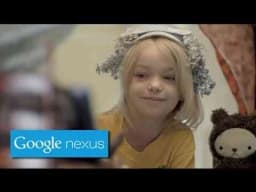
The 'Teddy Bear Story' campaign by Apple and Arab Business Machine, launched in the UAE in early 2011, positions the brand as a facilitator of emotional connection through technology. The narrative approach centers on a teddy bear, symbolizing warmth, affection, and loyalty, which aligns Apple’s products with personal stories of love and commitment. This underscores a brand proposition that technology is not just functional but deeply integrated into human relationships and everyday life, emphasizing emotional value over purely technical features.
From a market strategy perspective, the campaign leverages a culturally resonant storytelling format to engage a regional audience in the UAE, where family ties and emotional storytelling hold significant social weight. By adopting a narrative genre with a universally relatable motif—a teddy bear working “for love”—the campaign taps into the audience's sentimental values, creating a bridge between technology and everyday emotional experiences. The choice to present the campaign in film format allows for immersive storytelling, while the collaboration with a local agency, Lowe, ensures cultural relevance. Additionally, the modest digital footprint on YouTube with moderate views, likes, and comments suggests a niche but targeted reach, focusing on quality engagement rather than broad mass appeal. Overall, the campaign’s insight rests on portraying technology as a supportive, humanized force, aiming to foster a deeper emotional connection in a competitive electronics market.
FORMAT#3 SYMBOLIZE THE PROBLEM — Uses symbols or analogies to represent the problem instead of showing it literally.
This campaign, titled "Teddy Bear Story," for Apple and Arab Business Machine is in the Electronics category and uses a narrative genre. The title and the phrase "Will work for love!" suggest a teddy bear is employed as a metaphor or symbol to represent a deeper emotional or functional problem—likely loneliness, outdated companionship, or the need for connection—that the product (presumably an Apple device) can solve. There’s no evidence in the metadata of a direct demonstration, explicit problem-solution, competition contrast, testimonial, celebrity, parody, or unique user focus. Instead, the “teddy bear” serves as an analogy to humanize or symbolize the customer’s need, which is only resolved by the product’s benefits. This symbolic, narrative-driven approach fits FORMAT#3, as the campaign uses the teddy bear as an allegorical stand-in for the consumer’s underlying problem, rather than showing it in a literal sense.
ADVERTISING FORMATS EXPLAINED: https://www.clapboard.com/blog/branding-and-advertising/brand-strategy/12-advertising-creative-formats
1. Samsung – Known for offering a broad spectrum of innovative electronics, Samsung positions itself as a leader in cutting-edge technology with a strong emphasis on versatility and customization across devices, appealing to both premium and mass markets.
2. Dell – Dell differentiates through its direct-to-consumer sales model and strong focus on customizable computing solutions, catering primarily to business clients with reliable, performance-driven technology and dedicated support services.
3. HP (Hewlett-Packard) – HP emphasizes practical, cost-effective technology solutions for both consumers and enterprises, blending reliable performance with extensive product variety across computing and printing sectors.
4. Microsoft – Positioned as a software giant transitioning into hardware, Microsoft leverages its Windows ecosystem to integrate productivity software with hardware devices, offering seamless user experiences primarily for business and professional use.
5. Lenovo – Lenovo stands out by combining affordability with innovation, focusing on durable and user-friendly products targeted at both emerging and established markets, with a stronghold in laptops and enterprise technology solutions.
Q: What is Teddy Bear Story about?
A: Teddy Bear Story is a film campaign launched in 2011 by the agency Lowe for Apple and Arab Business Machine in the United Arab Emirates, targeting the electronics and technology market. The campaign centers on a narrative device featuring a teddy bear, using the motif of "Will work for love" to symbolize emotional connection and devotion. By blending heartfelt storytelling with Apple’s brand messaging, the campaign positions technology as an enabler of meaningful human relationships. The film format, supported by a soundtrack from TripleScoopMusic.com, was designed to resonate with a culturally attuned, family-oriented audience in the UAE.
Q: What creative device does Teddy Bear Story use?
A: Teddy Bear Story employs FORMAT#3 SYMBOLIZE THE PROBLEM, as classified by Clapboard’s 12-format taxonomy. Rather than depicting the consumer’s need or problem literally, the campaign uses the teddy bear as a metaphor for deeper emotional needs such as companionship and connection. This allegorical approach humanizes the role of technology, positioning Apple’s products as solutions to unspoken emotional gaps. The narrative-driven film does not rely on direct demonstration or testimonials but instead crafts a symbolic story that invites viewers to see themselves in the teddy bear’s journey.
Q: What is the campaign proposition for Teddy Bear Story?
A: The campaign proposition for Teddy Bear Story is to position Apple and Arab Business Machine as brands that facilitate emotional connection through technology. By centering the narrative on a teddy bear—a universal symbol of warmth and loyalty—the campaign aligns the brand with personal stories of love and commitment. This approach is tailored to the UAE market, where family ties and emotional storytelling are culturally significant, emphasizing that technology is not just functional but deeply woven into the fabric of everyday relationships. The campaign aims to foster a sense of emotional value and brand affinity in a competitive electronics landscape.
Q: How does Teddy Bear Story rank in Clapboard's archive?
A: Teddy Bear Story holds a Clapboard Campaign Score of 57/100 in Clapboard’s global ad archive. This score reflects the campaign’s creative ambition, the quality of its execution, and its resonance within the context of the electronics and technology sector in the UAE.
Q: Who are the competitors in Apple and Arab Business Machine's category?
A: In the electronics and technology category, Apple and Arab Business Machine face competition from brands such as Samsung, which is recognized for its broad portfolio of innovative devices and emphasis on versatility; Dell, known for its direct-to-consumer model and focus on customizable computing for business clients; HP, which offers practical and cost-effective technology solutions for both consumers and enterprises; Microsoft, leveraging its Windows ecosystem to integrate productivity software with hardware for professional users; and Lenovo, which combines affordability with innovation and targets both emerging and established markets with durable, user-friendly products.


 ARCHIVE
.webp)