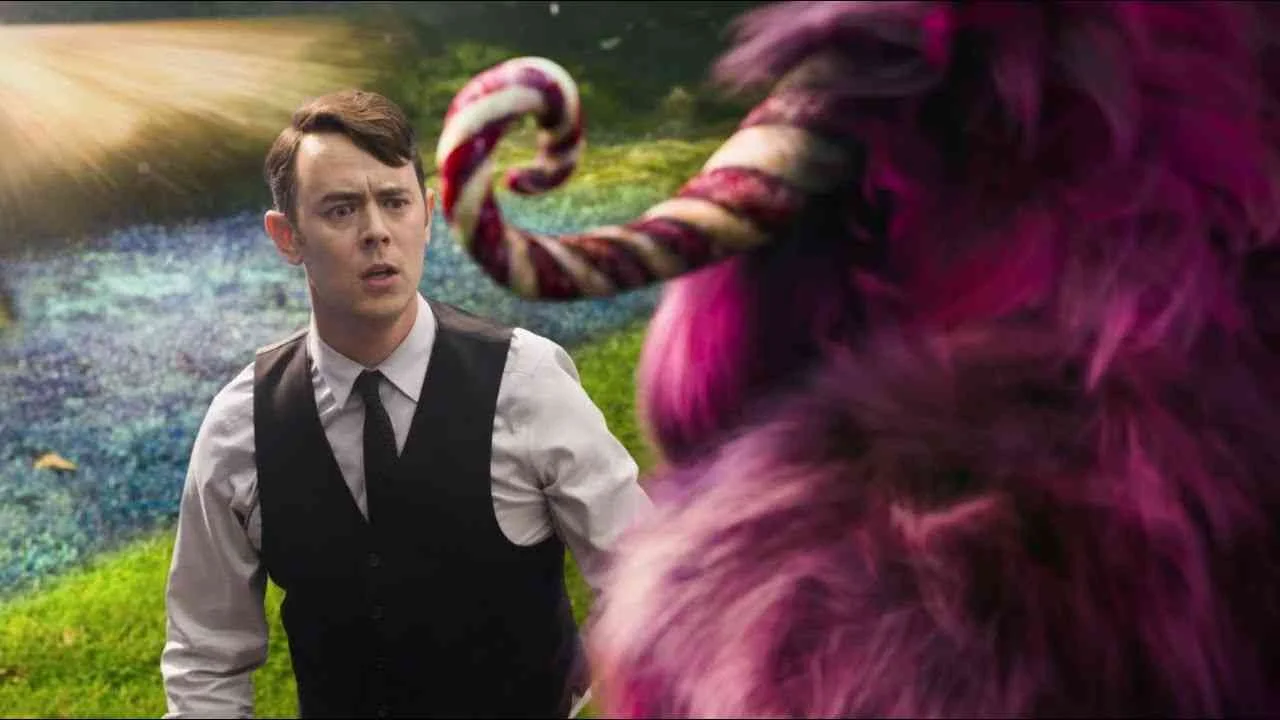
The Animated Trailer - How to Carry Bigfoot Home | Clapboard Ad Archive
For the 2015 campaign Help a Monster’s Dream Come True, the brand How to Carry Bigfoot Home activated a digital-first approach to literary marketing by launching an animated trailer that recast Chris Tarry’s debut story collection as an entertainment event, strategically bridging the worlds of publishing, digital media, and pop culture fandom. In the absence of a named agency, this self-driven creative concept leaned into the conventions of the film trailer—an approach Clapboard’s taxonomy classifies as FORMAT#12—Parody or Borrowed Format—deploying the familiar visual grammar and pacing of cinema promo pieces to draw readers into the book’s imaginative landscape of dragons, Bigfoot, and sea monsters confronted with deeply human struggles. Playing in the media and entertainment category, the campaign delivered a whimsical-yet-poignant invitation to discover literary fiction through an audiovisual lens, positioning Tarry’s short stories as rich, character-driven explorations of modern identity, masculinity, and the universal tendency to carry hidden burdens. With the animated trailer at its heart, the campaign teased standout stories—like the out-of-work dragon-slaying dad or the failing creative writing instructor who happens to be Bigfoot—by giving their dilemmas and aspirations vibrant, accessible form and personality, inviting audiences who might otherwise overlook short story fiction to see themselves in the monsters’ dreams and disappointments. The communications strategy was tightly integrated with e-commerce, driving viewers directly to book retailers such as Amazon, Barnes & Noble, and independent bookstores, leveraging the emotional resonance of animated storytelling to nudge viewers from passive interest to active purchase. Endorsements from literary figures amplified credibility, reinforcing the collection’s place within the revival of the short story and its nuanced exploration of contemporary manhood, while the campaign’s accessible shareability extended awareness within and beyond traditional literary circles. The campaign earns 61/100 in Clapboard’s global creative archive. This work matters to the industry because it signals how borrowing entertainment formats can reimagine book marketing for a digital-native audience that expects narrative and spectacle as the gateway to discovery.





.webp)