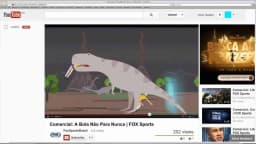
The campaign "The Overweight Title Fight," developed by Filadelfia for Aeromusica in Brazil, leverages narrative storytelling to highlight the brand's positioning within the media and entertainment industry. By framing the campaign as a dramatic duel—described simply as "A duel of epic proportions"—it suggests a promise of engaging, impactful content that captivates audiences much like a high-stakes competition. This positions Aeromusica as a platform or service delivering compelling media experiences that command attention and provoke emotional investment from viewers.
Strategically, the campaign taps into the cultural resonance of competitive sports or contests, a familiar and potent metaphor in Brazil, to create narrative tension and viewer intrigue. Employing a film medium allows Aeromusica to connect on an emotional level, using storytelling to differentiate itself in a crowded marketplace. The use of a narrative genre supports a creative angle focused on drama and suspense, aiming to engage an audience that values entertainment with substance and excitement. Additionally, the Portuguese language targeting reflects a localized approach, ensuring relevance to Brazilian viewers by aligning with their linguistic and cultural context. Despite modest viewership and engagement metrics, the campaign’s strategy centers on evoking familiarity and emotional intensity rather than broad reach, suggesting a focus on brand depth and affinity within a niche audience. Overall, the campaign’s value proposition hinges on delivering memorable, emotionally charged media content, while its market approach integrates storytelling and culturally relevant themes to foster a meaningful connection with its audience.
FORMAT#12 PARODY OR BORROWED FORMAT — Uses or parodies pop culture formats like films, shows, or genres.
This campaign is titled 'The Overweight Title Fight' and described as “a duel of epic proportions,” referencing the spectacle of a boxing or fighting contest—a well-known pop culture genre. The use of "Title Fight" language and dramatic genre cues in both the introduction and meta description suggest that the ad borrows the stylistic conventions, tropes, and structure of grand sporting showdowns to frame its message. There are strong symbolic and narrative cues, but no indication of a direct product demonstration, testimonial, ongoing characters, or an exemplary story with a decisive brand resolution. Instead, the campaign likely uses the parody/borrowed format creative device, aligning the brand with the excitement and drama of a championship fight to attract attention within the media/entertainment category.
ADVERTISING FORMATS EXPLAINED: https://www.clapboard.com/blog/branding-and-advertising/brand-strategy/12-advertising-creative-formats
1. Globo – Market Positioning
Globo is Brazil’s largest and most influential media conglomerate, commanding dominance in television broadcasting. It leverages extensive local content production, popular soap operas, and comprehensive news coverage to maintain a family-friendly, trusted brand image. Globo differentiates itself through its deep cultural connection and widespread reach across Brazil’s diverse demographics.
2. Rede Record – Market Positioning
Rede Record positions itself as a strong alternative to Globo with a focus on sensational entertainment, reality shows, and religious programming. It appeals to a broad audience by combining mainstream narratives with evangelical content, thus occupying a unique niche in Brazil’s media landscape with strategic diversification.
3. SBT (Sistema Brasileiro de Televisão) – Market Positioning
SBT emphasizes affordable, popular entertainment featuring a mix of imported content, variety shows, and children’s programming. It targets middle-class families seeking lighthearted, accessible media, distinguishing itself with a nostalgic and entertainment-focused approach.
4. Band (Rede Bandeirantes) – Market Positioning
Band leverages a diverse portfolio including sports broadcasting, news, and reality shows to appeal to urban viewers interested in active lifestyles and current events. Its market positioning centers on dynamic, contemporary content that blends entertainment with informative programming.
5. ESPN Brasil – Market Positioning
ESPN Brasil specializes exclusively in sports media, positioning itself as the premier destination for sports news, commentary, and live events. Its strategic angle focuses on passionate sports fans seeking in-depth analysis and exclusive coverage across multiple sports disciplines.
Q: What is The Overweight Title Fight about?
A: The Overweight Title Fight is a professional campaign created by the agency Filadelfia for the brand Aeromusica, released in Brazil in 2013. Developed for the media and entertainment sector, this film-based campaign centers on the concept of a dramatic duel, described as a duel of epic proportions. The narrative leverages the spectacle of a championship fight to position Aeromusica as a provider of compelling, high-stakes media experiences. The campaign is delivered in Portuguese and was designed to resonate with Brazilian audiences seeking entertainment that combines drama, excitement, and cultural relevance.
Q: What creative device does The Overweight Title Fight use?
A: The Overweight Title Fight employs FORMAT#12 PARODY OR BORROWED FORMAT, as classified by Clapboard's 12-format taxonomy. This creative device involves borrowing or parodying well-known pop culture genres—in this case, the grand spectacle of a boxing or fighting contest—to frame the brand’s message. By adopting the stylistic conventions, tropes, and narrative structure of a championship showdown, the campaign aligns Aeromusica with the excitement and drama of major entertainment events, using parody as a strategic lever to capture attention within the crowded media category.
Q: What is the campaign proposition for The Overweight Title Fight?
A: The campaign proposition for The Overweight Title Fight is to position Aeromusica as a brand that delivers engaging, emotionally charged media experiences, using the familiar metaphor of a high-stakes competition to command audience attention. By tapping into the cultural resonance of sporting contests in Brazil and employing a dramatic, narrative-driven film format, the campaign aims to foster brand affinity among viewers who value substance and excitement in entertainment. The localized use of Portuguese further reinforces Aeromusica’s commitment to cultural relevance and meaningful audience connection within the Brazilian media landscape.
Q: How does The Overweight Title Fight rank in Clapboard's archive?
A: The Overweight Title Fight holds a Clapboard Campaign Score of 63/100 in Clapboard's global ad archive. This score reflects the campaign’s creative ambition, execution quality, and cultural relevance as assessed by Clapboard’s curatorial standards.
Q: Who are the competitors in Aeromusica's category?
A: In the Brazilian media and entertainment sector, Aeromusica competes with several major players: Globo dominates the market with extensive local content and a trusted, family-friendly brand; Rede Record positions itself as a mainstream alternative with sensational entertainment and religious programming; SBT targets middle-class families through accessible, nostalgic entertainment; Band appeals to urban viewers with a dynamic mix of sports, news, and reality shows; and ESPN Brasil is the go-to destination for passionate sports fans seeking comprehensive sports coverage and analysis.


.webp)