- HOME
- FOR CLIENTS
- FOR FREELANCERS
- LOGIN
BLOG
New user? Create account
New user? Create account

Client:
Wyborowa
Agency:
McCann
Creative Director:
Bartek Klimaszewski, Marcin Sosinski
Art Director:
Grzegorz Karwowski, Jaroslaw Michalski
Copywriter:
Magda Banasik
Director:
Lukasz Zablocki
Music:
Radzimir Dębski
Project Manager:
Kuba Mikulan
Producer:
Dominika Grzegdala
Country:
Poland
Medium Types:
Integrated
Year:
2017
Category:
Food & Drink
Project 30/90 is an integrated marketing campaign launched in Poland in February 2017 for the renowned alcoholic beverage brand Wyborowa, developed by the creative team at McCann. Designed to resonate with contemporary consumers, this campaign leverages a single powerful media asset to communicate its core message, emphasizing quality, tradition, and progressive brand values within the Alcoholic Drinks industry. The campaign was strategically crafted to engage the Polish market by combining both traditional and digital media formats, ensuring a cohesive brand experience across multiple touchpoints. The messaging and visual elements are tailored to elevate Wyborowa’s brand presence by highlighting its craftsmanship and heritage, encouraging consumers to connect emotionally with the product. Delivered in Polish, the campaign aligns with local cultural nuances, reinforcing brand loyalty among existing customers while attracting new demographics. Despite its focused scale, Project 30/90 managed to generate considerable engagement within its target audience, reflected in its views and social interactions, illustrating the effectiveness of a well-executed integrated media approach even with a singular media asset. Through this campaign, Wyborowa demonstrated its commitment to creative storytelling and strategic communication, strengthening its position in the competitive alcoholic drinks sector while showcasing McCann’s expertise in crafting culturally relevant, memorable advertising experiences that drive meaningful consumer connections in the Polish market.

In 2018, Adsapience launched an integrated self-promotion campaign in Ukraine called The Rights, designed to connect meaningfully with its B2B partners around International Women’s Day on March 8th. To delve into the genuine feelings women have about this celebration, the agency initiated a dynamic Facebook flashmob using the hashtag #buketchallenge. This social media movement encouraged authentic conversations and engagement, creating a platform where women could express their views while fostering an interactive community experience. Complementing this digital activation, Adsapience gifted its partners a specially designed symbolic wallet representing their "rights," a clever metaphor for empowerment and mutual respect that the agency describes as a form of "driving." This innovative gesture served both as a thoughtful congratulation and a unique brand message, further strengthening partner relationships through meaningful symbolism and interactive participation. With one carefully curated media asset supporting this initiative, the campaign successfully combined digital engagement with tangible expressions of appreciation, positioning Adsapience not only as a creative force in advertising but also as an agency deeply attuned to the social nuances of celebration and acknowledgment. The Rights campaign emphasizes sincerity in communication, harnessing social media trends to engage audiences emotionally while reinforcing professional bonds with a fresh, culturally relevant approach. It highlights Adsapience’s ability to blend creativity with strategic messaging to foster lasting connections in the competitive advertising landscape.
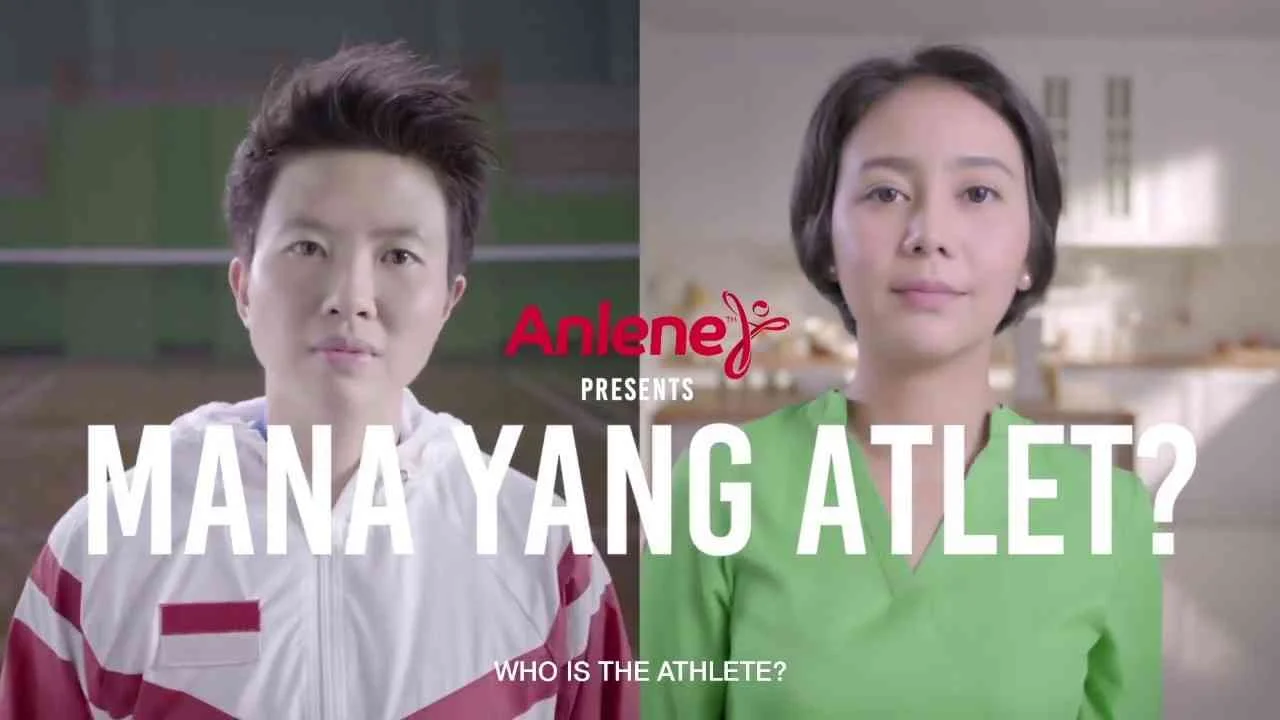
Launched in Indonesia in August 2018, the integrated campaign "Who is the Athlete?" for the pharmaceutical brand Anlene, created by FCB Jakarta, strategically leveraged the fervor surrounding the Asian Games to promote an active lifestyle despite not being an official sponsor. The challenge was to engage audiences without using any imagery or references related to the games, stadiums, or logos. Drawing from the insight that everyday individuals stretch themselves to their limits in fulfilling family responsibilities much like athletes strive for national glory, the campaign centered around the powerful idea that there is an athlete in everyone. The execution began with a provocative social media poll asking, "Who is the athlete?" which sparked engagement and curiosity. This was followed by a digital video and TVC featuring a striking juxtaposition between Olympic badminton champion Liliyana Natsir and an ordinary housewife, illustrating that both embody the spirit of an athlete. When some homemakers challenged this comparison, the campaign amplified the narrative through a role-reversal challenge broadcast live on Facebook, where regular homemakers competed against Liliyana, further blurring the lines between professional athleticism and everyday determination. To sustain momentum, the brand rolled out continued social media content and enlisted renowned sports photographer Peksi Cahyo to capture portraits of ordinary people exuding athletic spirit. The campaign culminated on Indonesia National Sports Day with a public exhibition of these photographs, reinforcing Anlene’s message that strength, perseverance, and athleticism are present in everyone, aligning the brand with values of vitality and resilience beyond the realm of professional sports. This thoughtful blend of digital, broadcast, and live engagement successfully fostered a conversation that extended well beyond traditional sports sponsorship limitations.
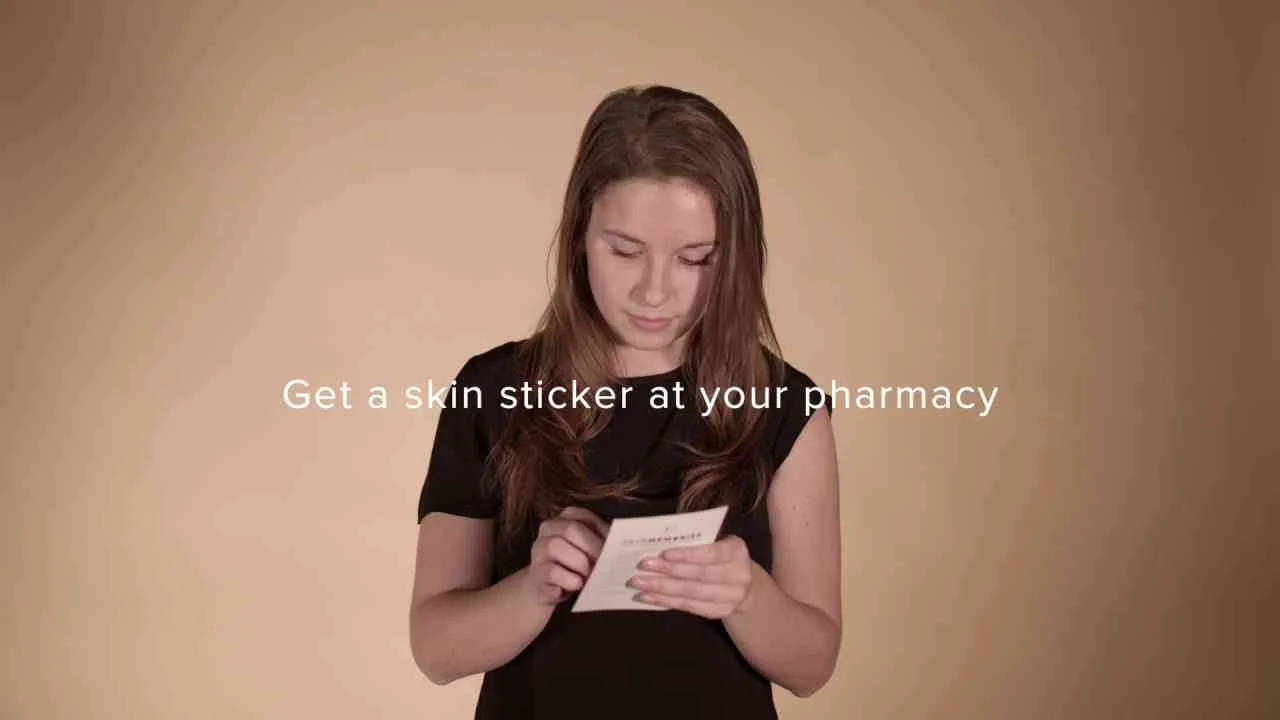
In 2017, the Euromelanoma Foundation, in collaboration with BBDO, launched an innovative integrated campaign in Belgium called Skin Memories, aimed at combating skin cancer through heightened awareness and proactive skin monitoring. Despite skin cancer being largely preventable and detectable, many still neglect regular skin checks, leading to fatal consequences every 54 minutes. Recognizing that people frequently check their Facebook timelines, BBDO ingeniously transformed Facebook Memories into a life-saving reminder. The campaign distributed free patches at pharmacies across Belgium that users could apply directly onto skin marks. By taking a photo of the marked skin and posting it on Facebook, individuals would benefit from Facebook Memories resurfacing the same image over time, serving as a potent, recurring prompt to inspect changes in their skin. This approach leverages existing social media behavior to encourage regular self-examinations, making skin health part of people’s digital lives. Additionally, the public or private sharing of images under the hashtag #SkinMemories amplified awareness, creating a community-driven dialogue around skin cancer prevention and early detection. This creative integration of a health message with social media technology effectively bridges the gap between awareness and action, fostering behavioral change while utilizing a familiar, everyday digital tool. The campaign stands out for its strategic use of technology to deliver continuous reminders, contributing not only to individual health management but also to a broader societal impact by inspiring conversations and vigilance around skin cancer. Skin Memories exemplifies how thoughtful communication and media integration can transform routine social media usage into a powerful health intervention.
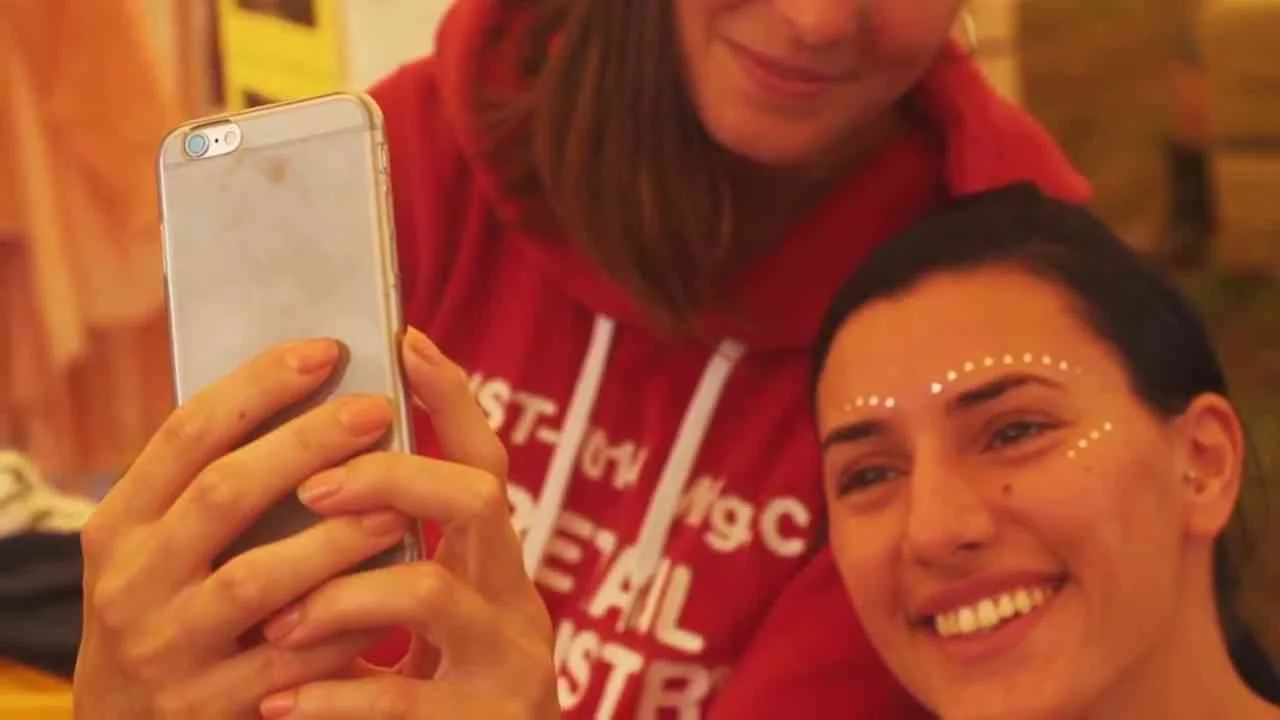
The Unofficial Partners Campaign, launched in Romania in June 2016, was developed for Electric Castle by the ad agency Golin, in collaboration with MullenLowe Romania. This integrated medium campaign strategically highlights Electric Castle, one of Romania’s premier music festivals, renowned for its unique blend of music, culture, and extraordinary setting. Set annually from Thursday to Sunday on the striking grounds of Banffyh Castle near Cluj-Napoca in Transylvania, Electric Castle offers attendees an immersive experience that transcends typical festival expectations. The campaign leverages a single, powerful media asset to capture the festival’s extraordinary atmosphere, emphasizing its status not just as a music event but as a lifestyle and cultural landmark. Crafted in the Romanian language, the campaign aligns with the recreation and leisure industry, aiming to engage festival-goers and music enthusiasts by stirring emotional connections and amplifying Electric Castle’s brand identity as an innovative, must-attend event. With a targeted approach, the campaign focuses on building community and awareness around the festival's unofficial partners, who symbolize the spirit of collaboration and shared passion within this vibrant scene. Through authentic storytelling and integrated messaging, the campaign cultivates a sense of belonging and anticipation, reinforcing Electric Castle’s role as a trendsetter in the festival circuit while highlighting the picturesque and historic backdrop that distinguishes the event. Overall, the Unofficial Partners Campaign expertly positions Electric Castle as a leading cultural phenomenon in Romania, inviting audiences to experience a distinctive blend of music, heritage, and contemporary leisure.
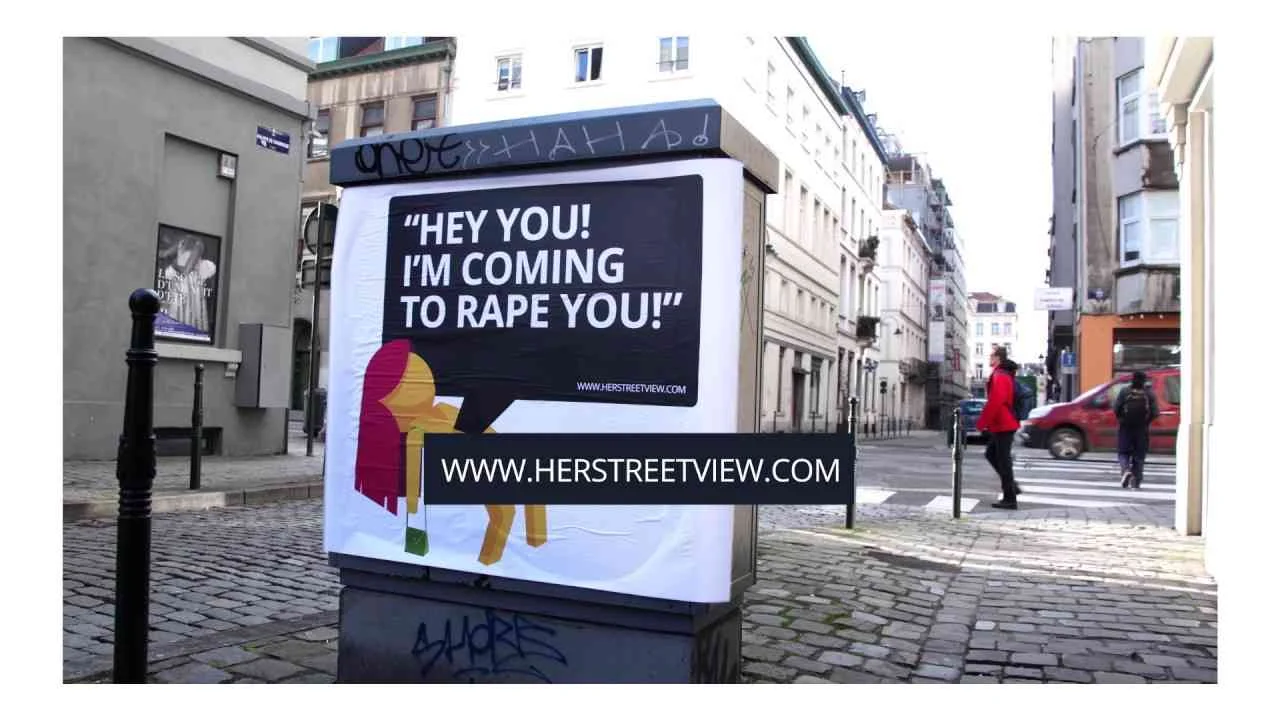
Her street view is a powerful integrated campaign launched in Belgium in March 2024 for the brand Touche pas à ma pote, developed by the renowned ad agency JWT. Positioned within the Public Interest sector, this campaign leverages a single, impactful media asset to raise awareness and provoke thought around issues concerning women's safety and public space. The campaign takes a creative approach by interpreting public environments through a gendered lens, highlighting the everyday challenges women face and encouraging societal reflection and change. Delivered primarily in Dutch, the campaign’s messaging is clear and purposeful, aiming to engage the local community through relatable and authentic storytelling. With a focus on integrated media, Her street view seamlessly combines digital, social, and traditional advertising channels to maximize reach and emotional connection. The campaign has garnered attention with over two thousand views, reflecting notable audience engagement, and while the campaign's social metrics show modest likes and comments, its impact lies in its meaningful content and its call to action for public interest. By addressing a critical social issue through innovative advertising strategies, Her street view exemplifies how brands and agencies can collaborate effectively to drive awareness and inspire conversations that matter.
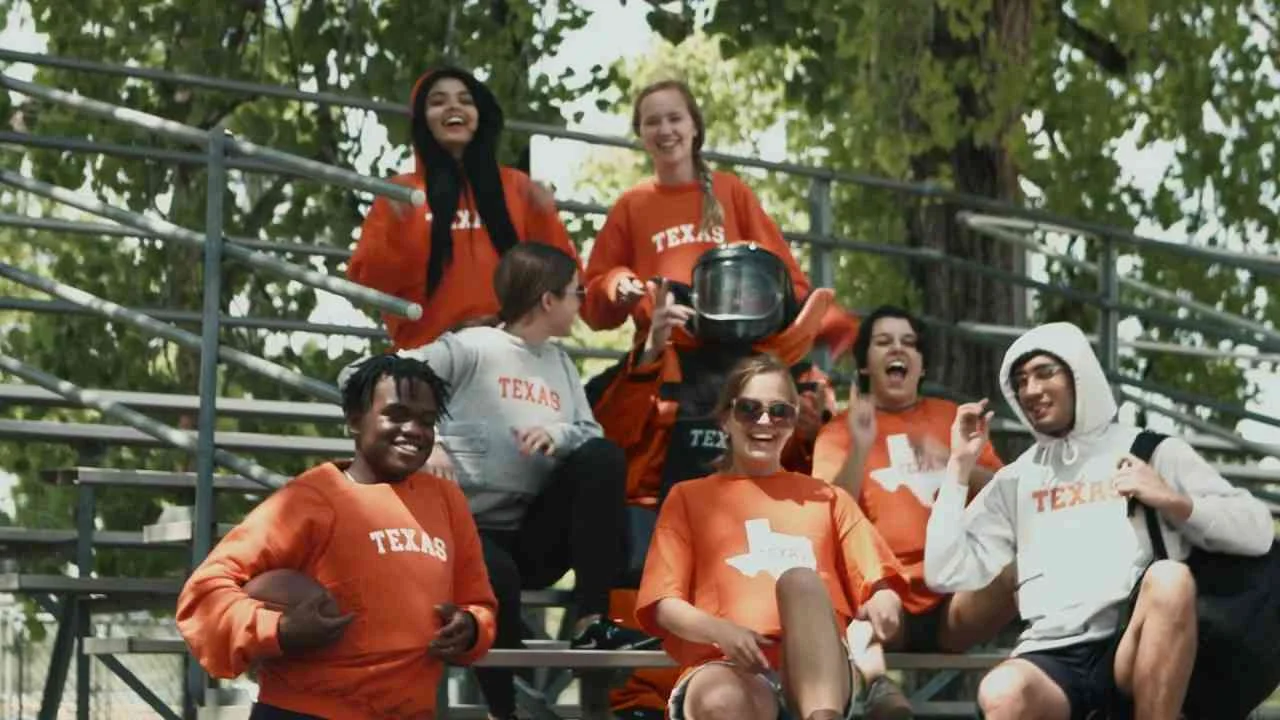
In 2017, the bold and provocative integrated campaign Student Body Armor was launched in the United States by FCB for the brand Cocks Not Glocks, aiming to tackle the alarming rise of campus carry laws. With an incident involving a firearm occurring on average once a week over the previous four years, nine states had already passed legislation permitting licensed individuals to carry guns on college campuses. To raise awareness and spark critical conversations around the dangers of these laws, Student Body Armor introduced the first-ever line of bulletproof college apparel, blending functional Type 2 body armor with collegiate style and school pride. This campaign used absurdity as a strategic communication tool, confronting the normalization of firearms on campuses by offering a tangible, if satirical, solution that forces parents, students, and policymakers alike to rethink their stance on campus safety. The one media asset featured in this integrated effort captured public attention, accumulating over 28,000 views, 80 likes, and engaging commentary, reflecting both support and dialogue around the issue. By embedding a strong visual metaphor within everyday college wear, the campaign cleverly underscored the uncomfortable reality faced by today’s students while provoking a deeper debate on gun legislation and its impact on educational environments. Student Body Armor stands out as a powerful example of using marketing and communication not only to promote awareness but to inspire societal reflection and potential change regarding campus carry laws.
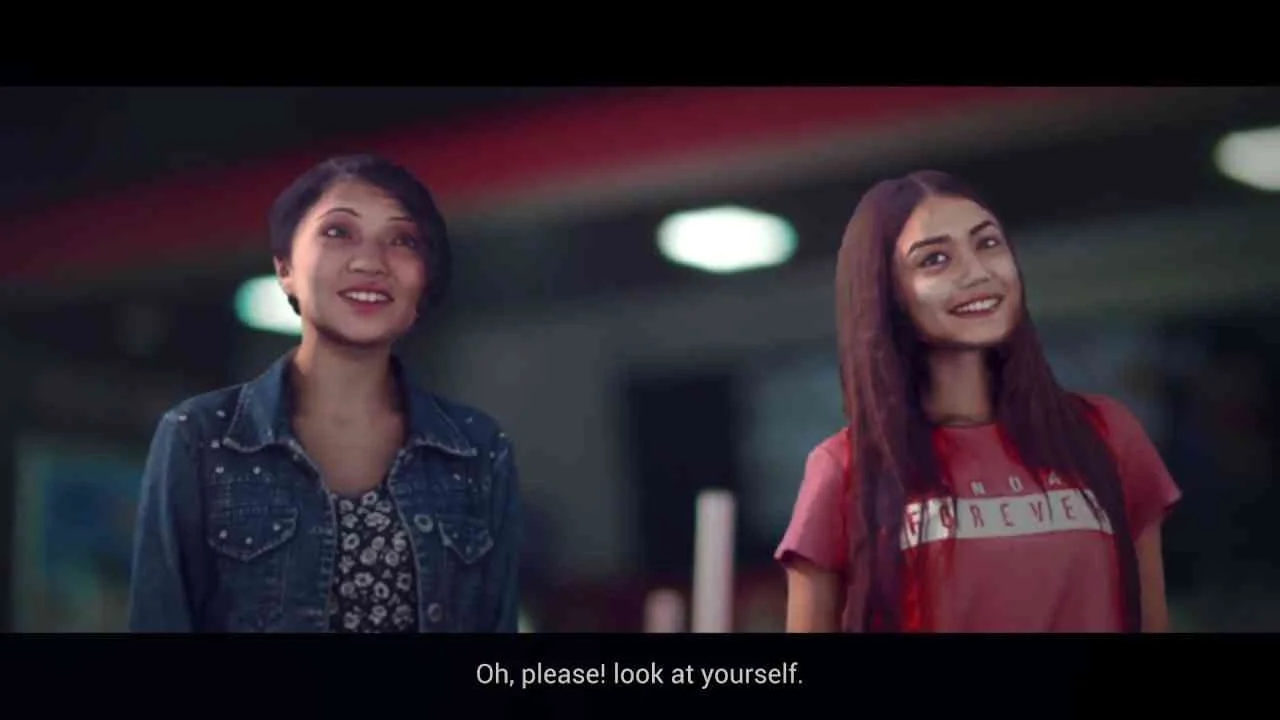
In 2017, KFC India launched an innovative and highly personalized campaign called I-Box, developed by Blink Digital, that aimed to redefine the dining experience for exclusivity-seeking consumers. This integrated campaign, centered around the food industry, leveraged cutting-edge 3D printing technology to offer customers a unique and bespoke interaction with the brand. The core idea was to allow consumers to create a mini avatar of themselves, which could be placed alongside their KFC 5-in-1 Longer Meal Box, making each meal not just about taste but about personalized storytelling and ownership. By combining technology with customization, KFC sought to deepen emotional engagement and create memorable brand moments that resonate with a younger, tech-savvy audience. The campaign’s tagline, I-Box: Smart, hai na?, highlighted the innovative and contemporary spirit of the offering. With one key media asset, the campaign captured the imagination of nearly 97,000 viewers, generating organic interest as reflected in likes and comments. By integrating in-store experiences with digital innovation, the campaign not only boosted foot traffic to select KFC outlets but also positioned the brand as a pioneer in blending food with technological personalization, delivering a truly differentiated and immersive consumer journey that elevated the brand’s relevance in a competitive market.
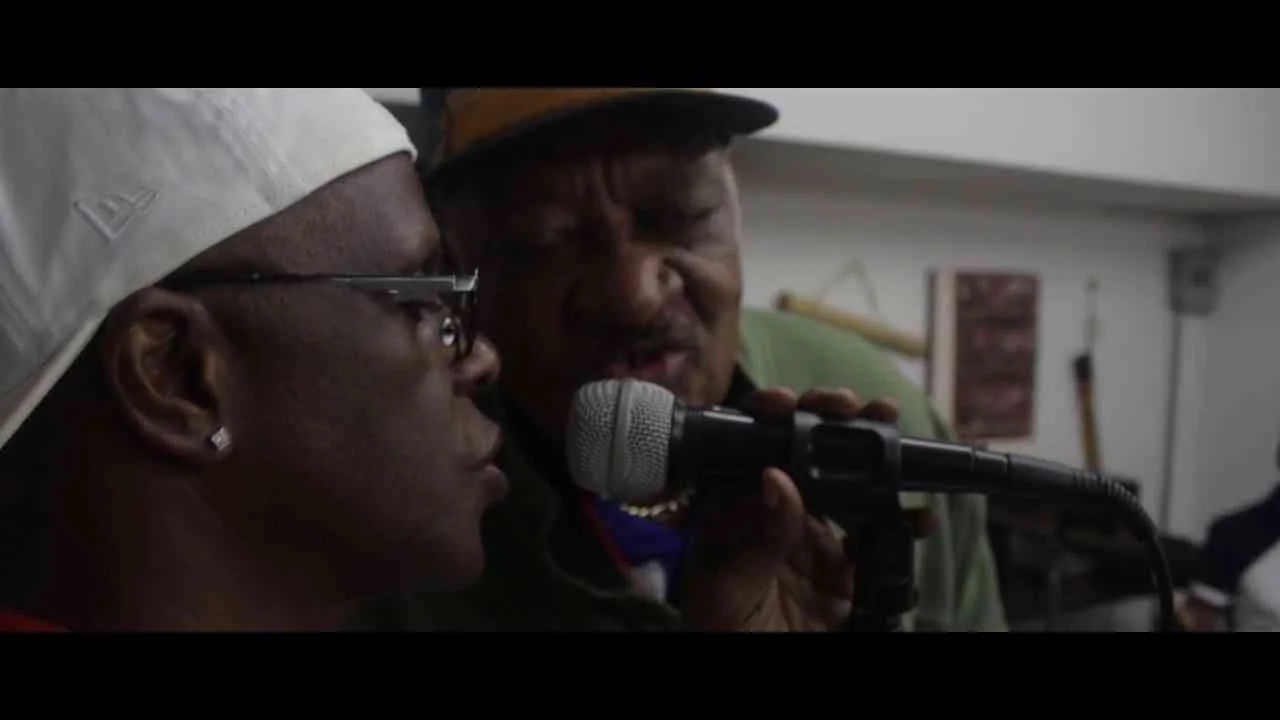
Rescuing The Taste Of The Caribbean is a compelling integrated campaign launched in Panama in 2017 for Folk Lab Studio by the independent ad agency Independiente. Positioned within the Professional Services sector, this campaign creatively harnesses the rich cultural heritage of the Caribbean through the powerful medium of music performed by the Beachers, aiming to revive and celebrate a vital part of regional identity. By blending tradition with modern storytelling, the campaign delivers a strong emotional connection that transcends typical advertising, positioning Folk Lab Studio as a brand deeply committed to cultural preservation and authenticity. The campaign’s singular media asset effectively captures the essence of Caribbean flavor and spirit, inviting audiences to engage not only with the music but with the broader narrative of cultural rescue and celebration. Presented in Spanish, the campaign has garnered attention and modest interaction, highlighting its niche yet meaningful impact within the local market. By focusing on the theme of cultural rescue through music, the campaign strengthens Folk Lab Studio’s brand message, aligning it with values of heritage, community, and creativity. This approach underscores the importance of maintaining cultural roots amid globalization, positioning the brand as a custodian of Caribbean tradition through an innovative and artistic lens. The campaign’s thoughtful execution and integrated media strategy exemplify a sophisticated understanding of local culture, making it a notable example of how professional services can employ storytelling to build emotional and cultural resonance with their audience.
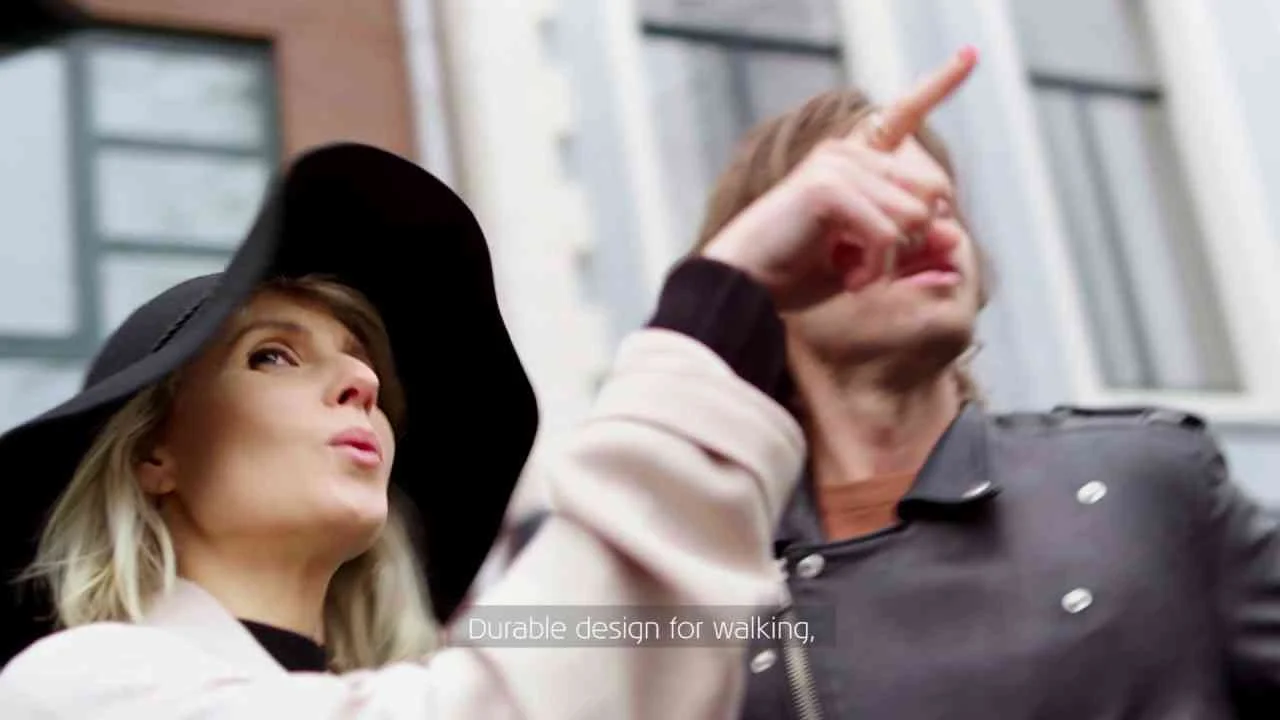
In 2017, KLM, in collaboration with the ad agency Pool, launched a creative and integrated campaign in Sweden titled The Amsterdam Sneaker, designed to enhance the travel experience and deepen the connection between the airline and its home city, Amsterdam. Celebrating KLM’s Dutch roots and its long-standing presence in Amsterdam since 1919, the campaign leveraged the city’s unique, compact layout, promoting discovery on foot as the best way to experience its charm. Central to the initiative was the introduction of a limited edition Amsterdam Sneaker, meticulously handmade in Europe and crafted to offer comfort and style for long city walks. This exclusive product not only embodied the spirit of Amsterdam but also provided practical value, including free entry to several of the city’s iconic sights, thereby enriching travelers’ explorations. To engage and excite its audience, KLM offered fans the chance to win these sneakers or bid on them through popular auction platforms like eBay and Tradera, with all proceeds being donated to UNICEF, reflecting the brand’s commitment to social responsibility. Complementing the product was a series of curated city “walkabouts,” which served as guided tours highlighting must-see streets and attractions, effectively blending travel inspiration with actionable experiences. Through its digital channels, including KLM’s official website and social media platforms such as Facebook, Twitter, Instagram, LinkedIn, and YouTube, the campaign invited travelers to participate and immerse themselves in the vibrant world of KLM and Amsterdam. With a single media asset and a clear focus on seamlessly combining transport, lifestyle, and philanthropy, The Amsterdam Sneaker campaign positioned KLM not just as an airline but as an authentic ambassador of the city, encouraging travelers to step into a genuine Amsterdam experience from the moment they arrive.
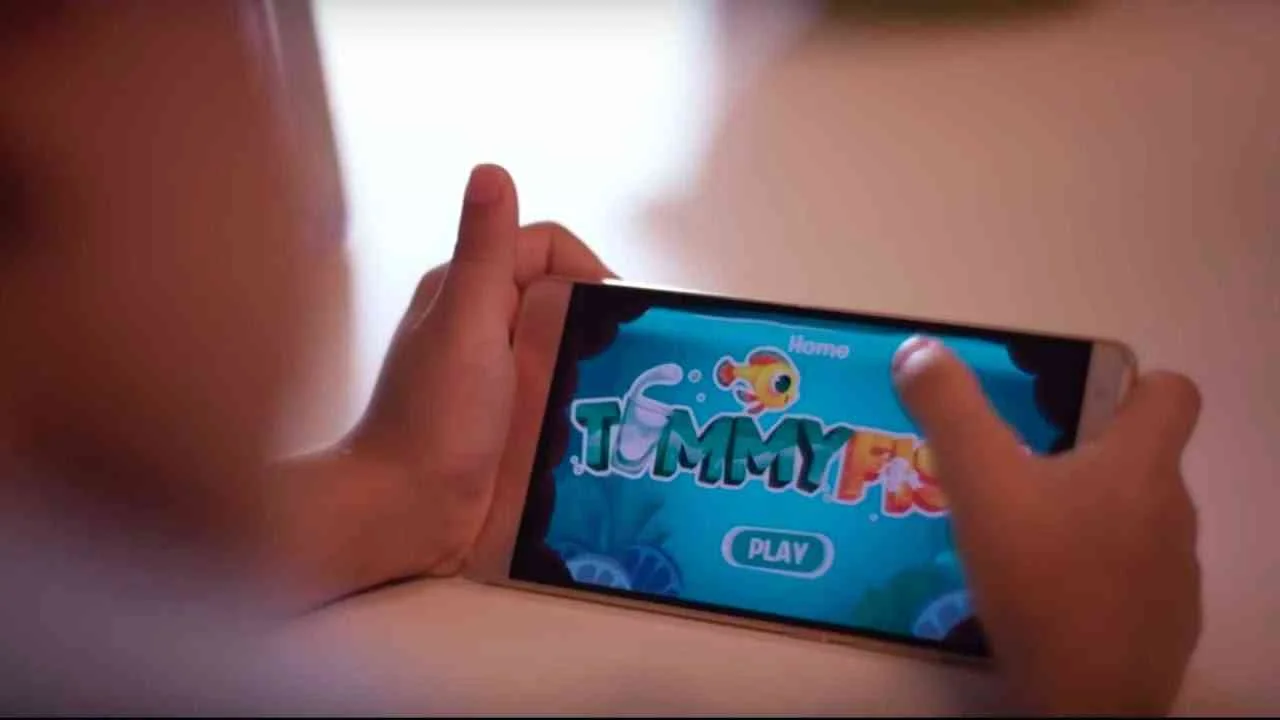
Launched in 2016 in the United Arab Emirates, the Tummyfish campaign by United for Healthier Kids and Ogilvy strategically addresses children’s hydration habits through an engaging, integrated public interest initiative. Recognizing that kids often prefer sugary drinks over water, leading to dehydration and related health issues in one out of four children, this campaign introduces Tummyfish, a charming digital companion residing in a child’s tummy that encourages daily water consumption. The campaign’s core asset includes a colorful storybook narrating the adventures of the first Tummyfish, who escapes perilous seas to find safety inside a young boy after being swallowed with a glass of water. Complementing the narrative, the accompanying app employs an interactive camera trick allowing parents to reveal their child's own Tummyfish, making hydration a fun and relatable activity. The app empowers children to take ownership of their health by rewarding increased water intake with unlockable toys and mini-games for their Tummyfish, fostering positive reinforcement. Meanwhile, parents gain tools to support and track their children’s progress through daily reminders and behavioral statistics, bridging engagement between child and caregiver. This campaign leverages storytelling, gamification, and technology to transform water drinking from a mundane task into an entertaining and meaningful experience, effectively driving health-conscious behavior in young audiences. By combining creative narrative with practical application, Tummyfish serves as a memorable mascot promoting healthier lifestyles and hydration awareness, positioning United for Healthier Kids as a pioneer in child-focused health education. For more information and to engage with the campaign, audiences are encouraged to download the free Tummyfish app and explore additional healthy living resources via the official United for Healthier Kids website and social media channels.
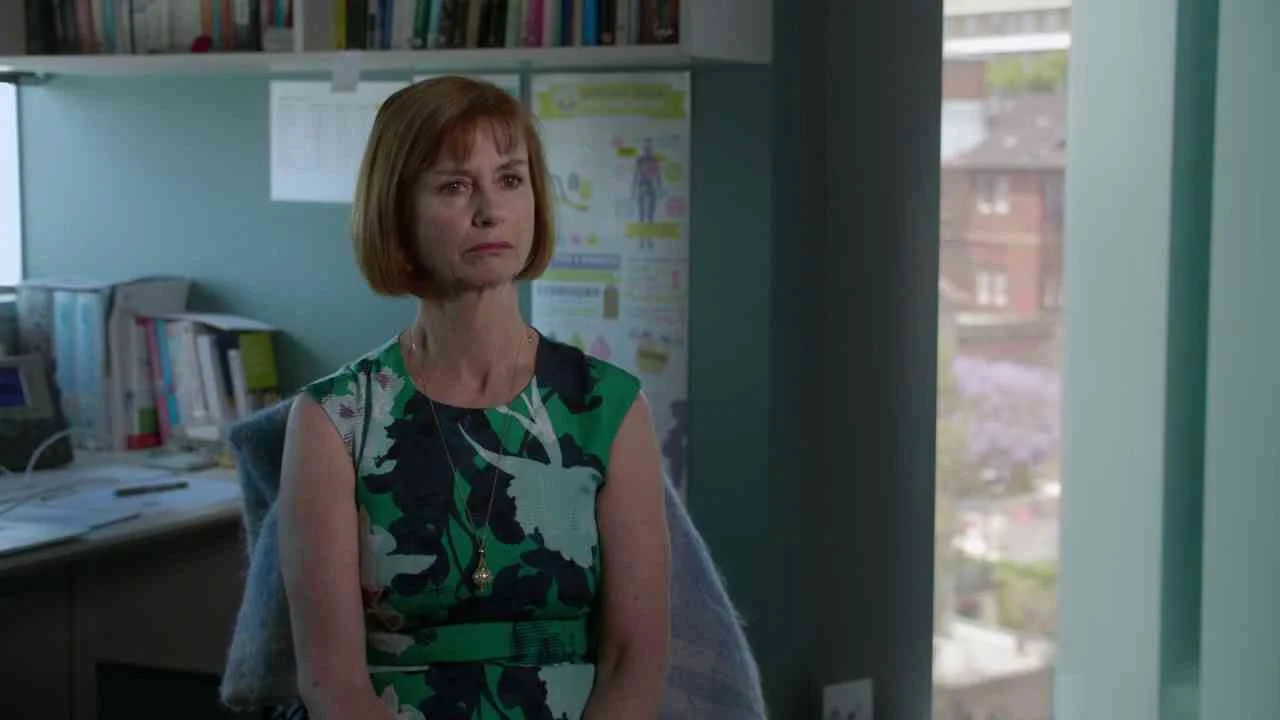
In 2018, Cochlear, in collaboration with CHE Proximity, launched Hearprint, an innovative online application designed to calibrate online video and music to an individual's unique hearing ability. This integrated health campaign sought to raise awareness about the 3.6 million Australians living with some form of hearing loss by leveraging the expertise of audiologists and sound engineers. Hearprint tailors audio frequencies based on user input, adjusting online content to the listener’s unique hearing profile through a convenient Google Chrome extension, allowing users to experience their favorite films, TV shows, and music with personalized sound calibration. Unlike traditional hearing aids that simply amplify all surrounding sounds, Cochlear implants redefine hearing restoration by recalibrating the ears to the world’s sounds, accommodating individual hearing needs. The campaign introduced the first content series specifically calibrated to users’ unique hearing, featuring documentaries directed by the award-winning team at The Glue Society that highlight real-life stories of transformation made possible by Cochlear. These stories include Jennie Brand-Miller, a leading nutritional scientist and professor at the University of Sydney, who endured 20 years of progressive hearing loss before receiving a Cochlear implant that enabled her to continue pioneering critical academic research such as the Glycemic Index. Another story focuses on Andy King, a high-performance surf coach whose life was abruptly disrupted by hearing loss after a coward punch, only to regain his sense of self and return as one of Surf Australia’s most respected coaches following his implant. Through Hearprint, Cochlear not only provides a cutting-edge technological solution but also powerfully communicates the impact of hearing restoration on individual lives, fostering greater understanding and empathy around hearing loss.
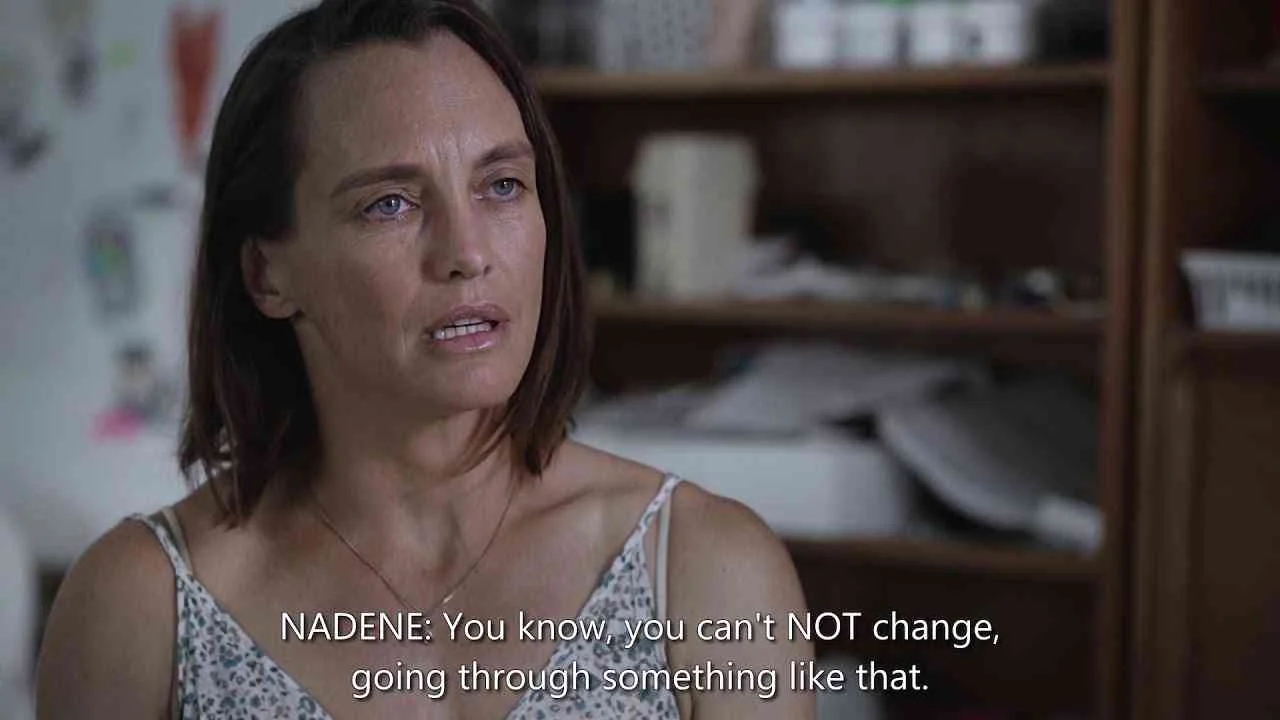
In 2018, Cochlear, in collaboration with CHE Proximity, launched Hearprint, an innovative online application designed to calibrate online video and music to an individual's unique hearing ability. This integrated health campaign sought to raise awareness about the 3.6 million Australians living with some form of hearing loss by leveraging the expertise of audiologists and sound engineers. Hearprint tailors audio frequencies based on user input, adjusting online content to the listener’s unique hearing profile through a convenient Google Chrome extension, allowing users to experience their favorite films, TV shows, and music with personalized sound calibration. Unlike traditional hearing aids that simply amplify all surrounding sounds, Cochlear implants redefine hearing restoration by recalibrating the ears to the world’s sounds, accommodating individual hearing needs. The campaign introduced the first content series specifically calibrated to users’ unique hearing, featuring documentaries directed by the award-winning team at The Glue Society that highlight real-life stories of transformation made possible by Cochlear. These stories include Jennie Brand-Miller, a leading nutritional scientist and professor at the University of Sydney, who endured 20 years of progressive hearing loss before receiving a Cochlear implant that enabled her to continue pioneering critical academic research such as the Glycemic Index. Another story focuses on Andy King, a high-performance surf coach whose life was abruptly disrupted by hearing loss after a coward punch, only to regain his sense of self and return as one of Surf Australia’s most respected coaches following his implant. Through Hearprint, Cochlear not only provides a cutting-edge technological solution but also powerfully communicates the impact of hearing restoration on individual lives, fostering greater understanding and empathy around hearing loss.
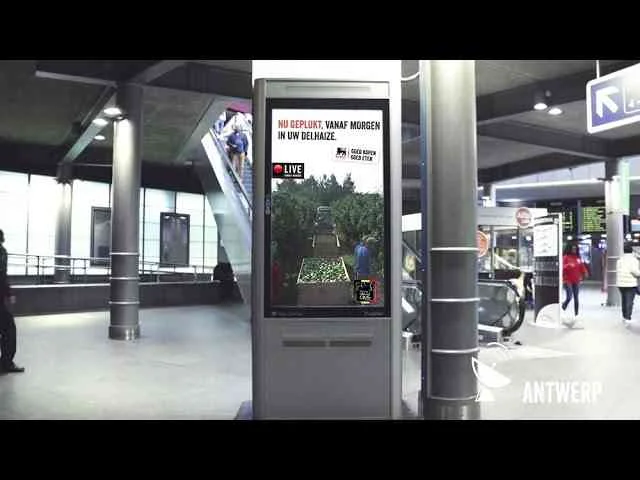
In November 2016, Air Brussels crafted an engaging campaign for Delhaize titled Live Harvest to highlight the exceptional freshness of locally sourced fruits and vegetables in Belgian supermarkets. This integrated campaign focuses on the retail services industry and utilizes a single media asset to deliver a clear and compelling message. Live Harvest vividly showcases the short journey of local pears from the field directly to the supermarket shelves, emphasizing the swift and careful process that ensures consumers receive produce at its peak freshness. By visually connecting the point of harvest with the point of sale, Delhaize effectively reassures shoppers about the quality and origin of their food, reinforcing the brand’s commitment to supporting local farmers and providing fresh, healthy options. The campaign’s simplicity allows it to resonate broadly, addressing a common consumer question in an authentic and transparent manner. Garnering over 6,300 views and positive engagement, Live Harvest strengthens Delhaize’s position as a trusted supermarket that prioritizes freshness, local sourcing, and sustainability in the competitive Belgian retail market.
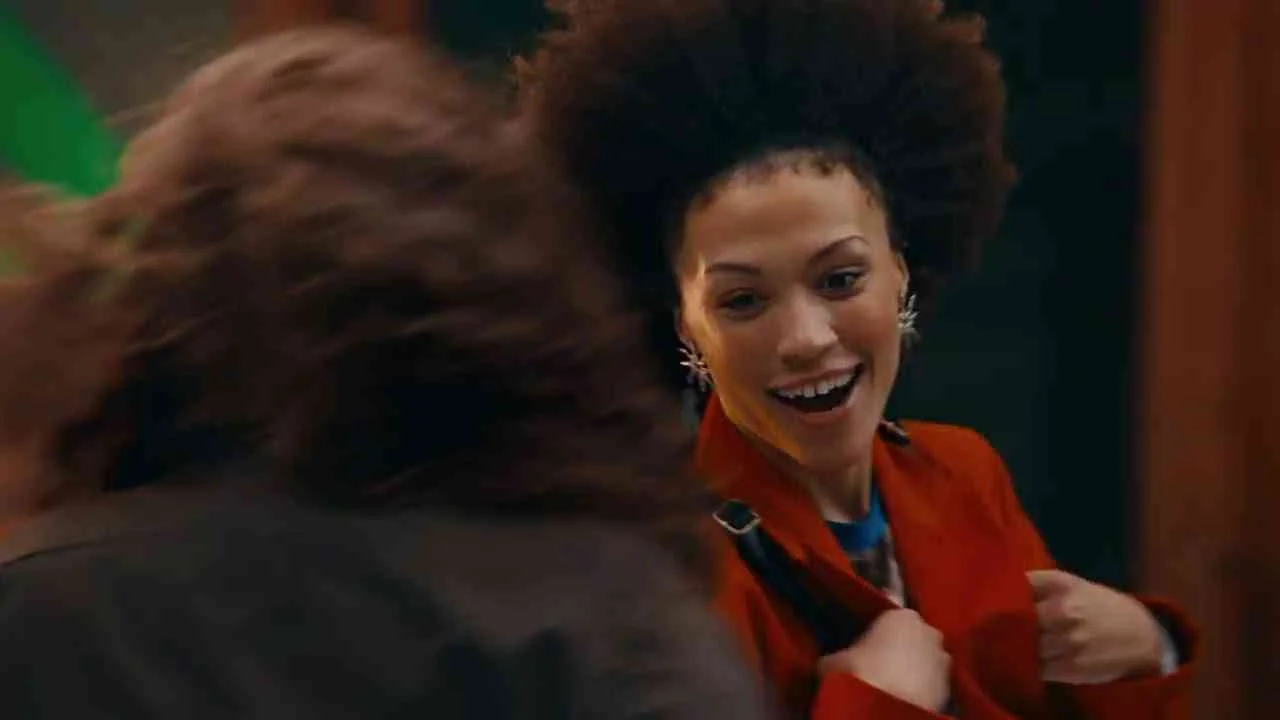
Keep Rollin' is a dynamic and visually engaging integrated media campaign launched in the United Kingdom in 2026 by House 337 for Sky Business as it made its impactful entry into the mobile market. Targeting small and medium-sized enterprise owners, the campaign breaks away from typical B2B mobile advertising clichés by adopting a fresh, playful tone centered around the metaphor of roller skating, which vividly illustrates the key feature of Sky Business mobile—'Roll & Share.' This innovation automatically redistributes unused mobile data across a business’s team, saving time and money without any additional administrative effort. At the heart of the campaign’s film is Kate, a skate shop owner who effortlessly navigates urban obstacles on roller skates, symbolizing the seamless and adaptive nature of the Roll & Share feature. The creative use of fluid camera techniques, including first-person view (FPV) drones and skate-cams, captures all skating action in-camera, enhancing authenticity and energy while resonating emotionally with the target audience. Accompanied by the nostalgic 1990s hit "Round Round" by the Sugababes, the soundtrack aligns perfectly with the campaign message by reinforcing the smooth and shared data experience. Sky Business Marketing Director Alessandra D’Avino emphasizes that Roll & Share addresses the evolving demands of SME owners, providing a unique business mobile solution that maximizes value and minimizes hassle. House 337’s Creative Partner Ross Newton highlights the campaign’s intent to shift B2B mobile advertising toward emotional storytelling, creating an ad that is entertaining, relevant, and memorable. As Sky Business’s first foray into mobile, Keep Rollin' sets a confident tone for the brand’s future, focusing on flexibility, scalability, and customer-centric innovation. The campaign is planned for widespread distribution across TV, cinema, BVOD, and social platforms, with media planning by Publicis Media and production led by Armoury alongside post-production from Creative Outpost, positioning Sky Business mobile as a distinctive and adaptable choice for SMEs seeking smarter connectivity solutions.
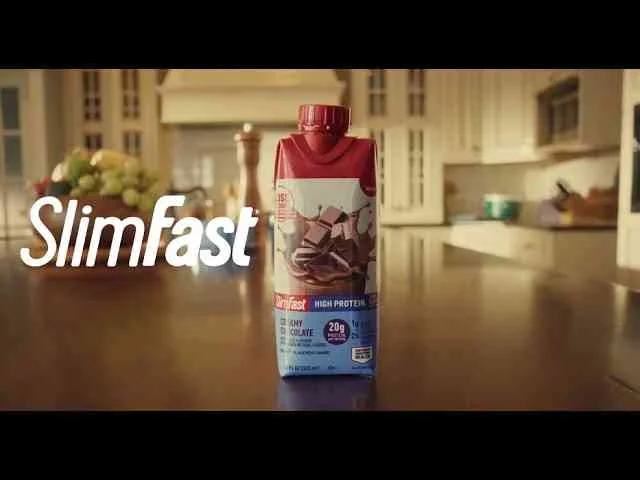
Released in January 2026 in the United States, the integrated campaign "The Easy Way" for SlimFast, created by Bayonet in partnership with post-production house Chop Shop, presents the brand as a straightforward, dependable solution for sustained satisfaction, energy, and strength within the non-alcoholic drinks category. This film campaign centers on a relatable narrative of a woman juggling daily responsibilities while staying committed to her health goals, emphasizing how SlimFast’s protein-rich nutrition fits seamlessly into her busy, on-the-go lifestyle. The campaign’s visual and storytelling approach is cohesive and impactful, achieved by Bayonet’s unique handling of both lifestyle and tabletop elements under one production roof, allowing the product shots to extend the lifestyle story naturally. With a modern and authentic rhythm driven by Steadicam work and a carefully executed animatic, the spot reflects the dynamic pace of contemporary life without sacrificing genuineness. SlimFast’s creative director Matt Thompson praises the collaboration, highlighting Bayonet and Chop Shop as creative partners who seamlessly integrate with the internal team to ensure alignment, clear communication, and collective ownership from concept to final delivery. The close partnership eliminated silos and fostered a unified vision, facilitating swift progress even within a compressed five-week timeline from script to finished piece. Executive Producer Kevin Grazioli credits this synergy for elevating every frame through constant motion and cinematic craftsmanship, while director Andrew P. Quinn focused on precision and effortless movement to energize the brand’s presence on screen. The campaign culminates with the powerful tagline "Slim Better, Slim Strong, SlimFast," reinforcing the brand’s promise of effective weight management combined with satisfying taste and nutritional strength. Garnering steady audience engagement, this campaign solidifies SlimFast’s position as a modern, reliable ally for consumers aiming to stay healthy without complication.
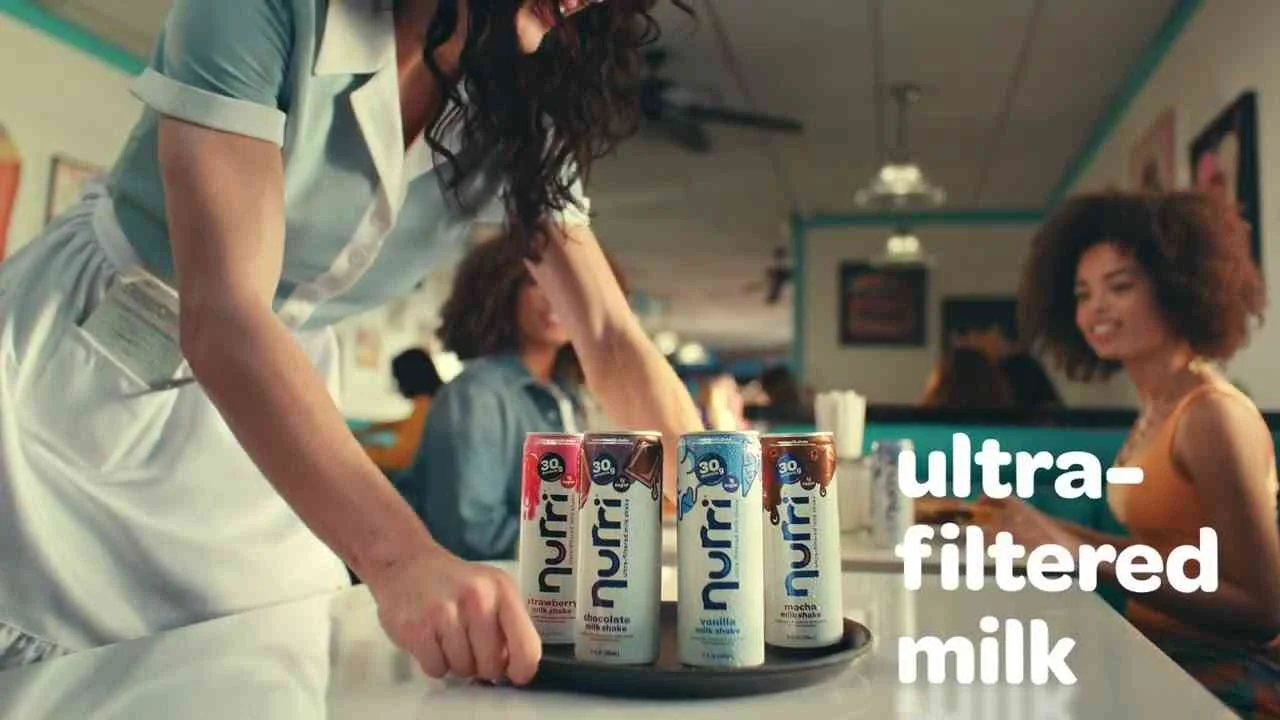
In 2026, Nurri, the leading ready-to-drink protein milkshake brand, launched its inaugural national consumer campaign, Shake Ya Can, developed in collaboration with new agency of record Curiosity and directed by Daniel Russell of ArtClass. Positioned at the intersection of the Drinks (Non Alcoholic), Fitness, and Health industries, this content-rich, film-driven, and integrated media campaign showcases a lively and diverse cast of diner patrons and staff who get their groove on while enjoying Nurri’s delicious protein milkshakes. The campaign’s core message celebrates the energizing and authentic experience Nurri delivers—our sips don’t lie. Shake Ya Can invites consumers to fuel their active lifestyles with a tasty product that supports fitness and wellbeing, all while embracing fun, movement, and community. With its playful narrative and visually engaging storytelling, the campaign breaks through traditional beverage advertising by connecting emotionally with a health-conscious audience that values both nutrition and enjoyment. Garnering over 1,500 views, alongside positive engagement reflected in likes and comments, Nurri’s debut national effort successfully elevates brand awareness and positions the product as the go-to RTD protein shake for those looking to combine convenience, flavor, and fitness benefits. The unique creative direction and integrated approach reinforce Nurri’s commitment to innovation and relevance in a competitive market, making Shake Ya Can a standout example of strategic marketing aligned with contemporary consumer values.
In January 2026, Wikipedia launched a powerful integrated campaign titled "The future of knowledge is yours to protect," created in collaboration with the purpose-driven agency Kin to mark the platform’s 25th anniversary and celebrate the human network behind one of the world’s most trusted sources of knowledge. Against a backdrop of increasing skepticism, misinformation, and a fractured information landscape, Wikipedia stands as a beacon of reliable, community-generated knowledge. This campaign spotlights a groundbreaking video docuseries that offers an intimate, behind-the-scenes glimpse into the lives of eight dedicated Wikipedia volunteer editors from diverse backgrounds—including a Californian who has documented hurricanes for two decades, an Indian doctor who disseminated vital COVID-19 information, an elderly Japanese librarian enhancing access to knowledge in her native language, and a Black culture-focused photographer from Connecticut—highlighting how even in the age of AI, knowledge remains fundamentally human and dependent on collaborative effort. The campaign’s narrative is further enriched by a 90-second brand anthem film released in late 2025 on YouTube, which uses over 700 authentic visual assets sourced globally from Wikimedia Commons and directed by Adrian Yu. This film celebrates Wikipedia’s ethos of openness, consensus, and collective contribution, mirroring the rhythmic and diverse human effort that sustains the platform across languages and generations. Supported by social media activations, including a unique digital birthday card and interactive elements like a time capsule and quiz, the campaign invites the public to not only honor Wikipedia’s quarter-century milestone but also to participate actively in preserving and expanding this free, human-powered knowledge resource. This campaign is both a tribute to and a rallying call for the volunteers, readers, and donors who ensure Wikipedia continues to thrive as a vital educational tool worldwide, emphasizing the joy of learning and the enduring power of collaboration. Donate now at donate.wikipedia25.org and join the movement to protect the future of knowledge.
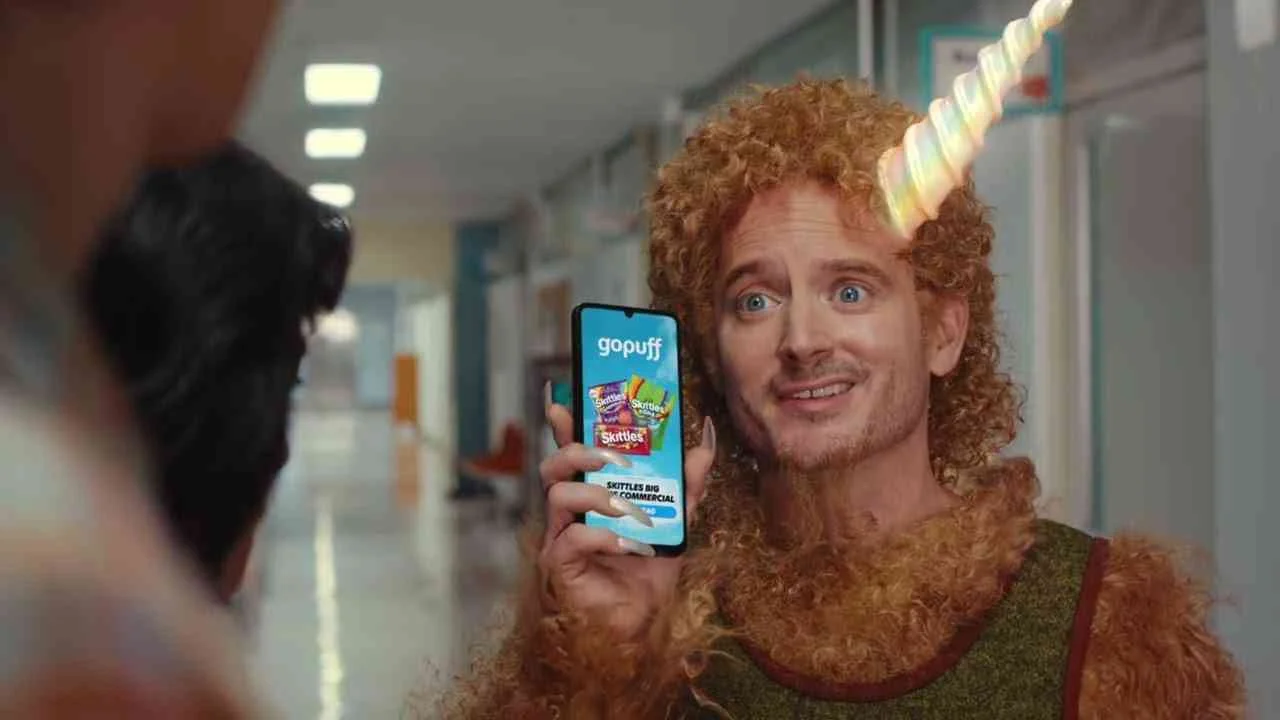
In January 2026, SKITTLES® launched an innovative experiential and integrated media campaign in the United States that redefined the traditional Big Game ad experience with a bold, never-before-attempted approach—delivering the ad live and in person, directly to a fan's doorstep. Centered around SKITTLES' partnership with Gopuff for home delivery, this campaign features Elijah Wood as a whimsical character summoned by a magical horn to bring candy and an exclusive live SKITTLES commercial right to a lucky winner’s front door on Sunday, February 8, 2026. This imaginative concept transforms the typical passive viewing experience into an interactive, unforgettable moment that cannot be paused, skipped, muted, or ignored, effectively weaving product sampling, entertainment, and surprise delivery into one seamless activation. Gabrielle Wesley, Chief Marketing Officer at Mars Snacking North America, emphasized the campaign’s commitment to delivering unexpected, playful experiences to fans on game day, highlighting the importance of snack choice as a complement to the event itself. Fans are invited to participate by visiting DeliverTheRainbow.com to enter for a chance to summon this one-of-a-kind live experience while also pre-ordering the SKITTLES Big Game Bundle on Gopuff to keep the party stocked. Whether enjoying the game solo or with friends, SKITTLES amplifies the excitement by offering more than just candy—delivering a memorable, buzzworthy moment that elevates the Big Game viewing tradition. This campaign stands out within the confectionery and snacks industry by blending digital engagement with real-world surprise, ensuring the brand continues to capture consumer attention in new and playful ways.
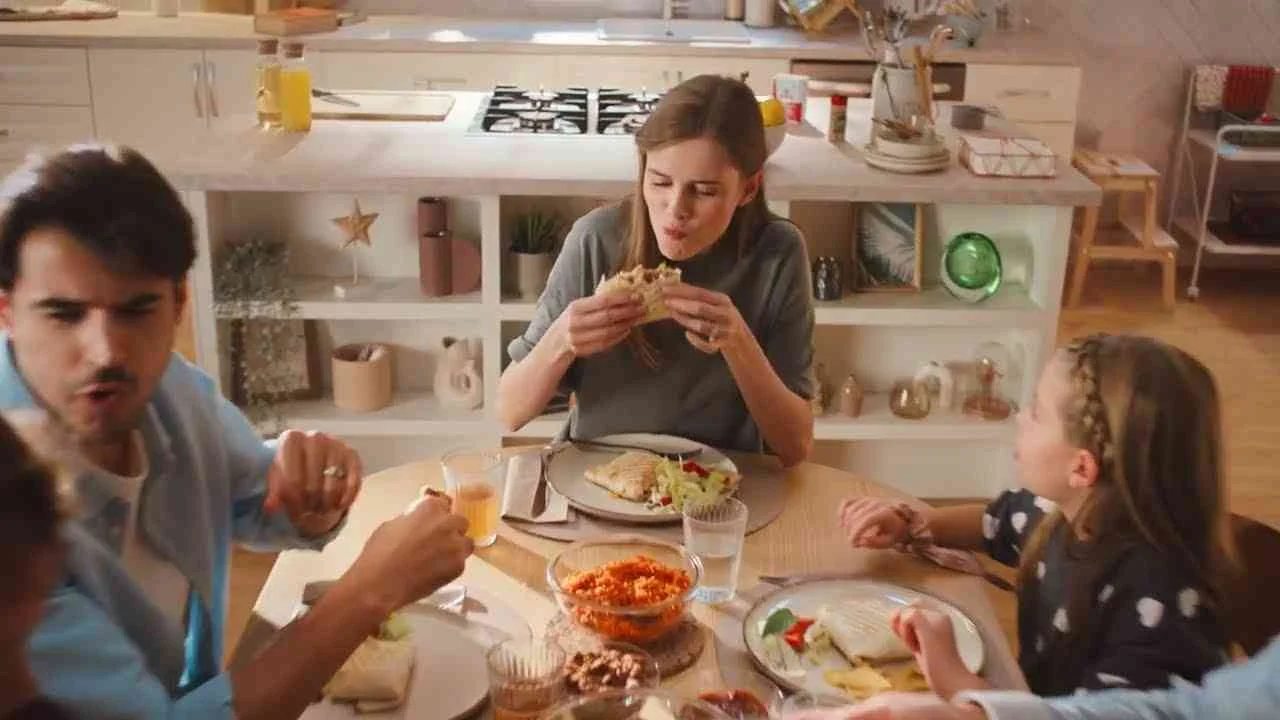
Launched in the United States in January 2026, McCormick’s "Make Your Best" campaign, created in partnership with Colle McVoy, marks a significant evolution of the brand’s masterbrand platform with the introduction of “Everyday” and its inspiring new tagline “Make Your Best.” Rooted deeply in McCormick’s rich 136-year heritage, this integrated film and media campaign repositions the brand from a trusted pantry staple to a source of daily culinary inspiration, connecting emotionally and culturally with a new generation of Taste Chasers — culturally curious cooks who view food as a powerful form of self-expression. The campaign’s centerpiece is a 30-second hero spot titled “Every Bite,” which touches the hearts of Millennials and Gen Z by weaving nostalgic, culturally iconic film moments from beloved titles like Ratatouille and Harry Potter into original storytelling. This clever narrative approach taps into shared food memories across generations, emphasizing how McCormick’s unmatched flavor has quietly been the secret ingredient behind the meals people remember most. Accompanying “Every Bite” are social-first executions such as “Stir Fry,” launching across platforms like Meta, TikTok, and Pinterest, with “Spaghetti” set to follow in Q2. The campaign rollout began nationally on January 12 across a range of channels including OTT/OLV, programmatic, social, digital, streaming, and audio. Designed to inspire consumers to transform everyday meals into meaningful moments through bold flavor, the “Everyday” platform invites people to explore recipes, cooking tips, and inspiration that elevate weeknight dinners and special occasions alike. Through this refreshed creative strategy, McCormick celebrates its historic legacy while empowering the next generation to embrace cooking as an expressive and joyful part of daily life.

Wyborowa
Integrated
2017
Adsapience
Integrated
2018
Anlene
Integrated
2018
Euromelanoma Foundation
Integrated
2017
Electric Castle
Integrated
2016
Touche pas à ma pote
Integrated
2017
Cocks Not Glocks
Integrated
2017
KFC
Integrated
2017
Folk Lab Studio
Integrated
2017
KLM
Integrated
2017
United for Healthier Kids
Integrated
2016
Cochlear
Integrated
2018
Delhaize
Integrated
2016
Sky Business
Integrated, Film
2026
SlimFast
Integrated, Film
2026
Nurri
Film, Content
2026
Wikipedia
Integrated
2026
Skittles
Integrated, Experiential
2026
McCormick
Integrated, Film
2026

Clapboard at a Glance – A Video-First Creative EcosystemAt its core, Clapboard is a video-first creative platform and creative services marketplace that supports end-to-end production. It is built specifically for advertising, branded content, and film—where stakes are high, teams are complex, and outcomes need to be predictable.Traditional platforms treat creative work as isolated tasks. Clapboard is designed as an ecosystem: a managed marketplace where discovery, collaboration, production workflows, and delivery coexist in one environment. This structure better reflects the reality of modern creative production, where strategy, creative, production, post-production, and performance are tightly interlinked.As an advertising and film production platform, Clapboard supports:Brand campaigns and integrated advertisingBranded content and social videoProduct, launch, and explainer videosFilm, episodic content, and long-form storytellingInstead of forcing marketers or producers to choose between agencies, in-house teams, or scattered freelancers, Clapboard operates as a hybrid ecosystem. It combines a curated talent marketplace, managed creative services, and an AI + automation layer that accelerates workflows while preserving creative judgment.In other words: Clapboard is infrastructure for modern creative production, not just another place to post a brief. The Problem Clapboard Solves in Modern Creative ProductionThe creative industry has evolved faster than its infrastructure. Media channels have multiplied, content volume has exploded, and expectations for speed and personalization keep rising. Yet most systems for hiring creatives, running campaigns, and producing video remain stuck in legacy models.Clapboard exists to address four core creative production challenges that consistently slow down serious marketing and storytelling work.Fragmentation Between Freelancers, Agencies, and Production HousesCreative production today is fragmented acro
The Problem for Marketers & Brand TeamsFinding Reliable Creative Talent Is Slow and UncertainFor marketers and brand teams, the first visible friction is simply trying to hire creative talent that can consistently deliver. The internet is full of portfolios, reels, and profiles. Yet discovering reliable advertising creatives remains slow and uncertain.Discovery itself takes time. Marketers scroll through platforms, ask for referrals, post briefs, and sift through applications. Even with sophisticated search filters, there is no simple way to understand who has the right experience, who works well in teams, or who can operate at the pace and rigor modern campaigns demand.Quality is inconsistent, not because talent is lacking, but because the context around that talent is missing. A beautiful case study says little about how smoothly the project ran, how many revisions it required, or how the creative collaboration actually felt. Past work is not a guaranteed indicator of future delivery, especially when that work was produced under different conditions, with different teammates, or with heavy agency support in the background.Marketers are forced to rely on proxies—visual polish, brand logos on portfolios, testimonials written once in a different context. These signals are weak predictors when you need a specific output, at a specific quality level, with clear constraints on time and budget.The reality is that most marketing leaders don’t just need to hire creative talent. They need access to reliable creative teams that can handle complex scopes and adapt to evolving briefs. Yet the market still presents talent as individuals, leaving brand teams to stitch together their own ad hoc groups with uncertain outcomes.Traditional Agencies Are Expensive, Slow, and OpaqueIn response to this uncertainty, many marketers fall back on traditional agencies. Agencies promise full-service coverage: strategy, creative, production, and account management under one roof. But READ FULL ARTICLE
Video Is No Longer “One Service” — It Is the Spine of Brand CommunicationHistorically, “video” appeared as a single line in a scope of work or rate card: one of many services alongside design, copywriting, or social media management. That framing is now obsolete.Today, a single film can power an entire video content ecosystem:A hero brand film becomes TV, OTT, and digital ads.Those ads are cut down into short-form social content, stories, and reels.Behind-the-scenes footage becomes recruitment films and culture assets.Still frames pulled from footage become campaign photography.Scripts and narratives are re-used across web, CRM, and sales decks.Integrated video campaigns are now the default. Brand teams increasingly build backwards from a core film concept: first define what the main piece of video must achieve, then derive all other forms from that spine.In this model, video influences how the brand is perceived at every touchpoint. The look, sound, and rhythm of the film define what “on-brand” means. Visual identity systems, tone of voice, and even product storytelling often follow decisions first made in video.Thinking of video as a single deliverable hides its true role: it is the structural backbone of brand communication, not just another asset. How Most Marketplaces Get Video WrongVideo Treated as a Line Item, Not a SystemMost freelance and creative marketplaces were not built for video. They were originally optimized for graphic design, static content, or one-to-one gigs. Video was added later as another category in a long list of services.That leads to predictable freelance marketplace limitations when it comes to film and content production:“Video” buried in service menusVideo is often just one checkbox among dozens. There is little recognition that an ad film is fundamentally different from a logo design or blog post in terms of complexity, risk, and orchestration.Same workflow assumed for design, copy, and filmMost platforms apply the same chatREAD FULL ARTICLE
What “Human + Agent Orchestration” Means at ClapboardClapboard is built on a simple but important shift in mental model: stop thinking in terms of “features” and “tools,” and start thinking in terms of teams and pipelines.In this model, AI agents and humans work as one system. Every project is a flow of decisions and tasks. The question at each step is: Who is the right entity to handle this—human or agent—and when?This is what we mean by AI agent orchestration:Tasks are routed to the right actor at the right moment—sometimes a specialized agent, sometimes a producer, sometimes a creative director.Agents handle the structured, repeatable, data-heavy work, such as breakdowns, metadata, estimation, and workflow automation.Humans handle the subjective, contextual, and relational work, such as direction, negotiation, and final calls.Clapboard is the conductor of this system. Rather than being “an AI tool,” it functions as a creative operating system that coordinates human and agent participation end-to-end—from idea and script all the way to production and post.In practice, that means:Every brief, script, or campaign that enters Clapboard is immediately interpreted by agents for structure and intent.Those interpretations inform cost ranges, team shapes, timelines, and risk signals.Humans see the right information at the right time to make better decisions, instead of digging through fragmented files and messages.Workflow automations, powered by platforms like Make.com and n8n, take over the repetitive coordination so producers and creatives can stay focused on the work.Human + agent orchestration at Clapboard is not about cherry-picking tasks to “AI-ify.” It’s about designing the entire creative pipeline so that humans and agents function as a super-team. What AI Agents Handle on ClapboardOn Clapboard, AI agents are not generic chatbots; they are embedded workers with specific responsibilities across the creative lifecycREAD FULL ARTICLE

Why Traditional Freelance Marketplaces Fall Short for Creative ProductionTraditional freelance platforms were built around the gig economy, not around creative production. That distinction matters. Production is not “a series of tasks” — it is a pipeline where every decision upstream affects what’s possible downstream.Most of the common problems with freelance platforms in creative work come from this structural mismatch.Built for transactional gigs, not collaborative projectsGig platforms are optimised for one-to-one engagements: a logo, a banner, an edit, a script. They assume work is atomised and independent. But film and video production is collaborative by default: strategy, creative, pre-production, production, and post are all tightly connected.On generalist marketplaces, you typically have to:Source each role separately (director, editor, animator, colorist, etc.)Manually manage handovers between freelancersResolve conflicts in style, timelines, and expectations yourselfThe result is friction and inconsistency. What looks like a saving on day rates turns into higher project cost in coordination, rework, and lost time.Individual-first, not team-firstThe core unit on most freelance sites is the individual freelancer. That works for isolated tasks; it breaks for productions that require cohesive creative direction, shared context, and aligned standards.Individual-first systems create gig economy limitations for creatives and clients alike:Freelancers are incentivised to optimise for their own scope, not the entire project outcomeClients must “play producer” without internal production expertiseThere is no reliable way to hire intact, proven teams that already collaborate wellCreative production works best when you build creative teams, not disconnected individuals. Team dynamics and shared history matter as much as individual portfolios.Little accountability beyond task completionTypical freelance marketplaces define success as task delivery: the file was uploaREAD FULL ARTICLE