- HOME
- FOR CLIENTS
- FOR FREELANCERS
- LOGIN
BLOG
New user? Create account
New user? Create account

Client:
Jack in the Box
Agency:
David&Goliath
Founder:
David Angelo
Chief Creative Officer:
Bobby Pearce
Executive Creative Director:
Steve Yee
Creative Director Art:
Sheldon Melvin
Creative Director Copy:
Matt Kappler
Art Director:
Jenn Yi
Copywriter:
Chase Doutre
Crew:
Paul Albanese, Mark Diaz, Maddy Bendetti, Rodney Pizarro, Travis Kohler, Brian Etting, Casey Wooden, Chelsea Nollner / Tabletop, Charla Barker
Producer:
Karen Jean, Leticia Martinez, Jessica Gardner, Michael Sagol, Jasper Tomlinson, Kim Dellara, John Gilliland, Patricia Gushikuma, Cristy Torres, Rachel Koch
Account Management:
Dominique Branham, Richard Henderson, Natalie Holloway, Shannon Stucke, Olivia English
Strategic Planner:
Wells Davis, Donesh Olyaie, Natalie Gomez, Justine Basil
Production House:
Caviar, Lucky 21 Tabletop
Director:
Zach Math, Tom Ryan
Cinematographer:
Tim Hudson
Post Production:
Spinach / LA, CO3, Sean Coleman, Matt Moran, Michael Do, Margarita Mix, Nathan Dubin
Editor:
Dan Bootzin
VFX Studio:
Fell Visual Effects, Russell Fell
Motion Graphics Artist:
Oliver Macready
Country:
United States
Medium Types:
Film
Year:
2017
Category:
Food & Drink
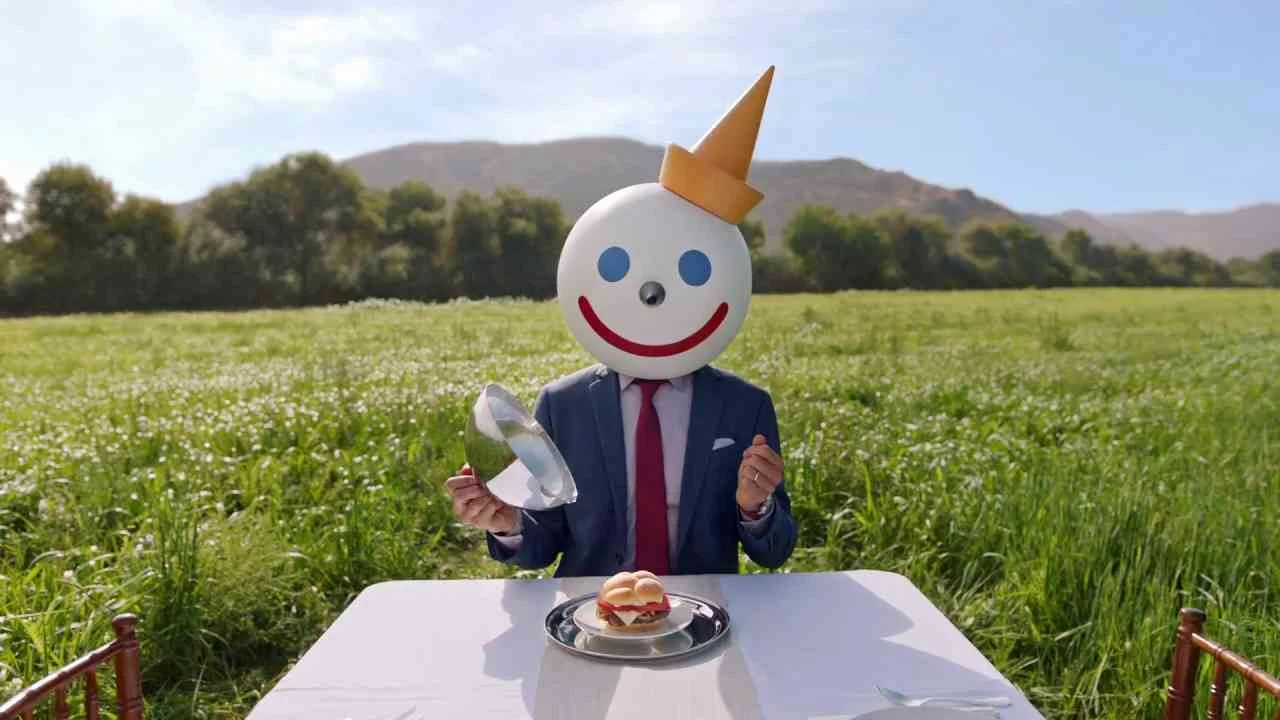
Launched in 2017, The Great Ribeye Challenge is a dynamic film campaign created for Jack in the Box by the ad agency David&Goliath, targeting the competitive fast-food landscape in the United States. The campaign introduces Jack in the Box’s innovative ribeye burger, emphasizing its premium quality and distinctiveness in the market. By showcasing a humorous and engaging scenario where competitors rush to taste this new offering, the campaign effectively positions the ribeye burger as a game-changer in the food industry, appealing to consumers seeking a high-quality, flavorful fast-food option. The creative execution leverages storytelling with a lighthearted tone to highlight the uniqueness of the ribeye meat, capturing attention and driving curiosity. The campaign’s film format allows for visual and auditory engagement, reinforcing brand recognition and appetite appeal. With over 36,000 views and garnering positive reactions through 201 likes and 20 comments, the campaign achieved meaningful audience interaction and brand engagement. Using English as the primary language, the message was clear and accessible to the target demographic. Overall, The Great Ribeye Challenge successfully combined humor, product innovation, and competitive positioning to enhance Jack in the Box’s image as a forward-thinking fast-food brand, aiming to strengthen customer loyalty and attract new patrons by spotlighting the quality and taste of its ribeye burger offering.
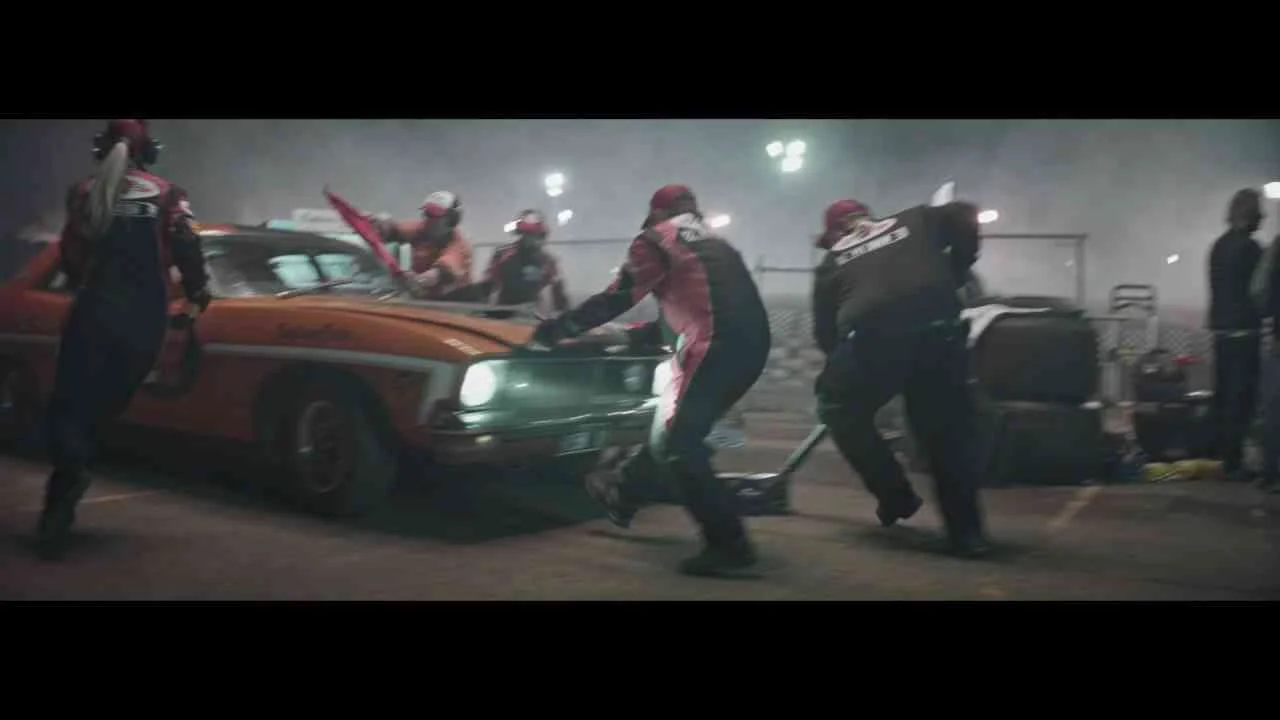
The Pitstop campaign, launched in Australia in 2016 for Budget Direct by the ad agency Lowe, effectively leverages cinematic storytelling within the Finance industry to highlight the brand’s commitment to quality and reliability. Centered around the narrative of Captain Risky's Pitstop, the film contrasts the dependable service offered by Budget Direct, including its high-quality facilities and Lifetime Guarantee on all authorized car repairs, with the chaotic experience of non-customers who rely on an amateur pitstop crew in their moment of need. This juxtaposition not only clearly communicates the value proposition of Budget Direct’s insurance offering but also reinforces trust through humor and relatable scenarios. Delivered entirely in English, the campaign has garnered moderate audience engagement, accumulating nearly 26,000 views along with positive social interactions, including likes and comments that indicate viewers’ appreciation of its creative execution and clear messaging. By employing a familiar and dynamic pitstop metaphor, the campaign cleverly encapsulates the importance of reliable coverage in unexpected situations, enhancing brand recall and driving home the advantage of choosing Budget Direct. Through its single media asset and focused message, Pitstop serves as a compelling example of how targeted storytelling in film can elevate a finance brand’s positioning by connecting emotionally with consumers while underscoring essential product attributes.
In 2014, Troy-Bilt partnered with the ad agency Marcus Thomas to launch a compelling digital campaign titled Jet blows away Wired.com, aimed at showcasing the brand's innovative edge within the electronics and technology sector. This campaign harnessed a single, powerful media asset to capture the attention of a tech-savvy audience in the United States, leveraging cutting-edge digital platforms to highlight Troy-Bilt's product capabilities and differentiate the brand from competitors. The concept cleverly positioned Troy-Bilt as a force strong enough to metaphorically "blow away" Wired.com, a leading tech publication, thereby creating a bold statement about the brand's performance and relevance in a highly competitive market. Through strategic messaging and creative execution, the campaign intended to resonate with consumers who value technological advancements and reliability in outdoor power equipment. With a focus on digital engagement, the campaign drove awareness and brand affinity by integrating compelling visuals and narrative designed to spark curiosity and admiration. While it garnered a moderate number of views, the campaign's impact was marked by its innovative approach and alignment with contemporary digital marketing trends, reflecting Troy-Bilt's commitment to staying at the forefront of technology-driven storytelling. This campaign captures a moment in time when brands were increasingly leveraging digital mediums to connect with audiences through bold and memorable ideas that challenge conventional industry narratives.
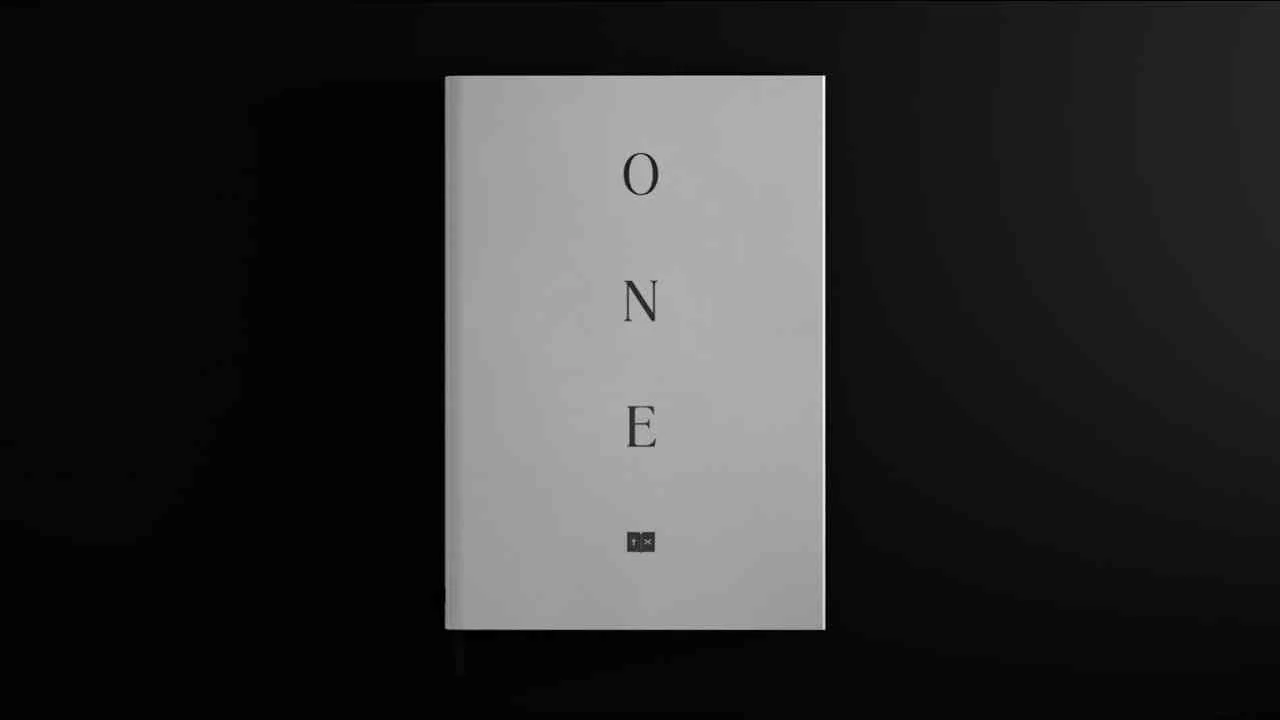
Launched in Slovenia in 2017, the campaign "The One" for the brand One Book For Peace, created by the ad agency New Moment, is a powerful initiative within the Public Interest industry aimed at fostering inter-religious understanding and harmony. This direct medium campaign revolves around a unique book that highlights the profound similarities between Islam and Christianity by presenting ten carefully selected verses from both the Bible and the Quran. These verses cover universal themes such as One God, Peace, Justice, Love, Family and Neighbors, Sanctity of Life, Compassion, Forgiveness, Helping Others, and Hope, demonstrating that despite common perceptions of division, religion can serve as a unifying force. Compiled by experienced journalist Mirnes Kovač with the assistance of theologians Muhamed Fazlović and Pavle Mijović, the book invites readers from different faiths to engage in meaningful dialogue and challenge prejudice. Developed as a collaborative effort between New Moment and Y&R for the Inter-religious Council in Bosnia and Herzegovina, the campaign’s mission is to raise awareness about the importance of inter-religious dialogue as a pathway to peace. The book premiered on Al Jazeera Channel and has been distributed to global influential leaders including His Holiness Pope Francis, Donald Trump, Vladimir Putin, and Angela Merkel, reinforcing its message across political and religious boundaries. To maximize accessibility, the book is available in both online and audio formats, inviting a broad audience to download, read, or listen for free via its dedicated platform. The campaign encourages public engagement and conversation through social media channels, using the hashtag #OneBookForPeace to amplify its call for unity and peace inspired by shared spiritual truths. With over one million views and significant online interaction, this initiative successfully bridges divides by emphasizing common values, promoting empathy, and inspiring hope for a more harmonious world.
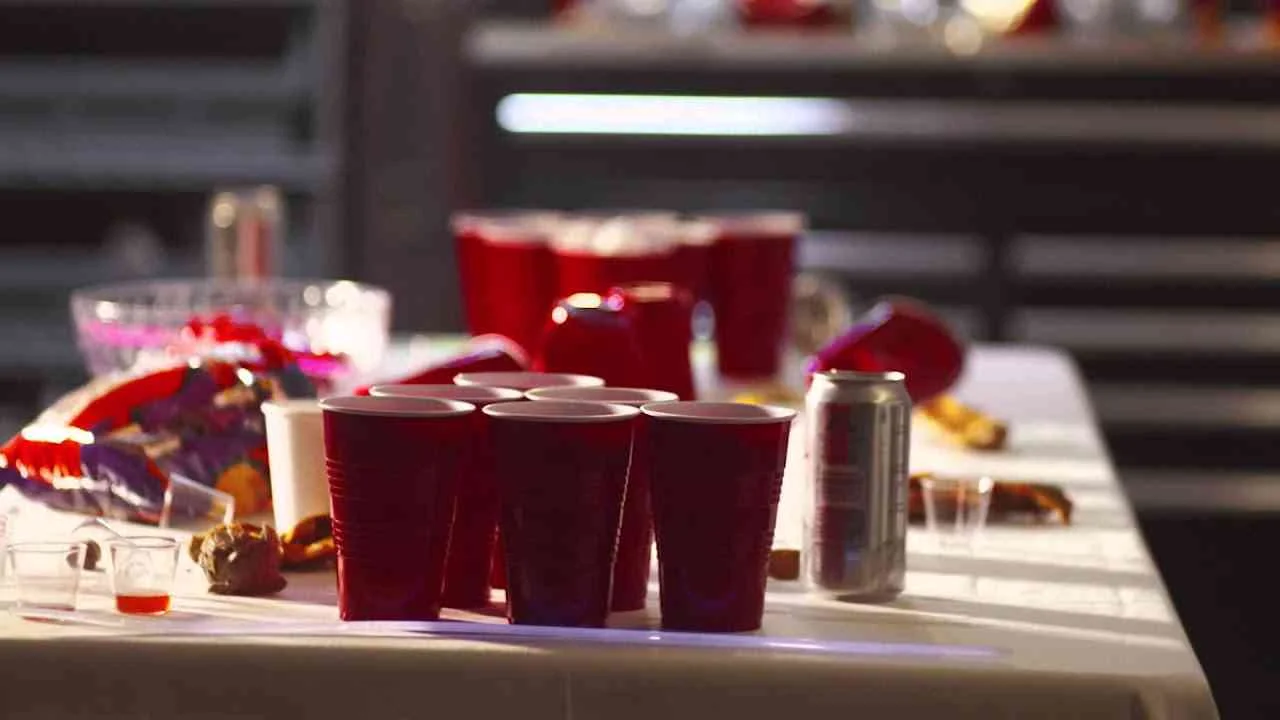
Launched in September 2015 in the United States, this film campaign for the Glass Packaging Institute, crafted by Porter Novelli, creatively advocates for the benefits and sustainability of glass packaging over common alternatives. Under the evocative title Later, Plastic Cup, Sorry, Box of Wine, Bye Bye, Beer Can, the campaign uses a relatable, conversational tone to say farewell to plastic cups, boxed wines, and beer cans, highlighting the environmental and quality advantages of glass containers. Positioned within the Professional Services industry, the campaign leverages three distinct media assets to engage a professional and environmentally-conscious audience, promoting a shift towards more sustainable packaging solutions. With its focus on storytelling and impactful visuals, the film medium effectively communicates the brand's commitment to sustainability and innovation while educating viewers on the downsides of disposable packaging. The campaign garnered over 2,400 views and attracted moderate social engagement, reflecting a targeted reach within its niche market. By emphasizing responsible consumption and environmental stewardship, this initiative reinforces the Glass Packaging Institute's role as a leader in sustainable packaging advocacy, encouraging both consumers and professionals to reconsider their packaging choices for a greener future.

Launched in September 2015 in the United States, this film campaign for the Glass Packaging Institute, crafted by Porter Novelli, creatively advocates for the benefits and sustainability of glass packaging over common alternatives. Under the evocative title Later, Plastic Cup, Sorry, Box of Wine, Bye Bye, Beer Can, the campaign uses a relatable, conversational tone to say farewell to plastic cups, boxed wines, and beer cans, highlighting the environmental and quality advantages of glass containers. Positioned within the Professional Services industry, the campaign leverages three distinct media assets to engage a professional and environmentally-conscious audience, promoting a shift towards more sustainable packaging solutions. With its focus on storytelling and impactful visuals, the film medium effectively communicates the brand's commitment to sustainability and innovation while educating viewers on the downsides of disposable packaging. The campaign garnered over 2,400 views and attracted moderate social engagement, reflecting a targeted reach within its niche market. By emphasizing responsible consumption and environmental stewardship, this initiative reinforces the Glass Packaging Institute's role as a leader in sustainable packaging advocacy, encouraging both consumers and professionals to reconsider their packaging choices for a greener future.

Launched in September 2015 in the United States, this film campaign for the Glass Packaging Institute, crafted by Porter Novelli, creatively advocates for the benefits and sustainability of glass packaging over common alternatives. Under the evocative title Later, Plastic Cup, Sorry, Box of Wine, Bye Bye, Beer Can, the campaign uses a relatable, conversational tone to say farewell to plastic cups, boxed wines, and beer cans, highlighting the environmental and quality advantages of glass containers. Positioned within the Professional Services industry, the campaign leverages three distinct media assets to engage a professional and environmentally-conscious audience, promoting a shift towards more sustainable packaging solutions. With its focus on storytelling and impactful visuals, the film medium effectively communicates the brand's commitment to sustainability and innovation while educating viewers on the downsides of disposable packaging. The campaign garnered over 2,400 views and attracted moderate social engagement, reflecting a targeted reach within its niche market. By emphasizing responsible consumption and environmental stewardship, this initiative reinforces the Glass Packaging Institute's role as a leader in sustainable packaging advocacy, encouraging both consumers and professionals to reconsider their packaging choices for a greener future.
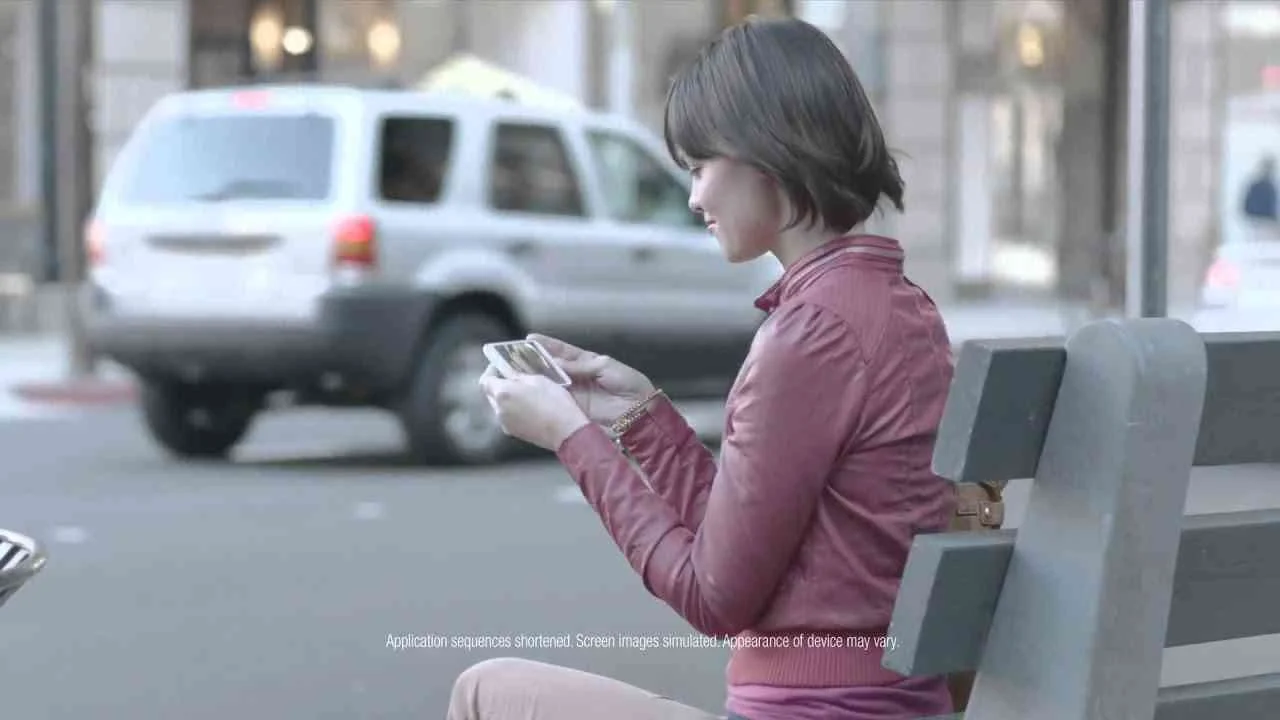
In 2011, Samsung launched a bold and memorable campaign called The Next Big Thing, created by the acclaimed ad agency 72andSunny, to challenge the dominant position of its competitor in the smartphone market. This film medium campaign, rooted in the electronics and technology industry, cleverly parodied the iconic iPhone line, positioning Samsung as an innovative and forward-thinking brand ready to disrupt the market. The commercial gained significant traction in the United States, captivating audiences with its witty and relatable approach that highlighted Samsung's cutting-edge features while playfully critiquing the status quo. Garnering over 850,000 views, nearly 3,700 likes, and close to 1,000 comments, the campaign demonstrated a strong engagement level across digital platforms, reflecting its relevance and resonance with tech-savvy consumers. By leveraging humor and direct comparison, Samsung effectively communicated a message of progress and superiority, fueling consumer interest and sparking conversations about the brand's role as a pioneer in mobile technology. Accompanied by a strategic online presence with support from media outlets like The Verge, which provided extended commentary and exposure, The Next Big Thing campaign exemplified how creative advertising can break through the noise and assert a brand’s identity in a highly competitive landscape. This campaign not only reinforced Samsung’s image as a technology leader but also set a precedent for future marketing efforts aimed at challenging market leaders in bold and innovative ways.
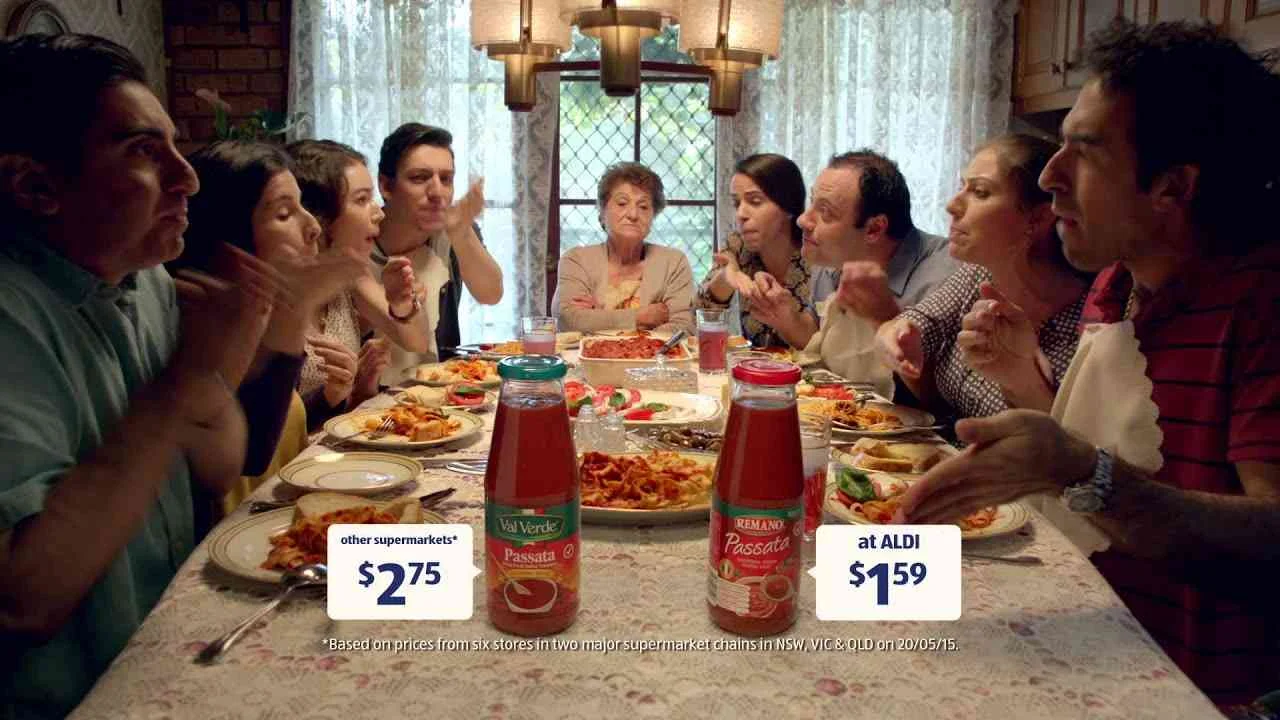
In June 2015, ALDI launched an engaging marketing campaign in Australia titled ALDI Like Brands. Only Cheaper. Pasta Sauce, developed by the creative team at BMF Sydney. This film campaign belongs to the Retail Services industry and centers around showcasing ALDI’s value proposition by comparing their pasta sauce product with well-known branded alternatives, emphasizing the message that customers can enjoy similar quality products for less. As part of a fresh series of spots highlighting items from every aisle in ALDI stores, this campaign effectively reinforces the brand’s commitment to affordability without compromising quality. The campaign’s media asset garnered notable attention with nearly 20,000 views, accompanied by positive engagement reflected in 47 likes and 9 comments, indicating a resonant connection with its audience. Utilizing clear and straightforward English language communication, the campaign successfully appeals to budget-conscious shoppers looking for great value on everyday grocery items. Through its strategic focus on relatable product comparisons and accessible messaging, the campaign strengthened ALDI’s position in the competitive retail market by highlighting both economy and product accessibility, underscoring the tagline that customers can find “like brands, only cheaper” within ALDI’s diverse product range.
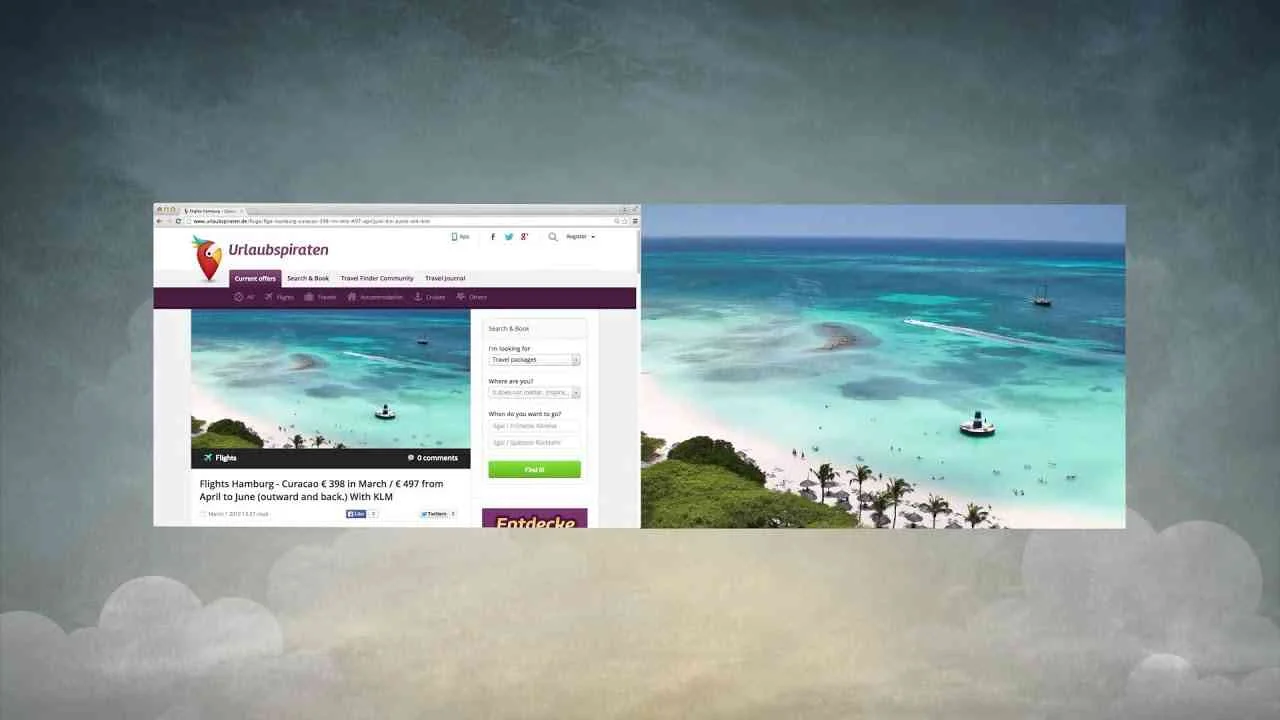
Aruba Image Bank is a compelling digital campaign launched in Brazil in June 2015, created by Grey for the transport brand Aruba. The campaign strategically positions Aruba as the unrivaled destination with the best beaches in the Caribbean, addressing a unique challenge the island faced when other Caribbean destinations appropriated Aruba’s stunning beach imagery to attract tourists. Through a focused and visually engaging media asset, this campaign aimed to reinforce Aruba’s authentic and exclusive appeal as a premier beach destination, directly countering misconceptions and unauthorized use of its iconic visuals. The use of digital media enables precise targeting and broad reach within the Brazilian market, leveraging the growing trend of online travel research and social media engagement. With over 43,000 views and a healthy level of interaction, including likes and comments, the campaign successfully sparked conversation and awareness around Aruba’s true identity as a top Caribbean locale. Creative execution and post-production by gatoestudio.com contribute a polished and professional finish, enhancing the visual storytelling and reinforcing brand credibility. Overall, Aruba Image Bank expertly combines strategic insight and creative craft to protect and amplify Aruba’s unique assets in a competitive tourism landscape, ultimately supporting the brand’s broader objective of driving visitation and strengthening market presence through authentic and transparent communication.

In September 1984, Wendy's launched a groundbreaking advertising campaign called Where's the Beef, created by the ad agency Dancer Fitzgerald Sample. This film campaign, rooted in the competitive food industry landscape, aimed to distinguish Wendy's by emphasizing the brand's commitment to offering burgers with a substantial, satisfying beef patty, contrasting competitors known for smaller portions. Through a memorable and humorous approach, the campaign struck a chord with American audiences, tapping into consumer desires for quality and value in fast food. The simplicity of the campaign's central question became a cultural catchphrase, driving strong brand recall and positioning Wendy's as the go-to choice for hearty, no-nonsense burgers. The single media asset associated with this campaign captured the essence of the brand's message effectively, using a relatable and engaging narrative to highlight Wendy's unique selling proposition. Over time, Where's the Beef transcended traditional advertising to become a symbolic phrase in popular culture, illustrating the power of a well-crafted marketing message. Despite modest initial digital engagement with 1,854 views and a few likes, the campaign's enduring legacy lies in its innovative communication strategy, which leveraged humor and directness to resonate deeply with target consumers and build brand loyalty in a competitive market. This campaign remains a classic example of successful brand positioning and memorable marketing communication within the food industry.
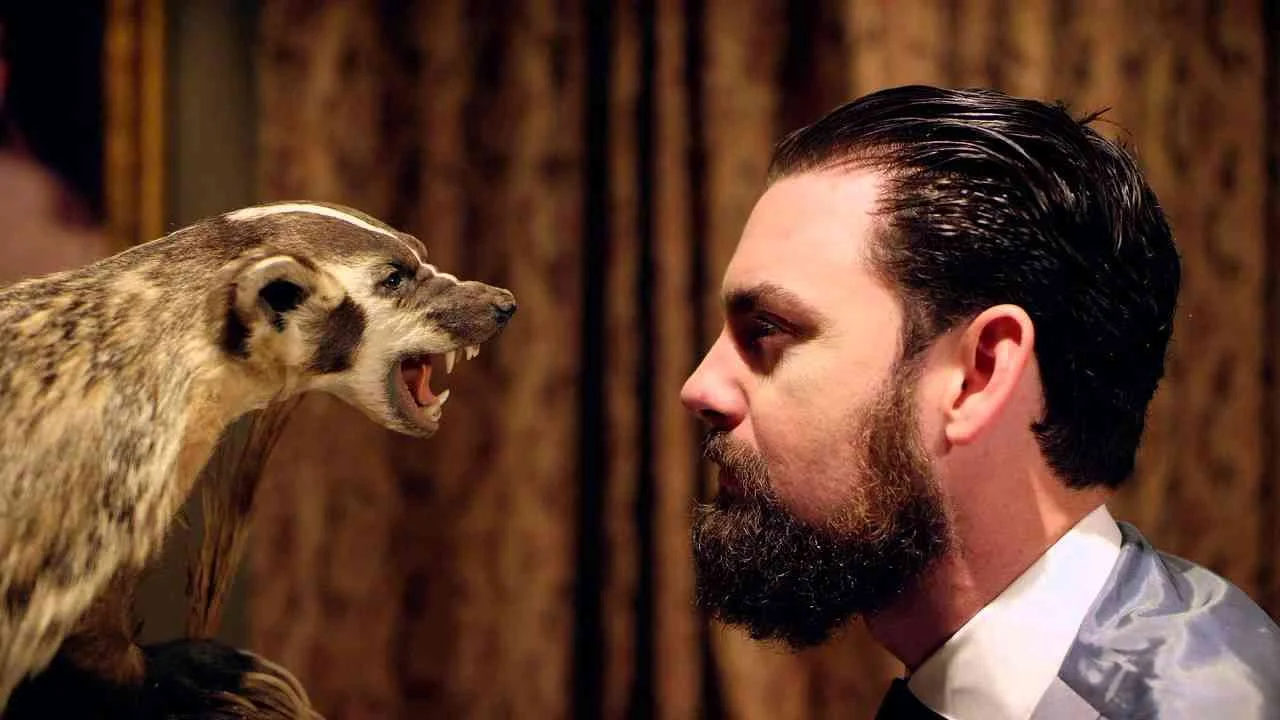
Released in 2015 in the United States, the 'On Purpose' campaign for Thousand Dollar Shave Society, developed by Innocean, positions the brand as a champion of the traditional male shaving ritual amidst the rise of inexpensive, low-quality shave clubs fueled by internet warehouses. Recognizing the threat to the dignity and craftsmanship associated with men’s grooming, the campaign was designed to resonate with discerning male consumers who value luxury and intent in their daily routine. By partnering with Kirby Allison, a notable online retailer specializing in high-end men’s accessories, ThousandDollarShaveSociety.com was launched to reclaim the narrative around shaving as a purposeful, almost sacred experience rather than a mundane chore. This digital campaign, characterized by refined visuals and thoughtful storytelling crafted by director of photography Michael Jensen and the pixelworkers.tv team, underscores the brand’s commitment to quality and sophistication in the retail services industry. Targeted at an audience that appreciates authenticity and quality, the campaign seeks to cultivate an aspirational identity around the brand, setting it apart from mass-market alternatives. Garnering over 2,100 views and engaging users through focused messaging, ‘On Purpose’ effectively communicates the brand's dedication to preserving an elevated male grooming tradition, instilling pride and intentionality in every shave.

In November 2017, Kia, in partnership with the ad agency David&Goliath, launched an impactful film campaign titled 2018 Kia Sorento | The SUV Out of Nowhere, targeting the United States automotive market. This campaign creatively showcases the 2018 Kia Sorento’s impressive performance by illustrating how it seemingly comes out of nowhere to outpace and outshine its SUV competitors, leaving them in a cloud of dust. The narrative not only emphasizes the vehicle’s power and agility but also reinforces Kia’s reputation for quality, highlighting the brand’s achievement as the #1 ranked in quality for two consecutive years. Through a compelling visual story in a single media asset, the campaign appeals to consumers seeking a reliable yet dynamic SUV option by tapping into excitement, surprise, and brand credibility. The film generated a notable audience engagement, accumulating over 71,000 views alongside 269 likes and 55 comments, reflecting a positive reception and active viewer participation. Kia strategically complemented the campaign by promoting its presence across multiple social media platforms such as Facebook, Twitter, Google+, Pinterest, and Instagram, encouraging deeper consumer interaction and brand loyalty. The campaign’s cohesive messaging and multi-channel distribution effectively positioned the 2018 Kia Sorento as a formidable contender in the competitive SUV segment, leveraging innovative storytelling to enhance brand perception while boosting enthusiasm for the product’s launch.
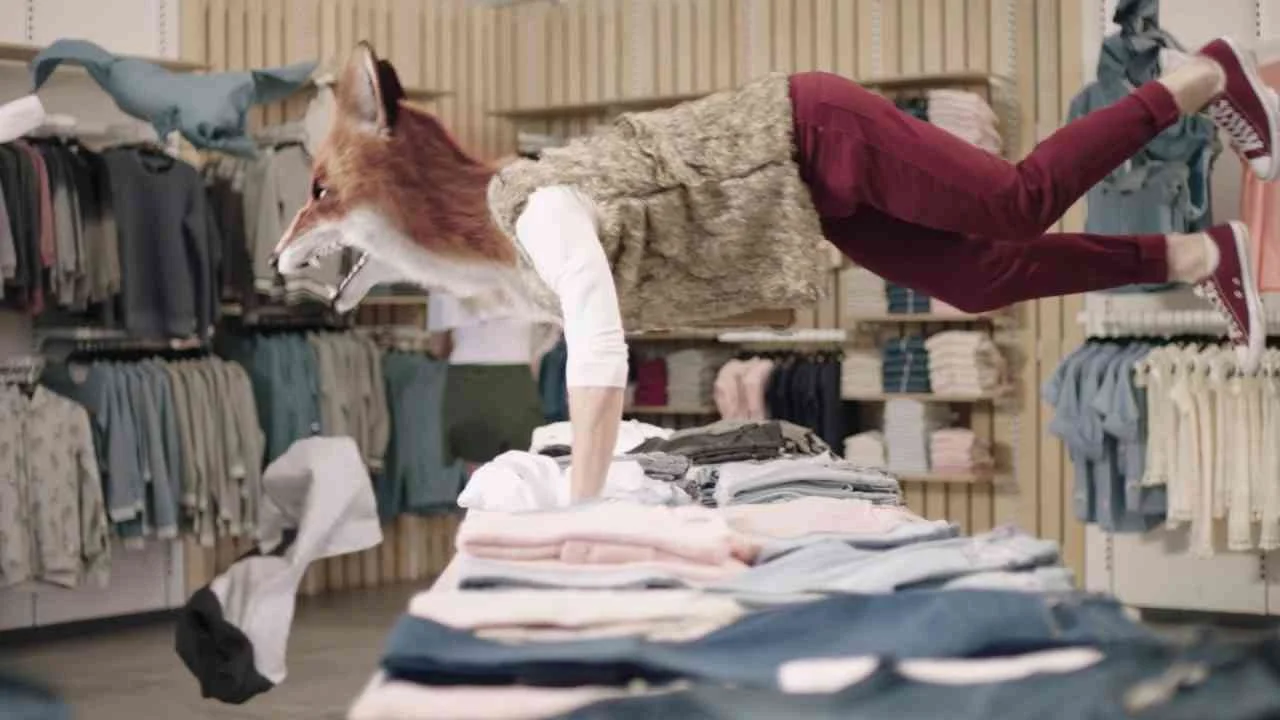
The 2017 'Presale' campaign for Tamnoon, a leading Israeli fashion brand, was developed by the renowned ad agency JWT to promote the brand’s summer collection. Positioned within the competitive Israeli fashion market alongside notable brands such as Castro, American Eagle, and Fox, this film medium campaign harnesses a bold and assertive messaging strategy that visually represents Tamnoon’s dominance and innovation. The creative concept centers on competitor symbols being metaphorically knocked out on screen, symbolizing Tamnoon’s new collection outshining and overpowering the competition. The campaign leverages a striking narrative to assert the brand’s strong market presence and progressive style, aiming to capture the attention of fashion-conscious consumers looking for fresh, trendsetting apparel. Crafted with an experienced creative team including art director Eiran Sasson and director Guy Bolandi, the film embodies a confident and competitive spirit, designed to resonate with the Israeli fashion audience and reinforce Tamnoon’s status as a trend leader. The campaign’s moderate engagement, with 7,680 views alongside 13 likes and 2 comments, reflects a targeted outreach within the local market, focusing on brand reinforcement rather than broad mass appeal. Utilizing visual metaphors of competitors being defeated, the campaign effectively communicates a message of supremacy and exclusivity, encouraging potential customers to embrace Tamnoon’s new offerings as the definitive choice in fashion. Overall, the 2017 'Presale' campaign exemplifies a strategic blend of creativity and market positioning to enhance brand recognition and stimulate consumer interest in the upcoming season’s collection.

Jack in the Box
Film
2017
Budget Direct
Film
2016
Troy-Bilt
Digital
2014
One Book For Peace
Direct
2017
Glass Packaging Institute
Film
2015
Samsung
Film
2011
ALDI
Film
2015
Aruba
Digital
2015
Wendy's
Film
1984
Thousand Dollar Shave Society
Digital
2015
KIA
Film
2017
Tamnoon
Film
2017

Clapboard at a Glance – A Video-First Creative EcosystemAt its core, Clapboard is a video-first creative platform and creative services marketplace that supports end-to-end production. It is built specifically for advertising, branded content, and film—where stakes are high, teams are complex, and outcomes need to be predictable.Traditional platforms treat creative work as isolated tasks. Clapboard is designed as an ecosystem: a managed marketplace where discovery, collaboration, production workflows, and delivery coexist in one environment. This structure better reflects the reality of modern creative production, where strategy, creative, production, post-production, and performance are tightly interlinked.As an advertising and film production platform, Clapboard supports:Brand campaigns and integrated advertisingBranded content and social videoProduct, launch, and explainer videosFilm, episodic content, and long-form storytellingInstead of forcing marketers or producers to choose between agencies, in-house teams, or scattered freelancers, Clapboard operates as a hybrid ecosystem. It combines a curated talent marketplace, managed creative services, and an AI + automation layer that accelerates workflows while preserving creative judgment.In other words: Clapboard is infrastructure for modern creative production, not just another place to post a brief. The Problem Clapboard Solves in Modern Creative ProductionThe creative industry has evolved faster than its infrastructure. Media channels have multiplied, content volume has exploded, and expectations for speed and personalization keep rising. Yet most systems for hiring creatives, running campaigns, and producing video remain stuck in legacy models.Clapboard exists to address four core creative production challenges that consistently slow down serious marketing and storytelling work.Fragmentation Between Freelancers, Agencies, and Production HousesCreative production today is fragmented acro
The Problem for Marketers & Brand TeamsFinding Reliable Creative Talent Is Slow and UncertainFor marketers and brand teams, the first visible friction is simply trying to hire creative talent that can consistently deliver. The internet is full of portfolios, reels, and profiles. Yet discovering reliable advertising creatives remains slow and uncertain.Discovery itself takes time. Marketers scroll through platforms, ask for referrals, post briefs, and sift through applications. Even with sophisticated search filters, there is no simple way to understand who has the right experience, who works well in teams, or who can operate at the pace and rigor modern campaigns demand.Quality is inconsistent, not because talent is lacking, but because the context around that talent is missing. A beautiful case study says little about how smoothly the project ran, how many revisions it required, or how the creative collaboration actually felt. Past work is not a guaranteed indicator of future delivery, especially when that work was produced under different conditions, with different teammates, or with heavy agency support in the background.Marketers are forced to rely on proxies—visual polish, brand logos on portfolios, testimonials written once in a different context. These signals are weak predictors when you need a specific output, at a specific quality level, with clear constraints on time and budget.The reality is that most marketing leaders don’t just need to hire creative talent. They need access to reliable creative teams that can handle complex scopes and adapt to evolving briefs. Yet the market still presents talent as individuals, leaving brand teams to stitch together their own ad hoc groups with uncertain outcomes.Traditional Agencies Are Expensive, Slow, and OpaqueIn response to this uncertainty, many marketers fall back on traditional agencies. Agencies promise full-service coverage: strategy, creative, production, and account management under one roof. But READ FULL ARTICLE

Video Is No Longer “One Service” — It Is the Spine of Brand CommunicationHistorically, “video” appeared as a single line in a scope of work or rate card: one of many services alongside design, copywriting, or social media management. That framing is now obsolete.Today, a single film can power an entire video content ecosystem:A hero brand film becomes TV, OTT, and digital ads.Those ads are cut down into short-form social content, stories, and reels.Behind-the-scenes footage becomes recruitment films and culture assets.Still frames pulled from footage become campaign photography.Scripts and narratives are re-used across web, CRM, and sales decks.Integrated video campaigns are now the default. Brand teams increasingly build backwards from a core film concept: first define what the main piece of video must achieve, then derive all other forms from that spine.In this model, video influences how the brand is perceived at every touchpoint. The look, sound, and rhythm of the film define what “on-brand” means. Visual identity systems, tone of voice, and even product storytelling often follow decisions first made in video.Thinking of video as a single deliverable hides its true role: it is the structural backbone of brand communication, not just another asset. How Most Marketplaces Get Video WrongVideo Treated as a Line Item, Not a SystemMost freelance and creative marketplaces were not built for video. They were originally optimized for graphic design, static content, or one-to-one gigs. Video was added later as another category in a long list of services.That leads to predictable freelance marketplace limitations when it comes to film and content production:“Video” buried in service menusVideo is often just one checkbox among dozens. There is little recognition that an ad film is fundamentally different from a logo design or blog post in terms of complexity, risk, and orchestration.Same workflow assumed for design, copy, and filmMost platforms apply the same chatREAD FULL ARTICLE
What “Human + Agent Orchestration” Means at ClapboardClapboard is built on a simple but important shift in mental model: stop thinking in terms of “features” and “tools,” and start thinking in terms of teams and pipelines.In this model, AI agents and humans work as one system. Every project is a flow of decisions and tasks. The question at each step is: Who is the right entity to handle this—human or agent—and when?This is what we mean by AI agent orchestration:Tasks are routed to the right actor at the right moment—sometimes a specialized agent, sometimes a producer, sometimes a creative director.Agents handle the structured, repeatable, data-heavy work, such as breakdowns, metadata, estimation, and workflow automation.Humans handle the subjective, contextual, and relational work, such as direction, negotiation, and final calls.Clapboard is the conductor of this system. Rather than being “an AI tool,” it functions as a creative operating system that coordinates human and agent participation end-to-end—from idea and script all the way to production and post.In practice, that means:Every brief, script, or campaign that enters Clapboard is immediately interpreted by agents for structure and intent.Those interpretations inform cost ranges, team shapes, timelines, and risk signals.Humans see the right information at the right time to make better decisions, instead of digging through fragmented files and messages.Workflow automations, powered by platforms like Make.com and n8n, take over the repetitive coordination so producers and creatives can stay focused on the work.Human + agent orchestration at Clapboard is not about cherry-picking tasks to “AI-ify.” It’s about designing the entire creative pipeline so that humans and agents function as a super-team. What AI Agents Handle on ClapboardOn Clapboard, AI agents are not generic chatbots; they are embedded workers with specific responsibilities across the creative lifecycREAD FULL ARTICLE

Why Traditional Freelance Marketplaces Fall Short for Creative ProductionTraditional freelance platforms were built around the gig economy, not around creative production. That distinction matters. Production is not “a series of tasks” — it is a pipeline where every decision upstream affects what’s possible downstream.Most of the common problems with freelance platforms in creative work come from this structural mismatch.Built for transactional gigs, not collaborative projectsGig platforms are optimised for one-to-one engagements: a logo, a banner, an edit, a script. They assume work is atomised and independent. But film and video production is collaborative by default: strategy, creative, pre-production, production, and post are all tightly connected.On generalist marketplaces, you typically have to:Source each role separately (director, editor, animator, colorist, etc.)Manually manage handovers between freelancersResolve conflicts in style, timelines, and expectations yourselfThe result is friction and inconsistency. What looks like a saving on day rates turns into higher project cost in coordination, rework, and lost time.Individual-first, not team-firstThe core unit on most freelance sites is the individual freelancer. That works for isolated tasks; it breaks for productions that require cohesive creative direction, shared context, and aligned standards.Individual-first systems create gig economy limitations for creatives and clients alike:Freelancers are incentivised to optimise for their own scope, not the entire project outcomeClients must “play producer” without internal production expertiseThere is no reliable way to hire intact, proven teams that already collaborate wellCreative production works best when you build creative teams, not disconnected individuals. Team dynamics and shared history matter as much as individual portfolios.Little accountability beyond task completionTypical freelance marketplaces define success as task delivery: the file was uploaREAD FULL ARTICLE