- HOME
- FOR CLIENTS
- FOR FREELANCERS
- LOGIN
BLOG
New user? Create account
New user? Create account
Client:
Persil
Agency:
Lowe
Chief Creative Officer:
Dave Henderson
Executive Creative Director:
Richard Denney
Creative Director:
Alex Okada
Creatives:
Ben Evans, Adam Sears
Strategic Planner:
Ayesha Walawalkar, Lucian Trestler
Account Management:
Matt Sherratt, Rachel Vernon
Producer:
Olivia Westley, Lisa Tuck
Photographer:
Rick Guest
Production House:
Academy
Director:
Nadia Marquard Otsen
Post Production:
Assembly Rooms, 1920
Editor:
David Stevens
Music:
750MPH
CGI Artist:
1920
Country:
United Kingdom
Medium Types:
Film
Year:
2015
Category:
Household Product
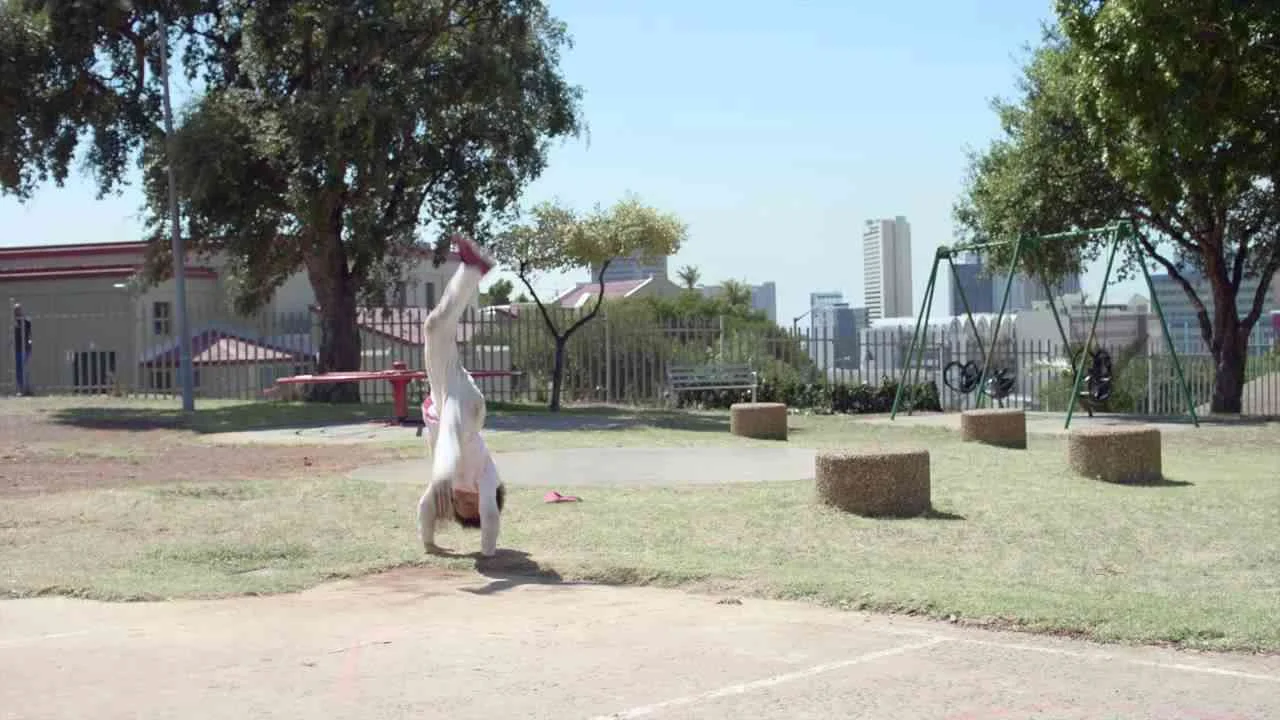
The Breakdancing girl campaign, launched in the United Kingdom in July 2015, showcases Persil's commitment to innovation and energy within the House and Garden industry. Created by the esteemed ad agency Lowe, this film medium campaign creatively captures attention through dynamic storytelling centered on a young girl breakdancing, symbolizing freshness and long-lasting cleanliness—core values associated with Persil. The campaign cleverly uses movement and rhythm to convey the durability and effectiveness of the product in everyday life, emphasizing how Persil empowers consumers to embrace life's active moments without worry. With its vibrant visual narrative and relatable theme, the campaign successfully connects with a broad audience, reinforcing Persil's position as a trusted brand in household cleaning solutions. Presented in English and supported by a single powerful media asset, the campaign garnered significant engagement online, accumulating thousands of views and an appreciative following. This piece not only highlights creative excellence from Lowe but also underlines Persil’s messaging of performance and vitality in a competitive market. The Breakdancing girl campaign remains a memorable example of how advertising can blend lifestyle elements with brand storytelling to create inspiring and effective communication.
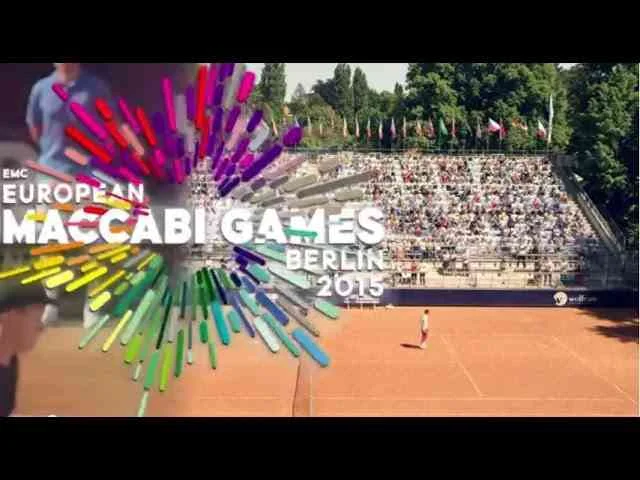
The Tennis, Triathlon campaign for the European Maccabi Games was launched in Germany in July 2015, strategically designed to promote the 14th edition of this prestigious multi-sport event taking place in Berlin from July 27 to August 5, 2015. Created by the renowned agency M&C Saatchi, this film-based campaign aimed to capture the spirit of recreation and leisure associated with the Games, emphasizing values of community, athleticism, and cultural heritage. Utilizing two distinct media assets, the campaign leveraged powerful visual storytelling in English to engage a broad audience, highlighting tennis and triathlon as key sports featured during the event. Despite a modest viewership of 6,736 and limited engagement metrics such as 25 likes and one comment, the campaign played a vital role in raising awareness and driving interest among sports enthusiasts and the wider Jewish community across Europe. Through a dynamic and emotive approach, the advertisements communicated the inclusive and celebratory nature of the Games, encouraging participation and attendance while reinforcing the European Maccabi Games' position as a significant sporting event. The campaign also served to strengthen brand recognition for the European Maccabi Games, aligning it with values of perseverance, unity, and cultural pride inherent in competitive sports and community events. Overall, the campaign effectively blended promotional objectives with inspiring narratives, making it a noteworthy example of sport-related communication within the recreation and leisure industry.
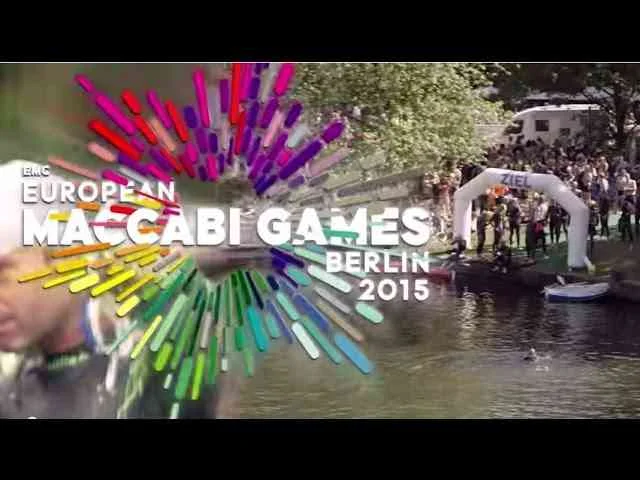
The Tennis, Triathlon campaign for the European Maccabi Games was launched in Germany in July 2015, strategically designed to promote the 14th edition of this prestigious multi-sport event taking place in Berlin from July 27 to August 5, 2015. Created by the renowned agency M&C Saatchi, this film-based campaign aimed to capture the spirit of recreation and leisure associated with the Games, emphasizing values of community, athleticism, and cultural heritage. Utilizing two distinct media assets, the campaign leveraged powerful visual storytelling in English to engage a broad audience, highlighting tennis and triathlon as key sports featured during the event. Despite a modest viewership of 6,736 and limited engagement metrics such as 25 likes and one comment, the campaign played a vital role in raising awareness and driving interest among sports enthusiasts and the wider Jewish community across Europe. Through a dynamic and emotive approach, the advertisements communicated the inclusive and celebratory nature of the Games, encouraging participation and attendance while reinforcing the European Maccabi Games' position as a significant sporting event. The campaign also served to strengthen brand recognition for the European Maccabi Games, aligning it with values of perseverance, unity, and cultural pride inherent in competitive sports and community events. Overall, the campaign effectively blended promotional objectives with inspiring narratives, making it a noteworthy example of sport-related communication within the recreation and leisure industry.
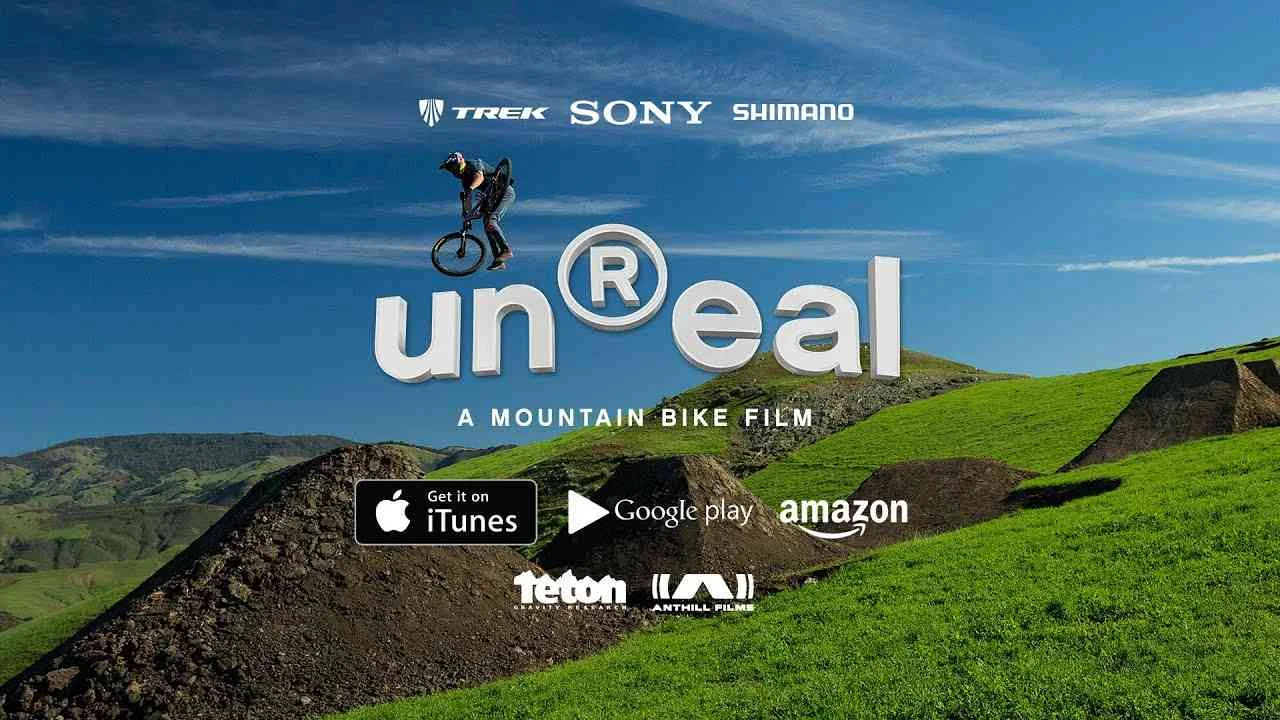
In July 2015, the groundbreaking digital campaign "One Shot: Brandon Semenuk's unReal Segment" was launched in the United States for the brand unReal, captivating audiences with a cinematic feat that redefined mountain biking storytelling. This campaign showcases Brandon Semenuk, widely acclaimed as the best slopestyle mountain biker in the world, who made history by filming an entire segment in one uninterrupted continuous shot. Utilizing the cutting-edge GSS C520 gyro-stabilized camera system mounted on a truck driving alongside a meticulously crafted custom trail—built over three weeks—the segment is a testament to precision, athleticism, and unparalleled collaboration between Semenuk, Anthill Films, and Teton Gravity Research (TGR). Notably, despite being injured, Semenuk nailed this flawless run on his only attempt, adding an extraordinary layer of intensity and authenticity to the film. Produced by the creative partnership of TGR and Anthill Films, unReal is a feature-length mountain bike film that pushes the boundaries of visual storytelling through the combined talents of the world’s best mountain bikers and visionary filmmakers. The campaign leveraged multiple digital platforms including iTunes, Amazon, Google Play, and more, ensuring widespread accessibility and driving engagement through a global film tour. The segment quickly amassed over 7.4 million views, with substantial social media interactions evidencing a strong community connection. Complementing the campaign, fans had the opportunity to engage directly through live Q&A sessions with Brandon Semenuk and the cinematographer, fostering an interactive dialogue that further deepened audience involvement. Backed by a powerful soundtrack, iconic brand partnerships, and compelling art direction, the unReal campaign successfully blended raw athleticism with cutting-edge film technology, inviting viewers to "get lost in the moment" and experience the purity and passion of mountain biking like never before. This campaign not only elevated the profile of its brand but also set a new standard for sports media in the digital age.
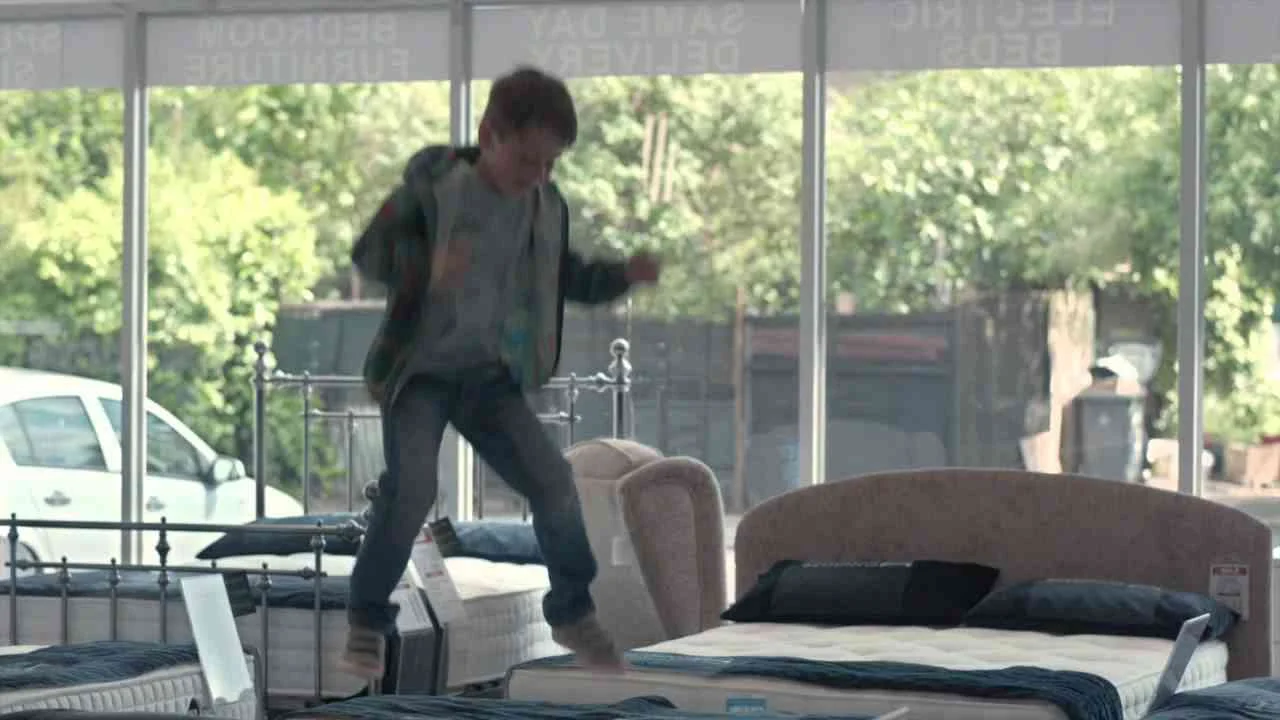
Launched in July 2015 in the United Kingdom, the Good times campaign by McDonald's, crafted by Leo Burnett, leverages the emotional appeal of shared joyful moments centered around food. This film medium campaign artfully captures the essence of togetherness, positioning McDonald's as more than just a place to eat but as a catalyst for creating memorable experiences with friends and family. With a single compelling media asset, the campaign effectively combines visual storytelling and relatable scenarios that resonate deeply with its target audience within the food industry. The creative direction, overseen by post producer Amy Richardson and flame artist Hugo Saunders, ensures a polished and engaging execution that maintains McDonald's brand values while reinforcing its connection to everyday happiness. Garnering over 18,000 views and sparking active engagement through likes and comments, Good times demonstrates a successful blend of emotional narrative and branding that strengthens consumer affinity and drives brand loyalty in a competitive marketplace.
In July 2015, Make-A-Wish collaborated with Zulu Alpha Kilo to launch the impactful campaign 'Lollipop, Grandma, Snare' in Canada, aimed at driving public interest and awareness. Centered around the heartwarming story of Zak, the campaign showcases his creative approach to fundraising, highlighting his fondness for simple pleasures like green lollipops and Cheezies while demonstrating how anyone can contribute to granting wishes for children in need. The campaign utilizes the film medium, delivering its message through three carefully crafted media assets, with the primary piece titled #FunRaising - Lollipop. This asset invites viewers to engage emotionally by connecting with Zak's genuine spirit and inventive fundraising method, effectively encouraging participation and donations. Garnering over 7,000 views and positive engagement, the campaign leverages authentic storytelling to amplify the Make-A-Wish mission, combining emotional resonance with a call to action. Through compelling visuals and relatable characters, it underscores the power of community involvement in public interest initiatives, positioning Make-A-Wish not just as a charity, but as an inspiring movement that empowers individuals to make a tangible difference. This strategic approach strengthens brand affinity by intertwining joy, hope, and creativity, ultimately fostering a deeper connection with audiences and motivating them to support the cause.
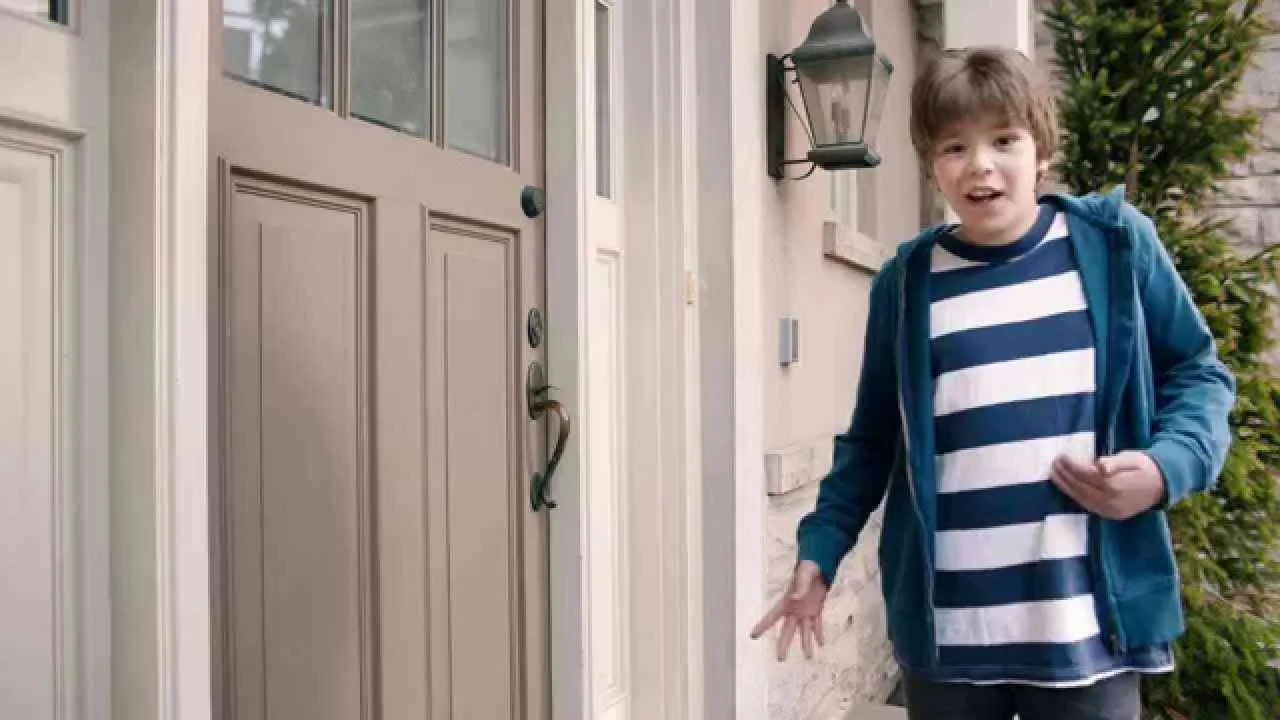
In July 2015, Make-A-Wish collaborated with Zulu Alpha Kilo to launch the impactful campaign 'Lollipop, Grandma, Snare' in Canada, aimed at driving public interest and awareness. Centered around the heartwarming story of Zak, the campaign showcases his creative approach to fundraising, highlighting his fondness for simple pleasures like green lollipops and Cheezies while demonstrating how anyone can contribute to granting wishes for children in need. The campaign utilizes the film medium, delivering its message through three carefully crafted media assets, with the primary piece titled #FunRaising - Lollipop. This asset invites viewers to engage emotionally by connecting with Zak's genuine spirit and inventive fundraising method, effectively encouraging participation and donations. Garnering over 7,000 views and positive engagement, the campaign leverages authentic storytelling to amplify the Make-A-Wish mission, combining emotional resonance with a call to action. Through compelling visuals and relatable characters, it underscores the power of community involvement in public interest initiatives, positioning Make-A-Wish not just as a charity, but as an inspiring movement that empowers individuals to make a tangible difference. This strategic approach strengthens brand affinity by intertwining joy, hope, and creativity, ultimately fostering a deeper connection with audiences and motivating them to support the cause.
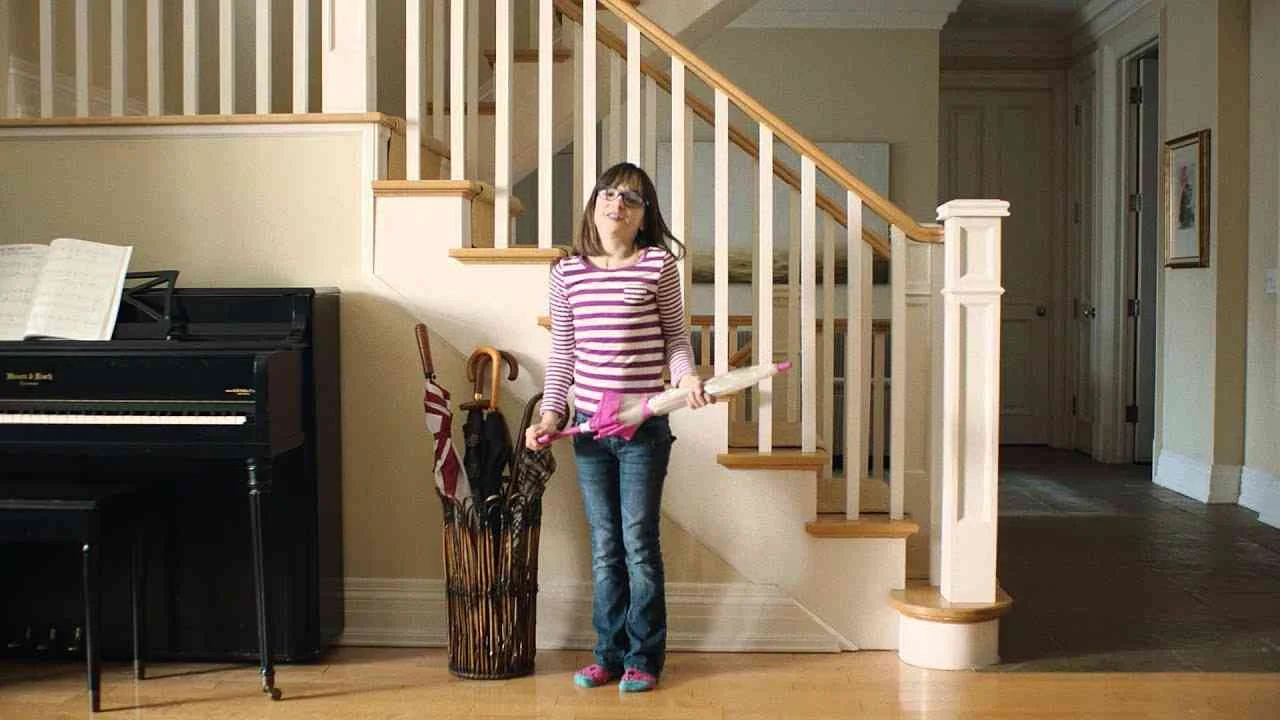
In July 2015, Make-A-Wish collaborated with Zulu Alpha Kilo to launch the impactful campaign 'Lollipop, Grandma, Snare' in Canada, aimed at driving public interest and awareness. Centered around the heartwarming story of Zak, the campaign showcases his creative approach to fundraising, highlighting his fondness for simple pleasures like green lollipops and Cheezies while demonstrating how anyone can contribute to granting wishes for children in need. The campaign utilizes the film medium, delivering its message through three carefully crafted media assets, with the primary piece titled #FunRaising - Lollipop. This asset invites viewers to engage emotionally by connecting with Zak's genuine spirit and inventive fundraising method, effectively encouraging participation and donations. Garnering over 7,000 views and positive engagement, the campaign leverages authentic storytelling to amplify the Make-A-Wish mission, combining emotional resonance with a call to action. Through compelling visuals and relatable characters, it underscores the power of community involvement in public interest initiatives, positioning Make-A-Wish not just as a charity, but as an inspiring movement that empowers individuals to make a tangible difference. This strategic approach strengthens brand affinity by intertwining joy, hope, and creativity, ultimately fostering a deeper connection with audiences and motivating them to support the cause.
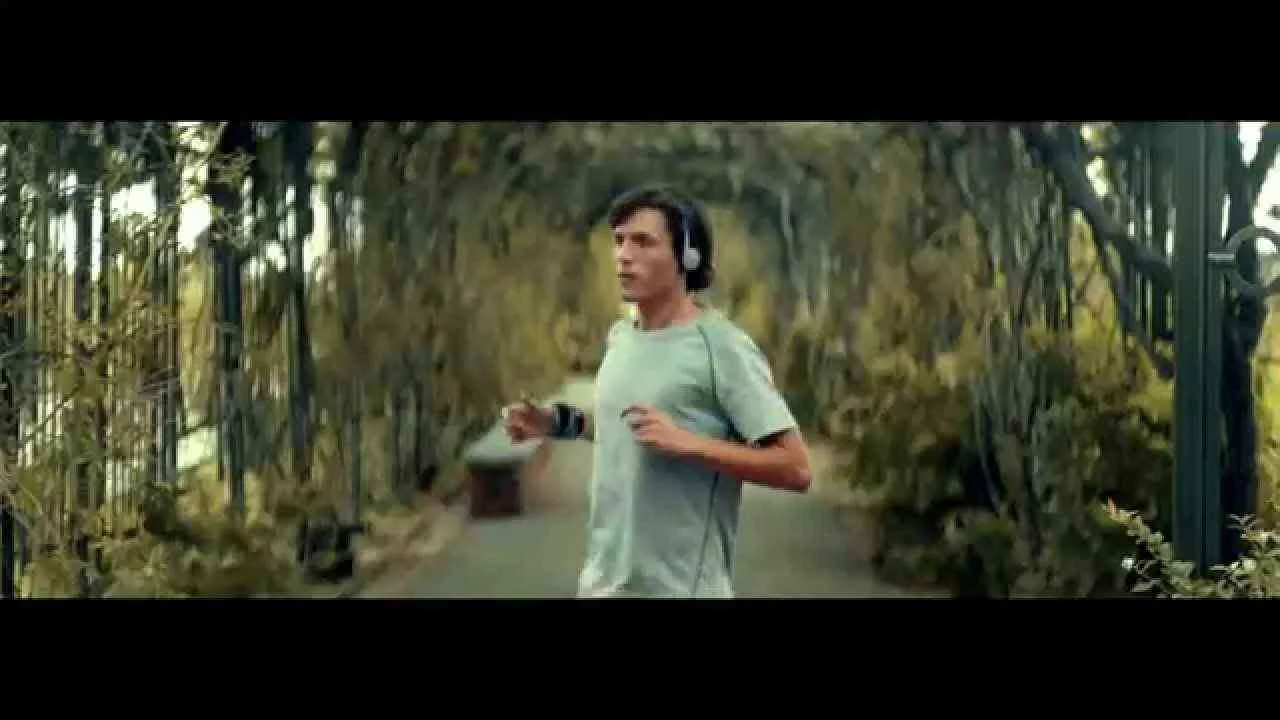
Launched in Brazil in August 2015, the Skateboard campaign for Mizuno, crafted by Saatchi & Saatchi, leverages the emotional connection between running and rich life experiences. This film-based campaign, targeted at the fashion industry, encapsulates the brand’s philosophy through a compelling narrative that highlights the joy and sensory journey of putting on Mizuno sneakers and hitting the streets to run. The campaign’s tagline, "Existe um mundo cheio de experiências. Sensações. E histórias. Elas acontecem quando a gente coloca o tênis e vai pra rua correr," beautifully communicates the brand’s invitation to explore a world full of sensations and stories that unfold when one embraces the running lifestyle. Presented in Portuguese (pt-PT), the campaign resonates deeply with the local audience, garnering over 320,000 views and creating meaningful engagement through its authentic portrayal of running as an experience beyond sport – as a lifestyle choice and a source of inspiration. The single media asset used in the film medium effectively showcases Mizuno’s commitment to both performance and style, positioning the brand as a catalyst for personal discovery and urban exploration. This campaign not only highlights the technical merits of Mizuno footwear but also successfully communicates the emotional and cultural significance of running, framing it as a celebration of life’s moments and the environment around us. In doing so, it aligns with the growing trend of lifestyle marketing within the fashion and sportswear sectors, driving brand affinity and consumer connection through storytelling that is both relatable and aspirational.
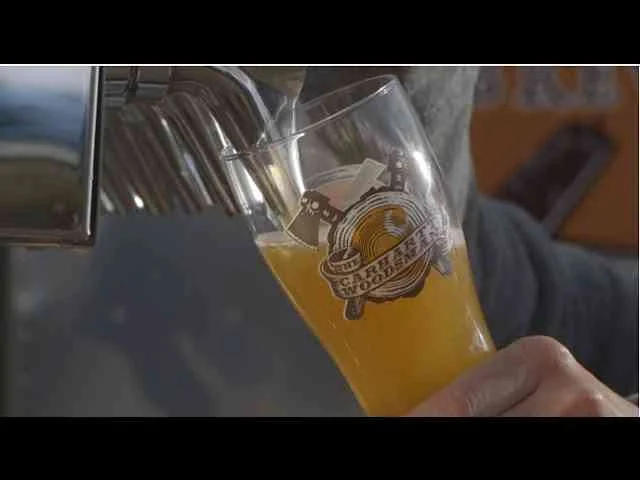
In 2014, Carhartt launched a compelling film campaign called The Road Home to Craftsmanship, designed to celebrate the enduring spirit of American craftsmanship within the fashion industry. The campaign chronicles a 12-day road trip from Carhartt's birthplace in Detroit to the rugged landscapes of the Rocky Mountains, where the brand visited and shared Carhartt Woodsman beer with over 20 craftspeople who continue to inspire and embody the values of making, doing, and creating. This narrative challenges the notion that American craftsmanship is fading, instead highlighting a vibrant community of artisans who keep these traditions alive. The campaign’s emotional storytelling, complemented by music from Anthony Frattolillo, aims to connect with consumers by emphasizing authenticity, heritage, and the importance of supporting local businesses. Launching around the holiday season, the initiative encourages audiences to honor and support small businesses through Small Business Saturday and Makers Monday, fostering a sense of community and appreciation for the craftsmanship behind Carhartt’s products. With over 75,000 views and more than 1,000 likes, the campaign successfully engaged a dedicated audience by blending Carhartt's rugged brand identity with a heartfelt tribute to American makers. The film medium allowed for rich visual storytelling to illustrate the journey and craft, reinforcing Carhartt’s commitment to quality and tradition. Additional engagement opportunities were provided through social media channels, inviting viewers to subscribe to Carhartt’s YouTube channel and connect on Facebook, while also exploring more about the Carhartt Woodsman Beer. This campaign not only enhanced brand loyalty among existing customers but also attracted new consumers who value craftsmanship and authenticity in fashion.
Misfit's Lifestyle campaign, launched in the United States in November 2024, strategically positions the brand within the Electronics and Technology industry by highlighting the seamless integration of modern wearable technology into everyday life. This film-based campaign leverages visual storytelling to connect emotionally with tech-savvy consumers who value both functionality and style in their lifestyle choices. By focusing on relatable scenarios where Misfit products enhance daily experiences, the campaign effectively communicates the brand’s commitment to innovation, design, and user-centric technology. With a single media asset driving its message, the campaign aims to capture attention through a concise yet impactful narrative that resonates with an audience seeking to harmonize technology with their personal and active lifestyles. Language is kept accessible and engaging, appealing to a broad demographic while fostering brand awareness and loyalty. Despite modest initial engagement metrics, the campaign serves as a foundational piece in reinforcing Misfit’s identity as a leader in wearable technology, emphasizing how its products seamlessly fit into varied aspects of life, from fitness to casual use. Overall, the Lifestyle campaign reflects a thoughtful blend of marketing and communication efforts designed to elevate brand perception and inspire consumer connection in a competitive market.
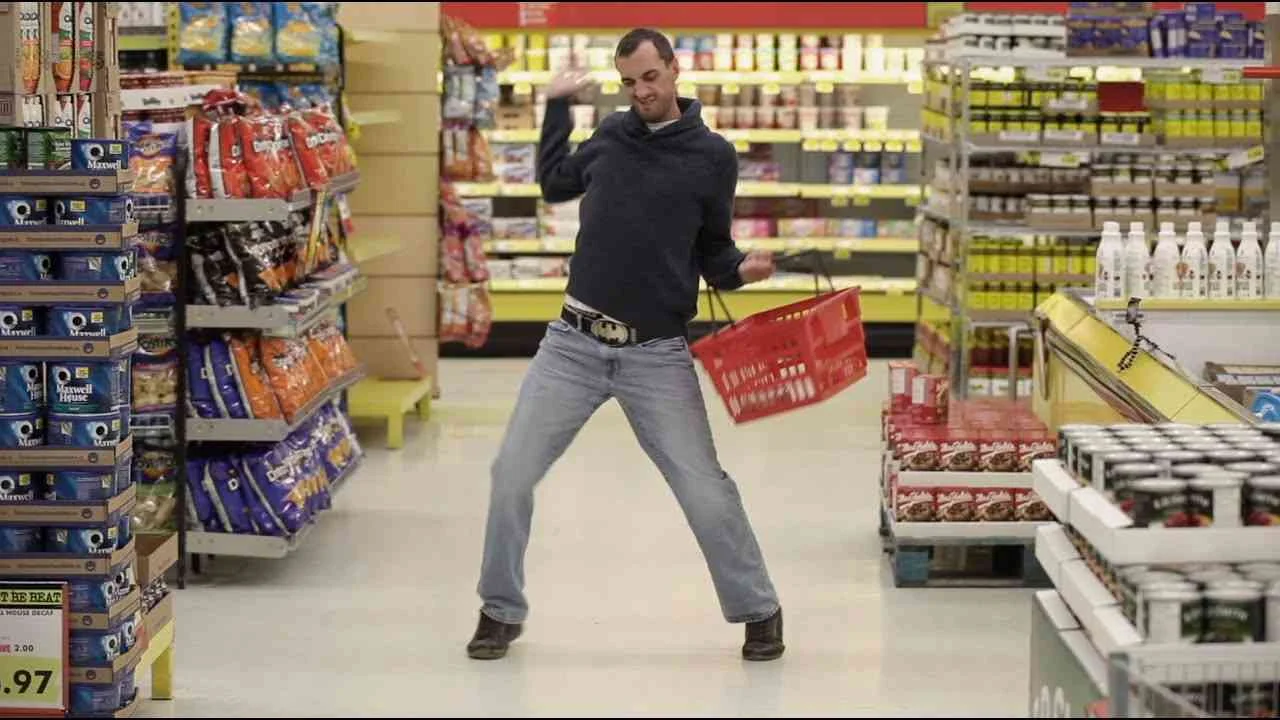
Launched in Canada in 2014, the campaign Dance Like No One’s Watching was developed by BrandHealth for the Canadian Mental Health Association to raise awareness about the significant challenge faced by 1 in 5 Canadians dealing with mental health issues. Utilizing the film medium, this public interest initiative encouraged active participation by inviting individuals to upload videos of themselves dancing freely, symbolizing openness and breaking the stigma surrounding mental health. The campaign strategically harnessed social media engagement through the hashtag #dancefor1in5 and prompted sharing via the @cmhahkpr handle, fostering a community-driven movement to promote visibility and conversation around mental health. By combining a simple, relatable action—dancing as if no one is watching—with a powerful social message, the campaign leveraged emotional connection and inclusivity to motivate the audience, increase awareness, and reduce stigma. Despite being published over a decade ago, this single media asset received close to 4,000 views, showcasing the ongoing relevance and impact of creative storytelling in public health communication. The campaign’s blend of user-generated content and digital interaction exemplified effective marketing and communication strategies aimed at encouraging widespread participation and amplifying a message of support and solidarity for mental health sufferers across Canada.
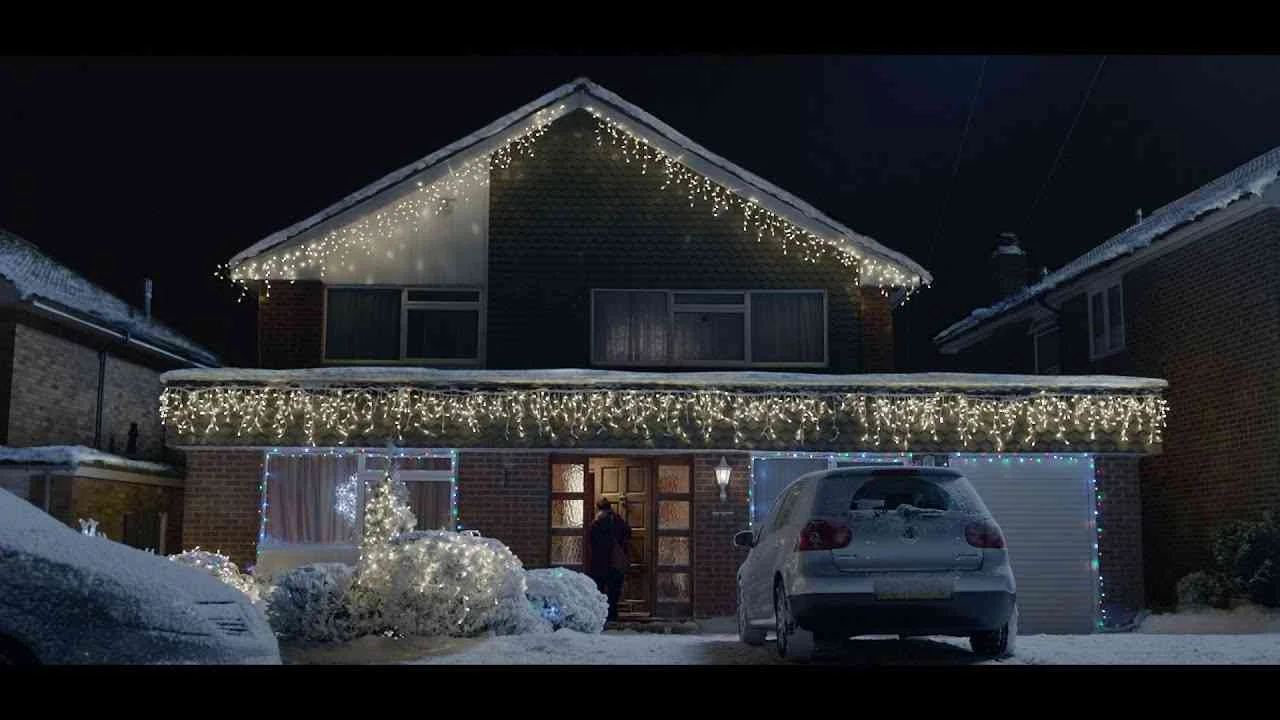
The Boots Christmas TV advert, titled Special and created by the ad agency Mother, was launched in the United Kingdom in December 2014 to capture the warmth and togetherness of the festive season. Positioned within the Retail Services industry, this film campaign aims to evoke a deep emotional connection by celebrating the unique and cherished moments shared with loved ones during Christmas. Central to the campaign is the hashtag #SpecialBecause, which emphasizes the distinct, everyday gestures from family members that make the holiday season memorable—whether it’s a dad defrosting the windscreen or a sister making the perfect cup of tea—inviting audiences to reflect on their own special relationships. The advert’s storytelling is complemented by the soulful track Song for you by Alexi Murdoch, which enhances the heartfelt tone and festive spirit of the message. With over 700,000 views and positive engagement through likes and comments, the campaign successfully leverages emotive visuals and relatable scenarios to foster brand affinity while subtly encouraging viewers to shop for Christmas gifts at Boots. The 2-minute version of the film is accessible online, providing an extended experience of the narrative and reinforcing Boots' positioning as a brand that understands the importance of connection and care during the holiday season. This campaign not only bolsters brand recall at a critical retail period but also aligns Boots with the values of family, warmth, and togetherness, making it resonate deeply with its target audience.
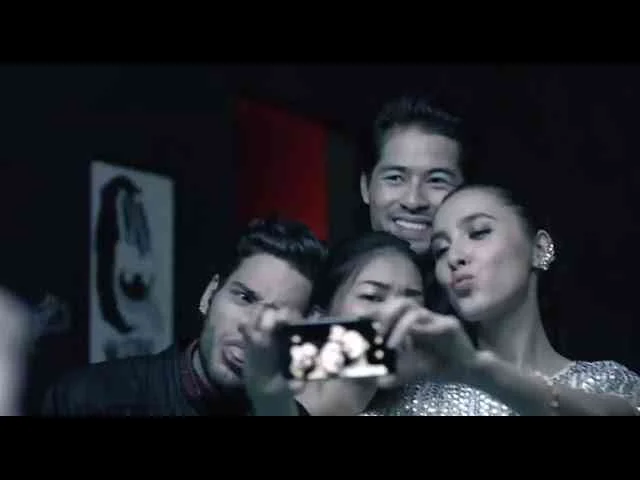
In December 2014, Zalora launched the dynamic digital campaign Own the Night in Singapore, aimed at empowering consumers to embrace confidence and style after sunset. Positioned within the Retail Services industry, this campaign capitalized on the festive holiday season to inspire shoppers to revel in nightlife with fashion that catches every eye. Central to the campaign was a compelling video featuring the unreleased track Flowing, crafted by Phil Cook, which set a vibrant and celebratory tone. The messaging encouraged audiences to transition seamlessly from daytime achievements to nighttime glamour, positioning Zalora as Asia’s premier online fashion destination for head-turning apparel. With hashtags like #OWNTHEMOMENT, #OWNTHEEVENING, #OWNTHEPARTY, and #OWNTHENIGHT, the campaign leveraged social media to foster engagement and community participation. Garnering over 1.95 million views, 965 likes, and 182 comments, the campaign demonstrated strong audience resonance. By inviting consumers to take the spotlight and own their celebrations, Zalora effectively connected emotional appeal with product offering, enhancing brand visibility during one of the most competitive retail periods of the year. This approach underscored Zalora’s commitment to making fashion accessible, relevant, and aspirational for the modern consumer navigating the vibrant urban nightlife.
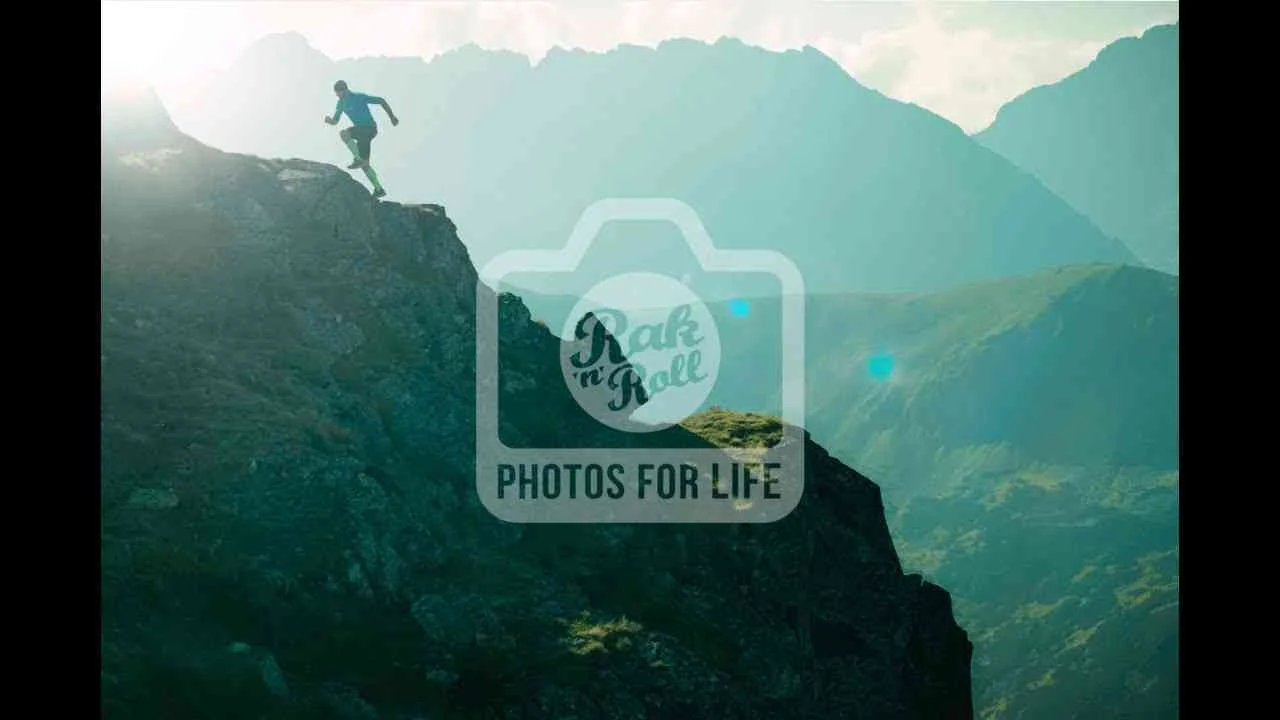
Photos for Life - a charity photo bank is a compelling digital campaign launched in Poland in May 2016 for Rak'n'Roll Win Your Life!, created by the ad agency Isobar. This initiative supports the public interest sector by bringing visibility and empowerment to cancer patients and survivors through a unique and humanizing approach. Photos for Life serves as a charitable photo bank featuring authentic portraits of individuals living with cancer or who have triumphed over the disease. These images, available for purchase as quality lifestyle photography, provide a meaningful alternative to traditional stock photos while fostering empathy and hope. All proceeds from the sale of these photographs directly fund therapy and support services for the foundation’s beneficiaries, strengthening the community around cancer care. The campaign skillfully blends commercial utility with social impact, enabling businesses and individuals to contribute meaningfully simply by integrating these photographs into their projects. This innovative approach has garnered international recognition, securing a Silver award at the Epica Awards and earning the Grand Prix at the 2016 Innovation Award, reflecting its creative and social significance. By showcasing the resilience and vitality of cancer survivors, Photos for Life challenges stigma and inspires a broader cultural conversation about living with illness. The campaign’s digital format ensures broad accessibility and engagement, inviting audiences to participate actively in a cause that combines art, commerce, and charity. With over 5,000 views and positive feedback from the online community, Photos for Life effectively elevates the narrative around cancer while delivering a compelling call to action that benefits patients and their families through continued funding and support.
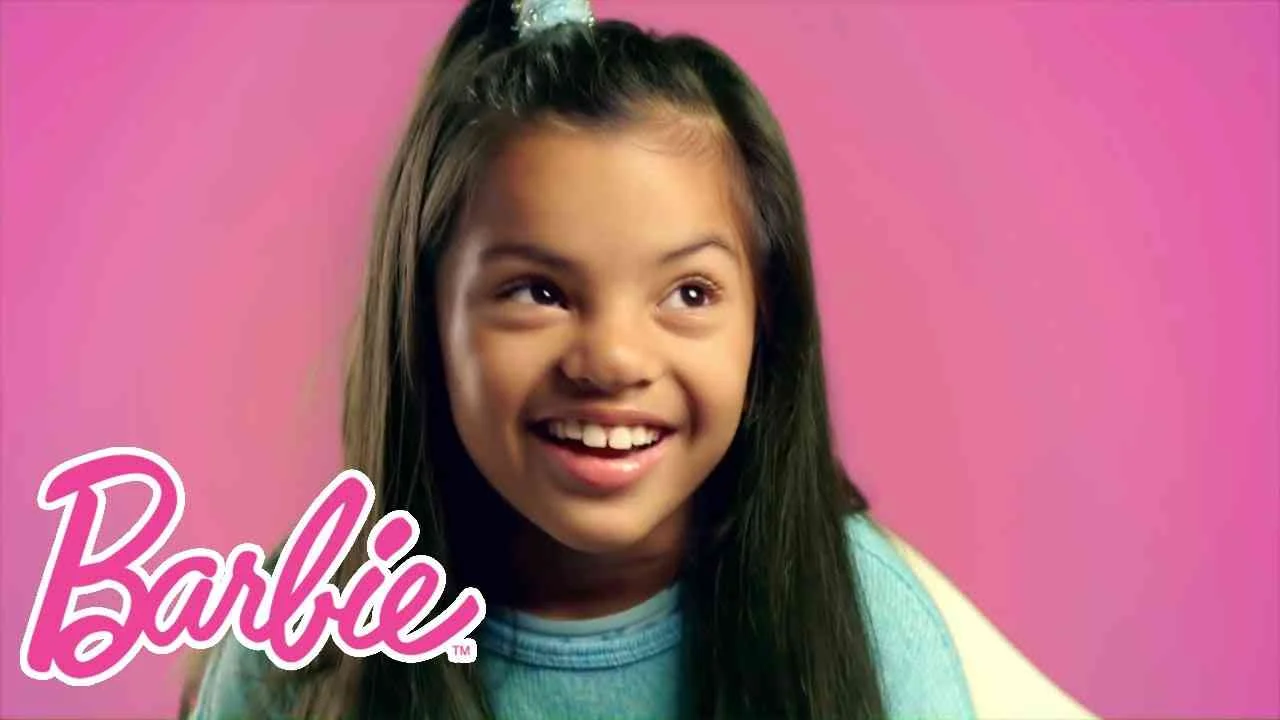
Launched in Canada during December 2014, the Wishes from the Heart campaign for Barbie, created by TrojanOne, leveraged digital media to engage young audiences within the gaming industry context. Centered around the empowering message that with Barbie, anything is possible, the campaign invited girls to share their heartfelt holiday wishes for their loved ones. By encouraging sharing of the campaign’s video from the Barbie YouTube channel, it activated a social goodwill mechanism where each share resulted in a $1 donation to Make-A-Wish® Canada, blending brand purpose with festive season generosity. This campaign utilized a single media asset—a video—designed to spread joy and inspire generosity among Barbie’s audience, underpinning the brand’s longstanding commitment to inspiring girls’ imagination and self-discovery. Barbie’s rich legacy of over 62 years and more than 180 inspirational careers was subtly embedded in the communication, reinforcing the brand’s role as a catalyst for girls to envision limitless possibilities. Hashtags such as #Barbie and #BarbieWishes were incorporated to enhance digital conversation and visibility. The campaign was further supported by various Barbie content channels across multiple languages, underscoring its global reach and cultural inclusivity. Garnering significant attention with over 346,000 views, the initiative appealed to both existing Barbie fans and new audiences, combining entertainment, social impact, and brand storytelling effectively within a digital framework. This campaign demonstrated how Barbie continues to innovate in its engagement with young consumers, not only promoting play but also encouraging meaningful social interactions and charitable participation during the holiday season.
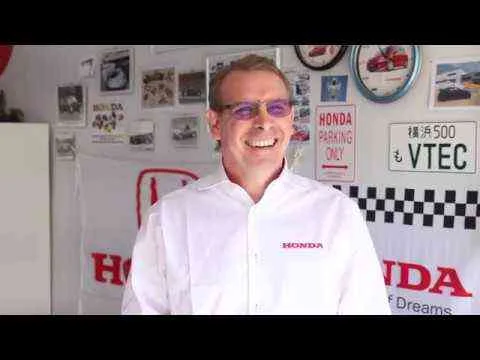
In October 2017, Honda, in collaboration with Sid Lee Paris, launched the #HondaNextDoor campaign in France, addressing a critical business challenge by actively engaging the brand’s fan community. This innovative content-driven initiative leveraged authentic consumer interactions to deepen brand loyalty and foster a sense of local connection within the automotive market. By inviting fans to become part of the narrative, Honda effectively transformed passive observers into active participants, amplifying brand presence organically through social channels. The campaign’s strategic use of content as a medium not only highlighted Honda’s commitment to community and customer-centric values but also positioned the brand as approachable and relevant in a competitive industry. With over 6,000 views and positive audience engagement, #HondaNextDoor exemplified a successful fusion of brand storytelling and consumer collaboration, reinforcing Honda’s position in the French automotive landscape. This approach demonstrates how integrating audience insights and social involvement can solve business challenges while enhancing brand affinity and market differentiation.

Persil
Film
2015
European Maccabi Games
Film
2015
unReal
Digital
2015
McDonald's
Film
2015
Make-A-Wish
Film
2015
Mizuno
Film
2015
Carhartt
Film
2014
Misfit
Film
2014
Canadian Mental Health Association
Film
2014
Boots
Film
2014
Zalora
Digital
2014
Rak'n'Roll Win Your Life!
Digital
2016
Barbie
Digital
2014
Honda
Content
2017


Team Assembly vs. Individual Sourcing in Creative MarketplacesWhy Teams Outperform Individuals in ProductionClapboard treats creative production as an inherently team-based discipline. The reality is simple: no single freelancer, no matter how talented, can match the velocity or multidimensional expertise of a well-assembled team. In a creative production marketplace, the difference is structural. When Clapboard assembles a team, we’re not just filling roles — we’re building a unit designed for integrated, multi-disciplinary collaboration from the outset. This approach aligns with the fact that listed scripts in creative production marketplaces are 70% more likely to be produced than unlisted ones, underscoring the value of aggregated expert judgment in team-based selection (Harvard Business School - Judgment Aggregation in Creative Production, 2020).Benefits of Team Assembly in MarketplacesClapboard doesn’t see team assembly as an optional upgrade — it’s the core of how high-quality creative work gets delivered. Individual sourcing fragments accountability and creative intent. When Clapboard forms a team, we ensure that directors, editors, producers, and specialists are not only matched for skill but for their ability to operate as a cohesive unit. This reduces friction, accelerates decision-making, and keeps projects aligned with the original vision. On Clapboard, team-based production isn’t just faster; it’s more resilient to setbacks and better at surfacing creative solutions under pressure.Team Matching Algorithms in Creative PlatformsClapboard’s team matching engine is built to recognize the unique chemistry required for creative projects. Rather than treating talent as interchangeable parts, Clapboard evaluates experience, collaboration history, and complementary skill sets. This is critical for complex, multi-role creative projects where the sum is greater than the parts. Experienced buyers in the creative production marketplace understand this, increasingly

Coordination Scarcity: The New Bottleneck in Creative TeamsWhy Creative Team Coordination Is Harder Than EverClapboard sees the industry’s talent pool expanding, but creative team coordination has become the defining constraint. The old scarcity—finding enough skilled individuals—has been replaced by the challenge of orchestrating those individuals into functional, high-output teams. Clapboard’s operational lens reveals that the proliferation of freelance networks, remote contributors, and niche specialists has not simplified delivery. Instead, it has multiplied the points of failure. The result: more talent on tap, but less cohesion, more friction, and a higher risk of missed deadlines or diluted creative impact.Clapboard treats team-based creative work as a system problem, not a hiring problem. The bottleneck now is not who you can hire, but how you configure, brief, and manage the ensemble. The complexity of project management in advertising and content production means that ad hoc approaches—assembling a team for each brief with no shared process or context—almost guarantee fragmentation. Resource scarcity, when generalized across staff and time, breeds defensive behaviors and power struggles, undermining the very collaboration creative work demands (Organization Science (INFORMS), 2022).Best Practices for Building Creative TeamsClapboard’s experience with talent orchestration is clear: repeatable success depends on structured team formation, not improvisation. Clapboard does not rely on surface-level compatibility or prior relationships. Instead, Clapboard’s team formation in creative is anchored in role clarity, shared objectives, and explicit workflow agreements from day one. This approach eliminates the ambiguity that derails many group projects and provides a foundation for scalable, multi-disciplinary work.Clapboard’s system enforces a baseline of operational hygiene: clear responsibilities, documented handoffs, and pre-agreed escalation paths. This is notREAD FULL ARTICLE
Why Video-First Content Production Requires a New Production PipelineVideo-first vs. traditional production workflowsClapboard treats video-first content production as a fundamentally different problem than legacy creative services. The old model—treating video as a gig, a one-off deliverable, or a bolt-on to a static campaign—doesn’t survive contact with the complexity of today’s requirements. Clapboard rejects the notion that a project brief, a handful of freelancers, and a static checklist can deliver at the scale or speed modern brands demand. Instead, Clapboard’s approach is to architect a production pipeline where every stage—ideation, capture, edit, review, distribution—is engineered as a connected system, not a sequence of isolated tasks. This is not theory: the operational demands of video-first content production, where volume, speed, and iteration are non-negotiable, break linear, gig-based models every time.Key stages in a video-first content pipelineClapboard’s pipeline is built around the realities of modern video production: high data volumes, rapid creative iteration, and the need for integrated workflows. On Clapboard, ingestion is not just file transfer; it’s smart ingest that tags, proxies, and preps footage for downstream use. This means that versioning, review, and distribution are not afterthoughts—they’re embedded from the first frame. Clapboard’s workflow design reflects what practitioners know: the handoff between stages is where most friction and waste occur. By systematizing each production stage—storyboarding, asset management, edit, and delivery—Clapboard eliminates the traps of ad hoc, disconnected processes. The result is a pipeline that can handle the operational load of multi-channel, multi-format content engines, not just standalone assets (New Target, 2024).Common pitfalls in non-pipeline video productionClapboard has seen firsthand how static creative workflows collapse under the weight of modern video projects. When teams treat vREAD FULL ARTICLE
Breaking Down the AI Agent’s Role in Creative WorkflowsHow AI agents automate script breakdowns and metadataClapboard positions AI agents in creative workflows at the core of its production pipeline, not as a bolt-on. When a script or concept enters the system, Clapboard’s AI script analysis engine parses structure, identifies narrative beats, and extracts actionable data—locations, cast, props, and creative dependencies. This is not theoretical; Clapboard’s script breakdown automation operates with a practitioner’s understanding of what matters to line producers and creative leads. Every element is tagged and cross-referenced, feeding directly into Clapboard’s production metadata management layer. Here, AI agents handle campaign classification, asset tagging, and rights tracking, reducing manual data entry and error propagation. The result: metadata hygiene and creative task automation are embedded from the first draft, not retrofitted downstream. This approach aligns with industry evidence that AI-assisted workflows can automate up to 80% of repetitive tasks, freeing creators to focus on their unique ideas (Averi, 2025).AI-powered budget estimation for creative projectsClapboard’s budgeting intelligence is grounded in real production economics, not spreadsheet abstraction. When a project’s scope is defined, Clapboard’s AI agents surface historical benchmarks, flag atypical line items, and simulate cost scenarios based on script breakdown data. This isn’t about replacing producers; it’s about giving them leverage. Clapboard treats cost estimation as a dynamic, living process—AI agents update forecasts as creative inputs shift, and expose the cost impact of creative decisions in real time. This level of integration has tangible impact: AI projects have demonstrated 30% to 60% fewer hours spent on repetitive estimation and reconciliation tasks, producing significant cost savings at scale (Superside, 2025). Clapboard’s approach is not to automate away expertise, but tREAD FULL ARTICLE

The Roles Powering Creative Production MarketplacesKey roles in a creative production freelancer marketplaceClapboard’s creative production freelancer marketplace is structured around the full spectrum of roles required to deliver high-caliber film, video, and advertising work. At the core, directors set the vision and narrative arc, while producers orchestrate logistics and budgets. Editors, motion designers, and colorists transform raw footage into polished assets. Sound designers and composers build the audio backbone. Creative directors oversee cohesion and intent—an essential function for brands seeking unified campaigns. On Clapboard, these roles are not abstractions; they are vetted, distinct practitioner profiles, each with a proven portfolio. The platform recognizes that 1.5 million creative services freelancers—spanning artists, video producers, writers, and sound professionals—now comprise a significant segment of the independent workforce (Fiverr, 2023). Clapboard’s marketplace is designed to surface not just generalists, but true production specialists for every phase of a project.Why team integration matters for creative outcomesClapboard treats team integration as non-negotiable for complex creative production. The platform’s structure supports the assembly of production-ready teams, not just loose collections of freelancers. When a brand needs to hire creative directors, cinematographers, editors, and copywriters in tandem, Clapboard enables direct collaboration within a unified workflow. This approach prevents the fragmentation that plagues generic gig platforms. By making team composition a first-class feature, Clapboard reduces friction, accelerates onboarding, and ensures that creative intent is preserved from concept through delivery. The result is a marketplace where film and video freelancers, advertising freelancers, and production specialists operate as interlocking parts of a coherent system—one built for real-world delivery, not theoreticaREAD FULL ARTICLE