- HOME
- FOR CLIENTS
- FOR FREELANCERS
- LOGIN
BLOG
New user? Create account
New user? Create account

Client:
Renault
Agency:
Publicis
Country:
Romania
Medium Types:
Ambient
Year:
2015
Category:
Automotive
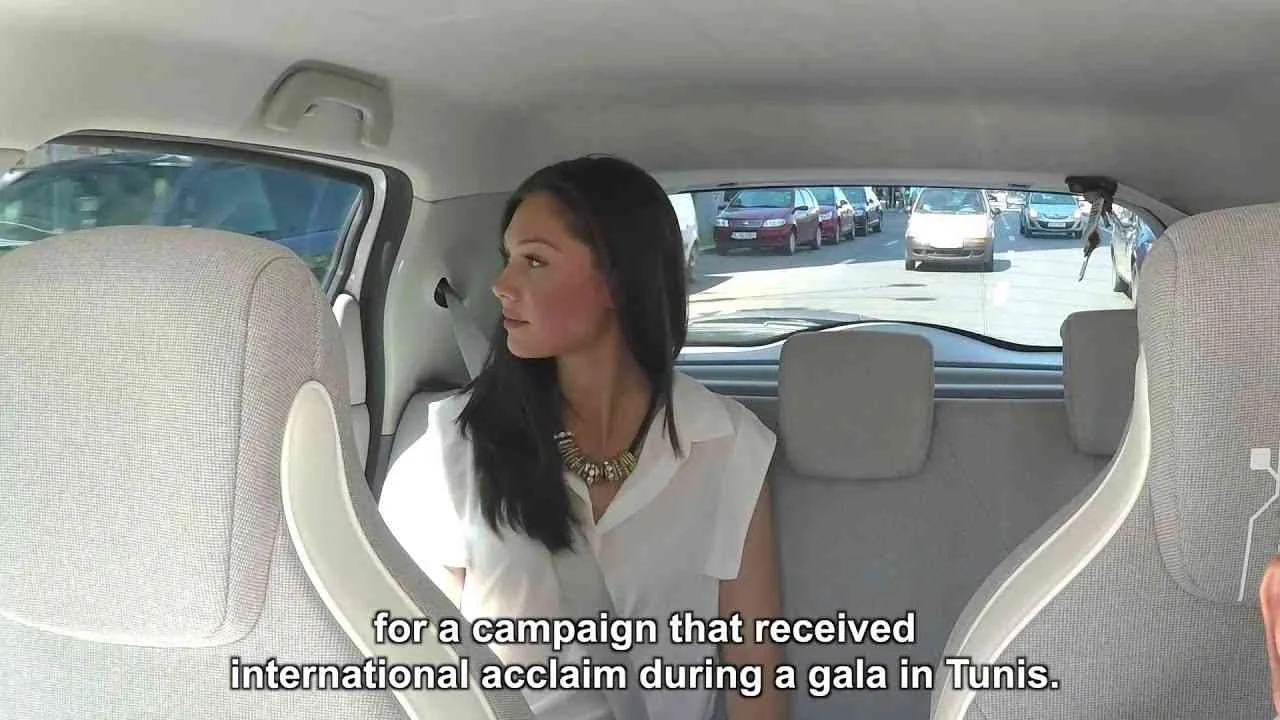
In 2015, Renault Romania partnered with Uber to create an innovative ambient campaign titled Eco-friendly rides, celebrating World Environment Day with a unique experiential activation. The campaign leveraged the rising popularity of Uber in Bucharest and positioned Renault’s all-new 100% electric Zoe as a symbol of eco-conscious driving and reliable sustainability. Central to the campaign was a personalized and engaging passenger experience designed to highlight both the innovative features of the Renault Zoe and the convenience of Uber rides. Renowned radio personality Matei Oprina orchestrated a cleverly scripted radio prank during free Uber rides, where passengers believed they were listening to a regular news segment, only to be surprised by a live update announcing the National Environment Hero award. Each passenger was declared a winner, receiving a diploma printed on special seed paper that could be planted to grow flowers, reinforcing the message of environmental care in a memorable and tangible way. This inventive approach transformed what began as a promotional event for Renault’s electric vehicle into an engaging, interactive reminder of the ongoing need to protect the environment. The campaign not only effectively enhanced brand awareness for Renault Zoe as an eco-friendly automotive choice but also strengthened emotional connections with the audience through a creative blend of entertainment, environmental advocacy, and innovative media use within the ambient space. With its originality and impact, the Eco-friendly rides campaign set a benchmark in automotive marketing in Romania at that time, seamlessly integrating brand values with an inspiring environmental message.
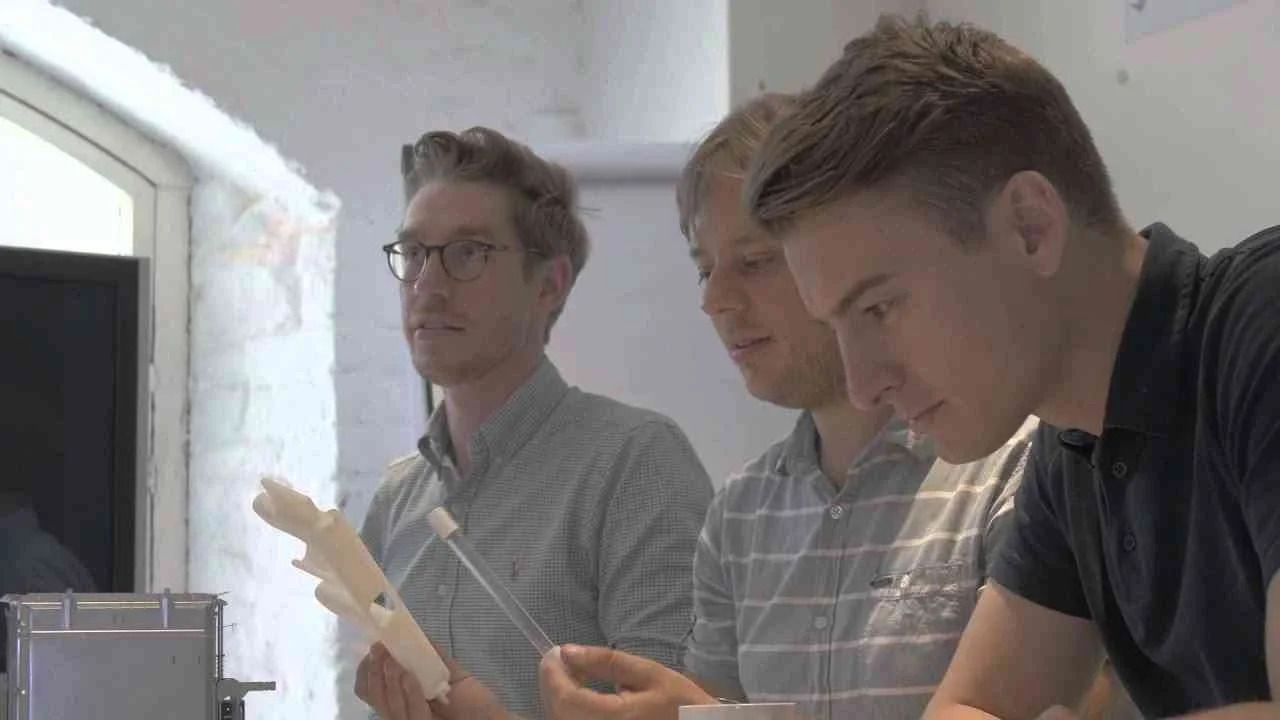
The Green Toaster campaign, launched in South Korea in August 2015 for the brand Gmarket by the ad agency INNORED, presents a creative and impactful approach within the Retail Services industry using Ambient media. This innovative campaign, named the Green Toaster Project, focused on promoting hygienic mobile phone use by introducing a unique concept: sterilizing smartphones in a specially designed "Green Toaster." This clever twist not only captured public attention but also aligned with growing consumer concerns about cleanliness and health in everyday life. With a single media asset, the campaign effectively communicated its core message through engaging visual storytelling that encouraged users to rethink their habits and provided a tangible solution for mobile hygiene. The campaign's language was English, enabling broader accessibility and understanding beyond the domestic market. Garnering over 20,000 views, 26 likes, and sparking conversation with comments, the Green Toaster project leveraged the power of ambient advertising to create meaningful brand engagement and awareness in an often-overlooked aspect of personal care. This campaign creatively positioned Gmarket as an innovative and socially conscious brand that prioritizes consumers' well-being, reinforcing its presence as a forward-thinking leader in retail services. By combining a practical idea with environmental and health-conscious messaging, the Green Toaster campaign successfully bridged product promotion with public service, demonstrating the effectiveness of ambient media to deliver memorable and socially relevant advertising experiences.
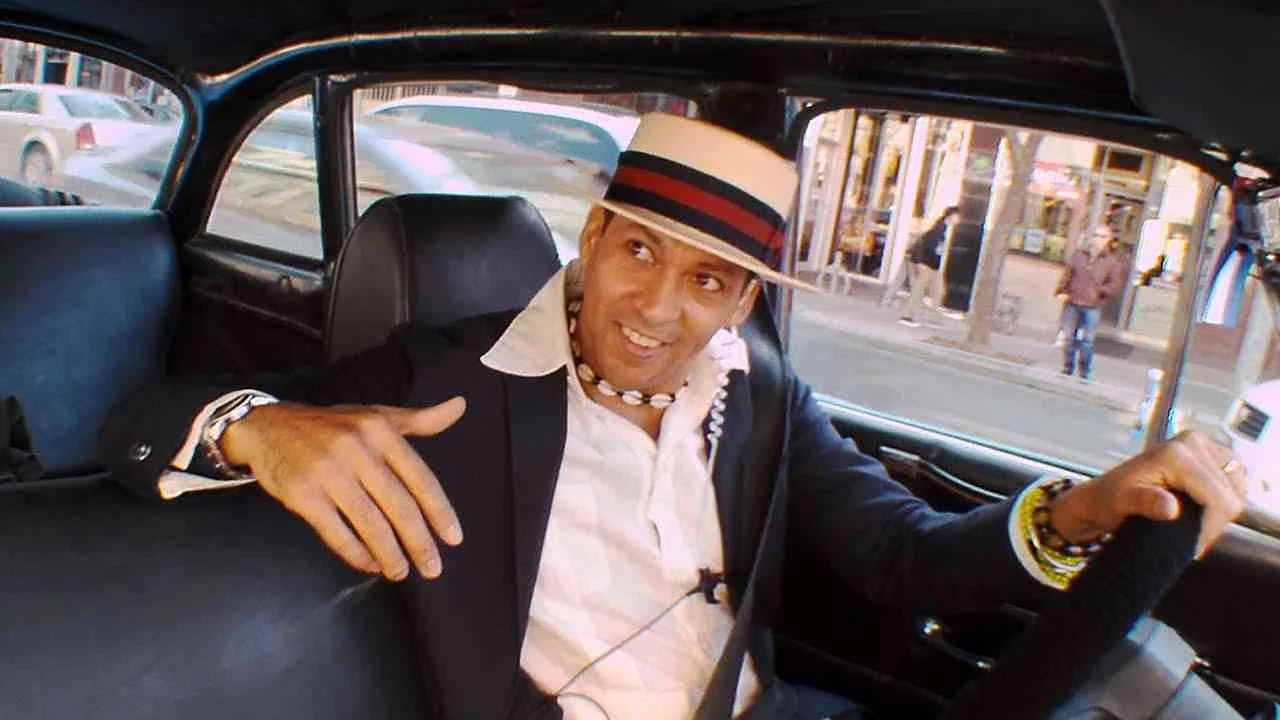
In 2014, Transat Holidays launched an innovative ambient campaign called Cuban Taxi Surprise in Canada, designed to captivate and engage the urban audience in Toronto. Created by the ad agency Dentsu, this campaign featured a cleverly placed Cuban taxi that surprised unsuspecting passengers by offering them all-inclusive vacation tickets to picturesque Cuba. The strategy behind this activation was to create a memorable and authentic brand experience that not only highlighted Transat Holidays' expertise in transporting travelers to exotic destinations but also reinforced its position as Canada’s leading holiday travel airline. Through this immersive approach, the campaign aimed to evoke emotions of excitement and spontaneity associated with holiday travel, encouraging immediate brand interest and positive word-of-mouth. With a focus on genuine interaction, it connected the transport industry’s service element directly to the destination appeal, showcasing the ease and joy of booking a vacation with Transat Holidays. The campaign was supported by broad social media engagement on platforms such as Facebook, Twitter, Instagram, and YouTube, driving viewers to explore more about Air Transat’s diverse destinations and services. The accompanying media asset garnered significant attention with nearly half a million views, hundreds of likes, and dozens of comments, underscoring the strong consumer resonance and digital reach achieved. By combining real-world surprise elements with a robust online presence, the Cuban Taxi Surprise campaign effectively blended offline excitement with online amplification, embodying a strategic and creative milestone in ambient advertising for the brand and the transport industry.
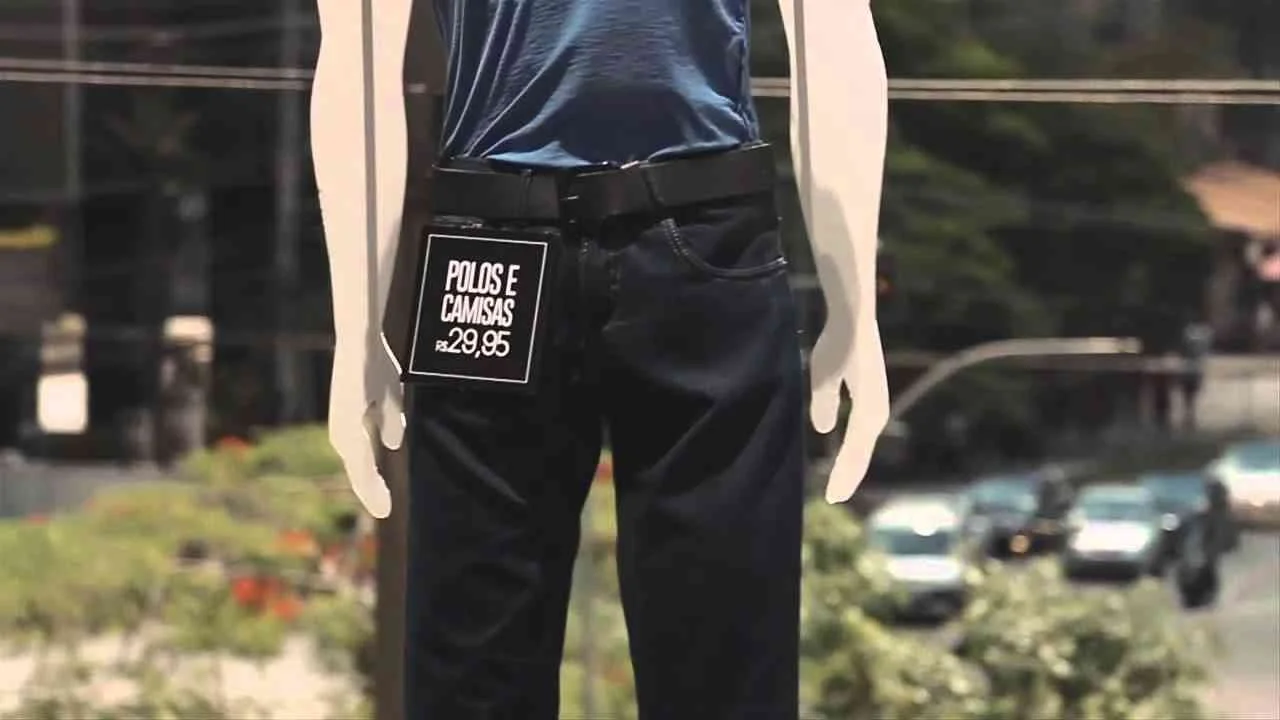
Flying Collection for Black Friday is an innovative ambient campaign launched in Brazil in November 2014 for Colombo, a renowned Brazilian shirt retailer, by the agency Publicis. Targeting busy professionals who often lack the time to visit stores, the campaign cleverly brought Colombo's Black Friday offers directly to their offices, effectively removing the hassle of shopping and making the retail experience seamless and convenient. By taking advantage of ambient advertising in high-traffic business areas, Flying Collection reinforced Colombo's positioning as a customer-centric brand attuned to the needs of its audience. The campaign's creativity lies in its direct engagement strategy, turning an often stressful shopping period into a personalized and efficient experience. With one impactful media asset, the execution captured significant attention, eliciting nearly 192,000 views, 241 likes, and 20 comments, reflecting solid engagement from its target market. Overall, Flying Collection leveraged ambient marketing to amplify Colombo’s Black Friday sales reach, combining strategic insight into consumer behavior with a message that resonated well in the competitive retail services landscape.

Air Canada's "Gift of Home for the Holidays" campaign, launched in the United Kingdom in December 2014 and crafted by JWT, delivers an emotionally compelling message centered on the joy of reuniting with loved ones during the holiday season. Positioned within the transport industry and executed through an ambient medium, the campaign taps into the powerful sentiment of homecoming, offering Canadians living abroad the priceless gift of being together for the festivities. By inviting audiences to witness genuine, heartfelt reactions under the hashtag #ACgiftofhome, Air Canada effectively humanizes its brand, fostering a deep emotional connection that transcends conventional advertising. This approach not only strengthens brand loyalty but also amplifies the brand's promise of bridging distances and making travel experiences more meaningful. The campaign asset, which has garnered over 3.5 million views and sparked significant engagement through 402 comments, leverages social media platforms such as Facebook, Twitter, Instagram, and a dedicated blog to sustain the conversation and extend its reach. Additionally, the availability of content in both English and French underscores Air Canada’s commitment to inclusivity and its multicultural audience. By aligning the brand with the spirit of the holidays, the campaign successfully elevates Air Canada's position as not just a transportation provider but a facilitator of cherished moments and emotional reunions. This tactful blend of storytelling and strategic media placement demonstrates an insightful use of ambient advertising to drive brand awareness and create lasting emotional resonance with consumers at a pivotal time of year.
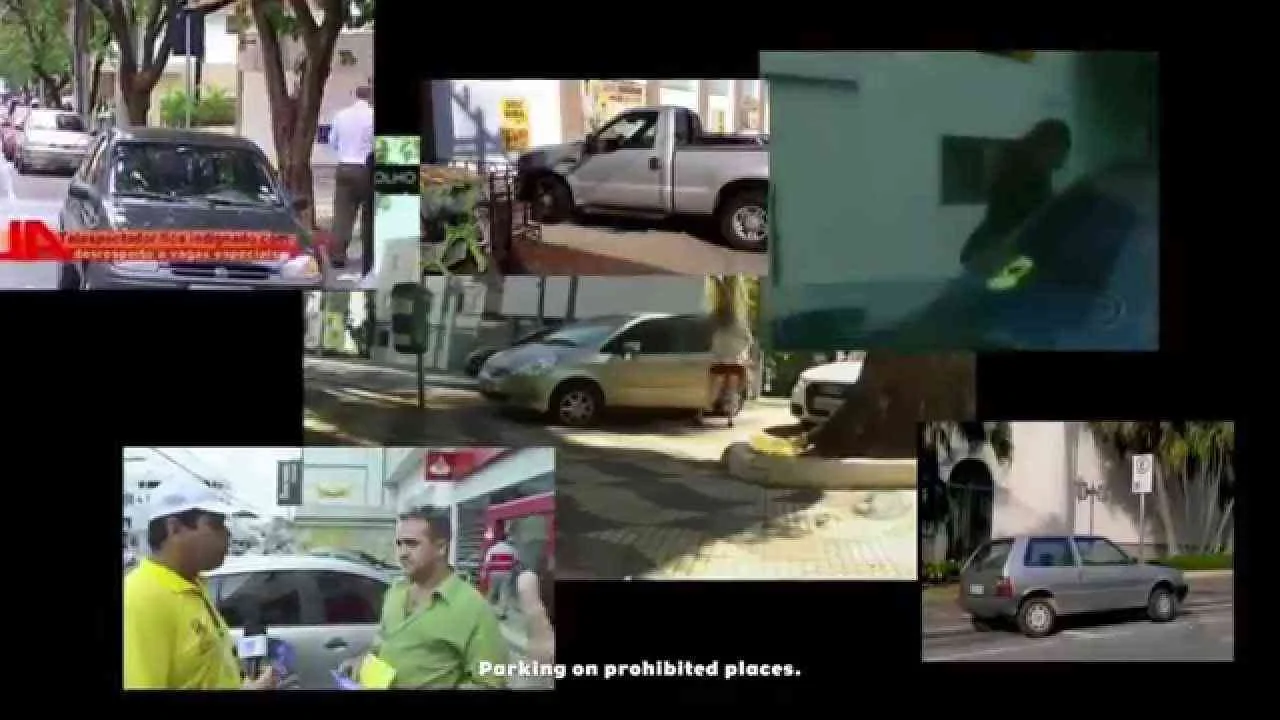
The Honest Sticker campaign, launched in Brazil in December 2014 for Santa Casa de Misericórdia by JWT, employed an innovative Ambient advertising approach to deliver a powerful message in the Public Interest sector. This campaign creatively utilized a simple yet impactful medium—stickers—to engage the public in a meaningful dialogue about honesty and integrity within healthcare services. By placing these stickers in strategic locations, the campaign aimed to foster transparency and trust between patients and healthcare providers, highlighting the importance of ethical behavior in medical environments. Its design and execution harnessed the everyday interactions of people within the city of Porto Alegre, making the message not only visible but also relatable and thought-provoking. Through this subtle yet effective intervention, Honest Sticker sought to raise awareness about institutional accountability and encourage a culture of openness and responsibility. The campaign's ambient nature allowed it to seamlessly blend into the urban landscape, extending its reach beyond conventional advertising spaces and inviting spontaneous engagement from a diverse audience. With a professional and culturally resonant concept, the campaign resonated with viewers, as reflected in its measured social interactions, including over a thousand views and positive engagement, marking it as a notable contribution to social messaging in the region. Ultimately, Honest Sticker exemplified how creative advertising strategies could drive meaningful conversations and promote public welfare, reinforcing Santa Casa de Misericórdia’s commitment to community trust and healthcare excellence.
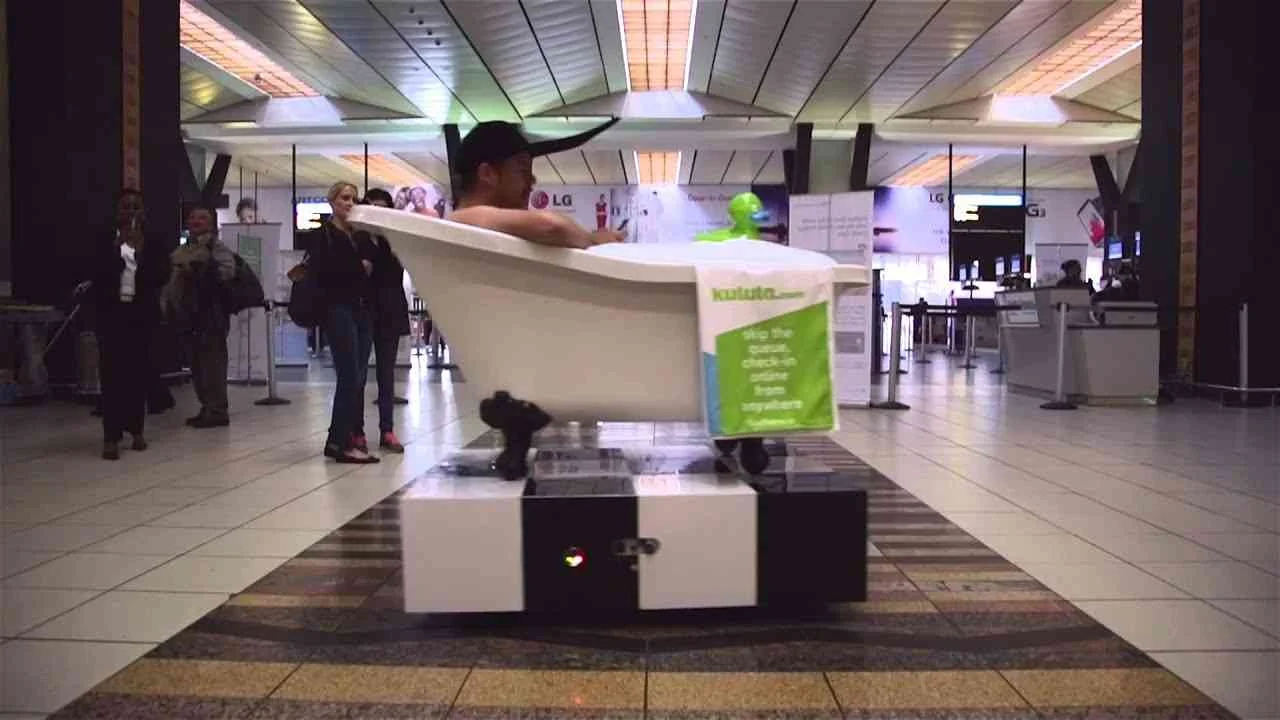
In a strategic move to enhance customer convenience, kulula.com launched the campaign Online check-in just got better in South Africa in 2014, developed by the ad agency King James. This Ambient media campaign, rooted in the transport industry, highlighted the brand’s innovative online check-in service designed to empower travelers by allowing them to check in from anywhere, eliminating the need to wait in queues or leave the comfort of their home. The campaign’s core message emphasized ease and self-service, captured effectively with the hashtag #selfservice, encouraging users to take control of their travel experience. By leveraging a single impactful media asset, the campaign communicated a seamless digital solution catering to a tech-savvy audience seeking efficiency and flexibility in travel planning. The content resonated well with viewers, amassing over 168,000 views and earning positive engagement through likes and comments, indicating strong consumer interest and approval of kulula.com’s enhanced service. This campaign strategically positioned kulula.com as a forward-thinking brand dedicated to simplifying the travel process, enhancing customer satisfaction, and driving brand loyalty by integrating convenience and technology in airline services.

Fading Portraits is a powerful Ambient campaign launched in Germany in October 2014 for Amnesty International by the ad agency Preuss und Preuss, designed to raise awareness within the Public Interest sector. This campaign creatively utilizes ambient media to engage the audience emotionally by highlighting the often invisible suffering and fading identities of victims of human rights violations. Through a compelling visual approach captured in a single media asset, the campaign delivers a strong narrative that invites viewers to reconsider the urgency of justice and human dignity. The use of fading portraits as a central motif symbolizes the erasure and neglect experienced by those whose stories are overlooked or silenced. The campaign’s presentation in the German language and the focused deployment in an ambient environment demonstrates a strategic intent to create a profound, memorable impact on local audiences, encouraging reflection and action. Garnering over 5,400 views, along with positive engagement in the form of likes and comments, Fading Portraits effectively leverages creative storytelling to foster empathy and support Amnesty International’s mission. The campaign’s online case film further amplifies its message by providing deeper insight into the concept and execution, available on the creative agency’s website. Overall, Fading Portraits exemplifies how ambient advertising can be used with subtlety and artistic sensitivity to provoke social consciousness and promote human rights advocacy in a meaningful, lasting way.
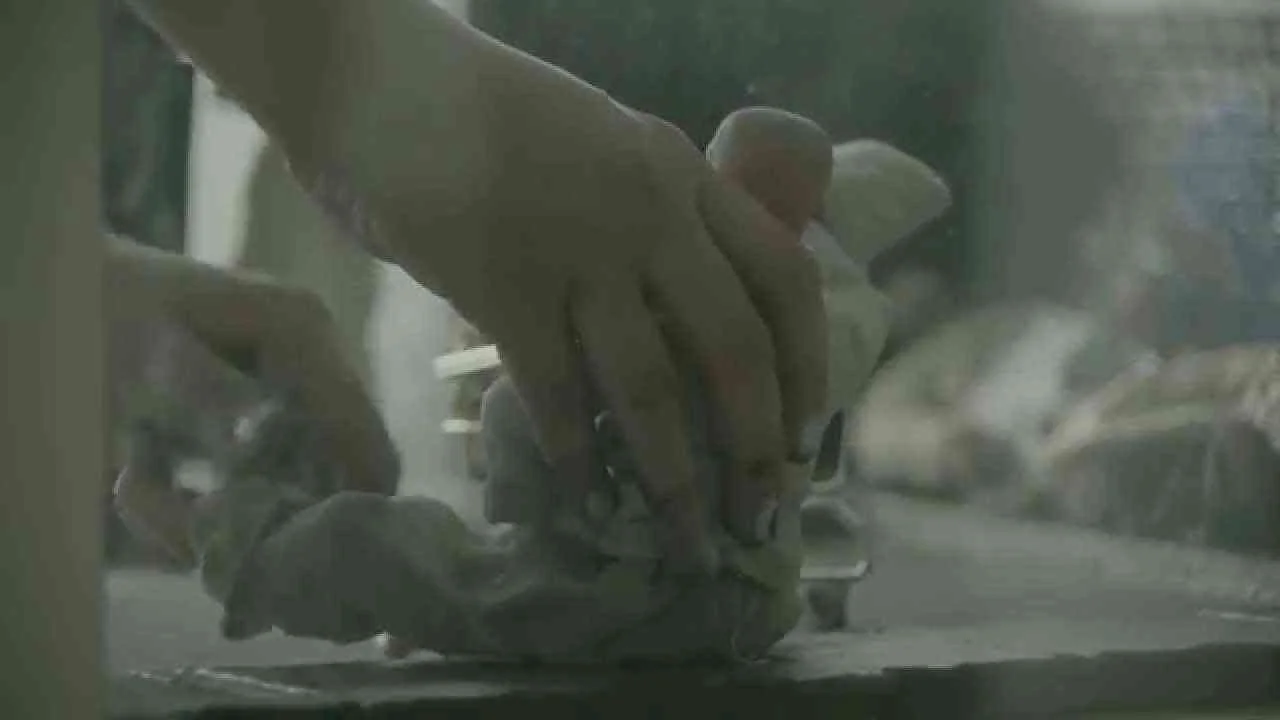
La campaña "Grúa de la Calle", lanzada en Chile en noviembre de 2014 para la Fundación Gente de la Calle y creada por la agencia Pedro Juan y Diego, utiliza el medio ambient para generar conciencia pública sobre la difícil situación de más de 12,000 personas que viven en situación de calle. En conmemoración del Día de las Personas en Situación de Calle, el 28 de noviembre se llevó a cabo una acción impactante llamada "La Grúa de la Calle", diseñada para captar la atención de la sociedad y sensibilizar sobre esta problemática social urgente. La campaña aprovecha un enfoque visual y experiencial para conectar emocionalmente con la audiencia, invitando a reflexionar sobre la realidad de las personas sin hogar y su necesidad de apoyo y protección. Con una sola pieza audiovisual como activo mediático, la iniciativa moviliza al público a informarse más visitando el sitio web de la Fundación y a seguir sus redes sociales para continuar la conversación y fomentar la participación comunitaria. Con 26,797 visualizaciones, 109 “me gusta” y 13 comentarios, esta campaña obtuvo un reconocimiento significativo dentro del ámbito público, generando un espacio de diálogo y acción en torno a un tema socialmente relevante. Su estrategia de comunicación combina sensibilización, interacción digital y presencia física en el espacio urbano, logrando un poderoso mensaje que trasciende el medio y resalta el compromiso de la Fundación con mejorar las condiciones de vida de las personas en situación de calle en Chile.
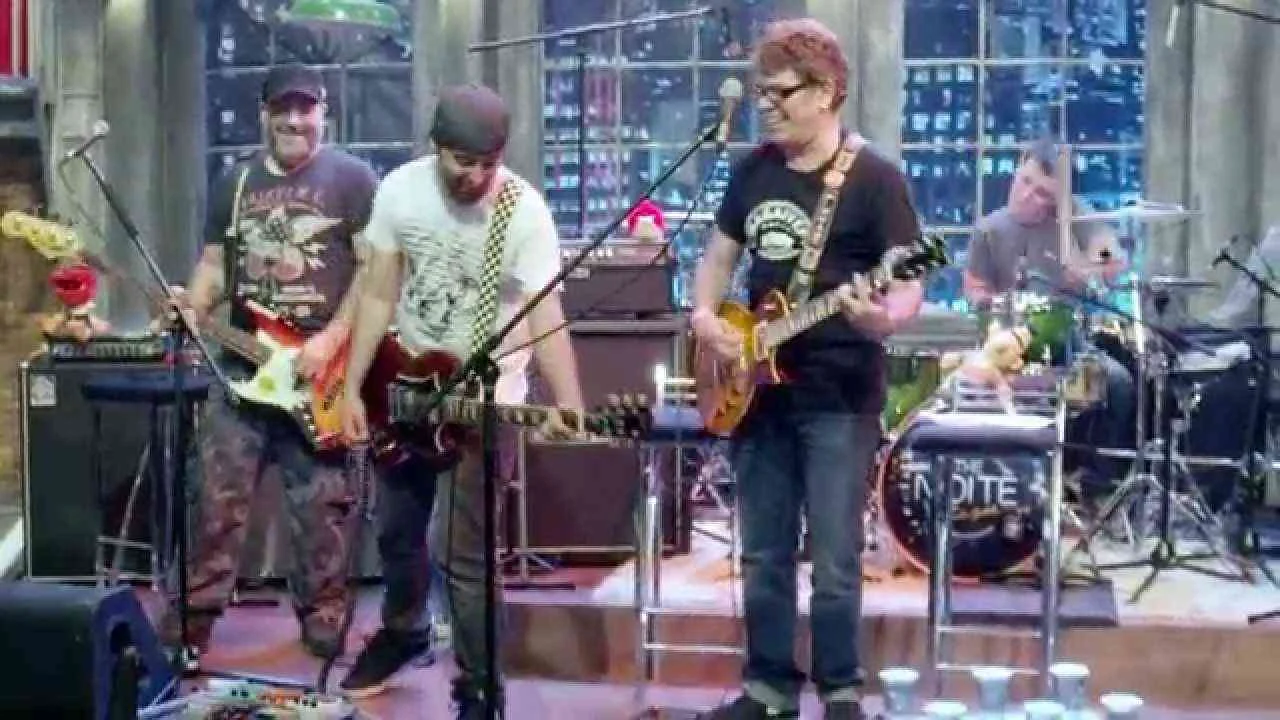
Launched in Brazil in December 2014, the campaign A poster 3 times more surprising for Mentos, crafted by the renowned ad agency BBH, brilliantly leveraged ambient media to engage consumers in the confectionery and snacks sector. This campaign creatively illustrated how significant surprises can emerge from seemingly small opportunities, aligning perfectly with Mentos’ playful and unexpected brand persona. The central piece—a single media asset—captured attention through its innovative use of space and messaging, delivering a memorable visual impact that resonated with the target audience by emphasizing the element of surprise. The campaign’s effectiveness was demonstrated through its ability to generate engagement and curiosity, amassing thousands of views and sparking appreciation in social channels despite minimal direct commentary. By utilizing ambient advertising, the campaign seamlessly integrated into everyday environments, encouraging consumers to connect with the brand in a natural and intriguing way. This approach not only reinforced Mentos’ identity as a brand that delights in unexpected moments but also set a new standard in the confectionery category for how smaller-scale activations can deliver outsized emotional and brand value. Through clever creative strategy and precise execution, A poster 3 times more surprising successfully communicated the idea that remarkable experiences often stem from humble beginnings, strengthening consumer affinity and recall for Mentos in a competitive market.
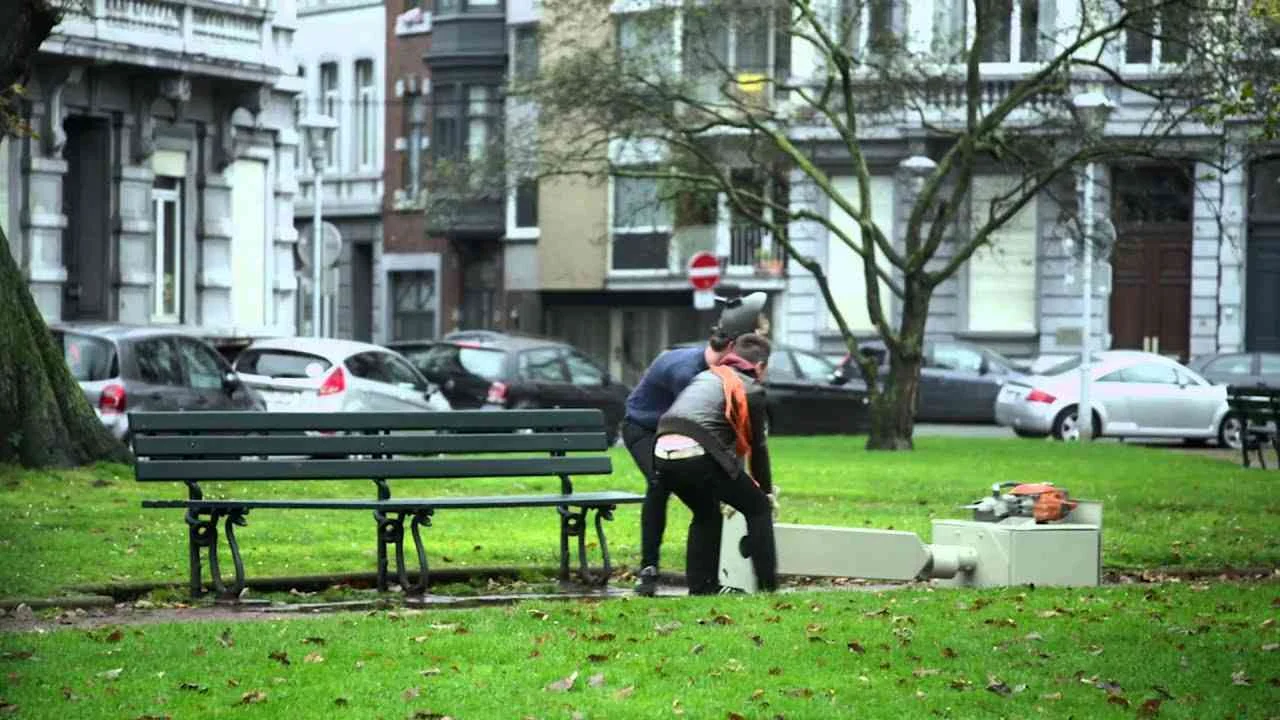
In December 2014, Red Market launched an innovative and engaging campaign in Belgium called Flash marathon - stealing speed camera, crafted by the ad agency Gutz and Glory. This ambient campaign, belonging to the Retail Services industry, cleverly combined physical activity with retail incentives, attracting around 1,200 participants to race for discounts. The faster the participants ran, the greater their discounts, creating an energetic and competitive environment that effectively drove customer engagement and brand interaction. Utilizing a unique concept that merged speed, fun, and rewards, the campaign tapped into consumers' desire for excitement and instant gratification, encouraging them to actively participate rather than passively receive promotions. With a single dynamic media asset showcasing the event, this campaign successfully captured attention both on the ground and online, evidenced by its substantial views and positive audience reception. The campaign's creativity highlights the power of ambient advertising in retail, demonstrating how experiential marketing can forge strong, memorable connections while promoting sales. By turning a routine shopping discount into a thrilling speed marathon, Red Market distinguished itself in a crowded market, creating buzz and fostering brand loyalty through physical participation and real-time reward. This campaign effectively bridged the gap between digital content and physical consumer experience, illustrating the potential for integrated marketing strategies to amplify brand messaging and customer interaction. Watch the campaign video online to witness how the combination of speed and discounts energized participants and delivered a fresh retail promotion concept that still resonates with creative marketers today.
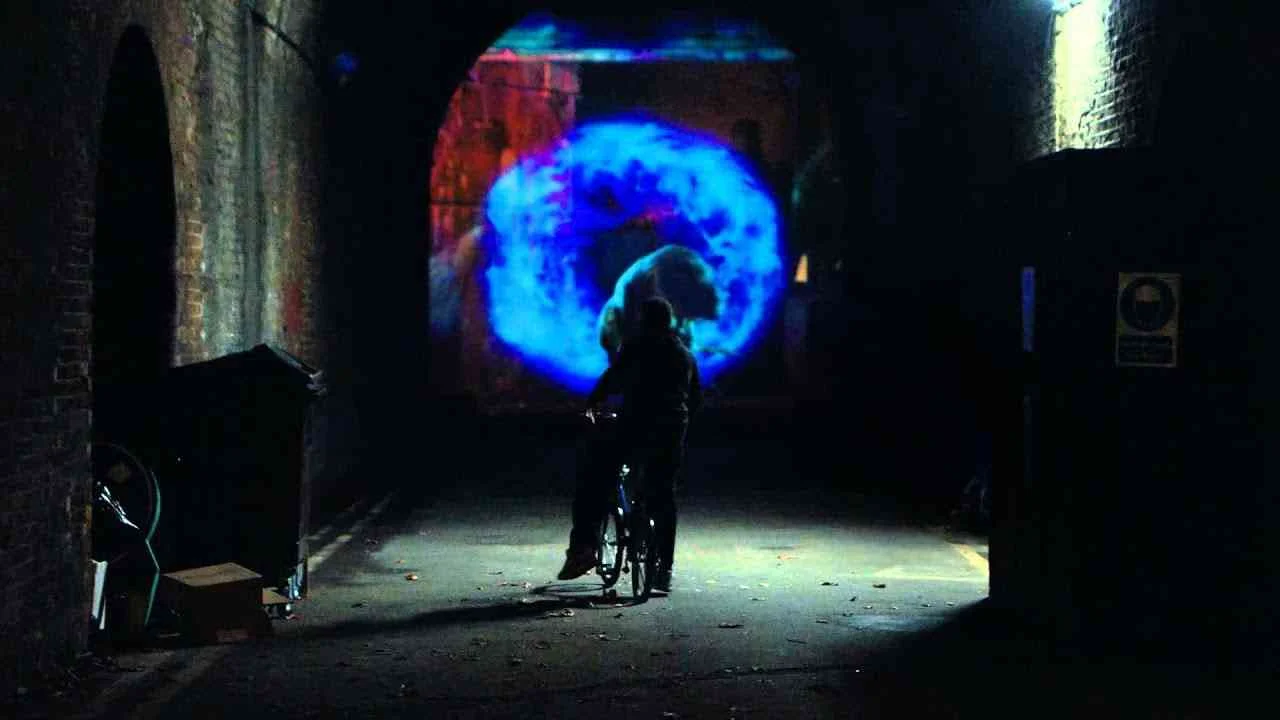
Pepsi's Time Tunnel campaign, launched in the United Kingdom in December 2014, represents a striking example of Ambient advertising within the non-alcoholic drinks industry. Crafted by the acclaimed agency BBDO, this campaign leverages innovative, immersive environments to create a unique brand experience that captivates and engages its audience. By utilizing the concept of a "time tunnel," the campaign cleverly evokes nostalgia while positioning Pepsi as a timeless and culturally relevant beverage. The strategic use of ambient media ensures that the brand message is delivered in unexpected, memorable contexts, enhancing consumer connection beyond traditional advertising formats. This approach not only strengthens brand recall but also fosters a deeper emotional bond with viewers. With over 13,000 views and positive engagement metrics, Pepsi's Time Tunnel exemplifies how creative storytelling and experiential marketing can effectively resonate within competitive market spaces. The campaign’s clean execution and impactful presence reinforce Pepsi’s identity as an innovative leader in the beverage sector, successfully blending modern marketing techniques with classic brand values to attract a diverse consumer base.
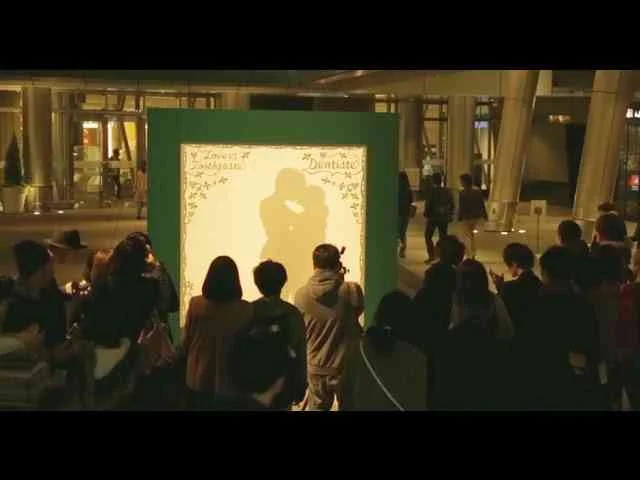
In 2014, ADK created an innovative ambient campaign for Dentiste', a brand specializing in oral care, titled Kissing Silhouette Booth, launched in Japan at the iconic Roppongi Hills. This campaign was designed to emotionally engage couples by enhancing romantic moments through an immersive experience. The Kissing Silhouette Booth invited couples to step inside and share a kiss, which was then captured as a striking silhouette projected for them to see. This unique installation not only created a memorable keepsake by gifting participants with a commemorative photo of their special moment but also reinforced Dentiste's core message of confidence in fresh breath and oral hygiene. By aligning the product’s promise of effective odor masking and prevention with a tangible, joyful interaction, the campaign effectively communicated the brand’s benefit in a way that was both intimate and visually appealing. Integrating health with human connection, the booth served as a powerful reminder that with Dentiste’, anyone can be ready to express love with fresh breath anytime. This approach skillfully combined ambient advertising with brand storytelling, capturing attention in a public space and fostering organic social sharing. The campaign’s media asset has garnered considerable engagement, reflecting audience appreciation and interest, highlighting Dentiste’s positioning as a brand that supports authentic, confident expressions of love through oral health innovation.
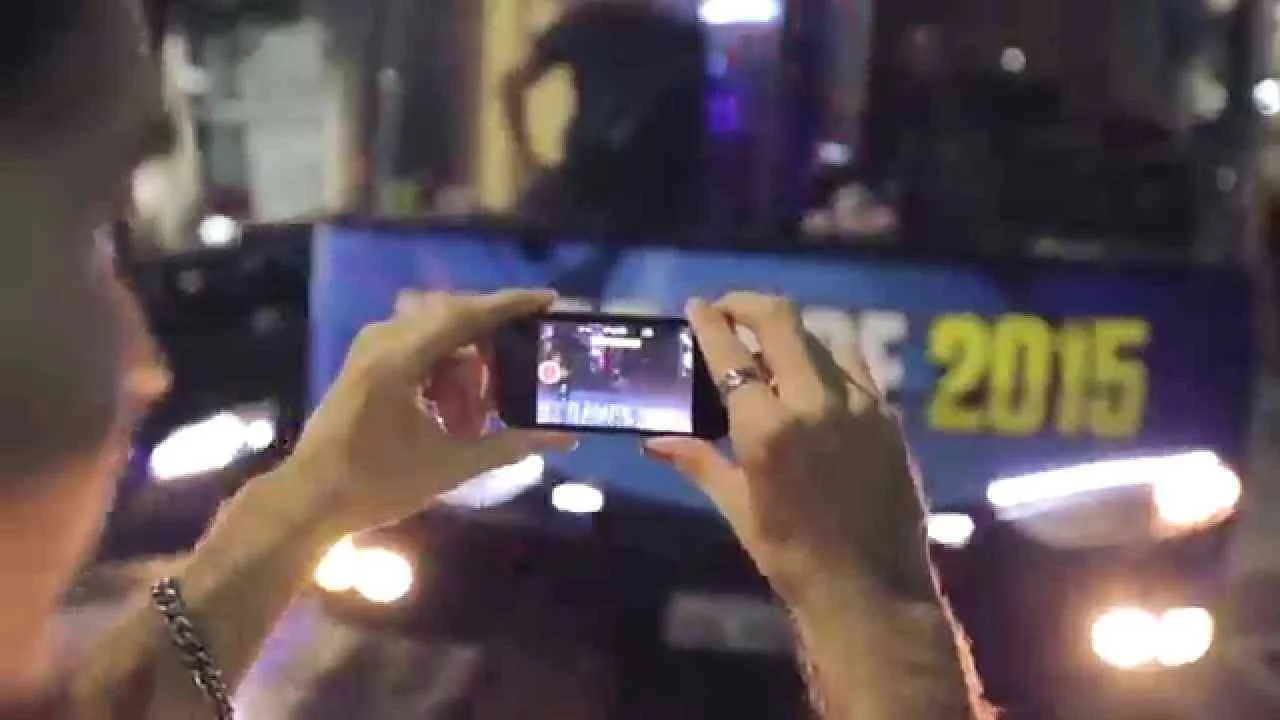
Bus Party was a dynamic and immersive ambient campaign launched in Brazil in November 2014 by Ubisoft in collaboration with the ad agency Hurra to promote Just Dance 2015. Designed to engage the vibrant urban population of Sao Paulo, this campaign transformed public transportation into a lively dance experience by hosting sixteen nights of themed parties onboard a specially outfitted bus. This innovative use of ambient media blurred the lines between advertising and entertainment, inviting participants and onlookers alike to become part of an interactive celebration that showcased the energetic and social nature of the Just Dance franchise. By leveraging a mobile and highly visible platform, the campaign successfully captured attention in a bustling city environment, creating memorable brand touchpoints outside traditional advertising spaces. Although primarily targeting gamers and dance enthusiasts, the campaign’s appeal extended to a broader audience by turning a routine commute into a festive event, thereby driving awareness and excitement around Just Dance 2015. With its unique approach that integrated lifestyle and gaming culture, Bus Party exemplified how experiential marketing can amplify brand messages in urban settings, reinforcing Ubisoft’s position as an innovator within the gaming industry. The campaign’s reach was supported by one media asset, garnering over 3,000 views and achieving positive engagement, reflecting its impact in connecting with consumers through a joyful and unexpected medium. This creative initiative highlighted the power of combining entertainment and advertising to foster direct emotional connections and community participation around a global gaming brand.

In December 2014, Coca-Cola collaborated with ad agency Biborg to launch the captivating ambient campaign Incredible dance experience at Piccadilly Circus in the United Kingdom. This campaign creatively merged the excitement of brand engagement with the dynamic energy of public participation, set against the iconic backdrop of London’s Piccadilly Circus. The event featured an unexpected dance flash mob that encouraged the crowd to join in and celebrate together, powered by the popular Just Dance Now app. By seamlessly integrating the Just Dance Now interactive experience with Coca-Cola’s refreshing, non-alcoholic beverage positioning, the campaign generated a vibrant and memorable moment of collective joy and movement. The use of social media amplification through the hashtag #JustDanceNow, alongside clear calls to action to download the app from Google Play and the Apple Store, drove digital engagement beyond the physical event. With nearly 700,000 views, over 20,000 likes, and hundreds of comments, the campaign successfully connected Coca-Cola’s brand values of happiness and sharing with a youthful, interactive audience. This immersive approach not only elevated brand relevance in a competitive market but also fostered a sense of community around a shared, joyous experience. The Incredible dance experience at Piccadilly Circus stands as a powerful example of how ambient advertising, when combined with digital interaction, can create authentic consumer connections and lasting brand impressions within the non-alcoholic drinks sector.

Renault
Ambient
2015
Gmarket
Ambient
2015
Transat Holidays
Ambient
2014
Colombo
Ambient
2014
Air Canada
Ambient
2014
Santa Casa de Misericórdia
Ambient
2014
kulula.com
Ambient
2014
Amnesty International
Ambient
2014
Gente de la Calle Foundation
Ambient
2014
Mentos
Ambient
2014
Red Market
Ambient
2014
Pepsi
Ambient
2014
Dentiste'
Ambient
2014
Ubisoft
Ambient
2014
Coca-Cola
Ambient
2014


Clapboard at a Glance – A Video-First Creative EcosystemAt its core, Clapboard is a video-first creative platform and creative services marketplace that supports end-to-end production. It is built specifically for advertising, branded content, and film—where stakes are high, teams are complex, and outcomes need to be predictable.Traditional platforms treat creative work as isolated tasks. Clapboard is designed as an ecosystem: a managed marketplace where discovery, collaboration, production workflows, and delivery coexist in one environment. This structure better reflects the reality of modern creative production, where strategy, creative, production, post-production, and performance are tightly interlinked.As an advertising and film production platform, Clapboard supports:Brand campaigns and integrated advertisingBranded content and social videoProduct, launch, and explainer videosFilm, episodic content, and long-form storytellingInstead of forcing marketers or producers to choose between agencies, in-house teams, or scattered freelancers, Clapboard operates as a hybrid ecosystem. It combines a curated talent marketplace, managed creative services, and an AI + automation layer that accelerates workflows while preserving creative judgment.In other words: Clapboard is infrastructure for modern creative production, not just another place to post a brief. The Problem Clapboard Solves in Modern Creative ProductionThe creative industry has evolved faster than its infrastructure. Media channels have multiplied, content volume has exploded, and expectations for speed and personalization keep rising. Yet most systems for hiring creatives, running campaigns, and producing video remain stuck in legacy models.Clapboard exists to address four core creative production challenges that consistently slow down serious marketing and storytelling work.Fragmentation Between Freelancers, Agencies, and Production HousesCreative production today is fragmented acro
The Problem for Marketers & Brand TeamsFinding Reliable Creative Talent Is Slow and UncertainFor marketers and brand teams, the first visible friction is simply trying to hire creative talent that can consistently deliver. The internet is full of portfolios, reels, and profiles. Yet discovering reliable advertising creatives remains slow and uncertain.Discovery itself takes time. Marketers scroll through platforms, ask for referrals, post briefs, and sift through applications. Even with sophisticated search filters, there is no simple way to understand who has the right experience, who works well in teams, or who can operate at the pace and rigor modern campaigns demand.Quality is inconsistent, not because talent is lacking, but because the context around that talent is missing. A beautiful case study says little about how smoothly the project ran, how many revisions it required, or how the creative collaboration actually felt. Past work is not a guaranteed indicator of future delivery, especially when that work was produced under different conditions, with different teammates, or with heavy agency support in the background.Marketers are forced to rely on proxies—visual polish, brand logos on portfolios, testimonials written once in a different context. These signals are weak predictors when you need a specific output, at a specific quality level, with clear constraints on time and budget.The reality is that most marketing leaders don’t just need to hire creative talent. They need access to reliable creative teams that can handle complex scopes and adapt to evolving briefs. Yet the market still presents talent as individuals, leaving brand teams to stitch together their own ad hoc groups with uncertain outcomes.Traditional Agencies Are Expensive, Slow, and OpaqueIn response to this uncertainty, many marketers fall back on traditional agencies. Agencies promise full-service coverage: strategy, creative, production, and account management under one roof. But READ FULL ARTICLE

Video Is No Longer “One Service” — It Is the Spine of Brand CommunicationHistorically, “video” appeared as a single line in a scope of work or rate card: one of many services alongside design, copywriting, or social media management. That framing is now obsolete.Today, a single film can power an entire video content ecosystem:A hero brand film becomes TV, OTT, and digital ads.Those ads are cut down into short-form social content, stories, and reels.Behind-the-scenes footage becomes recruitment films and culture assets.Still frames pulled from footage become campaign photography.Scripts and narratives are re-used across web, CRM, and sales decks.Integrated video campaigns are now the default. Brand teams increasingly build backwards from a core film concept: first define what the main piece of video must achieve, then derive all other forms from that spine.In this model, video influences how the brand is perceived at every touchpoint. The look, sound, and rhythm of the film define what “on-brand” means. Visual identity systems, tone of voice, and even product storytelling often follow decisions first made in video.Thinking of video as a single deliverable hides its true role: it is the structural backbone of brand communication, not just another asset. How Most Marketplaces Get Video WrongVideo Treated as a Line Item, Not a SystemMost freelance and creative marketplaces were not built for video. They were originally optimized for graphic design, static content, or one-to-one gigs. Video was added later as another category in a long list of services.That leads to predictable freelance marketplace limitations when it comes to film and content production:“Video” buried in service menusVideo is often just one checkbox among dozens. There is little recognition that an ad film is fundamentally different from a logo design or blog post in terms of complexity, risk, and orchestration.Same workflow assumed for design, copy, and filmMost platforms apply the same chatREAD FULL ARTICLE

What “Human + Agent Orchestration” Means at ClapboardClapboard is built on a simple but important shift in mental model: stop thinking in terms of “features” and “tools,” and start thinking in terms of teams and pipelines.In this model, AI agents and humans work as one system. Every project is a flow of decisions and tasks. The question at each step is: Who is the right entity to handle this—human or agent—and when?This is what we mean by AI agent orchestration:Tasks are routed to the right actor at the right moment—sometimes a specialized agent, sometimes a producer, sometimes a creative director.Agents handle the structured, repeatable, data-heavy work, such as breakdowns, metadata, estimation, and workflow automation.Humans handle the subjective, contextual, and relational work, such as direction, negotiation, and final calls.Clapboard is the conductor of this system. Rather than being “an AI tool,” it functions as a creative operating system that coordinates human and agent participation end-to-end—from idea and script all the way to production and post.In practice, that means:Every brief, script, or campaign that enters Clapboard is immediately interpreted by agents for structure and intent.Those interpretations inform cost ranges, team shapes, timelines, and risk signals.Humans see the right information at the right time to make better decisions, instead of digging through fragmented files and messages.Workflow automations, powered by platforms like Make.com and n8n, take over the repetitive coordination so producers and creatives can stay focused on the work.Human + agent orchestration at Clapboard is not about cherry-picking tasks to “AI-ify.” It’s about designing the entire creative pipeline so that humans and agents function as a super-team. What AI Agents Handle on ClapboardOn Clapboard, AI agents are not generic chatbots; they are embedded workers with specific responsibilities across the creative lifecycREAD FULL ARTICLE

Why Traditional Freelance Marketplaces Fall Short for Creative ProductionTraditional freelance platforms were built around the gig economy, not around creative production. That distinction matters. Production is not “a series of tasks” — it is a pipeline where every decision upstream affects what’s possible downstream.Most of the common problems with freelance platforms in creative work come from this structural mismatch.Built for transactional gigs, not collaborative projectsGig platforms are optimised for one-to-one engagements: a logo, a banner, an edit, a script. They assume work is atomised and independent. But film and video production is collaborative by default: strategy, creative, pre-production, production, and post are all tightly connected.On generalist marketplaces, you typically have to:Source each role separately (director, editor, animator, colorist, etc.)Manually manage handovers between freelancersResolve conflicts in style, timelines, and expectations yourselfThe result is friction and inconsistency. What looks like a saving on day rates turns into higher project cost in coordination, rework, and lost time.Individual-first, not team-firstThe core unit on most freelance sites is the individual freelancer. That works for isolated tasks; it breaks for productions that require cohesive creative direction, shared context, and aligned standards.Individual-first systems create gig economy limitations for creatives and clients alike:Freelancers are incentivised to optimise for their own scope, not the entire project outcomeClients must “play producer” without internal production expertiseThere is no reliable way to hire intact, proven teams that already collaborate wellCreative production works best when you build creative teams, not disconnected individuals. Team dynamics and shared history matter as much as individual portfolios.Little accountability beyond task completionTypical freelance marketplaces define success as task delivery: the file was uploaREAD FULL ARTICLE