- HOME
- FOR CLIENTS
- FOR FREELANCERS
- LOGIN
BLOG
New user? Create account
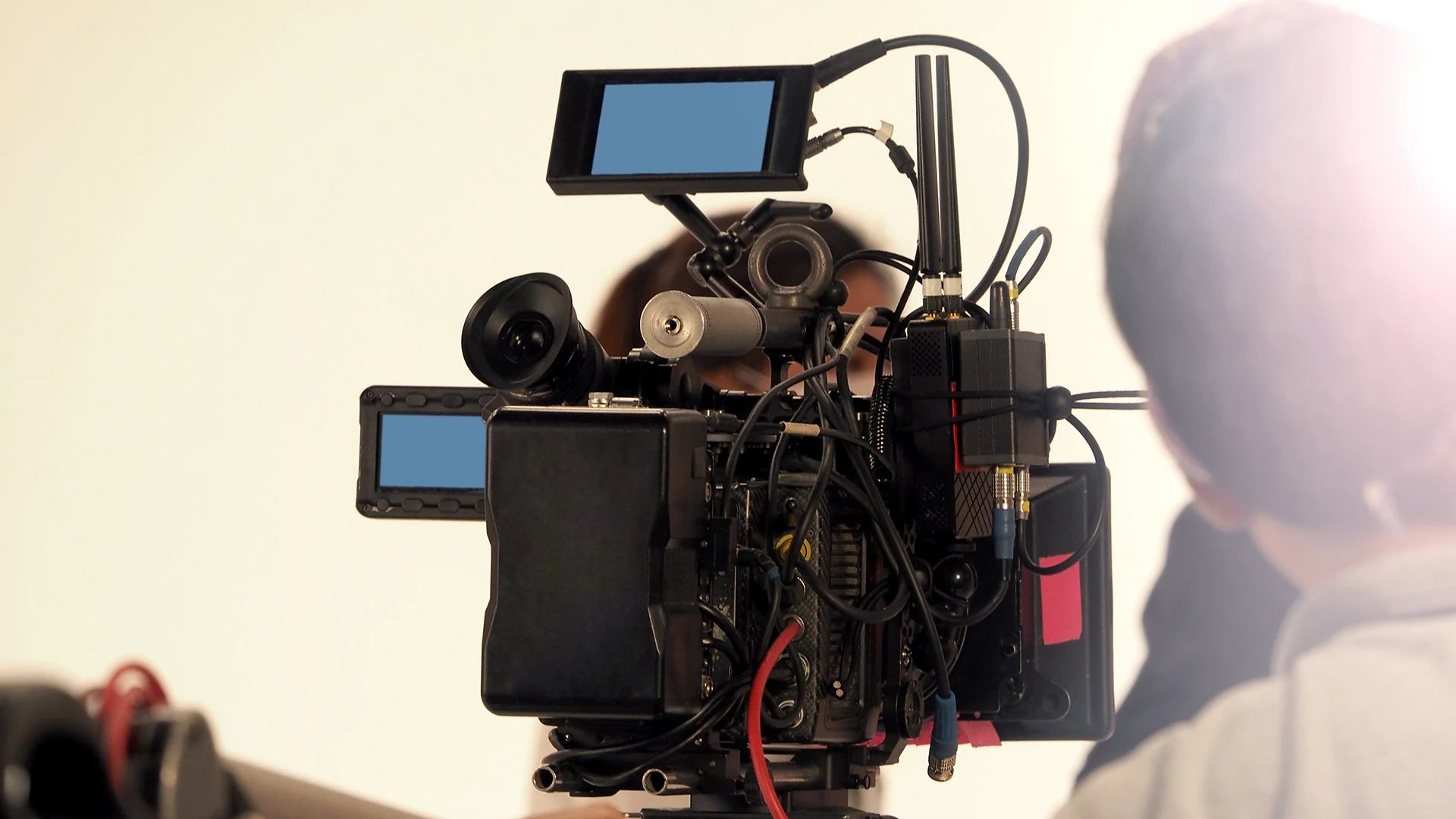



Cinematography jobs online have shifted from niche listings to a dynamic, borderless marketplace. The old model—relying on word-of-mouth, agency rosters, or in-person networking—has been upended by digital platforms that connect directors, producers, and clients with cinematographers worldwide. This isn’t just about convenience; it’s a structural change in how visual storytellers are sourced, vetted, and hired.
Online platforms have flattened the playing field. Today, a cinematographer’s reel is as accessible in Mumbai as it is in Manhattan. Digital film careers now start, and sometimes thrive, without ever setting foot in a traditional production office. The hiring process is faster, more transparent, and increasingly driven by portfolios and remote interviews rather than just reputation or proximity.
The digital shift demands more than technical camera knowledge. Cinematographers must now demonstrate fluency in remote collaboration tools, cloud-based workflows, and digital asset management. Being able to light and shoot for streaming platforms, manage color pipelines remotely, or adapt to virtual production environments is no longer a bonus—it’s expected. Client briefs arrive digitally, revisions happen in real time, and deliverables are often uploaded before the set even wraps.
Remote film jobs have expanded the definition of what it means to be “on set.” Geographic flexibility is both a gift and a challenge. Cinematographers can pitch for projects across continents, but they’re now competing with talent from every time zone. The upside: online cinematographer opportunities range from branded content for startups in Berlin to narrative shorts for Los Angeles festivals, all accessible from a home studio. The downside: the bar for both creative and digital skills rises as the talent pool grows.
For those who can navigate this environment—balancing craft with digital fluency—the landscape of cinematography jobs online isn’t just larger. It’s evolving, and the most adaptable will shape its next chapter.
The search for cinematography jobs online starts with understanding where the real work gets posted. Mainstream creative job platforms—think the massive boards that aggregate everything from agency gigs to indie shorts—offer volume but often lack specificity. These sites cast a wide net, listing everything from entry-level camera assistant roles to high-end commercial shoots. For those seeking volume and variety, they’re a decent starting point, but expect to wade through noise and inconsistent vetting.
Niche film job boards and freelance cinematographer platforms, on the other hand, are curated for our world. Here, you’ll find postings from production companies, agencies, and directors who know what a gaffer does and won’t ask you to “bring your own camera for exposure.” These platforms tend to attract better-defined projects and more serious clients, but competition is tighter and jobs are often filled quickly. Pay rates are generally higher, reflecting the expertise required.
Freelance video jobs dominate most online listings. These range from one-day shoots to multi-week campaigns, with pay scales that swing wildly based on the client’s sophistication and the platform’s reputation. Freelance-focused platforms move fast—great for building a reel or filling gaps, less ideal if you’re seeking stability or long-term creative investment. Staff roles, while rarer, do appear on select creative job platforms. These positions offer structure, benefits, and a seat at the table for bigger projects, but expect a more rigorous vetting process and fewer openings.
The best sites for cinematography jobs aren’t universal—they’re contextual. Early-career cinematographers often benefit from broad, high-traffic boards to build credits and contacts. Mid-career professionals should target niche platforms with higher barriers to entry and better pay. Seasoned DPs, especially those with narrative or commercial pedigree, find more value in invitation-only boards or direct referrals, often bypassing public postings entirely.
International versus local work is another axis to consider. Some platforms specialize in local crew calls, while others facilitate remote collaborations or travel gigs. Vetting processes vary: some sites require reel reviews and references, others are open to anyone with a camera and ambition. Choose with intent—platform selection shapes not only your job pipeline, but your reputation and future opportunities in this business.
Your cinematographer online profile is your calling card—every frame, every project, every line of copy needs to earn its place. The portfolio is not a dumping ground for every gig you’ve shot. Instead, curate tightly. Limit your examples to no more than nine, each with a bold thumbnail and a clear story behind it. Contact information should be immediately visible—no producer has time to dig for your email (YouTube - 3 Tips for Creating a Cinematography Portfolio Website, 2023). The best portfolios feel like a finished film: concise, intentional, and unmistakably authored.
Think of your online presence as a creative resume for cinematographers. The work comes first, but context matters. Each project should be accompanied by a one-sentence brief: what was the brief, what was your approach, what did you solve? Don’t bury your technical proficiency—call out formats, lighting setups, and any problem-solving that sets you apart. Testimonials aren’t filler; they’re social proof. A concise quote from a director or producer, placed strategically, does more than a list of credits ever could. This is digital reputation management in practice, not theory.
Visibility is a function of language as much as imagery. Use keywords that match how clients search: “cinematographer online profile,” “commercial DP London,” or “cinematographer for branded content.” These should appear naturally in your bio, project descriptions, and metadata. Avoid buzzword stuffing—clarity beats trend-chasing. Remember, the algorithms favor specificity and consistency. If you want to be found for narrative work, say so. If you specialize in tabletop or automotive, make it explicit. The more intentional your language, the more discoverable your profile becomes.
Above all, your portfolio is your visual and creative resume, mapping your skills, style, and journey for anyone who lands on your page (New York Film Academy, 2023). A cinematographer online profile that gets noticed is not the one with the most content—it’s the one with the most clarity and intent.

Applying for cinematography jobs online is a process that rewards precision and intent. The first step is to interpret the job posting with the same attention you’d give a lighting plan. Read between the lines—what’s the creative ambition, what’s the production scale, and what technical or stylistic preferences are implied? Don’t default to a generic submission. Instead, shape your application to echo the tone and expectations of the client or production company. If you’re eyeing a branded content spot, foreground your experience with client-facing projects and adaptability under pressure. For narrative work, emphasize visual storytelling and your approach to collaboration.
A creative cover letter isn’t a formality—it’s your first frame. Format it with a proper header: your contact details, date, recipient’s name, and company address, followed by a personalized greeting. The opening paragraph should state your experience, reference keywords from the job description, and highlight a specific achievement—like a notable award or a technical solution that saved time on set (LiveCareer, 2025). In the body, showcase your specialty and how it aligns with the project. If you’ve cut post-production time by 30% on a prior shoot or have deep expertise with a specific camera package, quantify it. These details anchor your pitch in real outcomes and technical fluency (Enhancv, 2026).
Online interviews for cinematography roles are rarely just about talking through your reel. Expect scenario-based questions: how you’d approach a challenging location, or how you handle creative conflict. Have clear, recent examples ready. Test your setup—camera, lighting, and sound. Treat the call as a microcosm of your on-set presence; professionalism and clarity matter as much as creative vision. Follow up promptly with a concise thank-you note, reiterating your fit for the project and referencing a specific detail from the conversation. This reinforces your attention to detail and respect for the process.
Ultimately, applying for cinematography jobs online is about translating your on-set discipline to the digital application process. Every step—tailoring materials, writing a sharp cover letter, and engaging in interviews—should reflect the same intentionality you bring to the craft itself.
The baseline for skills for cinematography jobs online remains rooted in the fundamentals—exposure, composition, color, and movement. But the digital shift demands more. You need fluency in digital camera systems, remote camera operation, and a deep understanding of codecs and file management. Lighting for virtual sets or green screen work isn’t a novelty; it’s the new normal. You’re expected to troubleshoot streaming feeds, manage bandwidth constraints, and maintain image integrity across unpredictable pipelines. If you can’t adapt your technical knowledge to a digital workflow for filmmakers, you’ll get left behind.
Today’s online cinematographer builds their kit beyond lenses and lights. Cinematography software is now as critical as any physical tool. Mastery of NLEs like DaVinci Resolve or Adobe Premiere is assumed, but so is comfort with remote dailies platforms and cloud-based asset management. Creative collaboration software—think Frame.io or similar—enables real-time feedback loops. Remote camera control apps, wireless video transmitters, and reliable color calibration tools are non-negotiable. The right remote collaboration tools aren’t just conveniences; they’re the backbone of delivering consistent results when you’re shooting across continents.
Translating on-set instincts to the online sphere is an art form. You’re not just lighting a scene—you’re anticipating how a compressed video stream will interpret your highlights. You’re not simply framing a shot—you’re ensuring your client, viewing remotely, sees the intent behind every move. This means over-communicating, sharing annotated frames, and using digital workflow for filmmakers to bridge the physical gap. Soft skills—clarity, empathy, and the ability to interpret feedback asynchronously—are as vital as any technical acumen. Successful online cinematographers don’t just wield tools; they orchestrate a process that’s as collaborative as it is creative.

Evaluating cinematography job offers online is a skill set every working DP needs, especially as more production work migrates to digital platforms. The promise of remote gigs and new client connections is real, but so are the risks—scams, underbaked projects, and offers that don’t respect the craft. Experience on set translates here: trust your instincts, but back them up with a clear-eyed review of every opportunity.
Legitimate listings are specific about the project, scope, and expectations. Look for details: genre, shooting dates, deliverables, and production company credentials. Vague posts, requests to work “for exposure,” or offers that push for immediate commitment without a call are red flags. If a job seems too good to be true, it usually is. Always research the client—check their past work, reputation, and online presence.
Before you say yes, clarify the essentials. Who owns the footage? What’s the intended use? Is there a shot list or creative brief? Who is your direct point of contact? Does the client have insurance and a proper contract? These questions aren’t just for your protection—they signal to the client that you’re a professional, not a hobbyist. This is how you separate serious offers from the noise.
Never accept a gig without a written agreement. A freelance contract review is non-negotiable: confirm payment structure, kill fees, overtime, and delivery timelines. Push for a deposit upfront—standard is 30–50% before the shoot. Don’t be afraid to negotiate rates or clarify deliverables. If a client balks at these basics, walk away. For more on this process, see our contract negotiation tips and guide to avoiding freelance scams.
Online job boards have democratized access, but they’ve also raised the stakes for due diligence. The best cinematographers know how to vet clients as rigorously as they light a scene. In the end, your reputation—and your bottom line—depend on it.
Online cinematography networking isn’t about collecting followers—it’s about forging the right connections and building a reputation that travels faster than your reel. The digital film industry rewards those who understand how to be seen, remembered, and recommended. The fundamentals haven’t changed: trust, consistency, and visibility. The tools and tempo have.
Social platforms are your portfolio, resume, and business card rolled into one. Post finished work, but don’t overlook process—BTS shots, lighting breakdowns, and honest reflections on shoots. Tag collaborators and brands. Engage with peers, not just potential clients. A comment or DM can open doors faster than a cold email. Consistency in posting and tone signals reliability, which clients and colleagues notice.
Referrals and testimonials drive most online work. After a project wraps, ask directly for feedback and permission to share their words. Make it frictionless—draft a testimonial for their approval. Stay in touch with past clients: send relevant work, congratulate their wins, or share an insight tied to their business. Familiarity breeds trust, and trust breeds repeat business.
Credibility online comes from proof and presence. Share case studies, not just highlight reels. Break down how you solved creative or logistical challenges. Participate in online film communities and forums—answer questions, offer critiques, and be generous with knowledge. This positions you as a practitioner, not just a promoter. Building film industry connections remotely demands follow-through: meet deadlines, communicate proactively, and never overpromise. Your digital reputation for filmmakers is only as strong as your last project and your last interaction.
Ultimately, the filmmakers who thrive online are those who treat every interaction—whether a DM, a forum reply, or a client call—as an extension of their craft. The network you build is only as valuable as the reputation you earn within it.
The challenges of cinematography jobs online start with a fundamental disconnect: the work is creative, but the platform is transactional. Inconsistent workloads are standard. One month, you’re juggling overlapping briefs; the next, your inbox is silent. Clients—often remote, sometimes faceless—bring expectations shaped by stock footage prices and influencer turnaround times. The result is a constant recalibration of what’s possible versus what’s profitable.
Technical hurdles compound the issue. File transfers are rarely seamless. Uploads stall, proxies get corrupted, and time zones turn quick feedback loops into overnight delays. Communication, stripped of in-person nuance, can flatten creative nuance. You’re not just troubleshooting remote work—you’re managing an entire digital pipeline, often solo.
Online job competition is fierce. Cinematographers are now bidding against global talent pools, which drives pricing downward and raises client expectations. The solution isn’t to race to the bottom. Instead, curate a portfolio that demonstrates creative range and technical reliability. Highlight projects that solved real digital creative hurdles—show, don’t tell, your ability to adapt.
Clarity is currency. Be explicit about your process, deliverables, and revision windows. This filters out clients seeking miracles on micro-budgets and attracts those who value expertise. It’s not about volume; it’s about fit.
Maintaining creative standards remotely demands more than good gear. Over-communicate your vision: mood boards, annotated scripts, previsualizations. Use collaborative tools that enable real-time feedback, not just static notes. Schedule regular check-ins across time zones to keep momentum—and creative intent—intact.
When digital friction arises, address it directly. If a file transfer fails, have a backup plan. If feedback is vague, request specifics. Creative problem-solving isn’t just about the image; it’s about the workflow. The cinematographer who thrives online is the one who treats remote work issues as opportunities to refine both craft and process.
The landscape for cinematography jobs online has shifted irreversibly. The classic model—relying on word-of-mouth or waiting for a call from a familiar producer—now sits alongside a digital ecosystem where opportunity is both fragmented and abundant. For working cinematographers, this transformation isn’t theoretical. It’s a daily reality, reshaping how jobs are found, pitched, and executed.
Digital cinematography careers now demand a toolkit that extends beyond camera operation and lighting. Mastery of remote workflows, cloud-based collaboration, and virtual pre-production is no longer optional. The surge in remote film jobs has redefined what it means to be “on set”—sometimes, the set is a laptop in a different time zone, and the client is a thumbnail on a video call. Adaptability here is not about chasing trends but about remaining relevant as the boundaries of the craft expand.
Online cinematographer opportunities have multiplied, but so has the competition. Success hinges on two fronts: technical fluency in digital pipelines, and a deliberate approach to visibility. Engagement with creative job platforms and networking for creatives is now as critical as reel quality or on-set reputation. The cinematographer’s portfolio is public, persistent, and global—every frame is an introduction, every project a business card.
Ultimately, the evolution of digital film careers is less about the loss of tradition and more about the broadening of possibility. Those who invest in digital literacy and embrace the realities of remote work environments are positioned to lead, not follow. The tools may change, but the core remains: strong images, clear vision, and the ability to collaborate across any medium. The future belongs to those who can bridge the physical and digital—one frame, one connection at a time.
Start by targeting platforms that cater to creative professionals—industry job boards, agency networks, and curated freelance marketplaces. Leverage your own network through social channels. Direct outreach to production companies also works. Consistency is key: check listings daily and tailor your approach to each opportunity for the best results.
Look to established industry job boards that regularly list cinematography roles, as well as creative freelance platforms with a track record for serious projects. Avoid generic gig sites. Prioritize spaces where the briefs are detailed and the clients understand the value of visual craft.
Curate a selection of your strongest work, focusing on clarity and storytelling range. Use high-quality stills and concise reels—no bloated edits. Include project context and your specific role. A clean, fast-loading site signals professionalism. Keep it updated; stale portfolios don’t land jobs.
Customize each application. Address the client’s brief directly, highlight relevant work, and keep your messaging sharp. Don’t send generic reels—show you’ve read the job. Be concise but confident. Detail your availability and workflow, and always include a direct link to your portfolio.
Technical fluency is non-negotiable—camera systems, lighting, color workflow. But remote work also demands clear communication, adaptability, and self-management. You need to interpret briefs quickly, troubleshoot without handholding, and deliver files professionally. Soft skills often separate the reliable from the risky.
Scrutinize the brief, budget, and timeline. Is the client realistic? Are deliverables clear? Check payment terms and client history. If it sounds vague or too good to be true, walk. Trust your instincts, but verify details—professional gigs leave little room for ambiguity.
Remote jobs can mean unclear briefs, rushed timelines, and limited creative input. Communication gaps are common. Solution: over-communicate, clarify expectations early, and set boundaries on revisions. The best online cinematographers bring discipline and transparency to every project, no matter the distance.







LEAVE A COMMENT
Your email address will not be published.