- HOME
- FOR CLIENTS
- FOR FREELANCERS
- LOGIN
BLOG
New user? Create account


Varun Katyal is the Founder & CEO of Clapboard and a former Creative Director at Ogilvy, with 15+ years of experience across advertising, branded content, and film production. He built Clapboard after seeing firsthand that the industry’s traditional ways of sourcing talent, structuring teams, and delivering creative work were no longer built for the volume, velocity, and complexity of modern content. Clapboard is his answer — a video-first creative operating system that brings together a curated talent marketplace, managed production services, and an AI- and automation-powered layer into a single ecosystem for advertising, branded content, and film. It is designed for a market where brands need content at a scale, speed, and level of specialization that legacy agencies and generic freelance platforms were never built to deliver. The thinking, frameworks, and editorial perspective behind this blog are shaped by Varun’s experience across both the agency world and the emerging platform-led future of creative production. LinkedIn: https://www.linkedin.com/in/varun-katyal-clapboard/
The concept of social media stories has undergone a remarkable transformation since its inception. Originally launched by Snapchat, stories were a novel way to share moments that would disappear after 24 hours. This ephemeral format captivated users with its promise of spontaneity and authenticity, setting the stage for a new era in digital communication.
When Snapchat first introduced stories in 2013, it revolutionized how people interacted on social media. The temporary nature of the content encouraged users to share more candid and less polished moments, which resonated particularly with younger audiences seeking genuine connections. This unique format quickly garnered attention and inspired other platforms to integrate stories into their ecosystems.
Following Snapchat's success, Instagram was the first major platform to adopt the stories format in 2016. This move was initially met with skepticism, but Instagram Stories quickly gained traction, owing much of its success to the platform's already vast user base and the integration of features like filters, stickers, and hashtags. Instagram's adoption marked a significant shift, as stories became not just a feature but a central component of the social media experience.
As stories continued to gain popularity, other platforms saw the potential to enhance user engagement and adopted their own versions. Facebook introduced its Stories feature in 2017, leveraging its massive audience to further popularize the format. Although Facebook Stories took longer to catch on, it eventually became a staple for personal and brand communication. Platforms like YouTube and LinkedIn followed suit, each tailoring stories to fit their unique user demographics and content styles.
This widespread adoption of the stories format has had a profound impact on social media content trends. It has shifted the focus from permanent, curated posts to more dynamic, in-the-moment content. Stories have empowered users and brands alike to share more frequently without the pressure of permanence, leading to increased engagement and interaction.
For businesses, the evolution of stories across multiple platforms presents both challenges and opportunities. The need to adapt content for different audiences and platform-specific features requires strategic planning and creativity. However, the ability to reach diverse audiences with authentic, engaging content is a powerful tool for brand storytelling and community building.
In conclusion, the evolution of stories from a single platform innovation to a multi-platform staple underscores their significance in modern social media strategy. As stories continue to evolve, they offer endless possibilities for creativity and connection, inviting users and brands to explore new ways of engaging with their audiences. Embracing this evolution means staying ahead of trends and continually refining how stories are used to communicate and captivate in a digital world.

With the advent of social media, the way we tell and consume stories has drastically changed. Today, we're not just posting text updates or static images, we're creating dynamic, interactive narratives through social media stories. Several platforms have embraced this format, each with its own unique features and user base. In this section, we'll explore key platforms that offer social media stories.
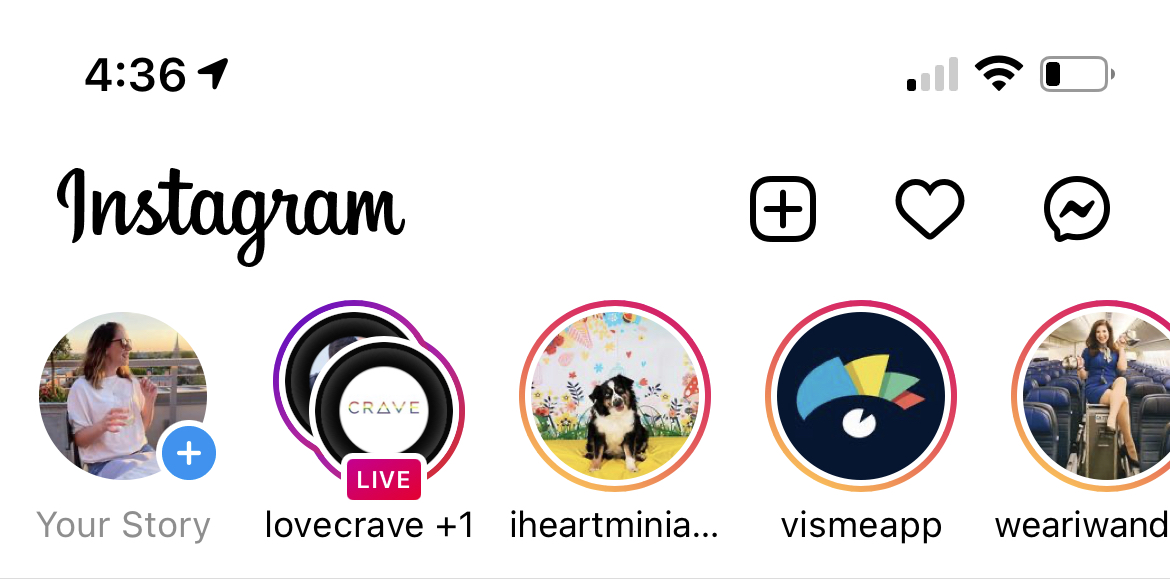
Instagram Stories, launched in 2016, quickly became a popular choice among users. With over 500 million daily active users, Instagram Stories is perfect for sharing ephemeral content that captures moments in a day. Businesses can use Instagram Stories to share behind-the-scenes content, announce new products, or engage with their audience through polls and Q&A sessions.
Facebook introduced its Stories feature in 2017, integrating it seamlessly into the platform. Facebook Stories allows users to share short-lived content, with a focus on sharing moments from your day. For businesses, it provides an opportunity to connect with a wide demographic of users, from millennials to baby boomers.
Twitter jumped on the Stories bandwagon in 2020 with the introduction of Fleets. Although Twitter has discontinued Fleets as of August 2021 due to low usage, its brief existence showed that even platforms traditionally based on text content can experiment with ephemeral, visual content formats.
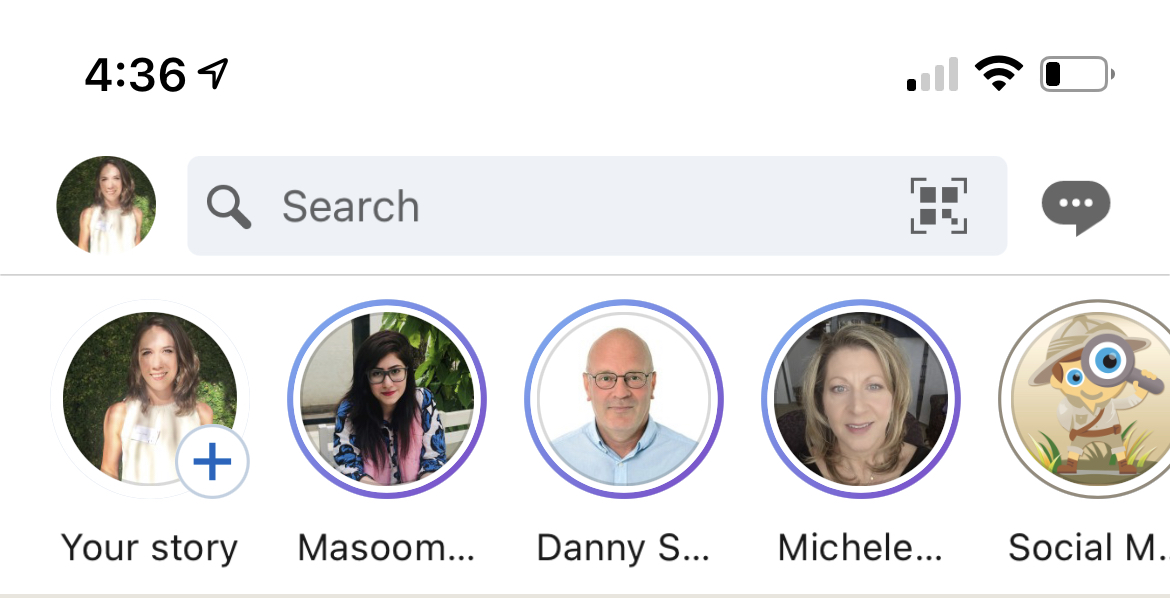
LinkedIn launched its Stories feature in 2020, aiming to provide a more informal way for professionals to share updates. LinkedIn Stories is an excellent tool for businesses to share industry news, company updates, and professional insights in a more casual, engaging format.
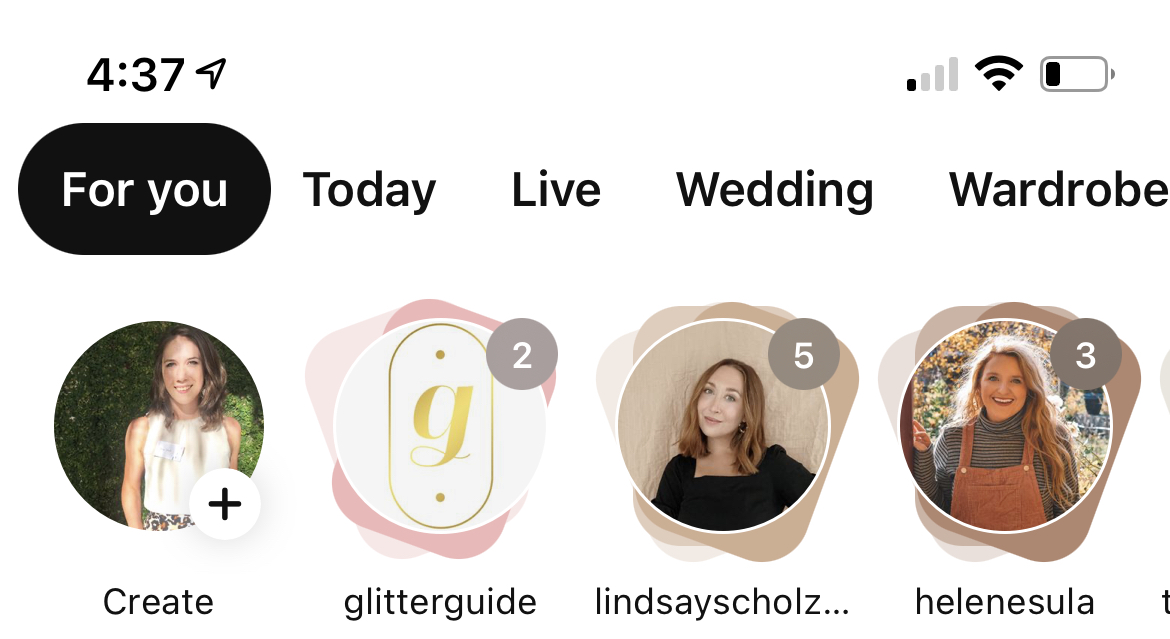
Pinterest introduced Story Pins in 2020, allowing creators to tell dynamic, visual stories. Unlike other platforms, Story Pins do not disappear after 24 hours, making them a more permanent form of storytelling. Businesses can use Pinterest Stories to share step-by-step guides, tutorials, or inspiring ideas related to their brand.
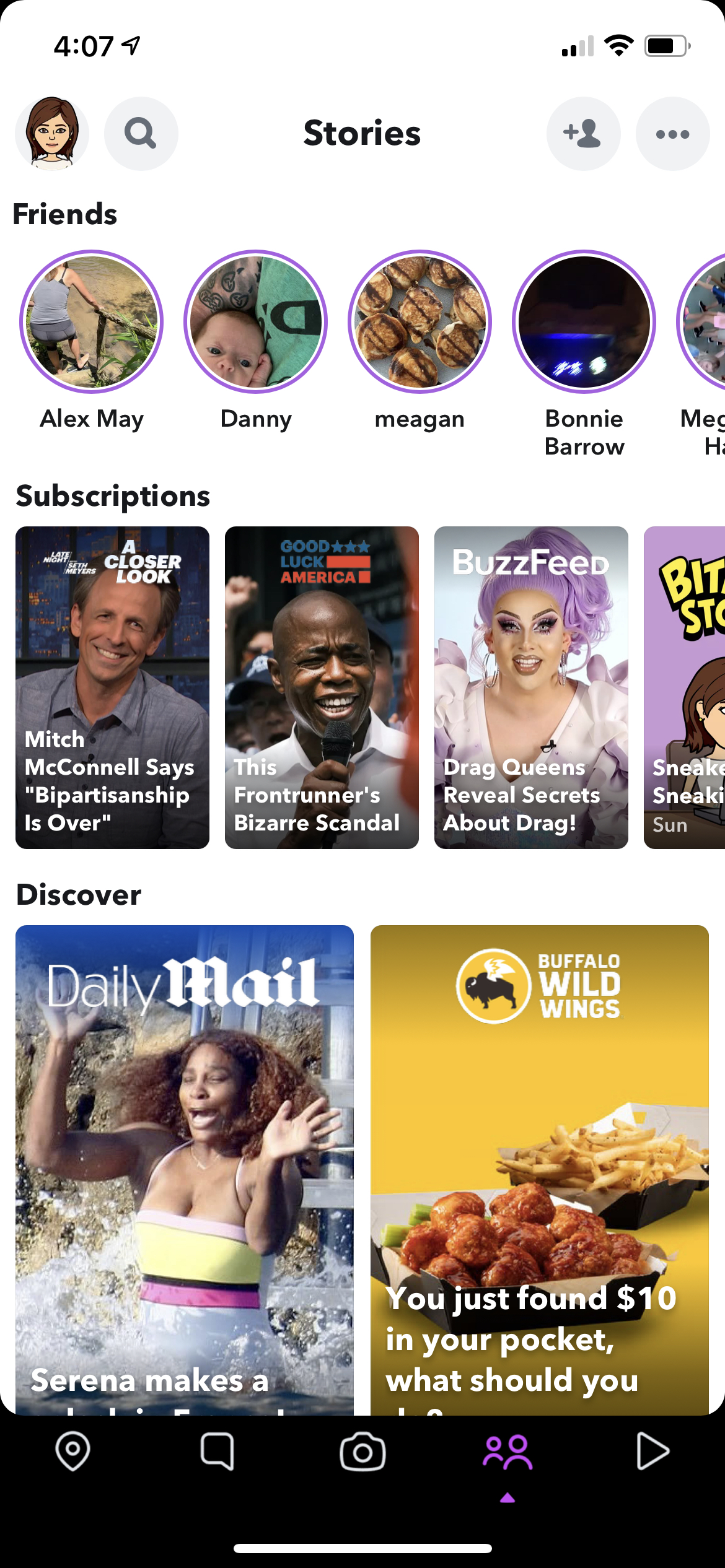
Snapchat is where it all began. Introduced in 2013, Snapchat Stories pioneered the format of short-lived content. Snapchat continues to be popular among younger audiences, making it a great platform for businesses targeting Gen Z and younger millennials.
YouTube Stories, available to creators with 10,000 subscribers or more, is a way to share short, casual videos separate from their main content. This feature allows creators to interact with their audience in a more immediate, personal way, and provides businesses an opportunity to share quick updates or teasers for upcoming content.
Each platform offers unique features and reaches different demographics, giving businesses a wide array of options to connect with their audience. The key to successful storytelling lies in understanding these platforms and tailoring your content to resonate with your target audience on each platform.
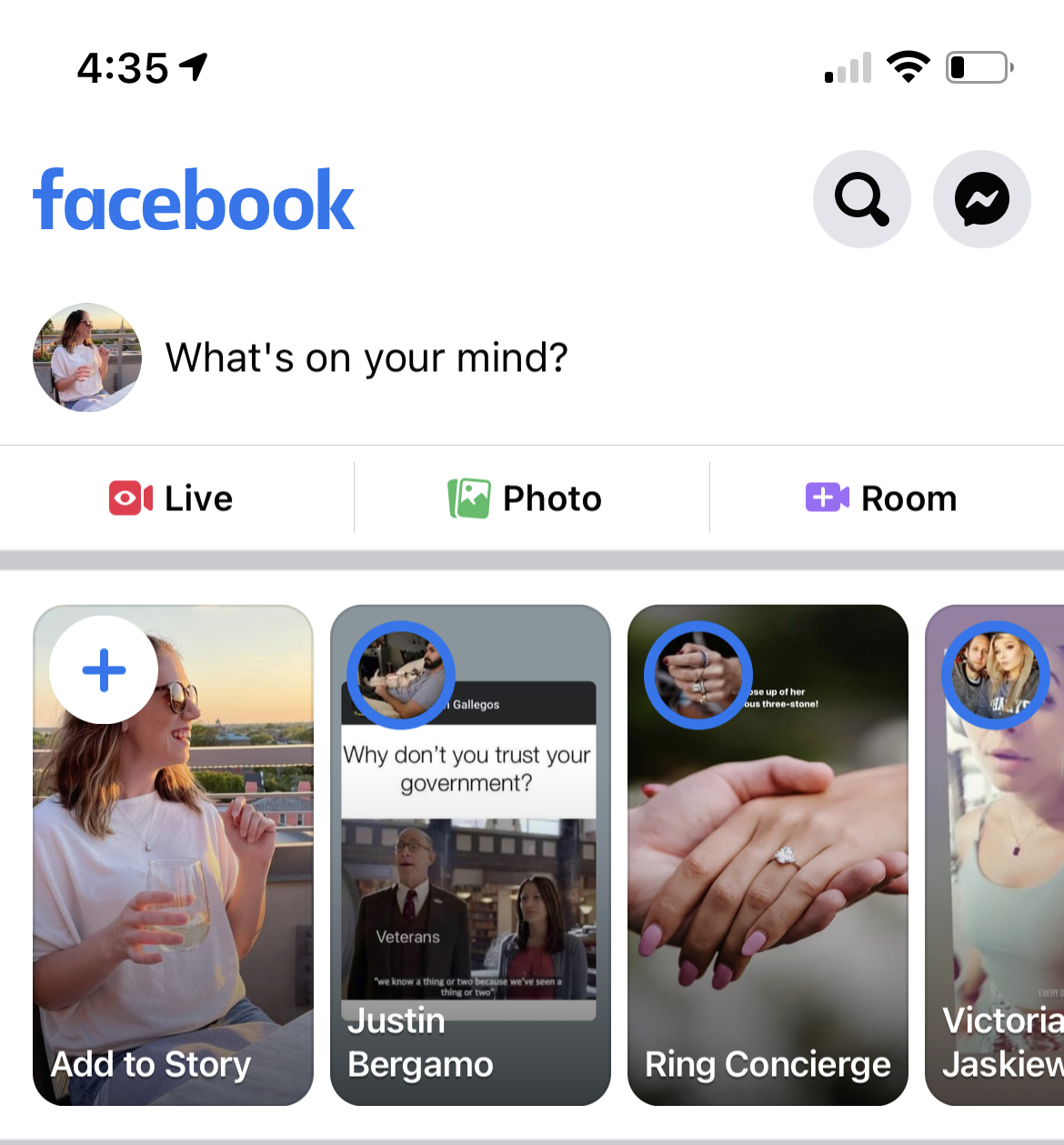
Every social media platform offers unique features and tools for their stories, which can be leveraged to create engaging and interactive content. These features go beyond basic image or video uploads, offering opportunities for live video, interactive elements, external linking, and platform-specific creative tools. Understanding these features can help you make the most of stories across different social media platforms.
Live video is a feature available on platforms like Instagram and Facebook, providing real-time engagement with your audience. This feature allows you to broadcast live video content to your followers, who can interact with you in real time through comments, likes, or reactions. Whether you’re hosting a Q&A session, showing a sneak peek of a new product, or broadcasting an event, live video is a powerful tool for interactive storytelling.
Interactive elements, such as polls, quizzes, and stickers, can significantly enhance audience engagement with your stories. Instagram, for example, offers a variety of interactive stickers, including polls, question boxes, and countdown timers. These features can be used to gather audience feedback, generate anticipation for a product launch, or simply engage your followers in a fun and interactive way.
Another unique feature offered by some platforms is the ability to link externally from a story. For instance, Instagram allows business accounts with 10,000 or more followers to include a swipe-up link in their stories, leading viewers to an external website. This is an excellent tool for driving traffic to your website, promoting a new blog post, or showcasing a new product in your online store.
In addition to these common features, each platform also offers its own unique creative tools for stories. Snapchat, for example, is well known for its fun and creative filters, while Instagram offers a wide range of effects and editing tools. These tools can help you create visually engaging stories that stand out and grab your audience's attention.
In conclusion, understanding and making the most of these unique features can help you create engaging and interactive stories across different social media platforms. So, whether you're using Instagram, Facebook, Snapchat, or any other platform, make sure to explore these features and see how you can incorporate them into your stories strategy.
When it comes to social media stories, content is king. The right content strategy can engage your audience, promote your products or services, and enhance your brand's visibility. Let's explore some effective content strategies for creating compelling social media stories.
A great way to connect with your audience on a personal level is by sharing behind-the-scenes content. This could be a sneak peek into your workspace, your team working on a project, or even a glimpse of your company culture. Behind-the-scenes content helps humanize your brand, making it more relatable and approachable to your audience.
Using social media stories for product showcases and launches is a fantastic way to generate buzz around your brand. You can create a series of stories leading up to the launch, revealing small details about the product. This not only creates anticipation but also keeps your audience engaged and looking forward to your updates.
Got a new team member? Moving to a new office? Or maybe you've just hit a significant milestone? Sharing company updates and announcements through stories is a quick and effective way to keep your audience in the loop. It's also an excellent opportunity to showcase your achievements and growth.
Repurposing content is a smart strategy for maximizing your resources. You can take blog posts, infographics, videos, or other content you've created, and adapt them into bite-sized stories. This not only provides you with more content but also allows you to reach a wider audience who might prefer consuming content in a different format.
Stories are all about storytelling. Use this format to narrate a story around your brand, products, or customer experiences. This could be a customer's journey, a day in the life of an employee, or the process of creating a product. Storytelling can be a powerful way to engage your audience and create emotional connections with your brand.
Remember, the key to a successful content strategy for social media stories is to keep your audience at the center of it all. Understand their interests, preferences, and behaviors to create content that resonates with them. Test different types of content, analyze the engagement, and refine your strategy based on your findings. Happy storytelling!
Connecting with your audience on a personal level is more important than ever, and social media stories offer a fantastic avenue for engagement. Here's how you can use stories to build a deeper connection with your audience and make your content truly resonate.
Polls and Q&A sessions are an excellent way to invite your audience into a conversation. By asking questions or offering polls, you can gauge opinions, gather feedback, and understand your audience's preferences. This not only helps in tailoring future content but also makes your audience feel valued and heard. For example, a simple "What do you want to see next?" poll can guide your content strategy based on direct audience input.
Stories are a great tool for sparking direct conversations. Encourage your followers to slide into your DMs with responses or questions by using call-to-actions like "DM us your thoughts" or "Swipe up to message us." This personal interaction can foster stronger relationships and turn casual followers into loyal fans. Make sure to respond promptly and thoughtfully to keep the conversation going.
Interactive elements like quizzes, countdowns, and challenges can make your stories more engaging. These features not only entertain but also encourage users to share your content, thereby increasing your reach. For instance, a fun quiz related to your brand or a countdown to a product launch can create excitement and anticipation. Challenges are another great way to engage, as they invite participation and often lead to user-generated content, which is highly shareable and authentic.
Nothing engages your audience quite like seeing their own content featured. Encourage your followers to share how they use your product or service and then showcase their stories on your platform. This not only makes your audience feel appreciated but also builds community and trust. User-generated content acts as social proof, demonstrating real-world applications and satisfaction with your brand.
Stories that convey a narrative or personal journey can be incredibly powerful. Use this format to share behind-the-scenes glimpses, day-in-the-life segments, or personal anecdotes related to your brand. This humanizes your business and allows your audience to connect with you on a more personal level. Authentic storytelling can evoke emotions and create a memorable experience that resonates with your audience long after the story disappears.
By leveraging these interactive and engaging strategies, you can transform your social media stories from simple updates into dynamic, two-way conversations that build community and brand loyalty. Remember, the key to successful engagement is to listen actively and respond genuinely. Keep experimenting with different approaches to discover what resonates best with your audience, and watch your community thrive.
Incorporating social media stories into your brand’s content strategy can be a game-changer for engagement and visibility. These ephemeral pieces of content offer a dynamic way to connect with your audience. Here’s how you can seamlessly integrate stories into your brand's existing content strategy.
The key to a successful content strategy is balance. Stories should complement, not replace, your regular posts, videos, and other content types. Consider stories as an opportunity to highlight aspects of your brand that might not fit elsewhere. For instance, use stories for quick updates, behind-the-scenes glimpses, or teaser content that leads to a more extensive post or video.
To maintain a harmonious balance, plan your content calendar to include stories alongside your regular posts. This approach ensures that your audience receives a steady stream of varied content, keeping them engaged without feeling overwhelmed.
When it comes to frequency, consistency is key. Posting stories regularly helps maintain visibility and keeps your brand top of mind. However, it’s crucial to find a rhythm that works for your audience. Analyze when your audience is most active and align your story posting schedule accordingly. A well-timed story can significantly enhance engagement rates.
Consider the context of your content when deciding on timing. For example, a morning coffee ritual story might work best in the early hours, while a sneak peek of an evening event could perform better later in the day. Testing different times and monitoring engagement will help you fine-tune your strategy.
Understanding the impact of your stories is essential for refining your approach. Use the insights provided by your social media platforms to track metrics such as views, reach, and interactions. These data points will give you a clear picture of what resonates with your audience.
Engagement metrics such as replies, taps forward, and taps backward can provide deeper insights into viewer behavior. High engagement rates typically indicate that your content is hitting the mark. On the other hand, a high drop-off rate might suggest that the content needs tweaking or that it’s not being posted at the optimal time.
Regularly reviewing these metrics will allow you to adjust your content and posting schedule to better serve your audience and meet your brand’s objectives. Experiment with different content types, lengths, and interactive elements to see what boosts engagement the most.
By thoughtfully integrating stories into your brand’s content strategy, you can create a more dynamic and engaging experience for your audience. Remember, stories are a versatile tool that, when used effectively, can enhance your brand’s presence and foster a deeper connection with your audience.
Social media stories offer an exciting and dynamic way for brands to connect with their audiences. They enable creativity and spontaneity, and provide a platform for experimentation. As we dive into this section, we will explore the importance of innovation and experimentation in creating engaging stories and how to leverage new features and feedback for continuous improvement.
One of the beauties of social media stories is the variety of formats available. You can share photos, short videos, boomerangs, live videos, and even text-based stories. Each format offers a unique way to convey your message and engage with your audience.
Experimenting with different formats can help you identify what resonates most with your audience. For instance, you may find that behind-the-scenes videos generate more views than static images, or that your audience loves interactive polls. Keep in mind that what works best may vary depending on the platform and the specific audience you're targeting.
Another key aspect of experimentation is staying on top of new features and updates. Social media platforms frequently introduce new tools and enhancements to their story features, like Instagram's "Reels" or Snapchat's "Spotlight". Leveraging these new features can help your brand stay relevant and exciting, as users are often eager to engage with fresh content and formats.
However, it's essential not to jump on every new feature just for the sake of it. Evaluate whether a new feature aligns with your brand and content strategy and whether it will resonate with your audience.
Analytics are a valuable tool in the experimentation process. By monitoring your story views, clicks, and other interactions, you can gain insights into what's working and what's not. For example, if a particular story generates a lot of direct messages or shares, it's a good indication that your audience found it valuable or interesting.
Audience feedback is another crucial source of learning. Encourage your followers to share their thoughts and opinions. You can do this through direct prompts in your stories, like "Swipe up to let us know what you think!" or "DM us your feedback!". This can provide you with qualitative insights that complement the data from your analytics.
Remember, the goal of experimentation is to learn and improve. Don't be afraid of trying something new and different with your stories. Even if an experiment doesn't yield the results you hoped for, it's still a valuable learning experience that can inform your future content strategy.
Social media stories have become a staple in digital marketing, providing brands with a unique way to engage with their audience. To truly understand the potential of stories, let’s dive into some inspiring case studies where brands have thrived using this format. These examples not only highlight creative campaigns but also offer valuable lessons for businesses looking to leverage stories effectively.
Nike is renowned for its innovative marketing strategies, and its use of social media stories is no exception. During major sports events, Nike leverages Instagram Stories to deliver real-time updates, athlete takeovers, and behind-the-scenes footage. This approach not only keeps their audience engaged but also strengthens their brand message of empowering athletes worldwide. The key takeaway here is the power of live, time-sensitive content that resonates with the audience’s current interests and passions.
Sephora has mastered the art of engaging its beauty-enthusiast audience through interactive stories. By utilizing features like polls, quizzes, and swipe-up links, Sephora creates an immersive experience that not only showcases products but also educates and entertains. For instance, during a product launch, Sephora might use stories to host a quick tutorial or a poll to choose a favorite shade. This strategy not only boosts engagement but also drives direct traffic to their online store. The lesson here is clear: interactive elements can transform passive viewing into active participation.
Airbnb uses stories to highlight unique travel experiences and accommodations that set them apart. By sharing user-generated content from travelers and hosts, Airbnb adds authenticity to their stories. This user-centric approach not only builds trust but also showcases the diversity and richness of experiences available through their platform. Brands can learn from Airbnb’s strategy by encouraging and curating content from their community, thereby fostering a sense of belonging and reliability.
Dunkin' has successfully used stories to blend product promotion with entertainment. Their stories often feature playful animations, quizzes, and vibrant visuals that align with their fun, energetic brand persona. For example, Dunkin' might run a story series where followers can vote on new donut flavors or participate in a quirky challenge. This engaging approach keeps the audience entertained while subtly promoting their products. The lesson here is to align your story content with your brand’s voice and to not shy away from creativity.
From these case studies, several key lessons emerge:
By examining these successful campaigns, businesses can glean insights into how to effectively harness the power of social media stories, ultimately driving engagement, building community, and achieving marketing goals.
As we wrap up our exploration into the dynamic world of social media stories, it’s clear that these ephemeral posts have become an indispensable tool for brands aiming to capture their audience’s attention in a fast-paced digital landscape. Stories offer a unique blend of immediacy and intimacy, allowing businesses to engage with their audience in a way that is both personal and impactful.
One of the most compelling aspects of stories is their ability to humanize brands. By sharing behind-the-scenes glimpses, real-time updates, and interactive content, businesses can foster a sense of authenticity and connection. This is crucial in today’s market, where consumers value transparency and relatability. Embracing stories as a core element of your content strategy can significantly enhance your brand’s narrative and visibility.
Moreover, the diverse range of platforms offering story features means there are ample opportunities to reach different segments of your audience. Whether it's the vibrant creativity on Instagram, the professional insights on LinkedIn, or the playful engagement on Snapchat, each platform provides a unique canvas for storytelling. Understanding the nuances of each platform and tailoring your content accordingly can maximize engagement and drive results.
Another key takeaway is the importance of experimentation and innovation. The world of social media is ever-evolving, with new features and trends emerging regularly. Brands that are willing to test new formats, leverage emerging tools, and adapt based on analytics and feedback are more likely to succeed. Stories offer a perfect playground for creativity, allowing you to try out new ideas without the long-term commitment required by more permanent content forms.
As you integrate stories into your brand’s content strategy, remember to maintain a balance with other types of content. Stories are most effective when they complement your overall marketing efforts, providing a fresh and engaging touchpoint within a broader content ecosystem. Consider factors like timing, frequency, and audience preferences to optimize your storytelling efforts.
In conclusion, stories are more than just a fleeting trend; they are a powerful medium for building relationships, driving engagement, and ultimately, growing your brand. We encourage you to harness the full potential of stories by being bold in your storytelling, staying attuned to platform innovations, and continually refining your approach based on performance insights. By doing so, you'll not only captivate your audience but also create memorable experiences that resonate long after the story has disappeared.
So, dive into the vibrant world of social media stories with confidence and creativity. Your audience is ready to engage, and the possibilities are endless. Happy storytelling!
Social media stories are temporary, 24-hour content formats on social media platforms. They are popular because they offer unique engagement opportunities for businesses and personal accounts alike. Their ephemeral nature encourages immediate interaction and creates a sense of urgency and exclusivity.
Social media stories originated on Snapchat before being adopted by other platforms like Instagram, Facebook, and more. This adoption significantly impacted social media content trends, making the story format a standard across multiple platforms.
Stories offer several unique features like live video capabilities, interactive stickers and polls, external linking, swipe-up features, and various platform-specific creative tools. These features enhance user engagement and interaction, making stories a versatile content format.
To effectively use stories, consider sharing behind-the-scenes content, product showcases, company updates, and repurposed content. The goal is to create engaging, interactive, and shareable moments that encourage audience participation and direct responses.
You can integrate stories into your content strategy by balancing them with other content types, considering the frequency and timing, and measuring engagement and reach. It's also important to experiment with different formats and leverage new features as they become available.
Innovation and experimentation with stories involve trying different formats and creative approaches, leveraging new features as they launch, and learning from analytics and audience feedback. This helps you stay ahead of trends and keep your content fresh and engaging.
Many brands have found success with stories by launching effective campaigns tailored to their target audience. By learning from these real-world examples, you can glean insights and strategies that can be applied to your own story content.
The key takeaways are the importance of stories in modern social media, the need to integrate them into your content strategy, and the potential to innovate and engage your audience through this format. It's a powerful tool for businesses and marketers when used effectively.
Yes, stories can be used by businesses in all industries. The key is to tailor your content strategy to your audience and industry. Whether it's showcasing products, sharing company updates, or engaging your audience with interactive content, there's a story strategy that can work for you.
You can measure the success of your stories through platform analytics. This includes tracking views, engagement rates, direct responses, and other interactions. This data will help you understand what's working, what's not, and how to improve your stories for better results.









LEAVE A COMMENT
Your email address will not be published.