- HOME
- FOR CLIENTS
- FOR FREELANCERS
- LOGIN
BLOG
New user? Create account


Varun Katyal is the Founder & CEO of Clapboard and a former Creative Director at Ogilvy, with 15+ years of experience across advertising, branded content, and film production. He built Clapboard after seeing firsthand that the industry’s traditional ways of sourcing talent, structuring teams, and delivering creative work were no longer built for the volume, velocity, and complexity of modern content. Clapboard is his answer — a video-first creative operating system that brings together a curated talent marketplace, managed production services, and an AI- and automation-powered layer into a single ecosystem for advertising, branded content, and film. It is designed for a market where brands need content at a scale, speed, and level of specialization that legacy agencies and generic freelance platforms were never built to deliver. The thinking, frameworks, and editorial perspective behind this blog are shaped by Varun’s experience across both the agency world and the emerging platform-led future of creative production. LinkedIn: https://www.linkedin.com/in/varun-katyal-clapboard/


Employer branding is a crucial concept for any organization aiming to attract and retain top talent. But what exactly does it mean? At its core, employer branding is the process of managing and influencing your reputation as an employer among job seekers, employees, and key stakeholders. It's about crafting a perception of your company that aligns with your values and mission, ultimately creating a positive image in the minds of both current and potential employees.
Several key elements define employer branding. First, there's perception. This is how your company is viewed externally and internally. A strong employer brand is one where the perception aligns with the reality of working at your company. Next is reputation. This is a broader concept that encompasses how your company is perceived in the industry and the marketplace. It includes feedback from current and past employees, as well as general public sentiment.
Company image is another vital aspect. This refers to the visual and emotional impression people have of your organization. It's shaped by your company's marketing efforts, employee testimonials, and even the experiences candidates have during the recruitment process. A cohesive and appealing image can significantly enhance your employer brand.
It is important to distinguish between an employer brand and a consumer brand. While both are critical to a company's success, they serve different purposes. Your consumer brand is how your products or services are perceived by your customers. It's about market positioning, product quality, and customer satisfaction. On the other hand, your employer brand focuses on your reputation as a place to work. It emphasizes company culture, career opportunities, and employee satisfaction. While these two brands are distinct, they are interconnected. A strong consumer brand can enhance your employer brand, and vice versa.
Understanding and defining your employer brand is not just a one-time task but an ongoing process. It requires regular reflection and adaptation to ensure it remains aligned with the evolving goals of your organization and the expectations of your workforce. By investing in a strong employer brand, companies can create a powerful tool for attracting and retaining the best talent, ultimately driving long-term success and growth.

Employer branding is more than just a buzzword—it's an essential part of any modern business strategy. At its core, employer branding involves three key components: company culture and values, brand mission and vision, and employee advocacy and storytelling. Let's dive into each of these components.
First and foremost, a company's culture and values form the backbone of its employer brand. These are the core beliefs and behaviors that define your organization and set it apart from competitors. They're what potential employees will look at when deciding whether your company is a good fit for them.
In Clapboard, for instance, our culture is centered around innovation, collaboration, and continuous learning. These values are ingrained in everything we do—from our daily operations and decision-making processes to our hiring practices and employee development programs. By consistently communicating and living these values, we're able to build a strong employer brand that attracts like-minded individuals who are passionate about our mission.
Just as important as your culture and values is your brand mission and vision. Your mission is your company's reason for being—it's what you strive to achieve every day. On the other hand, your vision is the long-term goal that drives your strategic planning and decision making.
At Clapboard, our mission is to empower businesses to tell their story through high-quality video content. Our vision, meanwhile, is to become the leading provider of video production tools and services worldwide. By aligning our employer branding efforts with our mission and vision, we're able to attract talent that shares our goals and is committed to helping us achieve them.
The third core component of employer branding is employee advocacy and storytelling. This involves empowering your employees to become brand ambassadors who share their positive experiences and stories about working at your company.
At Clapboard, we believe that our employees are our best advocates. That's why we encourage them to share their stories—whether it's about a project they're proud of, a challenge they've overcome, or the fun they've had at a company event. These stories not only help to showcase our company culture and values, but also provide a realistic and relatable glimpse into what it's like to work at our company.
In conclusion, building a strong employer brand requires a deep understanding and effective communication of your company culture and values, brand mission and vision, and employee advocacy and storytelling. By focusing on these core components, you can create an employer brand that resonates with your target audience, attracts top talent, and drives your business success.

A strong employer branding strategy can yield a multitude of benefits for companies, particularly in today's competitive talent market. It's not just about attracting top talent; a well-developed employer brand can also aid in employee retention, enhance company reputation, boost employee engagement, and improve corporate communications.
One of the most immediate benefits of a strong employer branding strategy is its ability to attract and retain top talent. In an increasingly competitive job market, a compelling employer brand helps your company stand out. It's the difference between having top candidates seek you out versus struggling to fill positions. Furthermore, a positive employer brand can reduce turnover rates. When employees feel aligned with your company's values and mission, they're less likely to seek opportunities elsewhere.
A strong employer brand doesn't just resonate with potential employees; it also impacts how consumers perceive your company. Research has shown a correlation between a company's reputation as an employer and its overall brand image. A positive employer brand can enhance consumer trust, leading to increased customer loyalty and potentially even higher sales.
A well-executed employer branding strategy can also foster greater employee engagement. Employees who feel connected to their company's mission and values are more likely to be engaged in their work, which can lead to higher productivity and better business outcomes. Additionally, engaged employees are more likely to become brand advocates, promoting the company to their personal and professional networks. This organic promotion can be a powerful tool in attracting both new talent and new customers.
Lastly, a strong employer brand can improve corporate communications. By clearly defining what your company stands for as an employer, you provide a foundation for all internal and external communications. This can lead to more consistent messaging, which in turn can enhance credibility and trust. Additionally, a well-defined employer brand can guide decision-making across the company, from HR policies to marketing strategies.
In conclusion, investing in a strong employer branding strategy can deliver significant benefits. It's not just about recruitment; it's about shaping the perception of your company, engaging and retaining your employees, and ultimately driving business success.
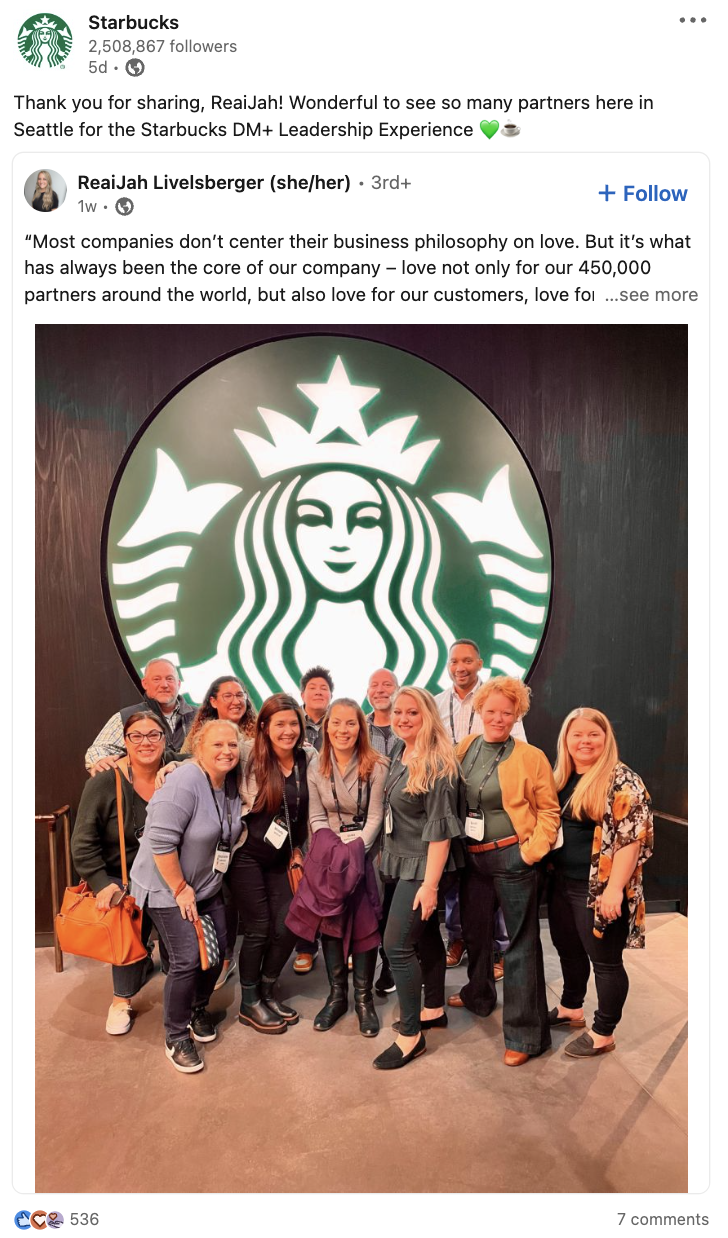
Understanding where your company stands in terms of employer branding is the first step towards building a robust and effective strategy. By assessing your current employer brand, you can identify areas of strength and improvement, allowing you to create a plan that truly resonates with your target audience and aligns with your organizational goals.
One of the most effective ways to gauge your employer brand is through surveys. Internal surveys targeted at your existing employees can provide valuable insights into how your brand is perceived from within the company. Ask questions related to company culture, work environment, leadership, career development opportunities, and overall satisfaction. This will not only help you understand your internal brand image but also identify areas that need improvement.
Similarly, external surveys targeted at potential candidates, former employees, and even customers can provide insights into how your brand is perceived outside the company. This could cover areas like overall brand awareness, perception of company culture, and reasons for considering or not considering your company as a potential employer.
In today's digital world, online reviews and social media can serve as a treasure trove of information about your employer brand. Analyzing feedback from platforms like Glassdoor or on social media can give you a sense of what people are saying about your company. Look for common themes or recurring issues in these reviews, as they can point to areas that need attention.
Remember, negative reviews are not necessarily a bad thing. They can provide crucial insights into areas where your company can improve. However, it's essential to address these reviews professionally and promptly, showing that you value feedback and are committed to improving.
Your recruitment process is often the first interaction potential employees have with your company, making it a critical component of your employer brand. Evaluating this process can help you understand whether it is conveying the right image of your company.
Start by assessing the overall candidate experience. Is the process smooth and efficient? Is the communication clear and timely? Do candidates get a good sense of your company culture and values during the recruitment process?
Also, consider the feedback from unsuccessful candidates. Their perspective can provide valuable insights into your recruitment process and how it could be improved.
In conclusion, assessing your current employer brand involves looking at various aspects, from internal perceptions to external reviews and the recruitment process. By conducting a thorough assessment, you can build a solid foundation for your employer branding strategy, ensuring it is tailored to your company's unique needs and goals.

An Employee Value Proposition (EVP) is the unique set of benefits and values that an organization offers its employees in return for their skills, capabilities, and experience. It's essentially the compelling answer to the question: "Why should someone work here?" A well-crafted EVP can significantly enhance your ability to attract, retain, and engage top talent, ultimately strengthening your employer brand.
To craft an effective EVP, it is important to consider several key components that resonate with both current and potential employees:
Once the key components of your EVP are identified, the next step is to ensure alignment with both organizational goals and employee expectations. This involves:
Remember, a strong EVP is not static. It should evolve as your organization grows and as market conditions change. Regularly revisiting and updating your EVP ensures it remains relevant and competitive, keeping your workforce engaged and motivated.
By thoughtfully crafting an EVP that resonates on multiple levels, you create a compelling narrative that not only draws in top talent but also fosters a loyal and motivated workforce. This strategic alignment of employee and organizational goals is a powerful driver of long-term success.
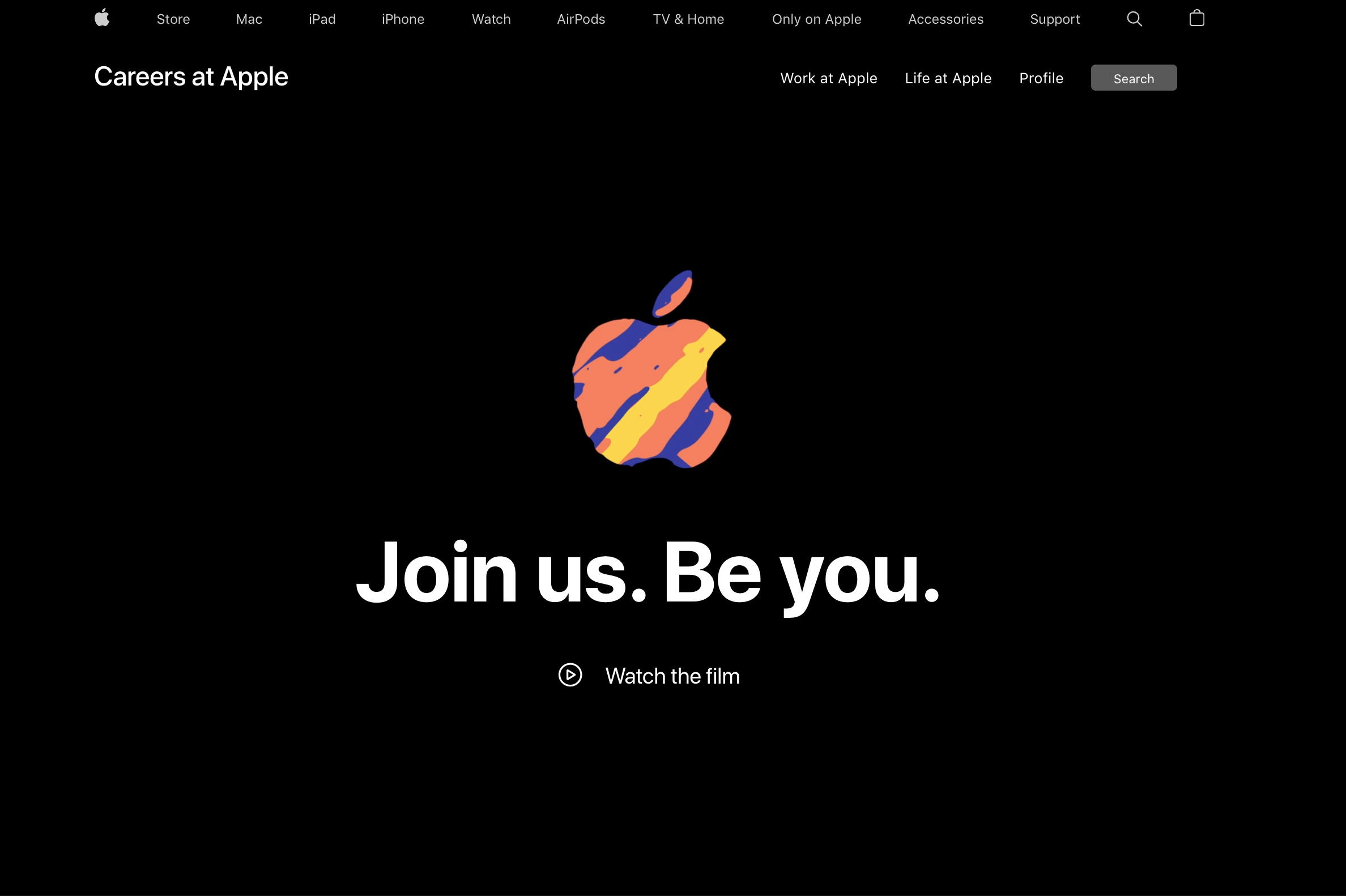
Embarking on the journey of creating a robust employer branding strategy is a transformative step for any organization. Here’s how you can build and implement an effective strategy that resonates with both current and prospective employees.
The foundation of any successful strategy is clear, measurable goals. Start by defining what success looks like for your employer branding efforts. Are you aiming to reduce turnover, improve employee satisfaction, or attract a specific talent pool? Once your goals are set, establish Key Performance Indicators (KPIs) to track progress. These could include metrics like application volume, employee engagement scores, or social media reach.
Understanding your target audience is crucial. Consider the demographics, interests, and motivations of your ideal candidates. Tailor your messaging to resonate with them. Additionally, choose communication channels that align with where your audience spends their time. Whether it’s LinkedIn for professional networking or Instagram for a younger, more visual audience, ensure your message reaches them effectively.
Leadership buy-in is essential for the success of your employer branding strategy. Involve executives and the C-suite early in the process to ensure alignment with the company's overall vision and goals. Encourage leaders to actively participate in branding initiatives, whether it’s by sharing their own stories or endorsing key messages. Their involvement not only lends credibility but also inspires engagement from the entire organization.
Once your strategy is crafted, it’s time to bring it to life with a comprehensive rollout plan. Map out a timeline that details each phase of the implementation process. Consider starting with a pilot program to test strategies and gather feedback before a full-scale launch. Ensure all stakeholders, from HR to marketing, are aligned and equipped with the resources and training needed to execute their roles effectively.
Throughout the implementation, maintain flexibility to adapt and refine your approach based on real-time feedback and emerging trends. Regularly review your KPIs to assess the impact of your efforts and adjust strategies accordingly.
Building and implementing an employer branding strategy is not a one-time project but an ongoing commitment to cultivating a positive and authentic workplace image. By setting clear goals, understanding your audience, involving leadership, and planning meticulously, you can create a strategy that not only attracts top talent but also fosters a culture of engagement and loyalty. Remember, your employees are your greatest advocates, and their experiences and stories are the most powerful tools in building a compelling employer brand.
Employee advocacy and engagement are pivotal to the success of your employer branding efforts. They can amplify your brand message, enhance your reputation, and ultimately, attract and retain top talent. Here's how you can foster these crucial elements in your organization.
Employees are the most credible ambassadors of your brand. Encouraging them to share their experiences working at your company, whether it's about the culture, benefits, or growth opportunities, can significantly impact your employer brand.
Start by creating a safe and open environment where employees feel comfortable sharing their stories. Provide guidelines on what they can share, while also encouraging authenticity and honesty. Regularly acknowledge and reward employees who actively participate in sharing their experiences to motivate others.
Employee advocacy should not be limited to just external audiences. Promoting your employer brand internally is equally important to maintain high levels of employee engagement and satisfaction.
Create programs that educate your employees about your brand's values, mission, and vision. Regular workshops, seminars, and team building activities can be effective ways to foster a strong internal brand culture. Externally, you can use social media, blogs, and other platforms where your employees can share their experiences and advocate for your brand. Remember to provide them with the necessary tools and training to effectively represent your brand.
When employees are actively involved in your branding efforts, they feel more connected to the company. This sense of belonging can significantly enhance their job satisfaction, loyalty, and productivity.
Moreover, when prospective candidates see your employees advocating for your company, they are more likely to trust your brand. They see these employees as authentic sources of information about your company culture and the experience of working with you. This can greatly influence their decision to join your organization.
Finally, employee advocacy can also extend your brand's reach. Your employees' networks can serve as a valuable channel for spreading your brand message, leading to increased brand visibility and recognition.
In conclusion, employee advocacy and engagement are not just nice-to-have elements of your employer branding strategy. They are essential for the success of your branding efforts. So, invest time and resources in fostering these elements and see your employer brand thrive.
Exploring real-world case studies can provide invaluable insights into the power of effective employer branding. These stories highlight how organizations have leveraged their unique strengths to boost engagement, enhance their reputation, and attract top talent. Let’s delve into some inspiring examples and the lessons they offer.
Edina Realty, a prominent player in the real estate industry, faced the challenge of increasing their social media presence to strengthen their employer brand. By focusing on authentic storytelling and showcasing the vibrant culture within the company, they managed to achieve a remarkable 674% month-over-month (MoM) increase in social engagements.
The key to Edina Realty's success was their strategic use of employee-generated content. Employees were encouraged to share their experiences and insights, which not only humanized the brand but also fostered a sense of community. This approach demonstrated the power of authentic voices in amplifying a company's employer brand. For those looking to replicate this success, consider creating platforms where employees feel comfortable and motivated to share their stories.
Edina Realty highlight critical lessons in successful employer branding:
These case studies illustrate that with the right approach and mindset, any company can enhance its employer brand. By focusing on authenticity, empowerment, and community, organizations can create compelling narratives that resonate both internally and externally. These stories serve as a testament to the transformative power of strategic employer branding.
As we wrap up our exploration of employer branding, it's evident that in today's competitive talent market, a robust employer brand is no longer just a 'nice-to-have'—it's a strategic imperative. Your employer brand is the lens through which potential candidates and current employees view your organization. It shapes perceptions, influences decisions, and ultimately drives the success of your recruitment and retention efforts.
We began by understanding the foundational elements of employer branding, highlighting its critical components such as company culture, values, and the power of employee advocacy. These elements are not only the building blocks of your brand's identity but also serve as magnets that attract like-minded individuals who resonate with your mission and vision.
The benefits of a strong employer branding strategy cannot be overstated. From enhancing your company's reputation and fostering trust among consumers to boosting employee engagement and advocacy, a well-crafted brand strategy can transform your organization from the inside out. The ripple effects of a positive employer brand extend beyond the HR department, influencing corporate communications and even impacting bottom-line results.
Assessing your current employer brand is a crucial step in this journey. By gathering insights through surveys, analyzing feedback, and evaluating candidate experiences, you can pinpoint areas for improvement and capitalize on your strengths. This introspection is invaluable in crafting an Employee Value Proposition (EVP) that aligns with both organizational goals and employee expectations.
Building and implementing your employer branding strategy involves setting clear goals, identifying target audiences, and ensuring leadership buy-in. It's a collaborative effort that requires input and support from all levels of your organization. Engaging employees as brand ambassadors through storytelling and advocacy programs can further amplify your brand's reach and impact.
Real-world case studies have shown us the transformative power of employer branding. Companies like Edina Realty have demonstrated the tangible benefits of strategic branding initiatives, from increased social media engagement to enhanced brand growth. These success stories provide valuable lessons and inspiration for your own branding journey.
In conclusion, employer branding is not a static endeavor but a dynamic process that evolves with your organization and the market. It's about creating a compelling narrative that resonates with your audience and reflects your core values. As you embark on or continue this journey, remember that consistency, authenticity, and engagement are key. By prioritizing employer branding, you're not only investing in your company's future but also in the people who will drive its success.
We encourage you to take the insights and strategies discussed in this blog and apply them to your unique organizational context. Whether you're just starting out or looking to refine your existing approach, there's always room for growth and innovation. As you move forward, consider how you can foster a culture of continuous improvement and engagement, ensuring that your employer brand remains a true reflection of your organization's identity and aspirations.
Thank you for joining us on this exploration of employer branding. We hope you found the insights valuable and inspiring. If you're ready to take the next step in your employer branding journey, we're here to support you every step of the way.
Employer branding is how a company is perceived as a place to work. It's crucial in today's talent-driven market as it impacts recruitment, retention, and reputation. A strong employer brand attracts top talent, enhances company reputation, and boosts employee engagement.
While consumer branding focuses on attracting customers to buy products or services, employer branding is about attracting and retaining top talent. It's about how your company is perceived as a place to work, not just a place to buy from.
Key components of employer branding include company culture and values, brand mission and vision, and employee advocacy and storytelling. These elements shape the perception, reputation, and image of your company as an employer.
You can assess your current employer brand by conducting internal and external surveys, analyzing reviews and feedback on platforms like Glassdoor and social media, and evaluating your recruitment processes and candidate experiences.
An EVP should include rewards, benefits, culture, and growth opportunities. It should align with organizational goals and meet employee expectations to effectively attract and retain talent.
Getting leadership buy-in is crucial for successful employer branding. You can achieve this by presenting clear goals and KPIs, showcasing the benefits of a strong employer brand, and involving leadership in the strategy development and rollout plan.
Quick wins can include promoting your company culture and values, encouraging employees to share their stories, and improving your recruitment processes. Implementing an effective Employee Value Proposition (EVP) can also significantly boost your employer brand.
Employee advocacy, where employees share positive experiences and stories, can greatly enhance your employer brand. It not only helps to build trust and credibility but also extends your reach to potential candidates who value authentic insights.
Edina Realty is a great examples of successful employer branding. They leveraged employee advocacy and a strong EVP to significantly increase social engagement and brand growth.
Aligning the EVP with organizational goals ensures that your employer brand is consistent with your overall company direction. It helps to attract talent that fits well with your company culture and contributes to achieving your business objectives.









LEAVE A COMMENT
Your email address will not be published.