- HOME
- FOR CLIENTS
- FOR FREELANCERS
- LOGIN
BLOG
New user? Create account


Varun Katyal is the Founder & CEO of Clapboard and a former Creative Director at Ogilvy, with 15+ years of experience across advertising, branded content, and film production. He built Clapboard after seeing firsthand that the industry’s traditional ways of sourcing talent, structuring teams, and delivering creative work were no longer built for the volume, velocity, and complexity of modern content. Clapboard is his answer — a video-first creative operating system that brings together a curated talent marketplace, managed production services, and an AI- and automation-powered layer into a single ecosystem for advertising, branded content, and film. It is designed for a market where brands need content at a scale, speed, and level of specialization that legacy agencies and generic freelance platforms were never built to deliver. The thinking, frameworks, and editorial perspective behind this blog are shaped by Varun’s experience across both the agency world and the emerging platform-led future of creative production. LinkedIn: https://www.linkedin.com/in/varun-katyal-clapboard/


At its core, co-branding is a strategic alliance where two or more brands collaborate to create a new product or service, leveraging each other's strengths and market presence. This partnership allows brands to pool resources, share risks, and tap into each other's customer bases, ultimately aiming to enhance brand value and consumer experience.
Unlike other marketing strategies such as co-marketing, which involves joint promotional efforts without merging products or services, co-branding focuses on creating a unique offering that embodies the essence of all participating brands. The result is often a product that carries the distinct identity and values of each brand involved, providing consumers with a compelling reason to engage with something new and exciting.
Consider the McDonald's McFlurry with Oreo and M&Ms as a perfect example of co-branding. By incorporating popular cookie and candy brands into their signature dessert, McDonald's not only attracts fans of Oreo and M&Ms but also adds a layer of indulgence and variety to their menu. This collaboration brings together the fun and familiarity of McDonald's with the beloved flavors of Oreo and M&Ms, creating a delightful treat that appeals to a wide audience.
Co-branding can take various forms, including joint product development, ingredient sharing, or even cross-industry partnerships. The key to successful co-branding lies in ensuring that the brands involved have complementary attributes and share a common target audience. This alignment helps to create a product that resonates with consumers and adds value to each brand's portfolio.
In summary, co-branding offers a unique opportunity for brands to collaborate and innovate, resulting in products that are greater than the sum of their parts. By understanding the nuances of co-branding and carefully selecting partners that align with their values and audience, brands can effectively differentiate themselves in the marketplace and drive growth through mutual success.

Co-branding, when done right, can unlock significant benefits for all parties involved. Here, we delve into the various advantages that this strategy can offer, from exposure to new audiences to cost savings through shared marketing expenses.
One of the most immediate benefits of co-branding is the exposure it offers to new audiences. When two brands come together, they essentially merge their audience bases, thereby introducing their products to consumers who might not have considered them otherwise. This expanded reach can significantly boost brand visibility and recognition.
Co-branding can also help in enhancing a brand's credibility and reputation. When a brand partners with another respected and well-known brand, it can benefit from the positive associations consumers have with the partner brand. This "halo effect" can help elevate the brand's standing in the eyes of consumers, making it more appealing and trustworthy.
Another key benefit of co-branding is the potential for increased sales. Through co-branding, brands can offer unique, value-added products that are likely to pique the interest of consumers. This novelty factor, combined with the endorsement of another trusted brand, can stimulate consumer demand and lead to higher sales.
Co-branding can also result in significant cost savings, particularly in terms of marketing expenses. By pooling resources and sharing the costs associated with promotional activities, brands can achieve a wider reach and greater impact without necessarily increasing their marketing budget. This can be especially beneficial for smaller brands or startups that may have limited resources.
Finally, consumers tend to be more willing to try co-branded products. This is largely due to the perceived value and novelty of such products, as well as the reassurance provided by the involvement of a trusted brand. In fact, according to Clapboard's in-house research, consumers are 50% more likely to try a new product if it is co-branded with a brand they trust.
While co-branding offers numerous benefits, it's important to note that a successful co-branding partnership requires careful planning and alignment of brand values. The partner brands should complement each other and offer products that are relevant to both of their audience bases. With the right strategy and execution, co-branding can be a powerful way to boost brand visibility, credibility, and sales.
Co-branding is a versatile marketing strategy that can take on many forms. Each approach has its unique benefits and is suitable for different situations. Let's delve into the various types of co-branding strategies and understand their specific uses and advantages.
Product-based co-branding is when two companies collaborate to create a new product that bears both their names. This type of co-branding can be beneficial when the brands have similar target audiences and product values. It allows both brands to leverage each other's strengths and create a unique product that appeals to their combined customer base. A classic example of product-based co-branding within Clapboard is when we collaborated with a popular video editing software company to create a unique, easy-to-use editing tool for our users.
Ingredient co-branding involves one brand becoming a component or an 'ingredient' in another brand's product. This strategy works best when one brand's product can significantly enhance the other's. At Clapboard, we once partnered with a leading audio technology company, integrating their superior sound technology into our video production process, resulting in higher quality videos for our clients.
Joint venture co-branding is when two companies establish a new entity together, pooling resources and sharing responsibilities. This strategy is useful when the brands have complementary skills and resources. It allows them to take on larger projects or enter new markets that might be difficult for each one individually. In the past, Clapboard has embarked on joint ventures with other firms to expand our service offerings, such as live event broadcasting.
Same-company co-branding is when a company uses two of its own brands together to enhance the value of a product. This strategy is often used when a company owns brands that cater to different market segments. It allows the company to promote its different brands together, maximizing exposure and cross-selling opportunities. At Clapboard, we often bundle our different services under one package deal, providing our customers with comprehensive video production solutions.
Endorsement co-branding is when one brand endorses another brand's product, adding credibility and value to it. This is typically done when one brand has a strong reputation and can lend some of its credibility to the other brand. For instance, Clapboard has previously endorsed new and innovative video technology products, helping them gain market recognition and trust.
In conclusion, choosing the right co-branding strategy depends on your brand's needs, the nature of your partner brand, and the specific objectives you want to achieve. By understanding the different types of co-branding strategies, you can make an informed decision that will boost your brand's visibility, reputation, and bottom line.

Co-branding isn't a new concept, but when done right, it can lead to phenomenal results. Let's take a closer look at some iconic examples of successful co-branding partnerships, which not only created buzz but also enhanced the value and appeal of the brands involved.
One of the most exciting co-branding examples in recent years is the collaboration between sports apparel giant Nike and gaming console titan PlayStation. The two brands partnered to create a special edition of the Nike PG-2 basketball shoes, featuring PlayStation-themed colors and logos. The shoes were a hit among both sneakerheads and gamers, showcasing the power of blending two different, yet complementary, consumer interests into a unique product.
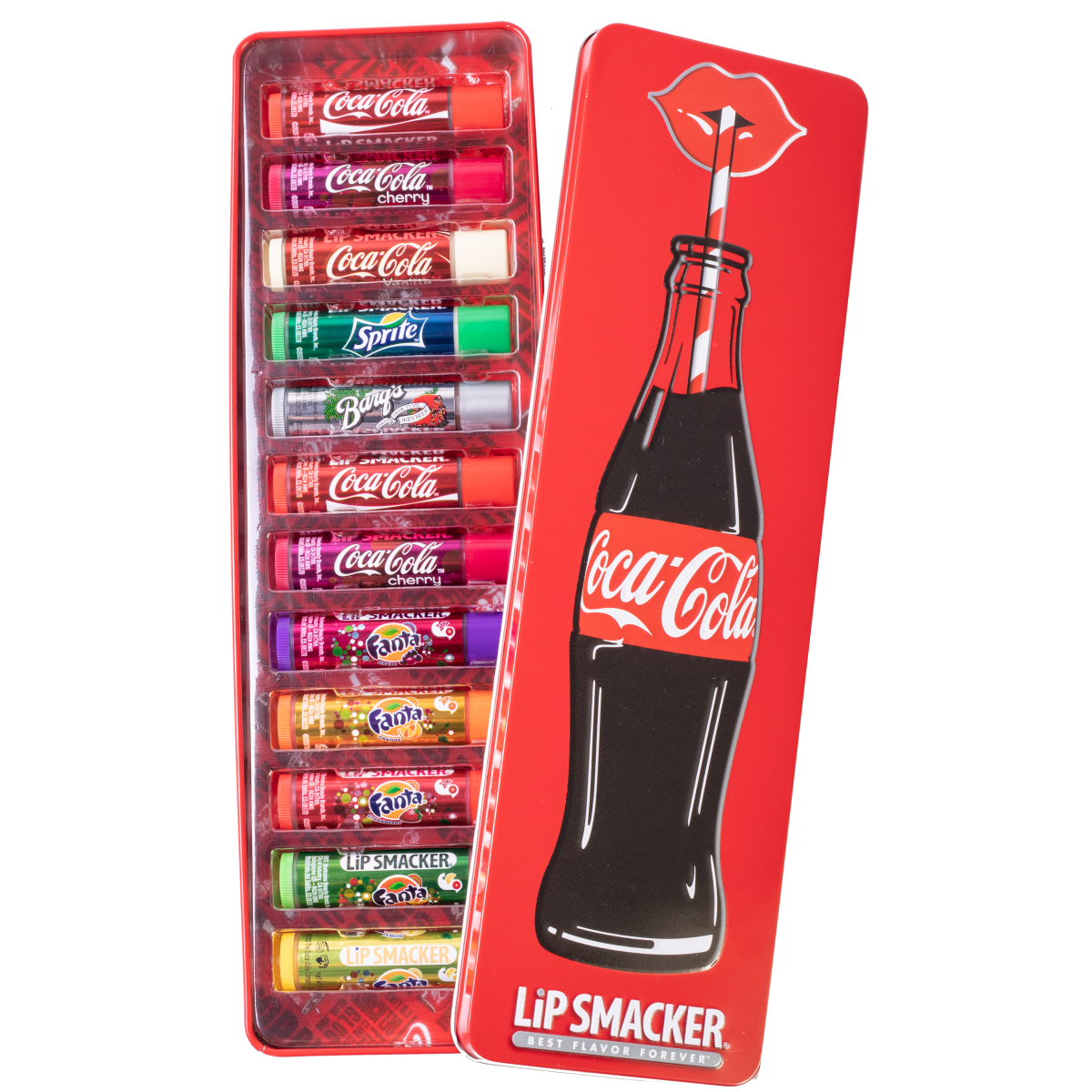
Another intriguing example of co-branding is the partnership between Lip Smackers (Bonne Bell) and Coca-Cola. The two companies combined their expertise to create soda-flavored lip balms. This product offered a fun, nostalgic twist on the traditional lip balm, delighting fans of both brands with its unique flavor profiles that included Coca-Cola, Sprite, and Fanta.
Hershey's and Betty Crocker brought the best of both worlds to baking enthusiasts with their co-branded cookie and cupcake mixes. The comfort and convenience of Betty Crocker mixes, combined with the beloved taste of Hershey's chocolates, resulted in a product that was a win-win for consumers. The partnership effectively expanded the reach of both brands, tapping into the baking and chocolate-loving demographics.
Clorox, through its subsidiaries Glad and Fresh Step, partnered with Proctor & Gamble's Febreze to develop a line of odor-blocking products. The co-branded products combined Glad's trash bags and Fresh Step's cat litter with Febreze's odor-eliminating technology. This collaboration allowed the brands to leverage each other's strengths, providing customers with a superior solution to common household challenges.
These examples demonstrate the potential of co-branding when the partnered brands are able to find a common ground that appeals to their respective audiences. The key to successful co-branding lies in understanding the unique strengths of each brand and creatively integrating them into a product or service that provides added value to the customer. Whether it's combining different interests like gaming and sports apparel, or enhancing a product's functionality by integrating complementary features, co-branding can open up new avenues for innovation, market reach, and customer engagement.

In the vibrant world of brand collaborations, understanding the nuances between co-branding and co-marketing is essential for crafting successful strategies. Though they may seem similar at first glance, each approach serves distinct purposes and achieves different outcomes. Let’s dive into the key differences and help you determine when to deploy each strategy.
Co-marketing involves two or more companies collaborating on a shared marketing effort to promote each other's products or services. The focus here is on mutual promotion rather than creating a new product or service. Co-marketing campaigns are often temporary and revolve around a specific event or timeframe, such as a seasonal campaign or a joint webinar.
For example, imagine two tech companies teaming up to host a virtual summit. They share promotional responsibilities and leverage each other's audiences to increase attendance. The goal is to amplify reach and increase brand awareness without altering their core product offerings.
Co-branding, on the other hand, is about creating a new, co-developed product or service that combines the strengths of both brands. It’s a strategic alliance where the brands work closely to deliver a unique offering that neither could achieve independently. The outcome is typically a tangible product that carries the brand identities of both partners, like a special edition sneaker or a co-branded food item.
Think of it as merging DNA; the resulting product is a new entity that draws on the heritage and appeal of each brand, aiming to captivate a shared audience. Co-branding tends to be a longer-term partnership with a focus on innovation and mutual enhancement of brand equity.
The primary objective of co-marketing is to leverage each partner's marketing channels to drive brand awareness and lead generation. It’s a strategic move to tap into new customer bases and expand visibility without the complexities of product development.
Conversely, co-branding seeks to deliver a unique market offering, often aiming to generate buzz and create a sense of exclusivity. The focus is on enhancing product appeal and opening new revenue streams, with the added benefit of sharing development costs and risks.
Choosing between co-marketing and co-branding depends on your brand’s goals and resources:
By understanding these differences, brands can strategically decide whether to co-market or co-brand, ensuring that their collaborative efforts align with their overall business goals and deliver the desired impact.

Co-branding has become a powerful strategy for businesses looking to broaden their horizons and tap into new customer segments. By partnering with another brand, companies can leverage complementary audiences, boost brand awareness, and enjoy the fruits of audience crossover success. Here’s how co-branding can effectively expand brand reach.
One of the most significant advantages of co-branding is the ability to access a partner's audience. When two brands collaborate, they bring together their unique customer bases, creating opportunities for cross-promotion. This is especially effective when the partnering brands have complementary products or services that naturally align. For example, a luxury car manufacturer partnering with a high-end audio brand allows both parties to appeal to consumers who value premium quality and are likely to be interested in both products.
Through strategic co-branding, companies can introduce their products to potential customers who might not have been aware of them otherwise. This broadened exposure can lead to increased brand recognition and ultimately, more sales.
Co-branding is not just about sharing audiences; it's also about amplifying brand awareness. When two brands team up, the combined marketing efforts can create a significant buzz, reaching a wider audience than either could achieve alone. This can be particularly beneficial for smaller or emerging brands that partner with established names. The association with a well-known brand can lend credibility and generate interest among new consumers.
Additionally, co-branded campaigns often receive more media attention, as they are seen as newsworthy collaborations. This increased visibility can further enhance brand awareness and solidify the brand’s presence in the market.
Successful co-branding initiatives often result in a seamless audience crossover, where consumers from both brands engage with the collaborative product or service. A classic example is the collaboration between a sports apparel company and a popular sports league. Such partnerships allow fans of the league to purchase merchandise that not only represents their favorite teams but also comes with the endorsement of a trusted apparel brand.
Another example could be a collaboration between a tech gadget company and a lifestyle brand. By creating a limited edition product, they can attract tech enthusiasts and lifestyle brand followers, who are drawn by the exclusivity and innovation of the offering. These successful partnerships demonstrate how co-branding can effectively bridge different consumer bases, enhancing reach and driving mutual growth.
In conclusion, co-branding serves as a formidable tool in expanding brand reach by leveraging complementary audiences, boosting brand awareness, and achieving audience crossover success. When executed thoughtfully, co-branding not only enhances visibility but also strengthens consumer connections, paving the way for sustained growth and market presence.

Co-branding strategies provide a unique opportunity for brands to enhance their value and drive sales. By combining their strengths, two brands can create a product or service that offers more value to the consumer than if they were to act alone. In this section, we'll delve deeper into how co-branding can enhance brand value and boost sales.
When two well-known brands join forces, they inherently vouch for each other's quality and credibility. This mutual endorsement can significantly enhance consumer trust. For instance, when tech giant Apple partnered with luxury brand Hermès to create a special edition of the Apple Watch, it boosted the perceived value and desirability of the product. Hermès' reputation for premium craftsmanship added a layer of luxury to the advanced technology of Apple, enhancing the overall brand value.
Co-branding can create a sense of novelty and exclusivity, which can drive consumer interest and sales. Limited edition co-branded products often create a buzz, as consumers rush to experience the unique combination before it's gone. This strategy can lead to a significant increase in sales during the launch period. For example, when fast-food chain Taco Bell collaborated with Doritos to create the Doritos Locos Tacos, they sold more than a billion units in the first year. The novelty of the product and the exclusivity of the partnership drove consumer interest and led to record-breaking sales.
Research shows that consumers are often willing to try co-branded products, particularly when the brands involved are already well-known and trusted. According to a study, 43% of consumers are more likely to try a new product if it's associated with a brand they already know and trust. This statistic highlights the potential of co-branding in reaching new audiences and driving sales.
In conclusion, co-branding is a powerful strategy for enhancing brand value and boosting sales. It allows brands to leverage their strengths and reputations, creating products and services that are more appealing and valuable to consumers. Whether it's by building credibility, driving sales through novelty and exclusivity, or leveraging consumer willingness to try new products, co-branding offers significant benefits for brands looking to expand their reach and increase their market share.
Embarking on a co-branding journey can be an exhilarating venture for businesses looking to expand their reach and boost brand value. However, success hinges on several critical factors. Here are some best practices to consider when forming a co-branding partnership:
The foundation of a successful co-branding partnership is selecting the right partner. Look for brands that share a similar ethos and complement your own. Consider their market reputation, target audience, and how their strengths can enhance your brand's offerings. Remember, a partnership should be mutually beneficial, leveraging each brand's strengths to create a more powerful joint proposition.
Values alignment is crucial for a seamless partnership. Brands should ensure they share core values and business ethics to avoid potential conflicts. Additionally, consider the target audiences of both brands. The ideal partnership will not only combine brand strengths but also create a synergy that appeals to both existing and new audiences. This alignment can lead to a stronger brand narrative and a more cohesive market presence.
Open and transparent communication is key to navigating the complexities of a co-branding partnership. Establish clear, shared goals from the outset. Define what success looks like and how both brands will work together to achieve it. Regular check-ins and updates can help maintain alignment and address any challenges promptly. Also, ensure that both parties have an equal say in the decision-making process to foster a collaborative environment.
To assess the effectiveness of a co-branding initiative, it's important to set measurable objectives and KPIs (Key Performance Indicators) from the start. These could include metrics such as increased sales, enhanced brand awareness, or expanded market reach. Regularly evaluate the partnership’s impact against these KPIs to gauge success and identify areas for improvement. This ongoing evaluation not only helps in understanding the ROI but also provides insights for refining future co-branding strategies.
By following these best practices, brands can forge co-branding partnerships that not only elevate their market presence but also create memorable and impactful experiences for their consumers. Remember, the ultimate goal is to create a win-win situation where both brands can thrive and offer enhanced value to their audiences.
As we wrap up this exploration into the dynamic world of co-branding, it's clear that this strategy offers a wealth of advantages for brands looking to amplify their reach and enhance their market presence. By aligning with another brand, businesses can tap into new audiences, boost their credibility, and potentially see a significant uptick in sales—all while sharing the marketing costs and risks associated with launching new products.
Throughout this blog, we've delved into the various facets of co-branding, from understanding its core principles to differentiating it from similar strategies like co-marketing. We've illustrated how brands like Nike and PlayStation, or Hershey's and Betty Crocker, have harnessed the power of co-branding to create iconic products that resonate with consumers across different markets. These examples underscore the potential for co-branding to not only enhance brand value but also to drive consumer interest through the novelty and exclusivity of such collaborations.
Moreover, co-branding can significantly expand brand reach by leveraging complementary audiences. This strategic crossover can lead to increased brand awareness and consumer loyalty, as seen in successful partnerships where the combined brand effort results in a product that appeals to a broader demographic than either brand could achieve alone.
For brands considering co-branding as a growth strategy, it's crucial to select the right partner. This involves aligning values and target audiences, ensuring clear communication, and setting shared goals. By doing so, brands can create a partnership that is not only beneficial but also sustainable in the long term. Measuring the success of these partnerships through predefined metrics is equally important to ensure that the collaboration achieves its intended objectives.
Co-branding is not without its challenges. It requires careful planning and execution to avoid potential pitfalls, such as brand dilution or mismatched brand values. However, when done right, it can be a game-changer for brands of all sizes, including small businesses, which can benefit from the increased exposure and shared resources that co-branding offers.
In conclusion, co-branding stands out as a powerful strategy for brands aiming to innovate and grow in today's competitive market landscape. By fostering strategic partnerships, brands can create unique value propositions that captivate consumers and drive business success. As you consider integrating co-branding into your marketing strategy, remember that the key lies in finding the right partner and maintaining a clear, collaborative vision. So, take a step forward, explore potential partnerships, and unlock new possibilities for your brand's growth journey.
Co-branding involves two brands coming together to create a unique product or service, like the McDonald's McFlurry with Oreo. Co-marketing, on the other hand, is when two brands collaborate on a marketing campaign, but don't create a new product or service. Both strategies have their own objectives and outcomes.
Choosing the right partner for co-branding involves aligning values and target audiences. It's crucial to find a brand with a complementary audience and shared goals. Clear communication is also key to ensure both brands are on the same page regarding the partnership's objectives.
Co-branding carries some risks, including potential damage to brand reputation if the partnership isn't well-received or if the partner brand faces controversy. It also requires a significant investment of time and resources. Therefore, it's crucial to carefully evaluate potential partners and the potential benefits of the partnership.
Yes, small businesses can definitely benefit from co-branding. It can provide exposure to new audiences, enhance brand credibility, and increase sales potential. However, it's important to choose a partner that aligns with your brand values and target audience.
Success of a co-branding campaign can be measured by evaluating shared goals like increased brand awareness, audience engagement, or sales. Brands can also use consumer feedback and market research to understand the impact of the partnership on brand perception.









LEAVE A COMMENT
Your email address will not be published.