- HOME
- FOR CLIENTS
- FOR FREELANCERS
- LOGIN
BLOG
New user? Create account

Varun Katyal is the Founder & CEO of Clapboard and a former Creative Director at Ogilvy, with 15+ years of experience across advertising, branded content, and film production. He built Clapboard after seeing firsthand that the industry’s traditional ways of sourcing talent, structuring teams, and delivering creative work were no longer built for the volume, velocity, and complexity of modern content. Clapboard is his answer — a video-first creative operating system that brings together a curated talent marketplace, managed production services, and an AI- and automation-powered layer into a single ecosystem for advertising, branded content, and film. It is designed for a market where brands need content at a scale, speed, and level of specialization that legacy agencies and generic freelance platforms were never built to deliver. The thinking, frameworks, and editorial perspective behind this blog are shaped by Varun’s experience across both the agency world and the emerging platform-led future of creative production. LinkedIn: https://www.linkedin.com/in/varun-katyal-clapboard/
The evolving Indian middle class has significant implications for marketers. These implications range from a shift in consumption patterns to the impact of women's financial independence. Understanding these changes can help marketers better tailor their strategies and campaigns to effectively reach this dynamic demographic.
One of the most noticeable changes is the shift from needs-based consumption to wants-based consumption. The Indian middle class, having achieved a level of financial stability, is now focusing more on fulfilling their desires rather than just meeting their basic needs. This shift presents an opportunity for marketers to offer products and services that cater to these new desires, such as luxury goods, high-end electronics, and unique travel experiences.
The younger generation, often referred to as GenZ, has become a crucial demographic for marketers. This generation is more digitally savvy, socially conscious, and value-driven than their predecessors. They are not just consumers but also influencers, with the power to shape trends and drive consumption patterns. Marketers need to recognize this power and engage with GenZ consumers in a meaningful and authentic way.
The rise of financial independence among middle-class women in India has also reshaped the consumer market. Women are making more independent purchasing decisions, impacting sectors from fashion and beauty to electronics and automobiles. This change necessitates a shift in marketing strategies to address the preferences and needs of this increasingly influential consumer group.
Just as the preferences of women are evolving, so too are those of middle-class men. Men are taking a greater interest in areas traditionally dominated by women, such as fashion and skincare. This development opens up new avenues for marketers to explore and capitalize on.
The COVID-19 pandemic has significantly impacted family dynamics, leading to changes in consumption patterns. Families are spending more time together at home, leading to increased demand for home entertainment, fitness equipment, and home improvement items. Additionally, health and safety have become top priorities, influencing purchasing decisions across various sectors. Marketers must adapt their strategies to reflect these changes and meet the evolving needs of consumers.
In conclusion, understanding these implications can help marketers create more effective strategies to engage with the Indian middle class. By recognizing and responding to these shifts, marketers can better connect with this demographic, meeting their needs and desires while building lasting relationships.

The evolving Indian middle class presents a unique set of opportunities and challenges for brands. Understanding the socio-economic shifts, consumer trade-offs, and aspirations that drive this segment's behavior can help brands build more successful strategies. Let's dive deeper into these insights.
The Indian middle class is characterized by socio-economic shifts that impact their purchasing decisions. The rise in disposable income, increased urbanization, and the growing influence of western culture are some of the notable shifts. Brands need to adapt their marketing strategies to these shifts to connect with the middle class effectively.
For instance, the increase in disposable income has led to an increased demand for luxury goods. Brands can leverage this opportunity by positioning their products as symbols of status and success. Similarly, the influence of western culture has increased the demand for western-style products and services. Brands can capitalize on this by introducing products that cater to these preferences.
The Indian middle class is not a homogeneous group. It comprises individuals with diverse backgrounds, values, and aspirations. Understanding these differences can help brands create more targeted and effective marketing campaigns.
For example, some consumers may prioritize affordability over quality, while others may be willing to pay a premium for high-quality products. Brands need to understand these trade-offs and position their products accordingly. Similarly, understanding the aspirations of the middle class can help brands create products and services that resonate with this segment.
For instance, many middle-class consumers aspire for a better lifestyle. Brands can cater to these aspirations by offering products and services that enhance their lifestyle, such as high-end appliances, luxury cars, or premium beauty products.
With the rise of social media and digital platforms, the power has shifted from brands to consumers. Today, consumers have a significant influence on brand perception and reputation. Therefore, brands need to adopt consumer-led brand building strategies to engage with the middle class effectively.
One effective strategy is co-creation, where brands involve consumers in the product development process. This not only improves the product's relevance but also makes consumers feel valued and heard. Another strategy is user-generated content, where brands encourage consumers to share their experiences and stories. This not only enhances brand visibility but also builds trust and authenticity.
In conclusion, understanding the Indian middle class's socio-economic shifts, consumer trade-offs, and aspirations can help brands build more successful strategies. By adopting consumer-led brand building strategies, brands can engage with this dynamic segment more effectively and build long-term relationships.
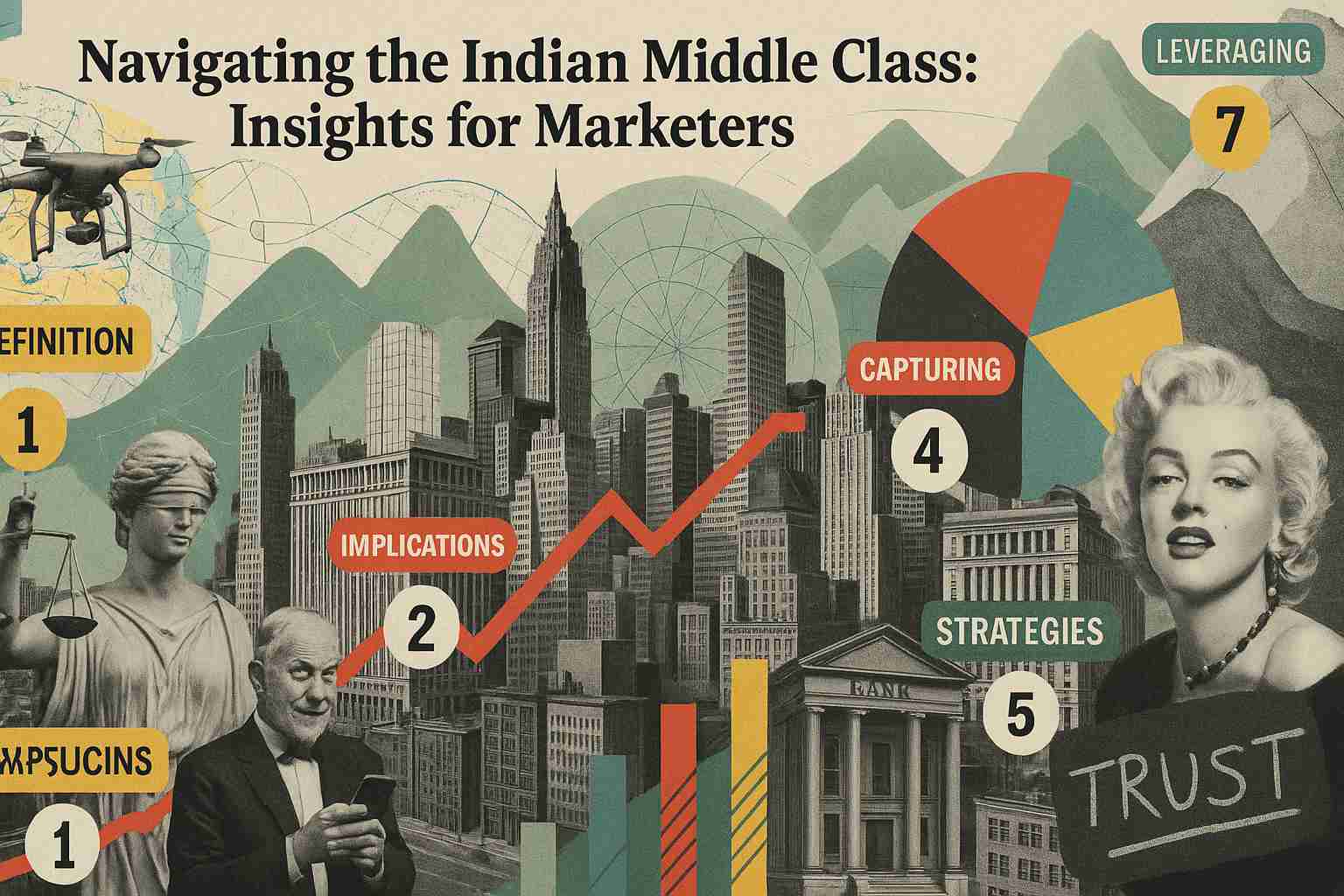
In a diverse and evolving market like India, capturing the attention and loyalty of the middle class is no small task. This requires understanding the middle class's values, aspirations, and purchasing behaviors, then translating that understanding into effective marketing strategies.
First, it's crucial to understand that the Indian middle class is not a homogenous group. Factors such as region, age, gender, and occupation all influence consumer behavior. For example, a middle-class consumer in a metropolitan city like Mumbai might have different preferences and expectations than a middle-class consumer in a smaller city like Bhopal.
One universal characteristic of the Indian middle class, however, is the emphasis on value for money. Middle-class consumers are willing to pay for quality, but they also expect a good return on their investment. This means that brands must not only deliver high-quality products and services, but also ensure that their pricing is competitive.
The Indian middle class is also marked by aspirational purchasing. This means that they are not just buying products for their functional utility, but also for the status and prestige they confer. Brands that can tap into these aspirations, whether it's through luxury branding, celebrity endorsements, or innovative marketing campaigns, can effectively capture middle-class attention and loyalty.
Trust is another critical factor in capturing middle-class loyalty. In a market where counterfeit and substandard products are common, middle-class consumers value brands that they can trust. This trust can be built through consistent quality, transparent business practices, and responsive customer service.
Finally, engaging with consumers is key to capturing their attention and loyalty. This means not just selling products, but also building relationships. Whether it's through social media engagement, personalized marketing, or community events, brands that invest in consumer engagement can foster a sense of loyalty and community among their customers.
In conclusion, capturing the attention and loyalty of the Indian middle class involves understanding their values and aspirations, delivering value for money, building trust, and engaging with consumers. By doing so, brands can not only increase their market share, but also foster a loyal customer base that can drive growth in the long term.
In today's competitive market landscape, achieving meaningful consumer engagement is crucial to build a strong, lasting relationship with the Indian middle class. This segment is evolving rapidly, becoming more discerning and informed. Therefore, brands need to adopt innovative strategies to engage with this dynamic demographic effectively.
Understanding the needs and wants of the middle-class consumer is paramount. It's important to remember that the Indian middle class is not a homogenous group. Their needs vary based on factors like age, gender, location, and cultural background. Therefore, brands should invest in market research and data analysis to understand these nuances and tailor their offerings accordingly.
Personalization is key to meaningful engagement. The middle-class consumer appreciates brands that take the time to understand their individual needs and preferences. Brands can leverage technology to offer personalized products, services, and communication. This not only fosters a sense of connection but also enhances customer loyalty and satisfaction.
Content is a powerful tool for engaging consumers. Brands can create a variety of content - blogs, videos, podcasts, social media posts - that resonates with the middle-class consumer. The content should be informative, entertaining, and in line with the brand's values. This helps in building a strong brand image and attracting the consumer's attention.
Today's middle-class consumer expects more than just a good product or service. They value brands that offer something more - be it exceptional customer service, a unique shopping experience, or a commitment to social causes. By providing this added value, brands can engage the consumer on a deeper level and foster a long-term relationship.
Building a community around your brand is a great way to engage consumers. This could be through social media groups, events, or loyalty programs. A sense of community not only enhances consumer engagement but also promotes word-of-mouth marketing, which is highly effective in the Indian market.
The Indian middle class is increasingly embracing digital channels for shopping, entertainment, and socializing. Therefore, brands need to have a strong digital presence to engage this demographic. This includes having a user-friendly website, being active on social media, and leveraging digital marketing strategies like SEO and PPC.
In conclusion, meaningful consumer engagement requires a deep understanding of the consumer, personalized approach, valuable content, and effective use of digital channels. By adopting these strategies, brands can build a strong, lasting relationship with the evolving Indian middle class.
Building trust and resonance with middle-class consumers is pivotal to the success of any brand. In the context of the Indian middle class, this is particularly crucial due to the demographic's evolving values and aspirations. So, how can marketers effectively resonate with this demographic and cultivate a trusting relationship? Let's delve into some effective strategies.
Firstly, brands need to understand the world in which their consumers live. This includes knowledge of their values, aspirations, and lifestyle choices. For instance, the Indian middle class is increasingly prioritizing quality over quantity and showing a preference for brands that offer value for money. A deep understanding of such trends can help brands align their offerings and communication to resonate with these consumers.
Authenticity and transparency are key to building trust with the Indian middle class. This demographic appreciates brands that are honest about their products and transparent about their business practices. A brand that openly communicates its values, mission, and commitment to quality can significantly enhance its credibility among these consumers.
Consistency is another critical factor in building trust. Middle-class consumers in India are known for their brand loyalty, which can be fostered by consistently delivering high-quality products and top-notch customer service. Brands that fail to maintain their product quality or service standards risk losing the trust of these consumers.
Engaging with consumers on a regular basis is a powerful way to build resonance. This can be achieved through various channels, including social media, email newsletters, and customer service. Regular communication helps keep the brand at the top of consumers' minds and fosters a sense of connection.
CSR activities also play a significant role in building trust with the Indian middle class. This demographic appreciates brands that give back to society and have a positive social impact. By integrating CSR initiatives into their business model, brands can appeal to the social consciousness of these consumers and enhance their trustworthiness.
In conclusion, building trust and resonance with middle-class consumers in India requires a deep understanding of their values and aspirations, authentic and transparent communication, consistent quality and service, regular engagement, and a commitment to social responsibility. By adopting these strategies, brands can successfully connect with this dynamic demographic and foster a long-lasting relationship.
As the Indian middle class continues to grow and evolve, so too do their digital habits. This presents a significant opportunity for marketers to leverage digital platforms for middle-class outreach. In this section, we will explore some key strategies for doing so.
The first step in leveraging digital platforms is understanding the digital landscape of the Indian middle class. With increased access to internet connectivity and smartphones, digital platforms have become a part of everyday life. Whether it's social media, online shopping, or digital entertainment platforms, the middle class is more connected than ever before.
Therefore, marketers need to ensure that they are present where their target audience is. This could mean establishing a strong presence on social media, creating engaging content for digital platforms, or utilizing online advertising to reach potential customers.
One key aspect of the Indian middle class's digital behavior is their mobile-first approach. In fact, the majority of internet users in India access the internet through their mobile devices. This means that any digital strategy must be mobile-friendly.
Whether it's a website, an email campaign, or an online advertisement, it needs to be optimized for mobile viewing. Not only does this ensure that your content is accessible, but it also improves the user experience, increasing the likelihood of engagement and conversion.
Personalization and localization are two key strategies for effective digital outreach. With the vast amount of information available online, consumers are increasingly looking for personalized experiences that cater to their unique needs and preferences.
Marketers can leverage data analytics to gain insights into consumer behavior and preferences, enabling them to create personalized content and offers. Similarly, localization—whether it's language, cultural references, or local trends—can help brands resonate with their target audience on a deeper level.
Social media platforms provide an excellent opportunity for brands to engage with the Indian middle class. With platforms like Facebook, Instagram, and Twitter being widely used, marketers can create engaging content to connect with their audience.
But it's not just about creating content; it's about creating conversations. Brands should aim to create interactive content that encourages engagement, such as comments, shares, and likes. This not only helps to increase brand visibility but also builds a sense of community and loyalty among consumers.
In conclusion, leveraging digital platforms for middle-class outreach involves understanding the digital landscape, adopting a mobile-first approach, personalizing and localizing content, and engaging actively on social media. By doing so, brands can effectively connect with the evolving Indian middle class and drive meaningful engagement.
Understanding the Indian middle class' evolving values and behaviors is crucial for successful marketing. Let's explore some case studies of brands that have successfully tapped into this dynamic demographic to drive growth and build loyalty.
Tata Motors' 'Desh Ki Dhadkan' campaign for its car, Tata Indica, is a classic example of emotional marketing done right. The campaign highlighted Indian middle-class values like family, hard work, and aspiration, positioning the Indica as a symbol of Indian pride. This emotional connection resonated with the middle class, leading to a significant increase in sales and brand affinity.
Amul, a leading Indian dairy brand, has consistently focused on providing high-quality products at affordable prices, aligning with the middle-class' emphasis on value for money. Their successful 'Utterly Butterly Delicious' campaign for Amul butter used humor and topical references, making it relatable and engaging for the middle-class audience. This approach has kept Amul at the forefront of the Indian dairy market.
Flipkart, an Indian e-commerce giant, has successfully tapped into the increasing digital savviness of the Indian middle class. Their 'Ab Har Wish Hogi Poori' campaign, which emphasizes the convenience and variety of online shopping, has been a hit among the middle-class consumers. Moreover, their easy-to-use interface and customer-friendly policies have helped build trust and loyalty among this demographic.
Patanjali, a fast-moving consumer goods company, capitalized on the 'Swadeshi' movement that encourages the use of Indian-made goods. Their products, ranging from food items to personal care, appeal to the middle class' preference for natural and affordable products. Patanjali's success demonstrates the potential of aligning with cultural movements and values to connect with the Indian middle class.
Reliance Jio, a telecommunications company, revolutionized the Indian market by offering affordable data plans, thus democratizing digital access for the middle class. Their 'Jio Digital Life' campaign, which highlighted the transformative power of digital connectivity, resonated with the middle class' aspiration for digital inclusion. Jio's success underscores the potential of disruptive pricing and inclusive marketing to attract the Indian middle class.
In conclusion, successful marketing to the Indian middle class requires an understanding of their evolving values, aspirations, and behaviors. Brands that can tap into these insights, like the ones discussed in these case studies, can build deep connections with this demographic, driving growth and loyalty.
As we look towards the future, the Indian middle class is set to play an even more significant role in shaping the country's economic landscape. The growth and evolution of this demographic will inevitably impact how businesses approach their marketing strategies. Here are some of the trends and predictions we foresee for middle-class marketing in the coming years.
The digital revolution in India is far from over. With increasing internet penetration and smartphone usage, digital platforms will continue to dominate the marketing landscape. Brands will need to invest heavily in online marketing strategies, from social media advertising to influencer collaborations, to engage with the middle-class audience effectively.
Indian consumers are becoming increasingly conscious about the products they purchase and the companies they support. Issues like sustainability, ethical sourcing, and corporate social responsibility are gaining importance. Brands will need to address these concerns transparently and genuinely to earn the trust of middle-class consumers.
As the middle class continues to grow and diversify, a one-size-fits-all approach will no longer suffice. Brands will need to adopt more personalized marketing strategies to cater to the varied tastes and preferences of this demographic. This could range from personalized content and offers to customized products and services.
While the middle class is willing to spend more on quality products and experiences, they still seek value for their money. Marketers will need to strike a balance between premium positioning and affordability. Offering high-quality products at competitive prices will be key to winning the middle-class consumer.
There's a rising trend of 'vocal for local' among the Indian middle class. Consumers are showing a greater preference for homegrown brands that resonate with their cultural identity and values. Brands that can tap into this sentiment will have a significant advantage in the market.
The COVID-19 pandemic has brought health and wellness to the forefront of consumer consciousness. This trend is likely to persist, with middle-class consumers increasingly seeking products and services that contribute to their physical and mental well-being. Brands that can cater to this demand will find a ready market.
In conclusion, marketing to the Indian middle class in the future will require a nuanced understanding of their evolving values, preferences, and behaviors. Brands that can adapt to these changes and effectively communicate their value proposition will be well-positioned to succeed in this dynamic and lucrative market.
As we've explored throughout this blog, the Indian middle class is not a static demographic. It's a vibrant, evolving segment of society that's continually reshaping itself in response to socio-economic shifts, generational changes, and global influences. Their values, aspirations, and consumer behaviors are in a state of flux, presenting both challenges and opportunities for marketers and brands.
However, one constant remains amid this change: the need for brands to establish meaningful connections with these consumers. Understanding the nuances of the Indian middle class, their changing values, and their evolving consumption patterns is key to building trust, loyalty, and resonance.
Marketers who can navigate these complexities, tap into their aspirations, and engage them on their terms will be the ones who succeed in capturing their attention and loyalty. The brands that can do this while also leveraging the power of digital platforms will be well-positioned to thrive in the ever-evolving Indian market.
Remember, it's not just about selling products or services. It's about creating experiences, fostering relationships, and building a brand that aligns with the middle class's values and aspirations. It's about being a part of their journey, understanding their struggles, and celebrating their successes.
Whether you're a seasoned marketer or a brand just starting your journey in the Indian market, I hope this blog has provided you with valuable insights and strategies to connect with the Indian middle class more effectively. The future of middle-class marketing in India is full of exciting possibilities, and I can't wait to see how it unfolds.
In conclusion, the evolution of the Indian middle class is a testament to India's growth story. It's a narrative of progress, aspiration, and resilience. And for marketers and brands, it's a call to action to reassess their strategies, realign their values, and redefine their engagement tactics to resonate with this dynamic demographic.
Thank you for joining me on this exploration of the Indian middle class and their impact on marketing. I hope it's been as enlightening for you as it has been for me. Let's continue the conversation, share your thoughts, experiences, or questions in the comments below. Here's to a future of meaningful engagement with the Indian middle class!
The definition of the Indian middle class is influenced by several factors including income levels, education, occupation, and family background. It's also shaped by changing family structures and values, as well as evolving socio-economic trends in the country.
The Indian middle class is experiencing a shift from needs-based to wants-based consumption. This is largely due to rising disposable incomes and exposure to global trends. This change has significant implications for marketers and brands.
Brands can build trust with middle-class consumers by understanding their values, aspirations, and needs. It's also important to deliver high-quality products and services, engage with consumers on a personal level, and maintain ethical business practices.
Effective strategies for engaging the middle class include leveraging digital platforms for outreach, understanding and catering to consumer trade-offs and aspirations, and creating meaningful and authentic brand narratives.
Women's financial independence is leading to a more diverse middle-class market. It's creating new consumer segments and influencing purchase decisions, as women increasingly have the financial power to buy products and services for themselves and their families.
Digital platforms are powerful tools for reaching the middle class. Brands can use social media, digital advertising, and online content to connect with consumers, engage them in meaningful ways, and promote their products and services effectively.
GenZ consumers are a significant segment of the middle-class market. They are tech-savvy, globally connected, and have distinct values and preferences. Brands need to understand and cater to this demographic to succeed in the middle-class market.
Future trends in middle-class marketing include increased digital engagement, greater emphasis on sustainability and ethical practices, and a continued shift towards wants-based consumption. Understanding these trends can help brands stay relevant and competitive.
Yes, our blog includes several case studies of successful marketing campaigns targeted at the Indian middle class. These examples demonstrate effective strategies and provide valuable insights for brands.
COVID-19 has significantly impacted middle-class family dynamics. It has changed consumption patterns, influenced family values, and shifted priorities. These changes have important implications for marketers and brands targeting the middle class.








LEAVE A COMMENT
Your email address will not be published.