- HOME
- FOR CLIENTS
- FOR FREELANCERS
- LOGIN
BLOG
New user? Create account

Varun Katyal is the Founder & CEO of Clapboard and a former Creative Director at Ogilvy, with 15+ years of experience across advertising, branded content, and film production. He built Clapboard after seeing firsthand that the industry’s traditional ways of sourcing talent, structuring teams, and delivering creative work were no longer built for the volume, velocity, and complexity of modern content. Clapboard is his answer — a video-first creative operating system that brings together a curated talent marketplace, managed production services, and an AI- and automation-powered layer into a single ecosystem for advertising, branded content, and film. It is designed for a market where brands need content at a scale, speed, and level of specialization that legacy agencies and generic freelance platforms were never built to deliver. The thinking, frameworks, and editorial perspective behind this blog are shaped by Varun’s experience across both the agency world and the emerging platform-led future of creative production. LinkedIn: https://www.linkedin.com/in/varun-katyal-clapboard/
In the face of any crisis, companies often feel the pressure to drastically cut their costs, and unfortunately, brand building activities are frequently the first to be compromised. However, the key takeaway from the Cannes Lions International Festival of Creativity this year is that brand building remains a fundamental aspect of business strategies that should not be compromised, even during crises.
Brand building is more than just a logo or a tagline. It's about creating a distinct identity, a unique voice, and a consistent message that resonates with your audience. It's about creating an emotional connection with your customers that extends beyond the product or service. It's about building trust, loyalty, and long-term customer relationships. When done right, brand building can help you stand out in a crowded market, increase customer loyalty, and drive business growth.
One standout example of consistent brand messaging is Dove's 'Real Beauty' campaign. This long-term brand platform has helped Dove stand out in a crowded beauty market by celebrating the natural beauty of all women, and challenging the traditional beauty standards often portrayed in the media. The campaign resonated with women around the world, helping to establish Dove as a leader in the beauty industry and a champion for women's empowerment.
However, while brand building is essential, it should not be done in isolation. It should be viewed as complementary to performance marketing activities, rather than in opposition. In an ideal world, brand spend and performance budgets would work hand in hand, supporting each other to achieve effective full-funnel strategies. While performance marketing activities can help drive short-term sales and ROI, brand building activities can help build long-term customer relationships and brand loyalty, which can ultimately lead to sustainable business growth.
So, as we navigate through these uncertain times, let's not forget the importance of brand building. Let's continue to invest in our brand, to communicate our unique value proposition, and to build strong, emotional connections with our customers. Because at the end of the day, it's not just about selling a product or service, it's about building a brand that people know, trust, and love.

In the third section of our blog, we're diving into a fresh perspective on creator effectiveness in the current marketing landscape. The section is fittingly titled "Culture Club: Rethinking Creator Effectiveness". In the rapidly evolving digital era, the role and impact of content creators cannot be understated. They have become essential players in the world of marketing, often acting as a bridge between brands and their audiences.
One of the key takeaways from the Cannes Lions International Festival of Creativity was the undeniable impact of culturally vibrant brands. Brands that successfully resonate with the culture of their target audience often experience accelerated growth. This is primarily because they foster a sense of authenticity and connection with their audience, which in turn, builds trust and loyalty.
This is where content creators come into play. They are often deeply embedded in the culture they represent, enabling them to create content that authentically resonates with the audience. This authenticity is the secret ingredient that can make a brand's marketing strategy incredibly effective.
Let's take the example of Vaseline's 'Vaseline Verified' campaign. This campaign was a stellar example of how creator content can be leveraged to engage audiences authentically. Vaseline partnered with various creators who represented different cultures and backgrounds. These creators shared their unique experiences and perspectives, all while integrating Vaseline's products into their content. The campaign was successful in connecting with a diverse audience on a personal level, thereby boosting the brand's equity.
However, it's essential to remember that the use of creators in a brand's marketing strategy should not be an afterthought. Instead, it should be a deliberate and integral part of the overall brand building process. Creators bring a unique blend of creativity, personal connection, and cultural insight, which can significantly contribute to a brand's identity and value in the eyes of its audience.
To summarize, the power of culture in marketing is immense, and creators are the perfect catalysts to tap into this power. They bring an authenticity and cultural connection that can help brands resonate with their audience, foster loyalty, and ultimately drive faster growth.
So, as we rethink creator effectiveness in the current marketing landscape, it's clear that their role is not just about creating content. They are culture translators, brand ambassadors, and a powerful tool for brands to connect with their audience in a meaningful and authentic way.
One of the remarkable themes that emerged from the Cannes Lions International Festival of Creativity was the concept of connected creativity. This refers to the practice of creating cohesive, cross-channel campaigns that resonate with the target audience on multiple levels. By creating a seamless experience across all touchpoints, brands can engage their audience more effectively and create a stronger impact.
Connected creativity is about more than just having a consistent message across different platforms. It's about creating a comprehensive, well-rounded campaign that hits all the right notes and leaves no gaps in the consumer journey. This means considering every aspect of the campaign, from the initial concept to the execution and follow-up.
One of the main reasons why campaign connectivity is so crucial is due to the synergy effect it can have on a campaign's overall impact. When all the different components of a campaign work together in harmony, they can create a much stronger impact than they would individually.
Furthermore, in today's multi-device, multi-platform world, consumers are constantly bombarded with information from all directions. If a brand's message is inconsistent or disjointed, it can easily get lost in the noise. But when a campaign is cohesive and connected, it's much more likely to cut through the clutter and resonate with the target audience.
A standout example of connected creativity in action is Desperados' 'The Beer with Latin Vibe' campaign. This campaign was designed to showcase the brand's Latin roots and appeal to a younger, more adventurous demographic.
The campaign included a series of short films, social media content, and experiential events, all of which were tied together by a common theme and aesthetic. The result was a cohesive, cross-channel campaign that successfully engaged the target audience and strengthened the brand's image.
One of the most effective aspects of this campaign was its use of multiple content pieces to tell a consistent story. Whether consumers were watching a short film on YouTube, scrolling through social media, or attending a live event, they were presented with a consistent, immersive experience that reinforced the brand's message and identity.
In conclusion, connected creativity is an effective strategy for brands looking to create a stronger impact with their marketing campaigns. By ensuring consistency and cohesion across all touchpoints, brands can engage their audience more effectively and create a more memorable and impactful campaign.
As the marketing landscape continues to evolve, businesses must adopt innovative strategies to future-proof their brands. This involves keeping up with new technologies, exploring unconventional marketing channels, and embracing bold, creative ideas.
Innovation in marketing is not just about using the latest tech tools or digital platforms, it's about thinking differently and daring to take risks. This might mean venturing into emerging markets, adopting a fresh approach to storytelling, or creating immersive experiences that captivate consumers.
One of the key ways to future-proof your brand is by embracing data-driven marketing. This involves using insights derived from customer data to inform your marketing strategy. With a data-driven approach, you can better understand your audience's needs, preferences, and behaviors, allowing you to create personalized, relevant, and effective campaigns.
Another crucial aspect of future-proofing is agility. The ability to quickly adapt to changes and pivot your marketing strategy is invaluable in today's fast-paced, ever-changing marketing landscape. This might involve shifting your focus from traditional media to digital channels, or adjusting your messaging in response to current events or trends.
Finally, future-proofing also involves sustainability. As consumers become increasingly conscious of the impact of their purchasing decisions on the environment, brands that demonstrate a commitment to sustainability are likely to have a competitive edge.
Here are some examples of innovative marketing strategies that are future-proofing brands:
In conclusion, future-proofing your brand involves a combination of innovative thinking, data-driven strategies, agility, and a commitment to sustainability. By embracing these principles, you can ensure that your brand remains relevant and competitive in the ever-evolving marketing landscape.
More than ever, consumers are aligning their purchasing decisions with their values, making it essential for brands to demonstrate a strong and authentic purpose. Brands with a clear sense of purpose not only enjoy the loyalty of their customers but also can charge a premium for their products or services.
When we talk about a brand's purpose, we're referring to the reason a brand exists beyond making money. It's about the change a brand wants to make in the world and how it contributes to society. A brand's purpose should guide its business strategies and decisions and be evident in every interaction with customers and stakeholders.
The benefits of a clear brand purpose are numerous. First, it helps to differentiate a brand in a crowded market. Second, it can create a deep emotional connection with customers. Finally, it can inspire and guide internal teams, fostering a sense of pride and commitment among employees.
However, it's important to note that a brand's purpose must be authentic. Consumers are savvy, and they can easily spot a brand that's only paying lip service to a cause or using it as a marketing ploy. Authenticity means that a brand's actions match its words and that it's willing to make tough decisions in line with its purpose.
Here are some examples of brands that have successfully harnessed the power of purpose:
In conclusion, a clear and authentic purpose can be a powerful asset for a brand. It can help to differentiate a brand, create emotional connections with customers, and inspire internal teams. However, brands need to ensure that their purpose is more than just words, but is reflected in their actions and decisions.
Non-Fungible Tokens (NFTs) and blockchain technology are the latest buzzwords in the digital sphere. However, they are not just trendy concepts; they are transformative technologies that could reshape marketing and advertising as we know it. In this section, we will delve into the potential of these technologies and how they can be incorporated into modern marketing strategies.
Firstly, let's understand what NFTs and blockchain are. Blockchain is a decentralized, digital ledger technology that securely records transactions across multiple computers. NFTs, on the other hand, are unique digital assets stored on a blockchain, representing a wide range of tangible and intangible items, from digital art to virtual real estate.
So, how can these technologies revolutionize marketing? Let's explore a few potential applications.
Blockchain technology can enhance brand authenticity and transparency. By recording transactions on a decentralized ledger, blockchain enables secure traceability. For instance, luxury brands can use blockchain to verify product authenticity, helping combat counterfeit products and boosting consumer confidence.
NFTs can serve as innovative marketing tools. Brands can create unique digital assets, like branded digital art or virtual merchandise, and sell or give them away as part of their marketing campaigns. This not only generates buzz around the brand but also enables a new revenue stream. For instance, Taco Bell recently sold NFT-based digital art, with proceeds going to charity.
Blockchain can take customer loyalty programs to the next level. With blockchain, brands can create a secure, transparent, and hassle-free loyalty program where customers can easily track and redeem their points. This can enhance customer engagement and loyalty.
Blockchain and NFTs allow brands to interact directly with their consumers, bypassing intermediaries. This direct interaction can lead to improved customer relationships and increased brand loyalty.
In conclusion, while NFTs and blockchain technology are still in their infancy in the marketing landscape, their potential is enormous. Marketers should start exploring these technologies now to stay ahead of the curve and leverage their transformative potential.
In today's dynamic and ever-evolving marketplace, consumers are increasingly looking for more than just a product or service. They're seeking out brands that align with their values, support causes they care about, and make a positive impact on the world.
Companies that recognize this shift and incorporate a meaningful purpose into their brand identity are finding themselves at the forefront of consumer consciousness. Not only does a strong brand purpose foster deep connections with customers, but it also provides a guiding light for the company's actions and decisions.
Let's look at some key ways brands are leveraging the power of purpose.
More than ever, consumers are expecting brands to take a stand on social, environmental, and political issues. Brands that do so authentically and meaningfully are earning consumer respect and loyalty. For example, Patagonia's commitment to environmental sustainability isn't just a marketing strategy - it's a core part of their business model. They donate a percentage of their profits to environmental causes and encourage customers to buy used Patagonia products rather than new ones to reduce waste.
Some brands are going beyond simply making a statement and are aligning their products or services with their purpose. TOMS Shoes, for instance, operates on a one-for-one model, donating a pair of shoes to a child in need for every pair sold. This not only drives sales but also allows customers to feel they're making a difference with their purchase.
A strong purpose is not only externally focused but also permeates a company's internal culture. Employees at companies with a clear, meaningful purpose often report higher levels of engagement and satisfaction. Salesforce, for example, has embedded giving back into its culture with its 1-1-1 model, donating 1% of its product, 1% of its equity, and 1% of employees' time to charitable causes.
In conclusion, the power of purpose is transforming the way brands interact with their customers, employees, and the world. By championing causes that resonate with their audience, aligning their products or services with this purpose, and cultivating a purpose-driven internal culture, brands can create deep, lasting connections with consumers and differentiate themselves in a crowded marketplace.
As marketers, we have long understood the significance of storytelling in advertising. Stories have the power to move people, to inspire, and to create a lasting connection between the brand and its audience. In this section, we will delve into the art of storytelling, its impact on advertising, and how it has evolved over the years.
Firstly, let's talk about why storytelling is important. Advertisements that tell a story don't just sell a product or service, they sell an experience, an emotion, a lifestyle. They resonate with consumers on a deeper level, making the brand more memorable and its message more impactful. It's no wonder that storytelling has been at the heart of many successful advertising campaigns.
Next, let's look at how storytelling has evolved in advertising. With the advent of digital media, brands now have more platforms and formats to tell their stories. From short video clips on social media to immersive virtual reality experiences, the opportunities for creative storytelling are virtually limitless. Moreover, brands can now engage their audience in their narratives through interactive content and user-generated content, making the storytelling process more dynamic and engaging.
One thing that hasn't changed, however, is the power of a good story. Regardless of the medium or format, a compelling narrative can captivate an audience like nothing else. It's the emotional connection that a story creates that makes it so effective. As Maya Angelou once said, "People will forget what you said, people will forget what you did, but people will never forget how you made them feel."
So, how can brands leverage storytelling in their advertising campaigns? Here are a few strategies:
In conclusion, storytelling is a powerful tool in advertising. It enables brands to connect with their audience on a deeper level, creating memorable experiences and fostering brand loyalty. As we continue to navigate the ever-evolving advertising landscape, the art of storytelling will undoubtedly remain a crucial component of successful advertising strategies.
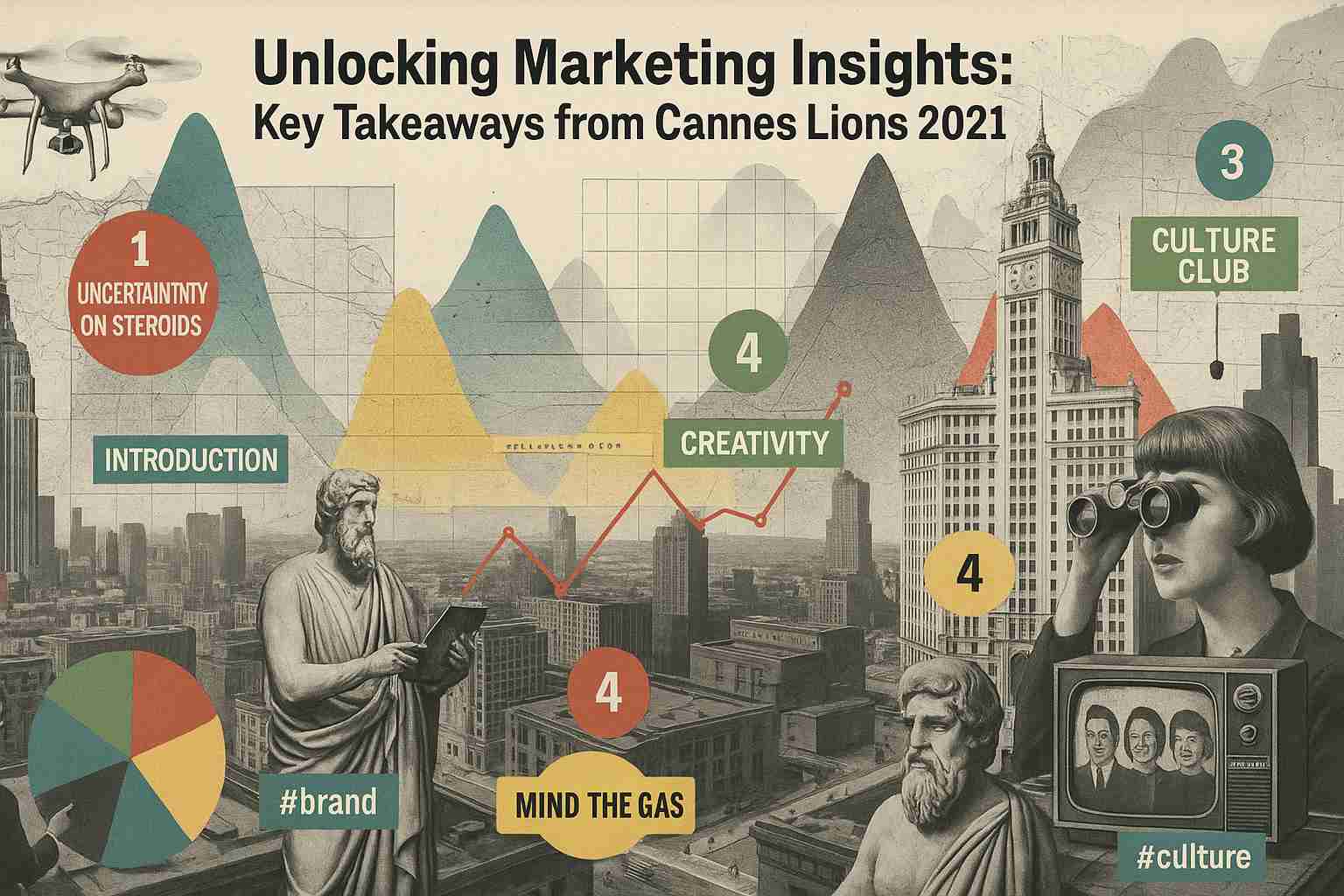
In wrapping up, it's clear that the Cannes Lions International Festival of Creativity has once again shed light on some key trends and themes that are shaping the marketing world. From the importance of understanding and addressing consumer uncertainty, to the value of brand building and the role of creators in today's advertising landscape, this event has provided rich insights for marketers to take away.
What stands out is the reality that, despite the many challenges and uncertainties we face in our global climate, creativity continues to thrive. It's the force that drives standout marketing campaigns and the heart of every successful brand. It's what enables brands to connect authentically with their audiences, to create meaningful experiences, and to navigate the ever-evolving consumer landscape.
Moreover, the Festival's themes and examples underline the importance of maintaining brand consistency, developing culturally relevant campaigns, and ensuring campaign connectivity. The showcased campaigns serve as a testament to the power of these approaches and a source of inspiration for marketers worldwide.
So, as we move forward, let's remember the lessons learned from this year's Cannes Lions Festival. Let's strive to be creative in our strategies, sensitive to our consumers' realities, and committed to building lasting brand relationships. Let's embrace the challenges as opportunities to innovate and grow.
And finally, let's continue to celebrate creativity, for it's the very essence of our industry and the driving force behind all successful marketing endeavors. So, here's to a more creative, more connected, and more authentic future in marketing!
Thank you for joining us on this journey through the key takeaways from the Cannes Lions International Festival of Creativity. We hope it has provided valuable insights to help you navigate your marketing strategies. Until next time, stay creative!
The Cannes Lions International Festival of Creativity is an influential event that highlights and celebrates creative excellence in marketing and advertising. It sets the tone for industry trends and showcases innovative campaigns that are pushing boundaries in the sector.
Global uncertainties, such as tariff disputes and market fluctuations, are significantly affecting consumer behavior and marketing budgets. Marketers are now focusing more on understanding these evolving consumer realities and providing meaningful support to help address uncertainties.
Brand building is essential even during crises as it helps maintain trust and connection with consumers. It's important to view brand spending as complementary to performance budgets for effective full-funnel strategies. Consistent brand messaging, like Dove's 'Real Beauty,' can have a powerful impact.
Creators play a crucial role in modern brand building. They contribute impactful content that helps brands connect authentically with their audiences. Culturally vibrant brands, which often leverage creator content, tend to experience faster growth.
Campaign connectivity is essential for effectiveness. Synergy effects play a significant role in campaign impact. This highlights the importance of creating multiple, cohesive content pieces for cross-channel campaigns, ensuring a unified and coherent brand message across platforms.
The 'Price Packs' campaign by Penny is an example of tackling consumer uncertainty. It focused on ensuring price stability and reliability, thus providing meaningful support to consumers during times of global economic uncertainty.
One example of a long-term brand platform is Dove's 'Real Beauty' campaign. It demonstrates the power of consistent brand messaging, emphasizing authenticity and inclusivity, which has resonated with consumers for years.
Vaseline leveraged creator content in its 'Vaseline Verified' campaign to engage audiences authentically. This approach allowed the brand to build a more authentic connection with its audience by leveraging the voices and creativity of influential creators.
'The Beer with Latin Vibe' is a campaign by Desperados that demonstrated the power of connected creativity. It used cohesive, cross-channel campaigns to create a unified brand message, thus highlighting the importance of campaign connectivity for effectiveness.
A full-funnel strategy in marketing involves addressing every stage of the customer's journey, from awareness to conversion. It requires a balance of brand spend and performance budgets to effectively build brand awareness, engage potential customers, and ultimately drive conversions.








LEAVE A COMMENT
Your email address will not be published.