- HOME
- FOR CLIENTS
- FOR FREELANCERS
- LOGIN
BLOG
New user? Create account

Varun Katyal is the Founder & CEO of Clapboard and a former Creative Director at Ogilvy, with 15+ years of experience across advertising, branded content, and film production. He built Clapboard after seeing firsthand that the industry’s traditional ways of sourcing talent, structuring teams, and delivering creative work were no longer built for the volume, velocity, and complexity of modern content. Clapboard is his answer — a video-first creative operating system that brings together a curated talent marketplace, managed production services, and an AI- and automation-powered layer into a single ecosystem for advertising, branded content, and film. It is designed for a market where brands need content at a scale, speed, and level of specialization that legacy agencies and generic freelance platforms were never built to deliver. The thinking, frameworks, and editorial perspective behind this blog are shaped by Varun’s experience across both the agency world and the emerging platform-led future of creative production. LinkedIn: https://www.linkedin.com/in/varun-katyal-clapboard/
Today's digitally-powered marketplace is bursting at its seams with content. Every brand, regardless of its size or domain, is jostling for a slice of the consumer's attention. With this ceaseless torrent of information, how does one distinguish between simple content marketing and the profound realm of brand storytelling? Let's delve deep into these concepts, drawing insights from industry leaders and pioneering studies.
Content marketing can be likened to the threads that make up the intricate fabric of a brand's online presence. It encompasses a myriad of forms—blog posts, videos, infographics, podcasts, and more—all with the aim to inform, engage, and drive a specific action, whether that be a purchase, a subscription, or a simple share.
According to SEMrush, a brand's story must seamlessly run through its content marketing. This implies that every piece of content—a blog post on your website or a tweet—should resonate with the brand's overarching narrative. Yet, content marketing predominantly focuses on the what and how of a brand. What are the brand's products or services? How can they benefit the consumer? While essential, these facets of branding touch only the surface of a consumer's psyche.
Enter brand storytelling, the art and science of weaving a brand's core essence into an engaging narrative. It ventures beyond the superficial layers, probing into the why of a brand. Why does the brand exist? What values and beliefs underscore its foundation? What's the brand's vision for its consumers and the world at large?
Referring to the insights from SEMrush, consumers perceive their purchases and the brands they endorse as extensions of their personal identities and values. This extends the brand-consumer relationship from a mere transactional interaction to a deeply emotional bond. Brand storytelling doesn't just sell a product; it sells a dream, a vision, a shared ideal.
Moreover, brand storytelling emphasizes an emotion-driven, cohesive narrative. It's not about bombarding the consumer with fragmented pieces of information. Instead, it's about crafting a tale that tugs at the heartstrings, evoking feelings of trust, admiration, and loyalty.
While distinct in their core objectives, content marketing and brand storytelling are not mutually exclusive. A well-rounded marketing strategy seamlessly integrates the two. Content marketing provides the channels and mediums to broadcast the brand's story, ensuring it reaches the intended audience. On the other hand, brand storytelling infuses soul into this content, making it memorable and impactful.
Drawing parallels with literature, if content marketing were the chapters of a book, brand storytelling would be its underlying theme, weaving through each chapter, binding them into a harmonious tale.
While content marketing lays down the tracks for the brand's journey, brand storytelling is the engine that propels it forward, powered by the fuel of emotions, values, and dreams. As modern marketers, understanding and leveraging this delicate balance is our key to crafting narratives that not only sell but also inspire.
In today's hyper-competitive market, with myriad brands vying for consumer attention, what makes one brand stand out from another? Beyond the quality of products or services, it's the story a brand tells and the emotions it evokes that carve a lasting niche in the consumer's mind. Let's delve into the monumental importance of brand storytelling and its ripple effects on shaping consumer perceptions and decisions.
Brands have evolved from being mere business entities to symbolic representations of ideals, values, and aspirations. Modern consumers seek more than just a product; they crave experiences, connections, and narratives that resonate with their own life stories.
A compelling brand narrative goes beyond surface-level marketing pitches. It dives deep, touching the chords of emotions, eliciting feelings of trust, admiration, and loyalty. Such narratives aren't about the brand itself but the shared journey of the brand and its consumers.
According to a study published in the Harvard Business Review, emotional connections emerge as crucial drivers of brand loyalty. But what's more intriguing is that these emotional connections serve as potent indicators of future customer value. It implies that the feelings a brand evokes today have a long-standing impact on its future market value and consumer base.
These findings underscore the notion that brand storytelling isn't a fleeting trend; it's an investment into the brand's future. When consumers connect emotionally, they're not just likely to make a purchase; they're inclined to become brand advocates, sharing their positive experiences and the brand's narrative within their circles.
A brand's story molds its identity. The tales of its origin, challenges faced, victories achieved, and visions for the future shape how consumers perceive it. It's not about projecting an image of perfection but presenting an authentic, relatable narrative. When consumers see a brand's vulnerabilities, aspirations, and commitments, they relate to it, much like they would with a protagonist of a novel.
Moreover, in the age of discerning consumers, authenticity trumps hyperbolic marketing claims. Consumers today are adept at distinguishing genuine narratives from exaggerated pitches. Brand storytelling, when done right, reinforces the brand's genuine intentions and commitments, fostering an environment of trust.
At the heart of any business endeavor is the ultimate goal of driving sales and growth. Here, brand storytelling plays a dual role. First, it captivates potential consumers, drawing them into the brand's world. Once they're engaged, the narrative drives them towards making informed, emotionally-backed buying decisions. The brand becomes more than a choice; it becomes a statement, a reflection of the consumer's own values and aspirations.
In an era where consumers are bombarded with information and choices, brand storytelling emerges as the beacon that guides them towards meaningful decisions. It's not just about selling a product or service but offering a vision, an experience, and a journey. Brands that master the art of storytelling are the ones that don't just survive but thrive, leaving indelible marks in the annals of commerce and consumer hearts.
Brand storytelling is both an art and a science. To craft a narrative that captivates and resonates requires a careful amalgamation of key elements. Drawing from industry insights and best practices, let's unpack the components that transform a mere narrative into a powerful brand story.
At its core, storytelling revolves around human emotions and experiences. To create a narrative that strikes a chord, brands must understand their audience on a profound level. It's not just about demographics but delving into their aspirations, challenges, and values.
According to Forbes, truly knowing your target audience goes beyond mere demographics. It's about comprehending their life stories, fears, and dreams. By aligning the brand's narrative with these elements, brands foster a deep emotional connection.
In the digital age, consumers are inundated with a relentless stream of information. For a brand's voice to be heard, its message must stand out, breaking through the clutter and capturing attention. Crafting such messages requires innovation, creativity, and a keen understanding of the brand's unique selling points.
Authenticity is the bedrock of powerful brand storytelling. Consumers today are adept at identifying and dismissing inauthentic narratives. Brands must ensure their story reflects their genuine values, beliefs, and intentions. As Forbes highlights, the narrative should be unique and personal, ensuring it's an authentic reflection of the brand's journey and ethos.
A brand's tone of voice is its linguistic fingerprint. Whether it's playful, serious, or inspirational, it should consistently reflect the brand's personality. More importantly, it should resonate with the target audience, making them feel as though the brand speaks their language and understands their world.
Brands exist across multiple platforms—social media, websites, offline campaigns, and more. A consistent narrative across all these touchpoints reinforces brand recognition and strengthens its story. As the brand narrative evolves, all its iterations should remain aligned, offering a cohesive brand experience.
Every brand has a mission, a reason for its existence beyond mere commerce. This purpose should be the guiding star of its narrative. Whether it's environmental sustainability, technological innovation, or community upliftment, the brand story should reflect and amplify this purpose.
A compelling brand story isn't just about engagement; it's also about conversion. Interspersed within the narrative should be clear, motivating calls to action. These CTAs shouldn't seem intrusive but should flow organically, urging the audience to embark on a journey with the brand.
Humans have been storytellers since time immemorial. From ancient cave paintings to modern digital narratives, stories have been our medium to connect, share, and inspire. As brands venture into the realm of storytelling, they must remember this human element. As emphasized by Forbes, creating a genuine conversation and connection with the audience is paramount. It's this connection that drives communication, conversion, and, ultimately, loyalty.
In conclusion, powerful brand storytelling is an intricate dance of various elements. When orchestrated with precision, these elements conjure narratives that not only capture attention but also hearts, fostering brand relationships that stand the test of time.
Crafting a compelling brand story isn't an act of spontaneity but a meticulous process. It requires introspection, creativity, and a deep understanding of both the brand and its audience. Drawing upon expert insights and industry best practices, let's chart out the journey of creating an impactful brand story in seven structured steps.
Every great story has a beginning. For brands, this is the tale of their inception—the challenges faced, the victories won, and the dreams envisioned. An origin story offers a glimpse into the brand's roots, building credibility and authenticity.
Reference Point: As highlighted by Warroom Inc, consumers naturally resonate with narratives of overcoming adversity. By sharing the initial hurdles and the journey to overcome them, brands create an instant emotional connect.
Central to every captivating story is a hero—an entity that the audience can root for. In the brand narrative, this hero could be the brand itself, its consumers, or even a symbolic character. This hero's journey, filled with challenges and eventual triumph, becomes a metaphor for the brand's value proposition.
Just like people, brands have personalities. Are you a rebellious innovator? A nurturing guardian? Or perhaps a wise sage? Defining this personality dictates the tone, style, and content of your brand narrative, ensuring it's consistent and relatable.
Beyond commerce, what does your brand stand for? Is it sustainability, community upliftment, or perhaps technological empowerment? This purpose, along with the core values, should be the backbone of your brand story, guiding its direction and messaging.
Having established the foundational elements, it's time to articulate the brand story's main narrative and its overarching intention. Is it to inform, to inspire, or to call to action? This clarity ensures the story remains focused and purposeful.
With all the elements in place, the act of writing transforms these abstract ideas into a tangible narrative. This step involves creativity, craftsmanship, and a touch of magic. It's about weaving words in a manner that not only tells but also enchants.
Reference Point: As underscored by Warroom Inc, the success of storytelling lies in resonating with the audience and understanding their journey. The written story should reflect this, making the audience visualize themselves within its folds.
A story gains life only when shared. Disseminate your brand narrative across platforms, ensuring it reaches your target audience. But remember, storytelling is dynamic. Gather feedback, understand audience reactions, and iteratively refine your narrative.
Key Insight: Storytelling's potency lies in its ability to make consumers associate brands with success. When consumers see a brand as a catalyst in a hero's successful journey, they naturally pair the brand with their own aspirations and triumphs.
Mapping out a brand story is a delicate balance between art and science. It's about kindling emotions while staying aligned with brand objectives. In a world where push advertising no longer holds sway, a well-crafted brand story emerges as the beacon, guiding consumers towards meaningful engagements and lasting relationships.
Brands, much like characters in stories, have distinct personalities and traits. This understanding has given rise to the concept of 'Brand Archetypes,' rooted in psychologist Carl Jung's theory of universal, mythic characters that reside within the collective unconscious of people worldwide. By identifying with one of these archetypes, brands can communicate in a consistent, coherent manner, striking deep emotional chords with their audience.
As highlighted by HubSpot, brand archetypes not only resonate with consumers but also ensure that a brand's narrative remains consistent and impactful. Let's delve into these 12 archetypes, understanding their core essence and looking at real-world brand examples that embody them.
Characteristics: Transformative, visionary, and charismatic.
Example: Disney - Bringing magic and dreams to life.
Summary: Brands that align with the Magician archetype promise a transformative experience, making dreams a reality.
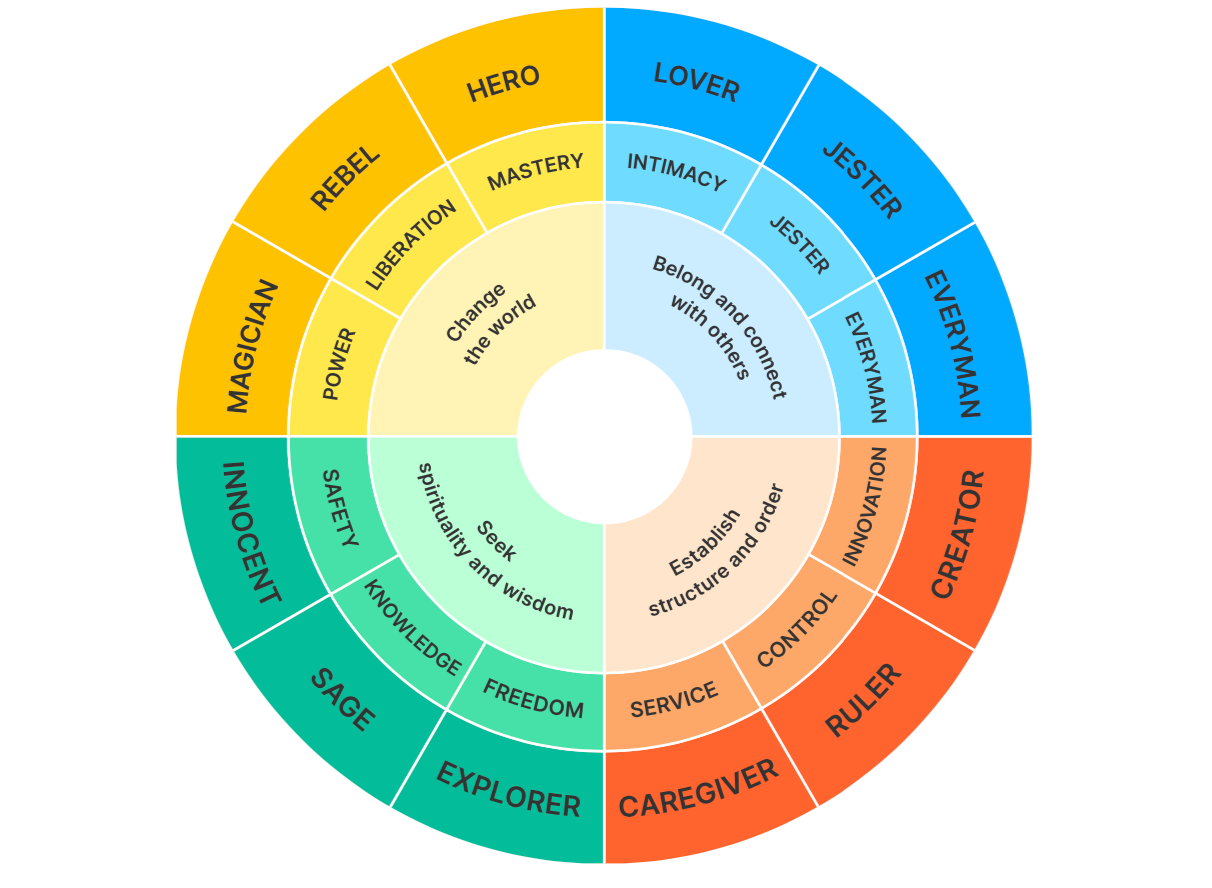
Characteristics: Innovative, imaginative, and entrepreneurial.
Example: Apple - Pioneering technology and design.
Summary: The Creator brands focus on innovation, crafting something enduring and meaningful.
Characteristics: Authoritative, leader, and organized.
Example: Rolex - Symbolizing prestige and timeless luxury.
Summary: Ruler brands exude an aura of leadership and stability, promising security.
Characteristics: Passionate, romantic, and idealistic.
Example: Chanel - Representing timeless romance and allure.
Summary: Lover brands promise intimacy, with narratives focused on passion and sensuality.
Characteristics: Nurturing, protective, and selfless.
Example: Johnson & Johnson - Synonymous with caring and protection.
Summary: Caregiver brands emphasize protection and support, ensuring they nurture their audience.
Characteristics: Fun-loving, playful, and spontaneous.
Example: Ben & Jerry's - Delivering joy and fun with every scoop.
Summary: Jester brands prioritize enjoyment, offering a joyful experience.
Characteristics: Wise, knowledgeable, and a trusted source of information.
Example: Google - The go-to platform for knowledge and answers.
Summary: Sage brands offer wisdom, guiding their audience with insights and knowledge.
Characteristics: Adventurous, pioneering, and freedom-seeking.
Example: Jeep - Epitomizing the spirit of adventure and exploration.
Summary: Explorer brands cater to the wanderlust, promising freedom and adventure.
Characteristics: Disruptive, revolutionary, and challenges the status quo.
Example: Harley-Davidson - Representing rebellion and freedom.
Summary: Rebel brands challenge conventions, promoting revolutionary ideas.
Characteristics: Brave, determined, and seeks to make a difference.
Example: Nike - Encouraging everyone to overcome challenges and "Just Do It."
Summary: Hero brands inspire betterment, encouraging their audience to rise above challenges.
Characteristics: Relatable, down-to-earth, and seeks connections.
Example: Levi's - Everyday wear for everyone, everywhere.
Summary: Everyman brands focus on belonging, aiming to connect and resonate with the everyday person.
Characteristics: Optimistic, pure, and seeks happiness.
Example: Coca-Cola - Symbolizing happiness and refreshment.
Summary: Innocent brands emphasize simplicity and optimism, promising a feel-good experience.
Harnessing the essence of these archetypes allows brands to craft narratives that transcend demographics, resonating with universal human desires and emotions. As brands evolve, their products, messaging, or target audiences might shift, but their core archetype remains consistent, ensuring they always tell a story that resonates. By bridging the gap between brand and consumer, archetypes forge emotional ties, strengthening brand loyalty and affinity.
The realm of brand storytelling, especially as we traverse the intricacies of 2023, is not merely about weaving tales—it's about curating experiences, evoking emotions, and building lasting relationships. At the crossroads of art, psychology, and commerce, brand storytelling emerges as the modern elixir that infuses life into brands, making them entities with soul, purpose, and essence.
Drawing from the vast landscape of our exploration, a few seldom-discussed insights emerge:
The Universality of Archetypes: While modern commerce is often viewed through the prism of metrics, algorithms, and data analytics, the age-old wisdom of universal archetypes reminds us of the timeless human core at the center of all endeavors. The digital age, with its changing dynamics, doesn't alter the human psyche's basic fabric. Brands that resonate with these core archetypes touch upon shared human experiences, desires, and aspirations.
The Fluidity of Narratives: As brands evolve, their stories do too. However, the core essence—the archetype, the foundational values, the brand purpose—remains consistent. This fluid yet rooted approach ensures that brands remain adaptable, yet anchored—reflecting a tree that sways with the wind but stands firm with its deep-seated roots.
Digital Landscapes as Storytelling Realms: One of the less trodden insights is viewing digital platforms not as mere channels but as expansive realms where stories live, evolve, and intertwine. In these realms, consumers are not passive listeners but active co-authors, enriching brand narratives with their interpretations, experiences, and voices.
Emotion as the North Star: In the ever-evolving maze of marketing strategies, emerging technologies, and shifting consumer preferences, emotion remains the unchanging North Star. Brands that understand, respect, and evoke genuine emotions are the ones that build not just market shares but heart shares.
As we stand at the threshold of a new era of branding, the key takeaway is the harmonious marriage of age-old storytelling wisdom and modern-day innovation. The brands that master this synergy—those that infuse their state-of-the-art strategies with the timeless magic of stories—are the ones that will not just exist but thrive and inspire.
In conclusion, brand storytelling in 2023 and beyond is not a choice—it's an imperative, a journey, a dance of emotions, and above all, the heart and soul of memorable brands. As you chart your brand's narrative, remember, it's not about the tale you weave but the hearts you touch and the memories you create.









LEAVE A COMMENT
Your email address will not be published.