- HOME
- FOR CLIENTS
- FOR FREELANCERS
- LOGIN
BLOG
New user? Create account


Varun Katyal is the Founder & CEO of Clapboard and a former Creative Director at Ogilvy, with 15+ years of experience across advertising, branded content, and film production. He built Clapboard after seeing firsthand that the industry’s traditional ways of sourcing talent, structuring teams, and delivering creative work were no longer built for the volume, velocity, and complexity of modern content. Clapboard is his answer — a video-first creative operating system that brings together a curated talent marketplace, managed production services, and an AI- and automation-powered layer into a single ecosystem for advertising, branded content, and film. It is designed for a market where brands need content at a scale, speed, and level of specialization that legacy agencies and generic freelance platforms were never built to deliver. The thinking, frameworks, and editorial perspective behind this blog are shaped by Varun’s experience across both the agency world and the emerging platform-led future of creative production. LinkedIn: https://www.linkedin.com/in/varun-katyal-clapboard/
As we look towards the future of ad agencies, several key industry trends have emerged that are expected to shape the landscape in 2025. From game-changing mergers to the adoption of new technology, these trends signify a transformative phase for the industry.
The Omnicom and Interpublic Group $13B merger has sent ripples across the industry, reshaping the competitive dynamics. This mega-merger brings together two of the industry's largest players, creating an entity with a vast global footprint and a diversified service offering. The consolidation is expected to drive economies of scale, enabling the new entity to compete more effectively against digital giants such as Google and Facebook. However, it also raises questions about client conflict and the impact on smaller agencies.
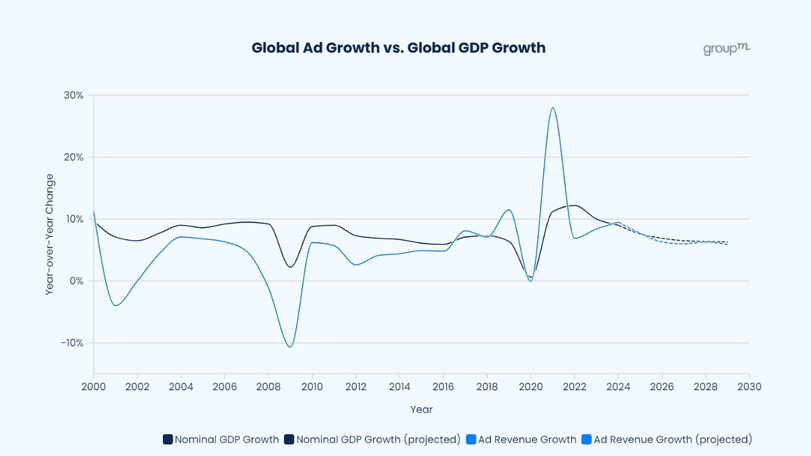
There are mixed industry expectations for 2025. While some industry experts predict a robust rebound in ad spending as businesses recover from the pandemic, others caution that ongoing economic uncertainty may temper growth. In addition, the shift towards digital advertising is expected to continue, with traditional media channels struggling to maintain their share of ad budgets.
One of the most significant trends is the growing adoption of AI and personalized marketing. AI is being used to automate repetitive tasks, generate insights from data, and deliver personalized marketing messages. This trend is expected to continue in 2025, with agencies increasingly leveraging AI to enhance their services and deliver more value to their clients.
Finally, the agency compensation and service model is evolving. In the past, agencies primarily billed for their time, but this is changing as clients demand more accountability and transparency. Today's agencies are more likely to charge based on the value they deliver, with performance-based compensation models becoming more common. Additionally, agencies are moving away from siloed service offerings towards integrated solutions that address the full range of their clients' marketing needs.
In summary, 2025 promises to be an exciting year for ad agencies, characterized by significant change and opportunity. As agencies adapt to these trends, they will need to stay nimble, continually innovate, and remain focused on delivering value to their clients.
Artificial Intelligence (AI) has been making waves across various sectors, and the advertising industry is no exception. The creative and media services within ad agencies have significantly benefited from the integration of AI, leading to more efficient processes and innovative strategies.
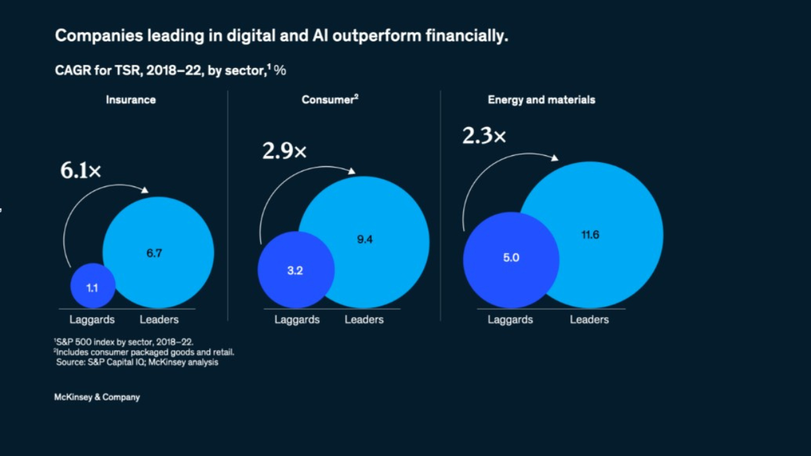
AI has revolutionized the way ad agencies approach creative and media services. AI-powered tools can now analyze vast amounts of data, identify patterns, and generate insights that human analysts might miss. This helps in creating more targeted and effective ad campaigns. Furthermore, AI can automate repetitive tasks, freeing up time for creatives to focus on ideation and strategic planning.
The advertising industry is witnessing a new wave of AI adoption, often referred to as 'Generation AI'. This phase of AI integration is characterized by the automation of more complex tasks. For example, AI can now write ad copies, design layouts, and even make strategic recommendations based on data analysis. This doesn't mean that human input is no longer required. Instead, it allows professionals to focus more on tasks that require human touch, such as client relations and strategic decision making.
One of the most significant benefits of AI in advertising is the ability to offer personalization at scale. AI algorithms can analyze consumer behavior, preferences, and past purchases to deliver highly personalized ads. This level of personalization was not possible before the advent of AI.
Moreover, AI enables agencies to adopt data-driven strategies. By analyzing data from various sources, AI can predict trends, identify opportunities, and make informed decisions. This not only increases the effectiveness of ad campaigns but also reduces the risk of making wrong decisions.
Despite the numerous benefits, integrating AI into advertising processes is not without challenges. There are concerns about data privacy, job displacement, and the lack of transparency in AI algorithms. Therefore, as ad agencies continue to adopt AI, they must also address these issues to ensure ethical and responsible use of this powerful technology.
In conclusion, the rise of AI in ad agencies is a game-changer. It has the potential to transform the way agencies operate, drive creativity, and deliver results. However, it also requires a new approach to managing data, skills, and ethical considerations. The agencies that can successfully navigate this transition will be well-positioned to thrive in the new age of AI-powered advertising.
The advertising landscape in 2025 is marked by a significant rebound in new business pitches, driven by the recovery from the pandemic and the desire of brands to leverage the power of emerging technologies. In this environment, ad agencies are increasingly relying on integrated full-service models to meet client needs and stand out in a crowded marketplace.
One of the key trends we've seen in 2025 is the resurgence of new business pitches. Companies, buoyed by economic recovery and increased budget allocations, are seeking to refresh their advertising strategies to better align with the digital age. This has resulted in a surge of pitches, with agencies vying to demonstrate their creative prowess and technological acumen.
Integrated full-service models are becoming the norm as agencies strive to offer a comprehensive suite of services under one roof. Clients are increasingly looking for a one-stop-shop experience, where they can access everything from strategy development and creative design to digital marketing and data analytics. The ability to provide a seamless, end-to-end service is proving to be a key differentiator in winning pitches.
Closer collaboration between media and creative teams is another significant shift. In the past, these two functions often operated in silos, leading to disjointed strategies. However, the rise of data-driven advertising has underscored the importance of harmonizing creative ideas with media planning. This integrated approach helps in delivering more personalized and effective campaigns.
Mergers and acquisitions are also reshaping the agency landscape. As agencies seek to broaden their service offerings and gain a competitive edge, they are increasingly merging with or acquiring other firms. This consolidation trend is not only altering the competitive dynamics but also leading to the emergence of mega-agencies with extensive capabilities.
Finally, a more client-centric approach is taking center stage. Agencies are moving away from a one-size-fits-all mentality and are instead focusing on creating tailored solutions that address the unique needs of each client. This shift is evident in everything from the strategic planning process to the execution of campaigns. By putting the client at the center of everything they do, agencies are able to build stronger relationships and deliver better results.
In conclusion, the shifts in business pitches and client relationships in 2025 are characterized by a surge in pitches, the rise of integrated full-service models, closer collaboration between media and creative teams, industry consolidation through mergers and acquisitions, and a more client-centric approach. These changes are shaping the way agencies operate and compete, and are likely to have a lasting impact on the industry.
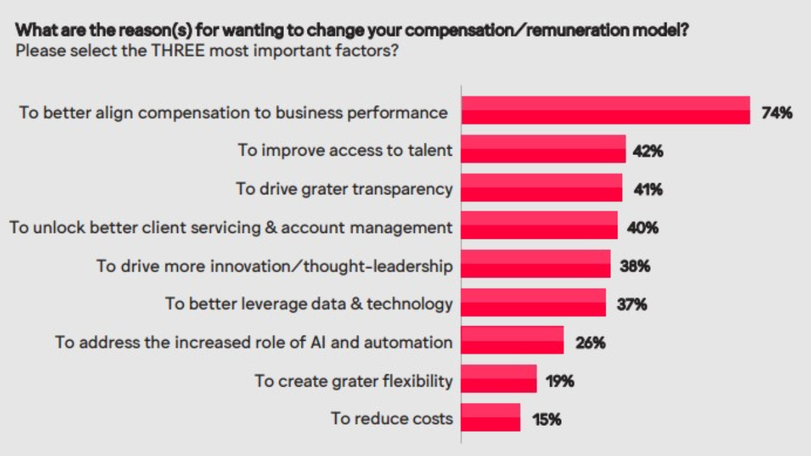
In the rapidly changing world of ad agencies, it's crucial to keep pace with the evolution of compensation and business models. As the industry embraces AI-driven services, traditional compensation structures must adapt to reflect this paradigm shift.
Artificial Intelligence (AI) has made a profound impact on the ad industry, automating tasks, optimizing processes, and delivering personalized customer experiences. As a result, compensation models are changing. Instead of being paid for time and materials, agencies are increasingly compensated based on the outcomes and value their AI-driven services deliver.
For instance, agencies might earn a bonus if an AI-powered campaign exceeds performance targets, or they might share in the increased sales or profits their work generates. This approach aligns agencies' incentives with their clients' goals, fostering a partnership mindset and encouraging innovation.
Value-based pricing is another significant trend in the ad industry. This model ties pricing to the value a client perceives in a service, rather than the cost to deliver it.
It's a flexible approach that can accommodate a wide range of scenarios. For example, an agency might charge a premium for a highly specialized AI-driven service that delivers exceptional ROI. Alternatively, it might offer more basic services at a lower cost to cater to budget-conscious clients.
This model requires agencies to have a deep understanding of their clients' needs and the value their services can deliver. It also necessitates transparent communication about pricing, value, and results.
Perhaps the most significant shift in ad agency compensation models is the focus on client outcomes. Instead of being paid for outputs (like the number of ads produced), agencies are increasingly being compensated based on outcomes (like increased sales or improved brand awareness).
This approach reflects a broader shift in client expectations. Clients no longer want to pay for activities; they want to pay for results. And with AI and data analytics, it's easier than ever to measure those results and tie them directly to agency compensation.
This model incentivizes agencies to focus on what really matters: delivering tangible, measurable results for their clients. It also requires them to be proactive, strategic partners, rather than order-takers. They need to understand their clients' business goals, design effective strategies to achieve them, and be held accountable for the results.
In conclusion, the evolution of ad agency compensation and business models is a reflection of broader industry trends, including the rise of AI and changing client expectations. By adapting to these trends, agencies can ensure they're well-positioned for success in the years ahead.
The ad industry has always been dynamic, and in 2024-2025, it is no different. With rapid advancements in technology and a shift towards a more data-driven approach, the need for upskilling in the industry has never been more evident. Let's delve into the key areas of talent, training, and upskilling that ad agencies need to focus on for the future.
The pandemic has accelerated the digital transformation of the industry, and there's a strong emphasis on upskilling post-pandemic. Agencies are increasingly investing in training programs to equip their employees with the skills required to navigate the new digital landscape. The focus isn't only on technical skills but also on soft skills such as adaptability and creativity, which have become even more crucial in this era of uncertainty.
With the rise of AI in agencies, AI and data skills have become a top priority. Understanding how to leverage AI for creative and media services and utilizing data for personalized marketing strategies are now essential skills. Agencies are offering specialized training programs and workshops in these areas, and some are even partnering with educational institutions to ensure their talent pool is well-equipped for the AI-driven future.
In this rapidly changing industry, hiring for adaptability and learning capacity has become more important than ever. Agencies are looking for individuals who are not just technically proficient, but also have the ability to learn quickly, adapt to new technologies and trends, and think creatively to solve problems. The focus has shifted from hiring for specific roles to hiring talent with a broad set of skills and the capacity to grow and evolve with the industry.
Automation is another trend that's reshaping the workforce roles in ad agencies. Tasks that were once manual are now being automated, freeing up employees to focus on more strategic and creative aspects of their work. This has led to a need for redefining roles and responsibilities within agencies. Employees now need to be comfortable working alongside AI and automation tools, and agencies need to provide the necessary training and support to help them transition into these new roles.
In conclusion, talent, training, and upskilling are key areas of focus for ad agencies as they prepare for the future. The post-pandemic world has brought with it a host of changes and challenges, but also opportunities for growth and innovation. By investing in their employees and fostering a culture of continuous learning and adaptability, agencies can ensure they are well-prepared to navigate the future of the ad industry.
As we take a closer look at the client perspective, it's clear that clients' needs and expectations have evolved significantly in recent years. Now, more than ever, they are seeking integrated, agile agency partners, placing an emphasis on talent retention and expertise, and demanding personalized solutions with measurable results.
Demand for Integrated, Agile Agency Partners
Clients are no longer interested in working with multiple agencies for different aspects of their marketing strategies. Instead, they're looking for one-stop-shop solutions. They want partners who can offer a comprehensive range of services — from strategic planning and creative development to media buying and data analysis.
Moreover, they're seeking agility in their agency partners. The rapidly changing market conditions require agencies to be flexible and quick to adapt. Clients expect their agencies to respond promptly to changes, pivot strategies when necessary, and always stay ahead of the curve.
Emphasis on Talent Retention and Expertise
Clients also place a high value on talent and expertise. They understand that the success of their campaigns largely depends on the people working on them. Hence, they expect agencies to retain top talent and invest in their continuous training and development.
Additionally, as the marketing landscape becomes more complex, clients are looking for agencies with deep expertise in specific areas. Whether it's AI, data analytics, or content marketing, clients want to work with agencies that have a proven track record and can demonstrate their mastery in these areas.
Personalized Solutions and Measurable Results
The days of one-size-fits-all marketing campaigns are long gone. Today's clients want personalized solutions that resonate with their target audience. They expect agencies to leverage data and insights to create customized strategies that meet their unique needs and objectives.
But personalized solutions alone are not enough. Clients also demand measurable results. They want to see a clear return on their investment and have tangible proof of the effectiveness of the campaigns. Therefore, they expect agencies to establish clear metrics and provide regular, transparent reports on the performance of their campaigns.
In summary, the client perspective in 2025 is all about integration, agility, talent, expertise, personalization, and measurability. As agencies navigate this landscape, they must strive to meet these expectations to build strong, long-lasting relationships with their clients.
Geopolitical events and budget uncertainties have always been part and parcel of the advertising world. However, the current climate presents unique challenges that require ad agencies to be more adaptable and resilient than ever. In this section, we'll discuss the impact of global events on ad spend, budget planning amid uncertainty, and strategies for resilience and adaptability.
The ebb and flow of global events can significantly affect ad spend. For instance, political unrest, economic downturns, and health crises can lead to budget cuts and a more cautious approach to ad spend. On the flip side, periods of stability and economic growth often trigger increased ad spend as businesses aim to capitalize on positive market conditions.
In recent years, the ongoing COVID-19 pandemic has been a primary driver of fluctuating ad spend. The initial shock led to widespread budget cuts, but as businesses adapted to the new normal, digital ad spend saw significant growth. Similarly, geopolitical tensions and trade wars can also impact international ad spend, especially for businesses operating in affected regions.
In the face of uncertainty, budget planning can seem like a daunting task. But with the right strategies, it's possible to create flexible budgets that can withstand sudden changes. Scenario planning is one such strategy, where multiple potential outcomes are considered and planned for. This approach allows for quick adjustments when circumstances change.
Another strategy is to allocate a portion of the budget for unexpected opportunities or challenges. This "contingency" budget can be a lifesaver when unexpected costs arise or when a golden opportunity presents itself.
Resilience and adaptability are the keys to thriving in an uncertain environment. There are several strategies ad agencies can adopt to enhance these traits.
Uncertainty is a given in the advertising industry. But by understanding the impact of global events, planning budgets effectively, and adopting strategies for resilience and adaptability, agencies can not only survive but thrive amidst the uncertainties.
As we move forward into an exciting, if unpredictable, future, it's crucial to keep an eye on the opportunities and challenges that lie on the horizon for ad agencies. This involves understanding how technology and innovation can be harnessed effectively without losing sight of the operational realities of running an agency.
There's a palpable sense of optimism among marketers about the potential of AI to revolutionize the ad industry. From automating routine tasks to delivering personalized ad experiences, the possibilities are seemingly endless. However, alongside this optimism, there's also a recognition of the need for continuous learning and upskilling to fully leverage these AI-driven opportunities.
While innovation is key to staying competitive, it must be balanced with the operational realities of running an ad agency. This means investing in new technologies like AI and machine learning, but also ensuring that these investments translate into improved service delivery and client satisfaction. It's not just about having the latest tools and technologies, but about integrating them seamlessly into your operations to deliver tangible results.
Looking towards 2025, several key opportunities for growth present themselves. Here are just a few:
Of course, these opportunities also come with their share of challenges. The rapid pace of technological change can be daunting, and agencies must be prepared to invest in ongoing training and development to keep their skills up to date. Plus, as the industry continues to evolve, agencies will need to constantly reassess their business models and strategies to ensure they're delivering the best possible value to their clients.
In conclusion, the road ahead for ad agencies is filled with both exciting opportunities and formidable challenges. By staying adaptable, investing in continuous learning, and maintaining a client-centric focus, agencies can navigate these complexities and set themselves up for success in the years to come.
In conclusion, the ad agency landscape in 2024-2025 is a dynamic one, characterized by both opportunities and challenges. Technological advancements, particularly the rise of AI, are reshaping the industry, driving a shift towards more personalized, data-driven marketing strategies. This, in turn, is influencing the evolution of agency compensation and business models, as well as the skills and training needed for the future workforce.
At the same time, agencies are grappling with uncertainties, both from within the industry—such as the impact of the Omnicom and Interpublic Group $13B merger—and from external factors like geopolitical events and budget fluctuations. These uncertainties underscore the importance of resilience and adaptability, not just in terms of financial planning, but also in terms of agency service models and client relationships.
The key takeaway for agencies navigating this complex environment is the need for agility and forward-thinking. This means not only embracing technological innovation and adapting business practices accordingly, but also maintaining a strong focus on client needs and expectations. As client demand for integrated, agile agency partners continues to grow, agencies that can deliver personalized solutions and measurable results will be well-positioned for success.
Ultimately, the future of ad agencies will be shaped by those who are able to balance innovation with operational realities, while keeping a firm eye on the evolving needs of their clients. The road ahead may be filled with challenges, but it is also ripe with opportunities for those who are ready to seize them.
As we move forward, it's important to remember that the only constant in this industry is change. Whether it's the rise of AI, the effects of global events on ad spend, or shifts in client expectations, agencies need to be prepared to adapt and evolve. This readiness to embrace change, coupled with a commitment to client satisfaction, will be key to navigating the future of the ad agency industry.
It's an exciting time to be in the ad agency world, and we can't wait to see what the future holds. Here's to a 2025 filled with growth, innovation, and success!
This merger is expected to significantly reshape the industry landscape. It could lead to consolidation, changes in competition and potentially influence pricing. Agencies may need to re-evaluate their strategies to remain competitive and attract clients. The exact impacts will depend on the specifics of the merger.
Skills related to AI and data are expected to be top priorities in 2025. Additionally, adaptability and learning capacity will be highly valued as the industry continues to evolve rapidly. Upskilling in these areas can help professionals stay relevant and competitive in the job market.
Agencies are increasingly adopting AI for creative and media services, and automating various tasks for efficiency. They're also changing their compensation models to account for AI-driven services. This transition involves upskilling staff, integrating AI into workflows, and aligning services with data-driven strategies.
Clients can expect more personalized and measurable solutions from agencies. Agencies are moving towards integrated, agile models that can quickly respond to changes. Clients should also anticipate closer collaboration between media and creative teams, and a focus on aligning services with client outcomes.
Agencies can navigate uncertainty by focusing on resilience and adaptability. This involves strategic budget planning, staying informed about global events affecting ad spend, and being ready to adjust strategies as needed. It's also crucial to maintain strong client relationships and provide flexible, value-based pricing.
AI is revolutionizing ad agencies by automating tasks, enabling personalized marketing, and driving data-based strategies. It’s transforming creative and media services, and agencies are adapting by focusing on AI-related skills and changing their business models to accommodate AI-driven services.
Global events, including geopolitical uncertainty, can significantly impact ad spend. Changes in the global economic climate or political landscape may cause advertisers to adjust their budgets. Agencies need to stay abreast of these events and be ready to adapt their strategies accordingly.
Agencies are shifting towards flexible, value-based pricing and aligning their services with client outcomes. They’re also adapting compensation models to account for AI-driven services. This evolution is a response to industry trends, technological advancements, and changing client expectations.
Agencies are prioritizing upskilling, focusing on AI and data skills, and hiring for adaptability and learning capacity. Ensuring talent retention and expertise is crucial for meeting clients' demand for integrated, agile agency partners, and delivering personalized, measurable results.
Despite the challenges, there are significant growth opportunities in 2025. Marketer optimism about AI's potential, the rebound in business pitches, and the move towards integrated, full-service models are all promising areas. Balancing innovation with operational realities is key to capitalizing on these opportunities.








LEAVE A COMMENT
Your email address will not be published.