- HOME
- FOR CLIENTS
- FOR FREELANCERS
- LOGIN
BLOG
New user? Create account
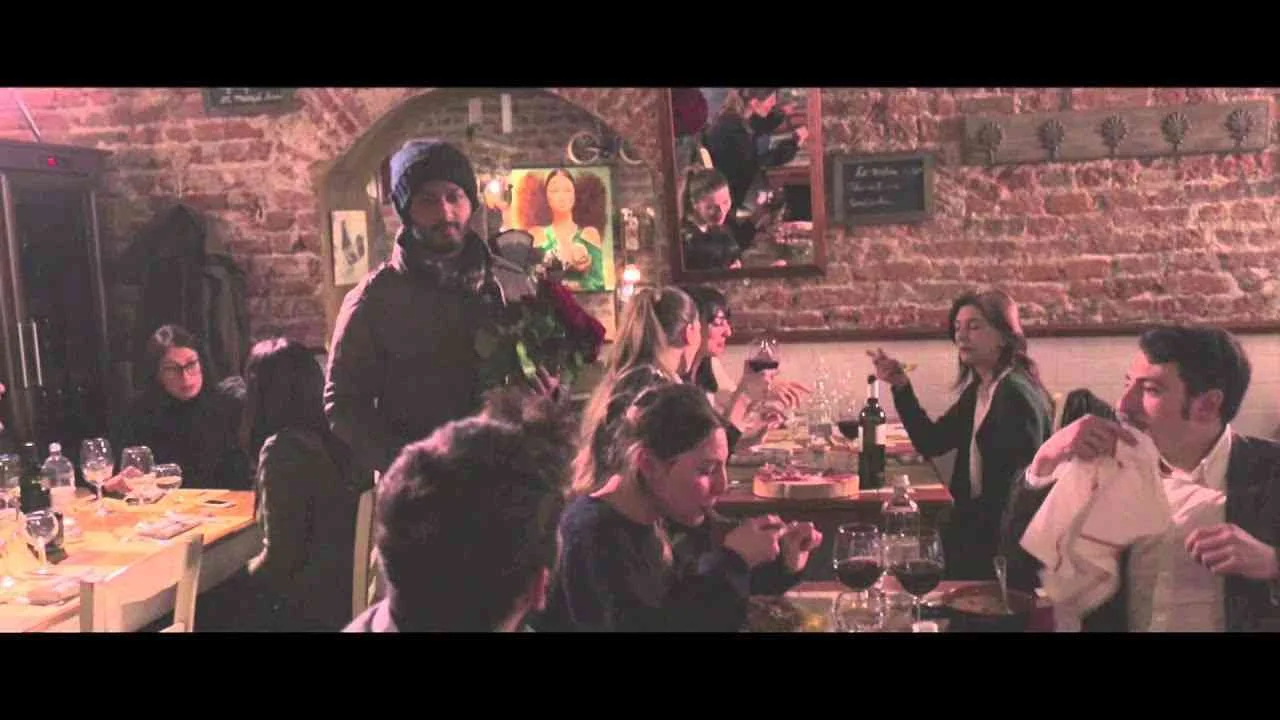
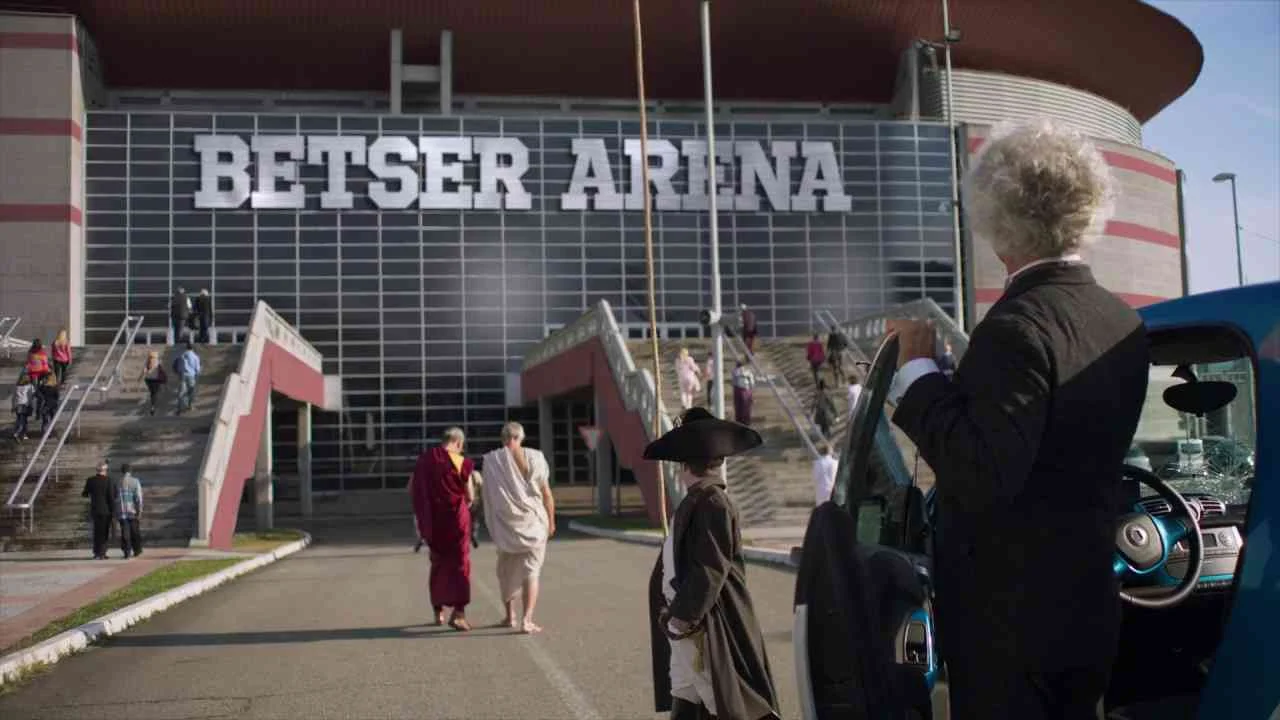
From Cross to Crossmedia, created by Prime Field for Cross Media Zen and launched in Lithuania in 2016, offers a sharp, culturally loaded metaphor that reframes the narrative of solo miracles to advocate for a contemporary, integrated approach to communications across the Media and Entertainment market category. By opening with the provocative assertion that while the miracles of Jesus were enacted alone, the business miracles of today demand the force-multiplying power of crossmedia, Cross Media Zen asserts its domain expertise in media orchestration with a clarity rare in the Professional Services sector. The campaign’s creative engine is a film asset that leans into what Clapboard's taxonomy would classify as FORMAT#12—Parody or Borrowed Format, appropriating the language, iconography, and narrative arc of one of history’s most universally recognized stories, only to subvert it with a wry, modern marketing twist. Prime Field leverages an audacious juxtaposition, threading together spiritual iconography and digital strategy to make an unignorable point about scale, amplification, and connection in the digital age, positioning Cross Media Zen as an agent of resurrection not for souls, but for marketing outcomes. The single-minded proposition is both clear and culturally resonant: where miraculous acts once stood alone, today’s campaigns thrive through careful calibration of platforms—recasting the singular cross into a multiplicity of channels. The execution drives home how the strategic synergy of well-coordinated media touchpoints can transform reach and relevance for brands that may otherwise be languishing in isolation. Rather than overplaying spectacle, From Cross to Crossmedia relies on a concise, deliberately pared-back narrative that distills the core benefit of crossmedia into a memorably simple message, demonstrating Cross Media Zen’s commitment to clarity in both thought and execution. By aligning the campaign’s structural metaphor with an accessible visual and rhetorical device, Prime Field achieves a synthesis that not only signals the importance of integrated strategy but positions Cross Media Zen as a linchpin agency ready to shepherd brands through the complexities of the digital landscape. Available via www.crossmediazen.lt, the campaign inhabits the intersection where traditional storytelling habits meet modern branding imperatives, ultimately establishing Cross Media Zen as a relevant partner for organizations seeking to shed the constraints of single-channel communication. The campaign earns 62/100 in Clapboard’s global creative archive. From Cross to Crossmedia signals the appetite for bold, referential storytelling in Professional Services marketing, provided it is grounded by a strategic message that genuinely connects category insight to contemporary business challenges.
The 'From Cross to Crossmedia' campaign for Cross Media Zen leverages a compelling historical analogy to position the brand as a facilitator of modern, integrated communication solutions. By referencing Jesus performing miracles alone and contrasting it with the 2013 imperative to "use crossmedia," the campaign underscores the value of multifaceted media strategies over solitary efforts. This narrative implicitly promises clients that success in the contemporary professional services and media landscape depends on leveraging diverse channels cohesively, positioning Cross Media Zen as the partner enabling this transformation. Strategically, the campaign targets professionals and businesses within the Lithuanian market who recognize the limitations of single-channel approaches and seek innovative, comprehensive media solutions. The choice of a narrative genre rooted in a culturally resonant metaphor serves to engage viewers intellectually and emotionally, encouraging reflection on traditional versus modern communication methods. The medium—a professionally produced film—aligns with the brand’s commitment to quality and expertise, while the use of English language and digital platforms such as YouTube indicates an attempt to reach a broader, perhaps international, professional audience interested in crossmedia innovation. Despite modest viewership and engagement metrics, the campaign’s insight lies in framing crossmedia not just as a tool but as an essential evolution in communication, suggesting that true professional impact arises from interconnected, strategic media usage rather than isolated actions.
Client:
Cross Media Zen
Agency:
Prime Field
Creative Director:
Andrius Lekavičius
Producer:
Justinas Piliponis
Cinematographer:
Giedrius Jurkonis
Post Production:
Andrej Poležajev
In 2015, Renault Romania partnered with Uber to create an innovative ambient campaign titled Eco-friendly rides, celebrating World Environment Day with a unique experiential activation. The campaign leveraged the rising popularity of Uber in Bucharest and positioned Renault’s all-new 100% electric Zoe as a symbol of eco-conscious driving and reliable sustainability. Central to the campaign was a personalized and engaging passenger experience designed to highlight both the innovative features of the Renault Zoe and the convenience of Uber rides. Renowned radio personality Matei Oprina orchestrated a cleverly scripted radio prank during free Uber rides, where passengers believed they were listening to a regular news segment, only to be surprised by a live update announcing the National Environment Hero award. Each passenger was declared a winner, receiving a diploma printed on special seed paper that could be planted to grow flowers, reinforcing the message of environmental care in a memorable and tangible way. This inventive approach transformed what began as a promotional event for Renault’s electric vehicle into an engaging, interactive reminder of the ongoing need to protect the environment. The campaign not only effectively enhanced brand awareness for Renault Zoe as an eco-friendly automotive choice but also strengthened emotional connections with the audience through a creative blend of entertainment, environmental advocacy, and innovative media use within the ambient space. With its originality and impact, the Eco-friendly rides campaign set a benchmark in automotive marketing in Romania at that time, seamlessly integrating brand values with an inspiring environmental message.
The Green Toaster campaign, launched in South Korea in August 2015 for the brand Gmarket by the ad agency INNORED, presents a creative and impactful approach within the Retail Services industry using Ambient media. This innovative campaign, named the Green Toaster Project, focused on promoting hygienic mobile phone use by introducing a unique concept: sterilizing smartphones in a specially designed "Green Toaster." This clever twist not only captured public attention but also aligned with growing consumer concerns about cleanliness and health in everyday life. With a single media asset, the campaign effectively communicated its core message through engaging visual storytelling that encouraged users to rethink their habits and provided a tangible solution for mobile hygiene. The campaign's language was English, enabling broader accessibility and understanding beyond the domestic market. Garnering over 20,000 views, 26 likes, and sparking conversation with comments, the Green Toaster project leveraged the power of ambient advertising to create meaningful brand engagement and awareness in an often-overlooked aspect of personal care. This campaign creatively positioned Gmarket as an innovative and socially conscious brand that prioritizes consumers' well-being, reinforcing its presence as a forward-thinking leader in retail services. By combining a practical idea with environmental and health-conscious messaging, the Green Toaster campaign successfully bridged product promotion with public service, demonstrating the effectiveness of ambient media to deliver memorable and socially relevant advertising experiences.
In 2014, Transat Holidays launched an innovative ambient campaign called Cuban Taxi Surprise in Canada, designed to captivate and engage the urban audience in Toronto. Created by the ad agency Dentsu, this campaign featured a cleverly placed Cuban taxi that surprised unsuspecting passengers by offering them all-inclusive vacation tickets to picturesque Cuba. The strategy behind this activation was to create a memorable and authentic brand experience that not only highlighted Transat Holidays' expertise in transporting travelers to exotic destinations but also reinforced its position as Canada’s leading holiday travel airline. Through this immersive approach, the campaign aimed to evoke emotions of excitement and spontaneity associated with holiday travel, encouraging immediate brand interest and positive word-of-mouth. With a focus on genuine interaction, it connected the transport industry’s service element directly to the destination appeal, showcasing the ease and joy of booking a vacation with Transat Holidays. The campaign was supported by broad social media engagement on platforms such as Facebook, Twitter, Instagram, and YouTube, driving viewers to explore more about Air Transat’s diverse destinations and services. The accompanying media asset garnered significant attention with nearly half a million views, hundreds of likes, and dozens of comments, underscoring the strong consumer resonance and digital reach achieved. By combining real-world surprise elements with a robust online presence, the Cuban Taxi Surprise campaign effectively blended offline excitement with online amplification, embodying a strategic and creative milestone in ambient advertising for the brand and the transport industry.
Flying Collection for Black Friday is an innovative ambient campaign launched in Brazil in November 2014 for Colombo, a renowned Brazilian shirt retailer, by the agency Publicis. Targeting busy professionals who often lack the time to visit stores, the campaign cleverly brought Colombo's Black Friday offers directly to their offices, effectively removing the hassle of shopping and making the retail experience seamless and convenient. By taking advantage of ambient advertising in high-traffic business areas, Flying Collection reinforced Colombo's positioning as a customer-centric brand attuned to the needs of its audience. The campaign's creativity lies in its direct engagement strategy, turning an often stressful shopping period into a personalized and efficient experience. With one impactful media asset, the execution captured significant attention, eliciting nearly 192,000 views, 241 likes, and 20 comments, reflecting solid engagement from its target market. Overall, Flying Collection leveraged ambient marketing to amplify Colombo’s Black Friday sales reach, combining strategic insight into consumer behavior with a message that resonated well in the competitive retail services landscape.
Air Canada's "Gift of Home for the Holidays" campaign, launched in the United Kingdom in December 2014 and crafted by JWT, delivers an emotionally compelling message centered on the joy of reuniting with loved ones during the holiday season. Positioned within the transport industry and executed through an ambient medium, the campaign taps into the powerful sentiment of homecoming, offering Canadians living abroad the priceless gift of being together for the festivities. By inviting audiences to witness genuine, heartfelt reactions under the hashtag #ACgiftofhome, Air Canada effectively humanizes its brand, fostering a deep emotional connection that transcends conventional advertising. This approach not only strengthens brand loyalty but also amplifies the brand's promise of bridging distances and making travel experiences more meaningful. The campaign asset, which has garnered over 3.5 million views and sparked significant engagement through 402 comments, leverages social media platforms such as Facebook, Twitter, Instagram, and a dedicated blog to sustain the conversation and extend its reach. Additionally, the availability of content in both English and French underscores Air Canada’s commitment to inclusivity and its multicultural audience. By aligning the brand with the spirit of the holidays, the campaign successfully elevates Air Canada's position as not just a transportation provider but a facilitator of cherished moments and emotional reunions. This tactful blend of storytelling and strategic media placement demonstrates an insightful use of ambient advertising to drive brand awareness and create lasting emotional resonance with consumers at a pivotal time of year.
The Honest Sticker campaign, launched in Brazil in December 2014 for Santa Casa de Misericórdia by JWT, employed an innovative Ambient advertising approach to deliver a powerful message in the Public Interest sector. This campaign creatively utilized a simple yet impactful medium—stickers—to engage the public in a meaningful dialogue about honesty and integrity within healthcare services. By placing these stickers in strategic locations, the campaign aimed to foster transparency and trust between patients and healthcare providers, highlighting the importance of ethical behavior in medical environments. Its design and execution harnessed the everyday interactions of people within the city of Porto Alegre, making the message not only visible but also relatable and thought-provoking. Through this subtle yet effective intervention, Honest Sticker sought to raise awareness about institutional accountability and encourage a culture of openness and responsibility. The campaign's ambient nature allowed it to seamlessly blend into the urban landscape, extending its reach beyond conventional advertising spaces and inviting spontaneous engagement from a diverse audience. With a professional and culturally resonant concept, the campaign resonated with viewers, as reflected in its measured social interactions, including over a thousand views and positive engagement, marking it as a notable contribution to social messaging in the region. Ultimately, Honest Sticker exemplified how creative advertising strategies could drive meaningful conversations and promote public welfare, reinforcing Santa Casa de Misericórdia’s commitment to community trust and healthcare excellence.
In a strategic move to enhance customer convenience, kulula.com launched the campaign Online check-in just got better in South Africa in 2014, developed by the ad agency King James. This Ambient media campaign, rooted in the transport industry, highlighted the brand’s innovative online check-in service designed to empower travelers by allowing them to check in from anywhere, eliminating the need to wait in queues or leave the comfort of their home. The campaign’s core message emphasized ease and self-service, captured effectively with the hashtag #selfservice, encouraging users to take control of their travel experience. By leveraging a single impactful media asset, the campaign communicated a seamless digital solution catering to a tech-savvy audience seeking efficiency and flexibility in travel planning. The content resonated well with viewers, amassing over 168,000 views and earning positive engagement through likes and comments, indicating strong consumer interest and approval of kulula.com’s enhanced service. This campaign strategically positioned kulula.com as a forward-thinking brand dedicated to simplifying the travel process, enhancing customer satisfaction, and driving brand loyalty by integrating convenience and technology in airline services.
Fading Portraits is a powerful Ambient campaign launched in Germany in October 2014 for Amnesty International by the ad agency Preuss und Preuss, designed to raise awareness within the Public Interest sector. This campaign creatively utilizes ambient media to engage the audience emotionally by highlighting the often invisible suffering and fading identities of victims of human rights violations. Through a compelling visual approach captured in a single media asset, the campaign delivers a strong narrative that invites viewers to reconsider the urgency of justice and human dignity. The use of fading portraits as a central motif symbolizes the erasure and neglect experienced by those whose stories are overlooked or silenced. The campaign’s presentation in the German language and the focused deployment in an ambient environment demonstrates a strategic intent to create a profound, memorable impact on local audiences, encouraging reflection and action. Garnering over 5,400 views, along with positive engagement in the form of likes and comments, Fading Portraits effectively leverages creative storytelling to foster empathy and support Amnesty International’s mission. The campaign’s online case film further amplifies its message by providing deeper insight into the concept and execution, available on the creative agency’s website. Overall, Fading Portraits exemplifies how ambient advertising can be used with subtlety and artistic sensitivity to provoke social consciousness and promote human rights advocacy in a meaningful, lasting way.
La campaña "Grúa de la Calle", lanzada en Chile en noviembre de 2014 para la Fundación Gente de la Calle y creada por la agencia Pedro Juan y Diego, utiliza el medio ambient para generar conciencia pública sobre la difícil situación de más de 12,000 personas que viven en situación de calle. En conmemoración del Día de las Personas en Situación de Calle, el 28 de noviembre se llevó a cabo una acción impactante llamada "La Grúa de la Calle", diseñada para captar la atención de la sociedad y sensibilizar sobre esta problemática social urgente. La campaña aprovecha un enfoque visual y experiencial para conectar emocionalmente con la audiencia, invitando a reflexionar sobre la realidad de las personas sin hogar y su necesidad de apoyo y protección. Con una sola pieza audiovisual como activo mediático, la iniciativa moviliza al público a informarse más visitando el sitio web de la Fundación y a seguir sus redes sociales para continuar la conversación y fomentar la participación comunitaria. Con 26,797 visualizaciones, 109 “me gusta” y 13 comentarios, esta campaña obtuvo un reconocimiento significativo dentro del ámbito público, generando un espacio de diálogo y acción en torno a un tema socialmente relevante. Su estrategia de comunicación combina sensibilización, interacción digital y presencia física en el espacio urbano, logrando un poderoso mensaje que trasciende el medio y resalta el compromiso de la Fundación con mejorar las condiciones de vida de las personas en situación de calle en Chile.
Launched in Brazil in December 2014, the campaign A poster 3 times more surprising for Mentos, crafted by the renowned ad agency BBH, brilliantly leveraged ambient media to engage consumers in the confectionery and snacks sector. This campaign creatively illustrated how significant surprises can emerge from seemingly small opportunities, aligning perfectly with Mentos’ playful and unexpected brand persona. The central piece—a single media asset—captured attention through its innovative use of space and messaging, delivering a memorable visual impact that resonated with the target audience by emphasizing the element of surprise. The campaign’s effectiveness was demonstrated through its ability to generate engagement and curiosity, amassing thousands of views and sparking appreciation in social channels despite minimal direct commentary. By utilizing ambient advertising, the campaign seamlessly integrated into everyday environments, encouraging consumers to connect with the brand in a natural and intriguing way. This approach not only reinforced Mentos’ identity as a brand that delights in unexpected moments but also set a new standard in the confectionery category for how smaller-scale activations can deliver outsized emotional and brand value. Through clever creative strategy and precise execution, A poster 3 times more surprising successfully communicated the idea that remarkable experiences often stem from humble beginnings, strengthening consumer affinity and recall for Mentos in a competitive market.
Red Market’s Flash marathon – stealing speed camera, created by Gutz and Glory and launched in Belgium in 2014, brought a kinetic jolt to the retail services sector with a campaign that literalized the connection between consumer effort and tangible reward through a striking on-the-ground stunt: around 1,200 participants raced past a speed camera, and the faster their recorded speed, the greater the discount awarded on their next Red Market visit. In a saturated market where discounting often slides into a race to the bottom, Red Market inverted the traditional paradigm, challenging customers to earn their deals through competition and performance in a high-energy event that blurred the boundaries between retail promotion and urban spectacle. The heart of the initiative — marrying the familiar mechanics of speed enforcement with a playful, participatory twist — was embodied in a single media asset that captured the campaign’s contagious excitement and broadcasted it to both in-person audiences and digital viewers, fueling shareability and brand visibility while deepening local impact. The enterprise stands as a textbook case for what Clapboard’s FORMAT#6 — Benefit Causes Story — describes: the narrative and the action are entirely powered by the product’s benefit itself; discounts aren’t simply offered, they are transformed into the very reason for the event, animating the campaign with a self-reinforcing creative logic that is as motivating as it is memorable. Instead of defaulting to character-driven drama or abstract claims, the concept deployed real participants and an intuitive incentive that required no translation, tapping into basic instincts for play, speed, and instant gratification — but repositioned in service of the brand’s value proposition. By making the physical act of running the central mechanism for unlocking savings, Gutz and Glory generated an environment where Red Market’s audience became willing advocates and protagonists, blurring the line between brand and participant and translating a transactional benefit into genuine social theater. The initiative, operating firmly within the retail category, demonstrates how ambient tactics, when fused with participatory design and shareable documentation, can elevate even the most practical promotion into a headline-grabbing campaign with lasting memory value. Clapboard rates this 73/100. Ultimately, Flash marathon – stealing speed camera is a pointed reminder to retail marketers that audiences will embrace even the most familiar offers when the core benefit is reimagined as an event worth chasing.
Pepsi’s Time Tunnel campaign, unveiled in the United Kingdom in Year 2014 by BBDO, stands as a sharp demonstration of how a stalwart brand in the drinks (non-alcoholic) sector can reframe its legacy through immersive, disruptive environments that extend well beyond conventional media boundaries. In a crowded market defined by fleeting customer loyalties and relentless innovation, this ambient campaign harnesses the power of symbolism to dramatize the idea that Pepsi is not bound by eras or trends—it’s an experience capable of transporting drinkers across generations. The creative core is a literal and metaphorical time tunnel, ingeniously using evocative settings and visual cues to evoke nostalgia while projecting Pepsi as enduringly modern and culturally engaged. Rather than stake its relevance on celebrity partnerships or explicit narrative arcs, the campaign finds its power in performance and presence, forging connection through an unexpected real-world disruption that blurs the lines between public space and brand encounter. Rooted in what Clapboard’s taxonomy classifies as FORMAT#9—Symbolize the Benefit, the creative device exaggerates Pepsi’s impact, suggesting the can’s contents hold the ability to refresh, exhilarate, and whisk audiences beyond the present moment. Not constrained by over-explanation or direct demonstration, BBDO’s approach instead lets environment and metaphor do the heavy lifting, driving home the idea that Pepsi’s appeal is as much about feelings and generational culture as it is about taste or thirst. This focus on symbol and sensation bypasses functional claims and transactional messaging, instead staking the brand’s claim as a timeless choice for everyone from teens to nostalgic adults. In harnessing ambient media to create a tangible, memorable encounter in a real-world setting, the Time Tunnel campaign excels at delivering cut-through amid a competitive landscape, amplifying Pepsi’s status as a creative vanguard in the food and drink category. The campaign earns 69/100 in Clapboard’s global creative archive. As brands across categories seek resonance beyond the screen, Time Tunnel signals the enduring value of symbolic storytelling and physical presence in connecting on an emotional level.
Dentiste’, working with ADK in 2014, transformed an everyday healthcare message into an experience with the Kissing Silhouette Booth, a public installation that merged intimacy with brand utility right in the heart of Tokyo’s Roppongi Hills. Instead of resorting to conventional demonstrations of efficacy or dramatizing inconveniences, this campaign elevated Dentiste’s core promise of fresh breath into a moment of emotionally charged storytelling, inviting couples to step inside a softly lit booth, share a kiss, and see their connection rendered as a graceful, backlit silhouette. The brand granted participants not just a tangible keepsake photo, but a sensory proof-point: the confidence and spontaneity of public affection directly linked to the oral health benefit the product delivers. In the healthcare sector, this approach sidesteps clinical tropes for relatable symbolism, embodying what Clapboard’s 12-format taxonomy classifies as FORMAT#9—Symbolize the Benefit, where simple, arresting visual language carries the product promise with almost universal resonance. Striking in its discretion, the campaign never says that Dentiste’ eliminates concerns about bad breath; it shows, through action, that fresh breath is the gateway to authentic, unscripted moments of affection. The ambient medium proves highly suited to Dentiste’s strategic aim, as passers-by became audience and actors in a brand narrative that fused romance, trust, and wellness, successfully rooting the product in the fabric of daily relationships. Enduring engagement with the booth’s media asset demonstrates the organic appeal and shareability inherent to this style of activation, securing broad audience appreciation alongside category differentiation. The campaign earns 67/100 in Clapboard’s global creative archive. In a landscape crowded by functional claims, this activation signals that healthcare brands can earn loyalty not by reminding us of our vulnerabilities, but by celebrating the vivid experiences their products enable.
Ubisoft’s Bus Party campaign, conceived in partnership with Hurra to promote Just Dance 2015 to the vibrant Sao Paulo audience, stands as a commanding example of how immersive ambient executions can bring the social power of gaming to city streets. Housed entirely on a thematically branded bus and rolled out across sixteen nights in the heart of Brazil’s urban nightlife, the initiative disrupted routine commutes by transforming public transportation into a roving, public celebration of dance and play. In doing so, the campaign invited participants and bystanders alike to experience the essence of Just Dance in real time—blurring the lines between advertising, street theatre, and collective performance. Bus Party’s success in the Media and Entertainment category hinged on its immediate, joy-fueled demonstration of the product, where the core mechanic of communal dancing was not just claimed but viscerally lived by its audience—a move that sits squarely in what Clapboard’s taxonomy would classify as FORMAT#1—Demonstration. For Ubisoft, the strength of the activation lay in amplifying the brand’s positioning as an instigator of urban fun and inclusivity, while for Hurra the challenge was to execute a mobile event that could reliably deliver memorable touchpoints amidst the unpredictability of city life. By leveraging a shareable, mobile platform in the form of the bus, the campaign extended its reach beyond self-identified gamers to encompass spontaneous crowds, passers-by, and an untapped segment of dance enthusiasts—effectively amplifying product awareness through lived, emotional resonance rather than conventional messaging. The activation’s focus on participation over spectacle drove home the notion that entertainment is most potent when it’s shared, tapping directly into the cultural pulse of Sao Paulo and securing brand visibility well outside traditional media placements. Bus Party’s appeal was further reinforced through seamless execution—eschewing complicated narratives or abstract symbolism in favor of direct, user-centric experience—ensuring that the product’s social and entertainment benefits were not just articulated but embodied. In the context of a highly competitive gaming market, with consumers increasingly seeking interactive and memorable brand interactions, Ubisoft and Hurra’s campaign signals a confident investment in experience-first strategy that is bold in its simplicity and scale. The campaign earns 63/100 in Clapboard’s global creative archive. By transporting gameplay into the real world at city scale, Bus Party demonstrates how gamified, participatory formats can cut through urban noise and reposition the category as a driver of collective joy.
Coca-Cola’s Incredible dance experience at Piccadilly Circus, executed by agency Biborg in the United Kingdom market in Year 2014, stands as a dynamic fusion of real-time urban spectacle and digital engagement for the non-alcoholic drinks sector. Set in one of the world’s most recognizable public spaces, the campaign brought the high-energy universe of the Just Dance Now app into a physical crowd environment, orchestrating a surprising flash mob event that transformed unsuspecting passers-by into an exuberant tableau of collective movement and shared celebration. This approach, rooted in what Clapboard’s taxonomy would classify as FORMAT#10 — Associated User Imagery — anchors brand storytelling in the authentic participation of everyday people, capturing the aspirational lifestyle and sociable energy that are core to Coca-Cola’s identity. Unlike campaigns that rely on narrative arcs, celebrity endorsements, or contrived dramatizations, the creative thrust here revolves around relatable figures who immerse themselves in spontaneous fun, seamlessly knitting the beverage brand’s promise of happiness and sharing to a broader, tech-forward cultural context. The integration with Just Dance Now did more than generate a one-off spectacle; it extended the campaign’s reach through strong calls to action, leveraging the #JustDanceNow hashtag and driving sustained digital audience interaction to Google Play and Apple Store downloads. Reinforced through social media and boasting over 690,000 YouTube views, the campaign resonated with a digitally native audience, effectively fostering a sense of community around a brand designed for modern, on-the-go enjoyment. The absence of overt product intrusion allowed lifestyle action and contagious energy to serve as the persuasive mechanism, reaffirming Biborg’s strength in ambient format execution and Coca-Cola’s agility in culture-forward marketing. The campaign earns 73/100 in Clapboard’s global creative archive. In a Food & Drink landscape crowded with overt messaging and tired tropes, this moment at Piccadilly Circus signals the continued power of shared participatory experiences to make a soft-drink brand feel indispensable to an emergent youth culture.
FORMAT#12 PARODY OR BORROWED FORMAT — Uses or parodies pop culture formats like films, shows, or genres. This campaign explicitly leverages the iconic story and figure of Jesus performing miracles "alone" as a metaphor, then humorously contrasts it with the modern need to use "crossmedia" for impact, per its title "Digital Resurrection: From Cross to Crossmedia." The campaign title, narrative cues, and the tagline all reference a well-known religious/cultural narrative, repurposing it to suggest that, unlike miraculous solo acts, contemporary success (miracles) requires crossmedia. This appropriation borrows heavily from both historical and pop culture storytelling, fitting the parody/borrowed format device.
1. Omnitel Media Solutions – Positioned as a technology-driven media partner, Omnitel leverages advanced data analytics and integrated cross-platform campaigns to deliver precise audience targeting, emphasizing innovation and measurable results within the professional services marketing space. 2. TAVO Media – Known for its local market expertise in Lithuania, TAVO Media combines traditional and digital media strategies to offer customized, multi-channel communication solutions, focusing on building strong client relationships and culturally resonant narratives. 3. MediaForge – Differentiates itself through cutting-edge content creation and immersive storytelling techniques, specializing in crossmedia campaigns that blend film, digital, and experiential channels to maximize engagement for professional service brands. 4. BaltMedia Group – Emphasizes comprehensive media planning and buying services backed by in-depth market research and insights, positioning itself as a full-service agency that helps professional services brands optimize their media spend across channels. 5. Zenith Professional Media – Focuses on strategic consultancy combined with creative execution, offering tailored media solutions that integrate emerging digital platforms to amplify brand presence and lead generation for high-end professional services clients.
Jesus did miracles alone. In 2013 use crossmedia. This professional campaign titled 'From Cross to Crossmedia' was published in Lithuania in June, 2016. It was created for the brand: Cross Media Zen, by ad agency: Prime Field. This Film medium campaign is related to the Professional Services industry and contains 1 media asset. It was submitted about 12 years ago.
Brand: Cross Media Zen
Agency: Prime Field
Country: Lithuania
Year: 2016

Team Assembly vs. Individual Sourcing in Creative MarketplacesWhy Teams Outperform Individuals in ProductionClapboard treats creative production as an inherently team-based discipline. The reality is simple: no single freelancer, no matter how talented, can match the velocity or multidimensional expertise of a well-assembled team. In a creative production marketplace, the difference is structural. When Clapboard assembles a team, we’re not just filling roles — we’re building a unit designed for integrated, multi-disciplinary collaboration from the outset. This approach aligns with the fact that listed scripts in creative production marketplaces are 70% more likely to be produced than unlisted ones, underscoring the value of aggregated expert judgment in team-based selection (Harvard Business School - Judgment Aggregation in Creative Production, 2020).Benefits of Team Assembly in MarketplacesClapboard doesn’t see team assembly as an optional upgrade — it’s the core of how high-quality creative work gets delivered. Individual sourcing fragments accountability and creative intent. When Clapboard forms a team, we ensure that directors, editors, producers, and specialists are not only matched for skill but for their ability to operate as a cohesive unit. This reduces friction, accelerates decision-making, and keeps projects aligned with the original vision. On Clapboard, team-based production isn’t just faster; it’s more resilient to setbacks and better at surfacing creative solutions under pressure.Team Matching Algorithms in Creative PlatformsClapboard’s team matching engine is built to recognize the unique chemistry required for creative projects. Rather than treating talent as interchangeable parts, Clapboard evaluates experience, collaboration history, and complementary skill sets. This is critical for complex, multi-role creative projects where the sum is greater than the parts. Experienced buyers in the creative production marketplace understand this, increasingly

Coordination Scarcity: The New Bottleneck in Creative TeamsWhy Creative Team Coordination Is Harder Than EverClapboard sees the industry’s talent pool expanding, but creative team coordination has become the defining constraint. The old scarcity—finding enough skilled individuals—has been replaced by the challenge of orchestrating those individuals into functional, high-output teams. Clapboard’s operational lens reveals that the proliferation of freelance networks, remote contributors, and niche specialists has not simplified delivery. Instead, it has multiplied the points of failure. The result: more talent on tap, but less cohesion, more friction, and a higher risk of missed deadlines or diluted creative impact.Clapboard treats team-based creative work as a system problem, not a hiring problem. The bottleneck now is not who you can hire, but how you configure, brief, and manage the ensemble. The complexity of project management in advertising and content production means that ad hoc approaches—assembling a team for each brief with no shared process or context—almost guarantee fragmentation. Resource scarcity, when generalized across staff and time, breeds defensive behaviors and power struggles, undermining the very collaboration creative work demands (Organization Science (INFORMS), 2022).Best Practices for Building Creative TeamsClapboard’s experience with talent orchestration is clear: repeatable success depends on structured team formation, not improvisation. Clapboard does not rely on surface-level compatibility or prior relationships. Instead, Clapboard’s team formation in creative is anchored in role clarity, shared objectives, and explicit workflow agreements from day one. This approach eliminates the ambiguity that derails many group projects and provides a foundation for scalable, multi-disciplinary work.Clapboard’s system enforces a baseline of operational hygiene: clear responsibilities, documented handoffs, and pre-agreed escalation paths. This is notREAD FULL ARTICLE

Why Video-First Content Production Requires a New Production PipelineVideo-first vs. traditional production workflowsClapboard treats video-first content production as a fundamentally different problem than legacy creative services. The old model—treating video as a gig, a one-off deliverable, or a bolt-on to a static campaign—doesn’t survive contact with the complexity of today’s requirements. Clapboard rejects the notion that a project brief, a handful of freelancers, and a static checklist can deliver at the scale or speed modern brands demand. Instead, Clapboard’s approach is to architect a production pipeline where every stage—ideation, capture, edit, review, distribution—is engineered as a connected system, not a sequence of isolated tasks. This is not theory: the operational demands of video-first content production, where volume, speed, and iteration are non-negotiable, break linear, gig-based models every time.Key stages in a video-first content pipelineClapboard’s pipeline is built around the realities of modern video production: high data volumes, rapid creative iteration, and the need for integrated workflows. On Clapboard, ingestion is not just file transfer; it’s smart ingest that tags, proxies, and preps footage for downstream use. This means that versioning, review, and distribution are not afterthoughts—they’re embedded from the first frame. Clapboard’s workflow design reflects what practitioners know: the handoff between stages is where most friction and waste occur. By systematizing each production stage—storyboarding, asset management, edit, and delivery—Clapboard eliminates the traps of ad hoc, disconnected processes. The result is a pipeline that can handle the operational load of multi-channel, multi-format content engines, not just standalone assets (New Target, 2024).Common pitfalls in non-pipeline video productionClapboard has seen firsthand how static creative workflows collapse under the weight of modern video projects. When teams treat vREAD FULL ARTICLE

Breaking Down the AI Agent’s Role in Creative WorkflowsHow AI agents automate script breakdowns and metadataClapboard positions AI agents in creative workflows at the core of its production pipeline, not as a bolt-on. When a script or concept enters the system, Clapboard’s AI script analysis engine parses structure, identifies narrative beats, and extracts actionable data—locations, cast, props, and creative dependencies. This is not theoretical; Clapboard’s script breakdown automation operates with a practitioner’s understanding of what matters to line producers and creative leads. Every element is tagged and cross-referenced, feeding directly into Clapboard’s production metadata management layer. Here, AI agents handle campaign classification, asset tagging, and rights tracking, reducing manual data entry and error propagation. The result: metadata hygiene and creative task automation are embedded from the first draft, not retrofitted downstream. This approach aligns with industry evidence that AI-assisted workflows can automate up to 80% of repetitive tasks, freeing creators to focus on their unique ideas (Averi, 2025).AI-powered budget estimation for creative projectsClapboard’s budgeting intelligence is grounded in real production economics, not spreadsheet abstraction. When a project’s scope is defined, Clapboard’s AI agents surface historical benchmarks, flag atypical line items, and simulate cost scenarios based on script breakdown data. This isn’t about replacing producers; it’s about giving them leverage. Clapboard treats cost estimation as a dynamic, living process—AI agents update forecasts as creative inputs shift, and expose the cost impact of creative decisions in real time. This level of integration has tangible impact: AI projects have demonstrated 30% to 60% fewer hours spent on repetitive estimation and reconciliation tasks, producing significant cost savings at scale (Superside, 2025). Clapboard’s approach is not to automate away expertise, but tREAD FULL ARTICLE

The Roles Powering Creative Production MarketplacesKey roles in a creative production freelancer marketplaceClapboard’s creative production freelancer marketplace is structured around the full spectrum of roles required to deliver high-caliber film, video, and advertising work. At the core, directors set the vision and narrative arc, while producers orchestrate logistics and budgets. Editors, motion designers, and colorists transform raw footage into polished assets. Sound designers and composers build the audio backbone. Creative directors oversee cohesion and intent—an essential function for brands seeking unified campaigns. On Clapboard, these roles are not abstractions; they are vetted, distinct practitioner profiles, each with a proven portfolio. The platform recognizes that 1.5 million creative services freelancers—spanning artists, video producers, writers, and sound professionals—now comprise a significant segment of the independent workforce (Fiverr, 2023). Clapboard’s marketplace is designed to surface not just generalists, but true production specialists for every phase of a project.Why team integration matters for creative outcomesClapboard treats team integration as non-negotiable for complex creative production. The platform’s structure supports the assembly of production-ready teams, not just loose collections of freelancers. When a brand needs to hire creative directors, cinematographers, editors, and copywriters in tandem, Clapboard enables direct collaboration within a unified workflow. This approach prevents the fragmentation that plagues generic gig platforms. By making team composition a first-class feature, Clapboard reduces friction, accelerates onboarding, and ensures that creative intent is preserved from concept through delivery. The result is a marketplace where film and video freelancers, advertising freelancers, and production specialists operate as interlocking parts of a coherent system—one built for real-world delivery, not theoreticaREAD FULL ARTICLE